
Do people put sand on their lawn for a healthy lawn? Yes, people put sand on their lawn as a practice called top dressing, primarily to improve soil drainage, reduce soil compaction, and create a better environment for turf health.
Many people wonder about the practice of spreading sand on their lawns. Is it a fad, a strange ritual, or a legitimate lawn care technique? The answer is firmly in the realm of the latter. Applying sand to your lawn, often referred to as top dressing, is a well-established lawn care practice that offers significant benefits for turf health. While it might seem counterintuitive to add a gritty material to your grass, it’s a deliberate act aimed at addressing common lawn problems and fostering a lusher, more resilient green space.
This process goes beyond simply making the lawn look neat. It’s a strategic soil amendment that tackles issues like poor drainage and soil compaction, creating an optimal environment for grass to thrive. By understanding the science behind it, you can appreciate why this seemingly simple act is a cornerstone of achieving a truly healthy lawn.
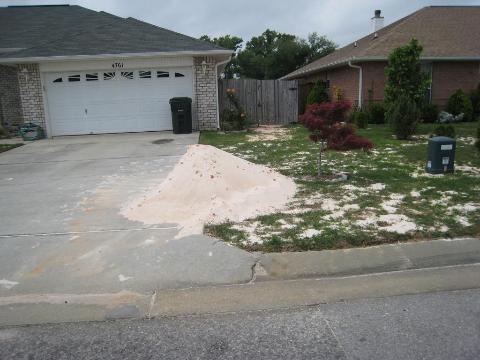
Image Source: nwdistrict.ifas.ufl.edu
Deciphering the Benefits of Lawn Sanding
The core reasons for putting sand on your lawn revolve around improving the soil’s physical properties. It’s a method to enhance aeration, improve drainage, and create a better substrate for root growth.
Enhancing Drainage Improvement
One of the most significant advantages of top dressing with sand is its impact on drainage improvement. Many lawns suffer from poor drainage due to heavy clay soils or accumulated thatch. When water sits on the surface for too long, it can lead to fungal diseases, root rot, and suffocation of the grass.
Sand, with its larger particle size compared to clay and silt, creates air pockets within the soil. This allows excess water to drain away more effectively, preventing waterlogging. Think of it like adding pebbles to a clogged drain – it helps the water flow through. This improved water movement is crucial for preventing shallow root systems, which are more susceptible to drought stress.
Combating Soil Compaction
Soil compaction is a common enemy of healthy lawns. Foot traffic, mowers, and even heavy rain can press soil particles together, reducing the pore spaces needed for air, water, and nutrient movement. When soil becomes compacted, roots struggle to penetrate, leading to weak, stressed grass.
Applying a thin layer of sand, especially after soil aeration, helps to alleviate this soil compaction. Aeration involves making small holes in the soil to allow air and water to reach the root zone. The sand particles then fill these holes, keeping them open and preventing the soil from re-compacting as easily. This creates a more friable, or easily crumbled, soil structure that encourages deeper root growth.
Improving Soil Aeration
Closely linked to soil compaction, poor soil aeration means that the soil lacks sufficient oxygen for healthy root development. Roots, like any living organism, need oxygen to respire and function. Compacted soils have limited air pockets, starving the roots.
Top dressing with sand, particularly when combined with aeration, directly addresses this issue. The sand particles help to maintain open channels within the soil profile, ensuring that air can reach the roots. This promotes robust root development, which is the foundation of a healthy and resilient lawn.
Promoting Soil Leveling and Seed Germination
Beyond drainage and compaction, sand can also aid in soil leveling. Over time, lawns can develop undulations and dips that collect water or create uneven mowing surfaces. A light top dressing of sand can help to fill these low spots, creating a smoother, more uniform lawn surface.
This soil leveling is particularly beneficial when overseeding a lawn. A smoother surface provides better seed-to-soil contact, which is essential for successful germination. The sand can also help to retain moisture in the top layer of soil, creating a more favorable microclimate for new grass seedlings to establish.
Contributing to Soil Conditioning
Soil conditioning is the overarching goal of many lawn care practices, and sand plays a vital role here. By improving drainage, aeration, and reducing compaction, sand acts as a soil amendment that physically improves the soil’s structure. This process makes the soil more hospitable to beneficial microorganisms and earthworms, further enhancing soil health.
A well-conditioned soil is more receptive to fertilizers and nutrients, ensuring that the grass can absorb them efficiently. This leads to stronger, greener, and more disease-resistant turf.
The Right Sand for Your Lawn
Not all sand is created equal when it comes to lawn care. The type of sand you use can significantly impact the results.
What Type of Sand is Best?
For top dressing lawns, coarse, sharp sand is generally recommended. This is often referred to as horticultural sand, builder’s sand, or coarse river sand. Avoid fine, powdery sand or play sand, as these can actually worsen compaction and drainage by filling in the pore spaces too easily.
The key is to use sand particles that are larger than the existing soil particles, creating those beneficial air pockets. A particle size of around 1/16 inch to 1/8 inch in diameter is ideal.
Sand Particle Size Matters
- Coarse Sand: Larger particles create significant pore space, excellent for drainage and aeration.
- Medium Sand: A good balance, but might be less effective than coarse sand for severe compaction.
- Fine Sand: Can be problematic, potentially binding with clay to create a hardpan layer if not applied correctly or if the wrong type of fine sand is used.
Using a sand with a consistent particle size is also important. Inconsistent sand can lead to uneven drainage and potential clogging.
When and How to Apply Sand
Timing and application methods are crucial for maximizing the benefits of top dressing with sand.
Best Times for Top Dressing
The ideal times to top dress a lawn are typically in the spring and fall, during the active growing seasons for most turfgrasses.
- Spring: After the soil has begun to warm up and before the peak summer heat. This allows the sand to integrate into the soil as the grass begins its vigorous growth phase.
- Fall: As the weather cools and grass continues to grow. This helps the lawn recover from summer stress and prepare for winter.
Avoid applying sand to a dormant lawn or during periods of extreme heat or drought, as this can stress the grass.
The Application Process
- Mow the Lawn: Mow the grass to a lower than usual height. This makes it easier for the sand to reach the soil.
- Aeration: This is a critical step. Aerate the lawn thoroughly using a core aerator. This creates holes that the sand will fill, improving soil aeration and reducing soil compaction.
- Apply the Sand: Spread a thin, even layer of coarse sand over the aerated lawn. A spreader or shovel can be used, followed by a rake to distribute it evenly. The goal is not to bury the grass, but to fill the aeration holes and create a light dusting on the surface. A layer of about 1/8 to 1/4 inch is usually sufficient.
- Rake In: Use a rake to work the sand into the aeration holes and spread it evenly across the lawn surface. You should still be able to see the grass blades through the sand.
- Water: Water the lawn lightly to help settle the sand and wash any residual dust off the grass blades.
- Overseeding (Optional): If you are also overseeding, this is the ideal time to do it, as the sand will help with seed-to-soil contact.
It’s important to apply sand in thin layers over time rather than a single thick application. Multiple light top dressings are more effective and less likely to harm the grass.
Common Misconceptions and Cautions
While beneficial, top dressing with sand isn’t a magic bullet and can have drawbacks if done incorrectly.
Is Sand Bad for My Lawn?
When applied correctly, sand is not bad for your lawn. However, using the wrong type of sand (e.g., fine sand) or applying it too thickly can indeed be detrimental. This can smother the grass, hinder water and air movement, and even create a hardpan layer that is more difficult to penetrate than the original soil.
The Role of Thatch
Thatch is a layer of dead and living grass stems, roots, and leaves that accumulates on the soil surface. A thick thatch layer can prevent water, air, and nutrients from reaching the soil. While sand can help to a certain extent by improving the soil beneath, addressing thatch directly through dethatching might also be necessary.
Over-Application Can Be Harmful
Applying too much sand at once can suffocate the grass by blocking sunlight and preventing air circulation. It can also lead to an uneven lawn surface if not raked in properly.
Sand vs. Other Soil Amendments
Sand isn’t the only option for soil conditioning. Comparing it to other amendments helps clarify its specific role.
Sand vs. Compost
- Compost: Adds organic matter, improves soil structure, fertility, and water retention. It’s excellent for enriching the soil and feeding beneficial microbes.
- Sand: Primarily improves drainage, reduces compaction, and aids aeration. It’s a physical amendment that alters the soil’s structure.
Often, a combination of top dressing with compost and sand, or using a screened topsoil mix that includes sand, can offer the most comprehensive benefits for turf health.
Sand vs. Peat Moss
- Peat Moss: Improves water retention and soil aeration, especially in sandy soils. However, it can be acidic and may not be ideal for all grass types. It can also be difficult to re-wet once it dries out completely.
- Sand: Offers the opposite effect, improving drainage in heavy soils.
The choice of amendment depends heavily on your specific soil type and the problems you’re trying to solve. For heavy clay soils prone to compaction and poor drainage, sand is often the preferred choice.
When Sand Might Not Be the Best Solution
While top dressing with sand is a valuable technique, it’s not always the answer.
Sandy Soils Already
If your lawn is already in a sandy soil, adding more sand might exacerbate drainage issues, making it harder for the grass to retain moisture. In such cases, adding organic matter (like compost) would be a more appropriate soil amendment.
Very Light Clay Soils
For very light clay soils, or silty soils, the benefits of sand might be less pronounced, and careful application is still essential to avoid creating adverse effects.
Frequently Asked Questions (FAQ)
Q1: How much sand do I need to put on my lawn?
A1: A thin layer, about 1/8 to 1/4 inch, is generally recommended. You should still be able to see the grass blades through the sand.
Q2: Can I just spread sand without aerating?
A2: While you can spread sand without aerating, the benefits are significantly reduced. Aeration is crucial for the sand to effectively improve soil aeration and reduce soil compaction.
Q3: What happens if I use the wrong kind of sand?
A3: Using fine sand can worsen soil compaction and drainage issues, potentially harming your lawn. Always opt for coarse, sharp sand.
Q4: How often should I top dress my lawn with sand?
A4: Typically, top dressing can be done once or twice a year, usually in the spring and fall. Avoid overdoing it.
Q5: Will sand kill my grass?
A5: If applied too thickly or if the wrong type of sand is used, it can damage or kill grass. Proper application and the right sand are key.
Q6: Can I put sand on my lawn in the summer?
A6: It’s generally not recommended to apply sand during the hottest part of summer, as it can stress the grass. Spring and fall are the preferred times.
Q7: Does sand help with weeds?
A7: While a healthier, denser lawn is more resistant to weeds, sand itself doesn’t directly kill weeds. Its benefits are primarily related to soil conditioning and turf health.
Q8: How long does it take to see results from top dressing with sand?
A8: Results can vary, but you might start to notice improvements in drainage and overall turf health within a few weeks to a couple of months, especially when combined with other good lawn care practices.
By thoughtfully incorporating top dressing with sand into your lawn care routine, you can effectively address issues like soil compaction and poor drainage, leading to a healthier, more resilient, and visually appealing lawn. It’s a method that, when understood and executed correctly, yields significant rewards for your green space.