
Mushrooms pop up in yards for a simple reason: they are part of nature’s cleanup crew. Do mushrooms growing in your yard mean something is wrong? Not necessarily. These fascinating fungi are often a sign of healthy soil and the natural breakdown of organic materials. This article will explore why these yard fungi appear, what they signify for your lawn care, and how to manage them if you choose.
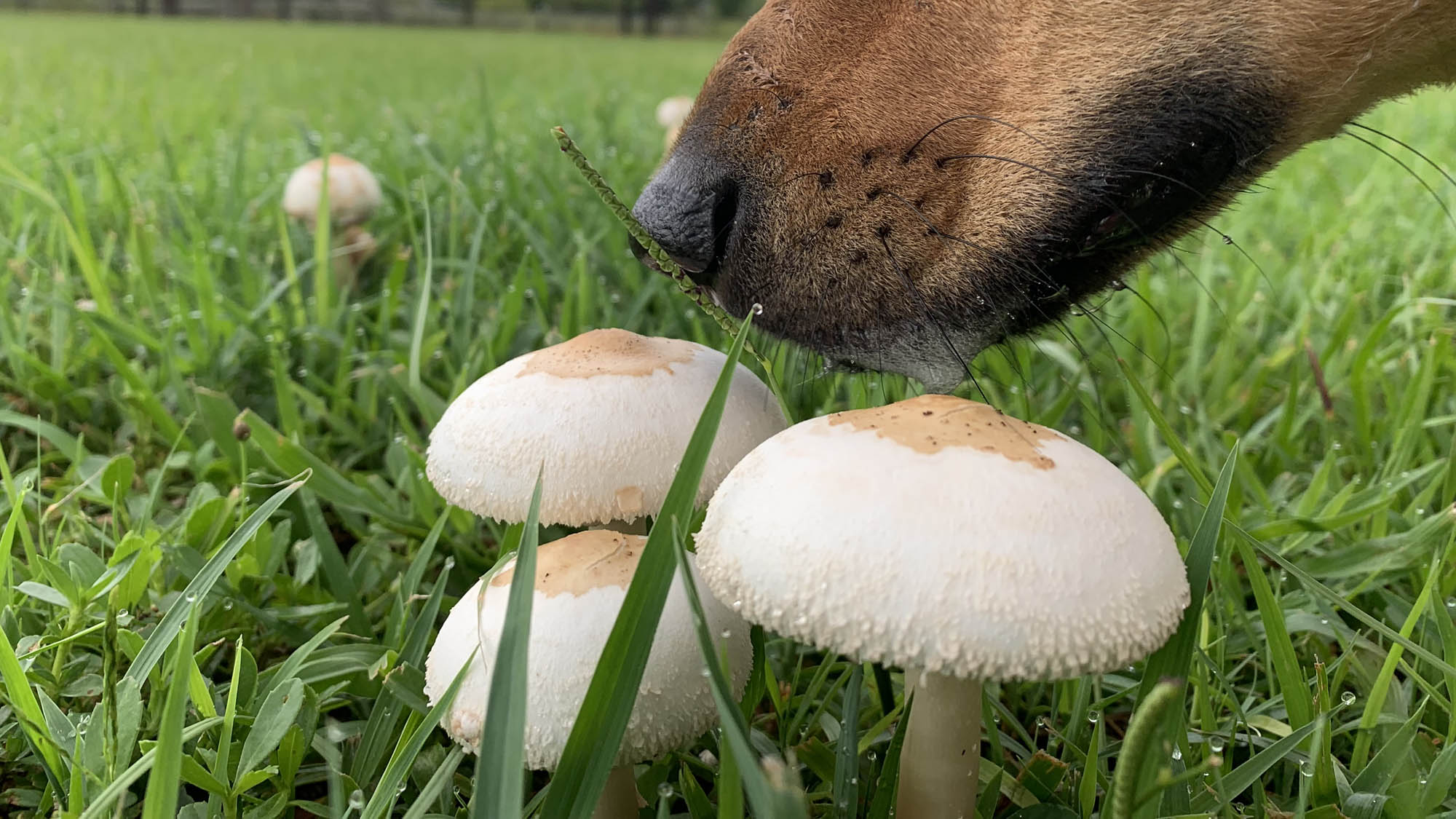
Image Source: homegrown.extension.ncsu.edu
Deciphering the Appeal of Your Lawn to Fungi
Mushrooms are the fruiting bodies of a larger fungal network, often hidden underground or within decaying material. Think of the mushroom itself as an apple on a tree – the real organism is the vast mycelial network beneath the surface. These networks are incredibly efficient at breaking down dead plant matter, which is why they thrive in environments rich with decomposing organic matter.
What Makes a Yard a Mushroom Haven?
Several key factors contribute to the prevalence of lawn mushrooms:
-
Abundant Food Sources: The primary driver for mushroom growth is the presence of food. This food comes in the form of decomposing organic matter. This can include:
- Dead leaves and grass clippings left on the lawn.
- Buried tree roots or stumps from previous landscaping.
- Animal waste, such as dog or cat droppings.
- Wood chips or mulch used in garden beds that are breaking down.
- Even the roots of living plants can become a food source if they are stressed or dying.
-
Optimal Moisture Levels: Fungi, like most living organisms, require water to survive and reproduce. Damp conditions are a major attractant for yard fungi. This can result from:
- Regular watering or irrigation.
- Frequent rainfall.
- Poor lawn drainage, leading to waterlogged soil.
- Shady areas that retain moisture longer.
-
Suitable Soil Conditions: The type and health of your soil play a role. While fungi can grow in various soils, they often prefer:
- Slightly acidic to neutral pH levels.
- Soil with good aeration, allowing for oxygen to reach the mycelium.
- Soil that is not overly compacted.
-
Climate and Season: Mushroom growth is often seasonal, appearing most commonly after periods of rain, particularly in the fall and spring. Warmer temperatures combined with moisture create ideal conditions for fungal activity.
The Role of Mycelium: The Hidden Half
It’s crucial to remember that the mushroom you see is just the tip of the iceberg. The real organism is the mycelium, a network of fine, thread-like filaments (hyphae) that spreads through the soil or decomposing organic matter. The mycelium’s job is to absorb nutrients from its environment. When conditions are just right – typically after rain and when there’s plenty of food available – the mycelium will produce mushrooms as a way to release spores and spread further.
Common Yard Mushrooms: What You Might See
Many different species of fungi can sprout in your yard. While mushroom identification can be complex and often requires expert knowledge, here are some common yard mushrooms you might encounter:
- Meadow Mushrooms (Agaricus campestris): These are edible and closely related to the button mushrooms you buy in the store. They often grow in grassy areas and are sometimes found in clusters or fairy rings.
- Ink Caps (Coprinellus species): These mushrooms are known for their distinctive habit of dissolving into an inky black liquid shortly after they mature. They often grow in lawns and garden beds rich in decomposing organic matter.
- Earthballs (Scleroderma species): These are puffball-like fungi that are typically brown and leathery on the outside. They are not generally considered edible and can be quite tough.
- Field Marasmius (Marasmius oreades): Small, tan mushrooms that are famously associated with fairy rings. They are often found in lawns and pastures.
- Shaggy Mane (Coprinus comatus): Another type of ink cap, this one is taller and more “shaggy” in appearance. It’s edible when young, before it starts to liquefy.
It is extremely important to emphasize that mushroom identification for edibility is a skill that requires significant study and experience. Never consume a wild mushroom unless you are absolutely certain of its identification by an expert. Many poisonous mushrooms can look very similar to edible ones.
The Significance of Mushrooms in Your Lawn
The appearance of mushrooms in your yard is rarely a cause for alarm, but it can be an indicator of certain conditions.
Good News: Signs of a Healthy Ecosystem
- Nutrient Cycling: Mushrooms are nature’s recyclers. Their presence signals that the fungal network is actively breaking down decomposing organic matter, returning essential nutrients to the soil. This benefits your lawn by enriching the soil naturally.
- Soil Health: A thriving fungal population often correlates with good soil health. It suggests a balanced ecosystem with plenty of microbial activity.
Potential Concerns: What Mushrooms Might Indicate
- Excess Moisture: Persistent mushroom growth, especially in areas that seem to stay wet, could point to poor drainage. This can be detrimental to grass roots, making them susceptible to diseases.
- Buried Debris: Mushrooms can sprout from buried wood, such as old tree roots or construction debris. While not harmful in itself, it means the decomposition process is ongoing.
- Over-Fertilization: In some cases, excessive fertilization, especially with nitrogen-rich fertilizers, can encourage fungal growth.
Managing Lawn Mushrooms: When and How
While mushrooms are a natural part of the ecosystem, you might want to manage them for aesthetic reasons, or if you have pets or children and are concerned about accidental ingestion.
When to Consider Removal
- Toxicity Concerns: If you have pets or young children who might ingest the mushrooms, removal is a sensible precaution.
- Aesthetic Preferences: Some people simply don’t like the look of mushrooms in their lawn.
- Indications of Drainage Issues: If mushrooms are consistently appearing in soggy areas, it might prompt you to address the underlying drainage problem.
Methods of Mushroom Removal
It’s important to note that simply removing the visible mushroom often doesn’t eliminate the problem, as the mycelial network remains. However, here are common approaches:
-
Manual Removal: The simplest method is to pull the mushrooms out of the ground by hand or with a garden trowel. Dispose of them properly in a sealed bag in the trash, as scattering spores can encourage more growth. This is a short-term solution.
-
Adjusting Watering Practices: If you suspect overwatering is the culprit, try to water your lawn less frequently and more deeply. This encourages deeper root growth in your grass and can make the surface less hospitable to surface mushrooms.
-
Improving Drainage: For areas with persistent dampness, consider aeration or installing a drainage system.
-
Reducing Thatch: A thick layer of thatch (dead grass and organic material) can hold moisture and provide food for fungi. Dethatching your lawn in the spring or fall can help.
-
Raking and Cleanup: Regularly rake up fallen leaves and grass clippings. This removes potential food sources for yard fungi.
-
Fungicides (Use with Caution): Chemical fungicides can be used, but they are often a last resort. They can harm beneficial soil organisms and may not address the root cause of the problem. If you choose this route, select a product specifically labeled for mushroom control on lawns and follow the instructions precisely. Remember that even fungicides may only temporarily suppress the mushrooms, as the underlying conditions favoring their growth might persist.
Dealing with Fairy Rings
Fairy rings are a fascinating phenomenon where mushrooms appear in a circular pattern. They are caused by the outward growth of a single fungal mycelium.
-
Identification: Fairy rings are characterized by a ring of darker, more vigorous grass, followed by a ring of mushrooms, and sometimes a ring of dead or sparse grass in the center.
-
Management: Managing fairy rings can be challenging.
- Small Rings: For small rings, simply removing the mushrooms and continuing with good lawn care practices like proper watering and fertilization can help break the cycle.
- Larger or Persistent Rings: For larger or more stubborn rings, more intensive methods might be needed, such as lightly spiking the ring with a fork to allow water and air to penetrate, followed by topdressing with compost and reseeding. In some cases, a soil drench with a nitrogen-based fertilizer or a broad-spectrum fungicide might be applied to the ring to encourage healthy grass growth and potentially disrupt the fungus. Again, expert advice is recommended for these more advanced treatments.
The Bigger Picture: Fungi and Your Yard’s Health
Mushrooms are a natural and often beneficial part of a healthy yard ecosystem. They are nature’s way of recycling and improving the soil. Unless they pose a direct threat due to toxicity or are symptomatic of a larger issue like poor drainage, they are generally best left undisturbed.
Focusing on good lawn care practices is the most effective way to manage the conditions that lead to mushroom growth. This includes:
- Proper watering: Water deeply and infrequently to promote healthy grass roots.
- Adequate fertilization: Fertilize appropriately for your grass type and season, avoiding over-fertilization.
- Regular dethatching and aeration: Keep thatch layers thin and soil aerated.
- Prompt cleanup of organic debris: Remove leaves, grass clippings, and other organic matter that can serve as food for fungi.
Frequently Asked Questions About Yard Mushrooms
Q1: Are mushrooms in my yard poisonous?
A: Some mushrooms found in yards can be poisonous. It’s impossible to tell without proper mushroom identification. It is safest to assume any wild mushroom is potentially toxic and to keep children and pets away from them.
Q2: How can I stop mushrooms from growing in my lawn?
A: To reduce mushroom growth, focus on improving your lawn care. This includes removing decomposing organic matter like fallen leaves, ensuring proper drainage, and avoiding overwatering. Regular raking and dethatching can also help.
Q3: What causes those circles of mushrooms in my yard (fairy rings)?
A: Fairy rings are caused by the outward growth of a single underground fungal mycelium. As it grows, it consumes nutrients in the soil, often creating a ring of different colored grass, and eventually, mushrooms will appear at the edge of the active growth.
Q4: Is it okay to eat mushrooms that grow in my yard?
A: It is generally not recommended to eat wild mushrooms from your yard. Accurate mushroom identification is critical, and even then, some edible mushrooms have toxic look-alikes. The safest approach is to purchase mushrooms from a reliable source.
Q5: What is the fastest way to remove mushrooms from my lawn?
A: The fastest way to remove visible mushrooms is to pull them by hand or with a trowel and dispose of them in a sealed bag. However, this only addresses the fruiting body, not the underlying fungal network. For a more lasting solution, you need to address the conditions that encourage their growth.
Q6: Does having mushrooms in the yard mean my soil is unhealthy?
A: Not necessarily. Mushrooms are often a sign of decomposing organic matter and healthy microbial activity, which can contribute to good soil health. However, persistent growth in soggy areas might indicate drainage issues that need attention.