
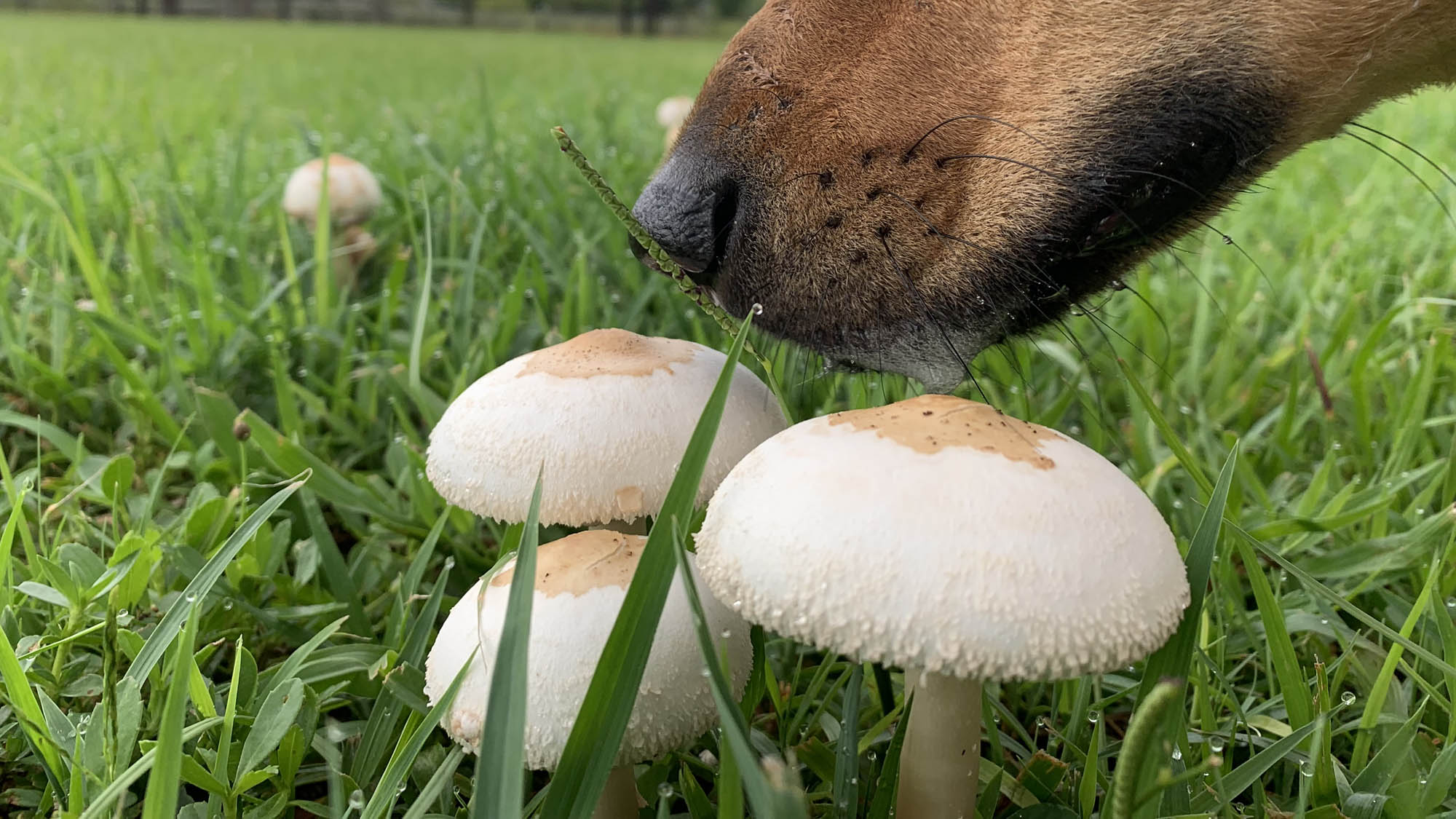
Image Source: homegrown.extension.ncsu.edu
Why Do I Have Mushrooms In My Yard: Expert Answers
You’re seeing mushrooms in your yard because your lawn is providing the perfect conditions for fungal growth. Mushrooms are the fruiting bodies of fungi, and they appear when the soil is moist, rich in organic matter, and the temperature is right. Don’t worry, having yard mushrooms is quite common and usually not a cause for alarm, but it’s helpful to know why they pop up and what they might mean for your lawn’s health.
The Hidden World Beneath Your Lawn
What we see above ground – the mushroom – is just a small part of a much larger organism. Fungi are underground networks of thread-like structures called mycelium. This mycelium is the real engine of the fungus, constantly breaking down organic material in the soil. When conditions are favorable, the mycelium produces mushrooms, which are essentially its reproductive structures, releasing spores to create new fungi.
Deciphering the Causes of Yard Mushrooms
Several factors contribute to the appearance of lawn mushrooms. Fungi are nature’s recyclers, and their presence often indicates a healthy, albeit damp, soil environment.
- Abundant Organic Matter: This is perhaps the most significant factor. Mycelium thrives on decaying material. Your lawn likely has a good supply if you have:
- Decomposing thatch: The layer of dead and living grass shoots, stems, and roots that accumulates at the soil surface.
- Leaf litter: Fallen leaves that haven’t been fully cleared.
- Animal droppings: From pets or wildlife.
- Buried wood: Old tree roots, stumps, or even buried construction debris.
- Moisture: Fungi need water to grow and produce mushrooms. Wet weather, overwatering, or poor drainage can create the ideal humid environment.
- Temperature: Fungi have specific temperature ranges in which they are most active. Mushrooms often appear in spring and fall when temperatures are moderate and moisture is available.
- Soil Compaction: Compacted soil can trap moisture and hinder aeration, creating conditions where fungi can flourish.
- Shady Areas: Many types of fungi prefer shady, damp locations where the sun doesn’t dry out the soil as quickly.
Interpreting Those Mysterious Circles: Fairy Rings
You might have noticed mushrooms growing in a perfect circle, or a ring of darker, more vigorous grass. These are known as fairy rings. While often associated with folklore, these rings are a natural phenomenon caused by the outward growth of the underground fungal mycelium.
How Fairy Rings Form
- Spore Germination: A mushroom spore lands in a suitable spot in the soil.
- Mycelial Growth: The spore germinates and the mycelium begins to grow outwards from that point in a circular pattern.
- Nutrient Depletion and Stimulation: As the mycelium grows, it consumes nutrients in the soil. In the center, the nutrients are depleted, causing grass to thin or die. However, at the edge of the ring, the actively growing mycelium releases nitrogen and other nutrients as it breaks down organic matter, stimulating the grass to grow taller and greener. This creates the visible ring effect.
Types of Fairy Rings:
- Type 1: These rings are characterized by dead or dying grass, indicating a more aggressive fungus that depletes nitrogen.
- Type 2: These rings show a band of darker green, more vigorous grass, caused by the fungus releasing nitrogen.
- Type 3: These rings are often indicated by rings of mushrooms themselves. The grass may look normal or slightly greener.
Many common lawn mushrooms can form fairy rings, and their appearance doesn’t necessarily mean your lawn is unhealthy, but it does highlight the presence of a significant fungal network.
Mushroom Identification: What Am I Looking At?
Mushroom identification is crucial if you have children or pets, as some yard mushrooms can be toxic. It’s also helpful for understanding what might be causing them. However, accurately identifying mushrooms can be tricky and requires a keen eye and often, expert knowledge.
Common Types of Yard Mushrooms
Here are some common types of mushrooms you might find in your yard:
| Mushroom Type | Appearance | Potential Causes | Edible? | Toxic? | Notes |
|---|---|---|---|---|---|
| Ink Caps | Small, white to gray, bell-shaped caps that turn into inky black liquid. | Damp soil, decaying organic matter. | Yes | No | Must be cooked soon after picking. |
| Field Mushrooms | White to brown caps, pinkish gills that turn brown with age. | Grassy areas, pastures, lawns. | Yes | No | Resembles some toxic species, caution advised. |
| Puffballs | Round or pear-shaped, white or off-white, solid interior when young. | Rich soil, decaying matter, sometimes thatch. | Yes | No | Only edible when completely white and firm inside. |
| Coprinus comatus | (Shaggy Mane) Distinctive shaggy, white cap that turns inky. | Well-fertilized lawns, often after rain. | Yes | No | A delicacy, but can cause reactions with alcohol. |
| Amanita muscaria | Iconic red cap with white spots, white gills, and a skirt on the stem. | Often found near trees, mycorrhizal association. | No | Yes | Highly toxic, causes hallucinations and gastrointestinal issues. |
| Galerina marginata | Small, brown, and often grows on decaying wood. | Decaying wood, sawdust mulch. | No | Yes | Extremely poisonous, containing the same toxins as Death Caps. |
Crucial Warning: Never eat a wild mushroom unless you are absolutely certain of its identification by an expert. Many poisonous mushrooms closely resemble edible ones, and ingesting even a small amount of a toxic mushroom can be fatal.
Fathoming the Soil Conditions
Your soil conditions play a pivotal role in whether mushrooms decide to set up shop in your yard. Fungi are decomposers, and they’re doing their job breaking down organic matter.
What Your Soil Might Be Telling You
- High Organic Matter Content: As mentioned, this is a primary driver. If your soil is rich, it’s a buffet for fungi. This can be a good sign for soil health, but it does invite mushrooms.
- Poor Drainage: Waterlogged soil creates the damp, anaerobic (low oxygen) conditions that many fungi love. If puddles linger after rain, your drainage might be an issue.
- Compacted Soil: Heavy foot traffic or the use of heavy machinery can compact your soil. This prevents water and air from penetrating, creating ideal pockets for fungal growth.
- Thatch Buildup: A thick layer of thatch (dead grass material) can hold moisture and provide food for fungi, leading to lawn mushrooms.
- Recent Amendments: Adding compost, manure, or other organic fertilizers can temporarily boost fungal activity.
Is It Safe to Have Mushrooms In My Yard?
Generally, the presence of mushrooms is not harmful to your lawn or your family, unless they are poisonous yard mushrooms. The biggest concern is accidental ingestion by children or pets.
Safety First: Edible vs. Poisonous Yard Mushrooms
- Edible Yard Mushrooms: Some mushrooms found in yards are indeed edible and delicious, like certain types of puffballs, field mushrooms, and ink caps. However, the risk of misidentification is extremely high. It is strongly advised not to consume any mushroom from your yard without absolute expert confirmation.
- Poisonous Yard Mushrooms: Many common garden mushrooms are toxic. Symptoms of poisoning can range from mild gastrointestinal upset to severe organ damage and even death. The Amanita genus, for example, includes some of the deadliest mushrooms. Even non-lethal toxins can cause hallucinations or severe illness.
Key Takeaway: If you have children or pets, the safest approach is to remove any mushrooms you find to eliminate the risk of accidental ingestion.
Mushroom Control: What Can I Do About Them?
If the sight of mushrooms bothers you, or if you’re concerned about toxicity, there are several mushroom control strategies you can employ. The goal is usually not to eradicate fungi entirely (as they are beneficial to soil health), but to reduce the conditions that encourage mushroom fruiting.
Practical Mushroom Control Methods
-
Remove the Mushrooms: This is the most immediate solution. Simply pick them by hand or use a shovel. Dispose of them in a sealed bag in the trash. Be sure to wear gloves, especially if you suspect they might be poisonous. Removing the fruiting bodies prevents them from releasing more spores.
-
Improve Drainage:
- Aeration: Core aerate your lawn to relieve compaction and improve air and water penetration.
- Topdressing: After aeration, add a thin layer of sand or compost to improve drainage over time.
- Dethatching: Remove thick layers of thatch, as this can hold excessive moisture.
-
Reduce Organic Matter:
- Rake Leaves Promptly: Don’t let leaf litter accumulate.
- Clean Up Animal Waste: Remove pet droppings regularly.
- Address Buried Wood: If you know there are buried roots or wood debris, consider removing them if feasible.
-
Adjust Watering:
- Water Deeply and Infrequently: This encourages deeper root growth and reduces surface moisture that fungi love.
- Avoid Overwatering: Ensure your irrigation system isn’t creating constantly wet conditions.
-
Enhance Sunlight:
- Prune Trees and Shrubs: If shaded areas are particularly problematic, consider trimming back overhanging branches to allow more sunlight to reach the lawn.
-
Chemical Treatments (Use with Caution):
- While there are some fungicides available, they are generally not recommended for cosmetic mushroom control in home lawns. They can harm beneficial soil fungi, and their effectiveness is often temporary if the underlying conditions aren’t addressed.
- Nitrogen Fertilizers: Some sources suggest that applying a nitrogen-rich fertilizer to the affected area can sometimes help grass outcompete the fungus, making the mushrooms less conspicuous. However, this can also feed the fungi.
Managing Fairy Rings
Fairy rings are more persistent because the mycelium is a large, established network.
- Aeration and Watering: Improving drainage and reducing compaction can help mitigate the effects of some fairy rings.
- Dethatching: Can reduce the fuel for fungal growth.
- Topdressing: Adding compost can help healthy grass grow through the affected area, disguising the ring.
- Golf Course Practices: For severe fairy rings on golf courses, specialized treatments involving wetting agents or specific fungicides are sometimes used, but these are typically not practical or recommended for home lawns.
Frequently Asked Questions (FAQ)
Q1: Are mushrooms in my yard bad for my lawn?
Generally, no. Mushrooms are a sign of decomposition, which is a natural and healthy process. They don’t typically harm the grass itself. However, their presence can indicate underlying soil conditions like excess moisture or organic matter that you might want to address for overall lawn health.
Q2: Can I eat the mushrooms in my yard?
Never eat a wild mushroom from your yard unless it has been identified by a qualified expert. Many common yard mushrooms are poisonous and can cause severe illness or death. It’s best to admire them from a distance and remove them if you have children or pets.
Q3: How do I get rid of mushrooms in my lawn?
The best approach is mushroom control by addressing the conditions that encourage their growth. This includes improving drainage, reducing thatch and organic matter, and adjusting watering habits. Physically removing the mushrooms themselves is also effective in preventing spore release.
Q4: What causes those rings of mushrooms?
Those are called fairy rings, and they are caused by the outward growth of the underground fungal network (mycelium). As the mycelium grows, it consumes nutrients, creating patterns of lush or dead grass around the ring of mushrooms.
Q5: Are there any benefits to having fungi in my lawn?
Yes, fungi are essential decomposers. They break down dead organic matter, releasing nutrients back into the soil that plants can use. A healthy population of beneficial soil fungi contributes to a more robust and nutrient-rich soil environment. The mushrooms are just the visible sign of this vital work.
In conclusion, seeing mushrooms in your yard is a natural occurrence, a testament to the vital work of fungi in your soil ecosystem. By understanding the causes of yard mushrooms, you can better manage your lawn’s health and ensure a safe environment for your family and pets. Remember, caution is key when it comes to mushroom identification, and addressing the underlying soil conditions is the most effective long-term strategy for mushroom control.