
You might be wondering, “Why do I have mushrooms in my lawn?” You’re not alone! Seeing mushrooms, or toadstools in grass, can be a common and sometimes perplexing sight for homeowners. These mushrooms growing on lawn areas are typically a sign that the underlying soil conditions are favorable for fungal growth. They are the fruiting bodies of fungi that live year-round in your soil.
The appearance of mushrooms in your lawn is usually a natural process. Fungi are a vital part of healthy soil ecosystems, breaking down organic matter and recycling nutrients. While they can be unsightly or raise concerns about your lawn’s health, their presence often indicates a thriving soil environment. However, understanding the underlying causes can help you manage them effectively.
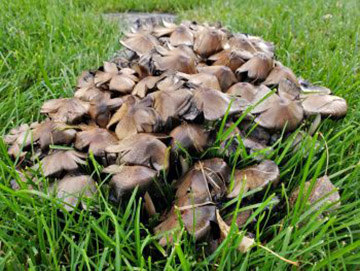
Image Source: organolawn.com
Fathoming the Cause of Mushrooms in Your Lawn
The primary cause of mushrooms in lawn is the presence of fungal mycelium, the vegetative part of the fungus, which lives unseen beneath the soil’s surface. This mycelium feeds on decaying organic matter. When conditions are just right – typically moist and warm – the mycelium produces the visible mushrooms as its reproductive structures.
Several factors contribute to the conditions that encourage mushroom growth:
Decomposing Organic Matter
Your lawn is a living system, and like all systems, it has a natural cycle of decay and renewal. Grass clippings, fallen leaves, dead roots, pet waste, and even buried wood or thatch all provide food for fungi. The more organic material that breaks down in your soil, the more food is available for these beneficial lawn fungi.
- Thatch Buildup: A thick layer of thatch (dead and living grass stems, roots, and leaves) on the soil surface is a prime food source for fungi. When thatch becomes too dense, it can trap moisture, creating an ideal environment for mushroom growth.
- Buried Debris: If you’ve recently done any landscaping or construction, there might be buried wood chips, roots, or other organic materials that the fungi are actively decomposing.
- Animal Waste: Animal droppings, especially from dogs, can be rich in nutrients that fungi readily consume.
Moisture Levels
Fungi thrive in moist environments. Excessive watering, heavy rainfall, or poor drainage can create soggy soil conditions that promote mushroom development. Even though the mushrooms themselves might disappear quickly once the soil dries, the mycelium remains, waiting for the next favorable wet spell.
- Overwatering: Watering your lawn too frequently or for too long can lead to waterlogged soil.
- Poor Drainage: Soil that doesn’t drain well will retain excess moisture, providing a constant habitat for fungi.
- Shady Areas: Areas of your lawn that receive less sunlight tend to stay moist for longer periods, making them more susceptible to mushroom growth.
Soil Type and pH
While less common as a direct cause, certain soil types and pH levels can indirectly favor fungal activity. Compacted soil, for instance, can hinder drainage and air circulation, creating a more humid environment.
Weather Conditions
A combination of warm temperatures and ample moisture, especially following a dry spell, is a classic recipe for mushroom outbreaks. Spring and autumn are particularly common times to see mushrooms growing on lawn areas due to these fluctuating conditions.
Identifying Lawn Mushrooms: What Am I Looking At?
Identifying lawn mushrooms can be a fascinating endeavor, though caution is always advised if you suspect they might be toxic. Most lawn mushrooms are harmless to your grass and are simply indicators of soil conditions. However, it’s important to recognize that some species can be poisonous if ingested by pets or children.
There are thousands of species of fungi, and they come in a vast array of shapes, sizes, and colors. Some common types you might find include:
- Agarics: These are umbrella-shaped mushrooms with gills underneath the cap. Many common edible mushrooms belong to this group, but so do many poisonous ones.
- Puffballs: These are round or pear-shaped and lack distinct stems or caps. They release their spores in a cloud when disturbed.
- Inky Caps: These mushrooms start with a classic cap and stem but then rapidly dissolve into a dark, inky liquid.
- Morels: These are highly prized edible mushrooms, often found in spring, with a distinctive honeycomb-like cap. However, they are more likely to be found in wooded areas adjacent to lawns than in the open lawn itself.
- Coprinellus: Often referred to as “shaggy manes” or “inky caps,” these are common and usually appear after rain.
Important Note on Toxicity: It is crucial to remember that many mushrooms are poisonous. Never ingest a wild mushroom unless you are absolutely certain of its identification by an expert. The primary concern for homeowners is the presence of toxic species that could harm pets or small children who might play in the lawn.
Table: Common Lawn Mushroom Types (Examples)
| Mushroom Type | Description | Common Associations | Notes |
|---|---|---|---|
| Agarics | Umbrella-shaped cap with gills underneath. | Fertilized soil, decomposing thatch. | Many varieties exist; some edible, many toxic. |
| Puffballs | Round or pear-shaped, no visible stem or cap, release spores when pressed. | Decaying organic matter, often in fairy rings. | Generally harmless, though some can be toxic if eaten. |
| Inky Caps | Start with a cap and stem, then “melt” into a black liquid. | Rich soil, often appearing after rain. | Usually disappear quickly. |
| Fairy Ring | Mushrooms growing in a circular or arc pattern. | Mycelium spreading underground in a circle. | Can be caused by various fungi; the ring indicates the outward growth of the underground mycelium. |
The Fascinating Phenomenon of Fairy Rings
One of the most intriguing aspects of lawn fungus is the formation of fairy rings. These are natural circles or arcs of mushrooms that appear in lawns, meadows, and forests. The ring is actually the visible manifestation of the underground mycelium of a fungus. As the mycelium grows outward from a central point, it depletes the nutrients in the soil and eventually produces mushrooms along the leading edge of its expansion.
How Fairy Rings Form
- Initial Spore: A single mushroom releases spores, one of which lands on a suitable spot.
- Mycelial Growth: The spore germinates, and the fungal threads (hyphae) begin to grow outwards in all directions, forming a network called mycelium.
- Nutrient Depletion: As the mycelium expands, it consumes nutrients in the soil. This can create a zone of dying or stressed grass inside the ring, where nutrients are depleted.
- Fruiting Bodies: Eventually, the mycelium reaches a point where it can produce mushrooms – the fruiting bodies. These appear as a ring around the expanding mycelium.
- Continuous Expansion: The mycelium continues to grow outwards, creating larger and larger rings over time.
Fairy rings can be caused by a variety of fungi, including puffballs and agarics. They are a natural part of the ecosystem, and their presence often indicates a healthy soil biology, albeit one that might need some management for aesthetic purposes.
Is This Mushroom Bad for My Lawn?
Generally, the mushrooms growing on lawn are not directly harmful to your grass. In fact, the fungi that produce them are often beneficial, as they help to break down thatch and organic matter, returning valuable nutrients to the soil. Think of them as nature’s recycling crew.
However, there are a few points to consider:
- Aesthetic Concerns: Most people find mushrooms unsightly and prefer a uniform, green lawn.
- Potential Toxicity: As mentioned, some mushrooms can be toxic to pets and humans.
- Underlying Issues: While the mushrooms themselves aren’t the problem, their presence can signal underlying issues like poor drainage, excessive thatch, or overwatering, which can negatively impact your lawn’s health in the long run.
- Fairy Ring Damage: In the case of fairy rings, the stressed or dead grass within and sometimes around the ring can be a noticeable problem, indicating nutrient depletion or disease caused by the fungus.
Lawn Mushroom Treatment: What Can I Do?
The good news is that lawn mushroom treatment doesn’t always require aggressive chemical intervention. Often, simple cultural practices can manage the problem and improve overall lawn health and mushrooms.
Cultural Management Practices
These methods focus on modifying the conditions that favor mushroom growth.
- Improve Drainage:
- If your lawn is consistently soggy, aerate the soil to improve air circulation and water penetration.
- Consider adding compost to heavy clay soils to improve their structure and drainage.
- Avoid overwatering; water deeply but less frequently, allowing the soil to dry out slightly between waterings.
- Reduce Thatch:
- Dethatch your lawn annually, especially if you notice a thick layer of thatch building up. This removes the food source for many fungi.
- Remove Debris:
- Regularly rake up fallen leaves, grass clippings, and other organic debris.
- If you suspect buried wood or other organic materials, excavate and remove them if possible.
- Watering Wisely:
- Water in the morning so that the grass blades have time to dry off during the day.
- Adjust your watering schedule based on weather conditions.
- Mechanical Removal:
- For a quick fix, you can simply pick or mow the mushrooms. Mowing will often break them up and spread their spores, but it removes the visible nuisance.
- For fairy rings, you can try breaking up the ring with a garden fork to disrupt the mycelial growth.
Addressing Fairy Rings Specifically
- Aeration and Topdressing: Aerating the affected area and topdressing with a thin layer of compost can help break up the ring and introduce beneficial microbes that compete with the fairy ring fungus.
- Watering: Sometimes, ensuring consistent moisture can reduce the visual impact of the dead or stressed grass in a fairy ring.
- Reseeding: If the grass within the ring has died, you may need to reseed the area.
Chemical Treatment (Use Sparingly)
Chemical fungicides are available, but they are often considered a last resort for a few reasons:
- Temporary Solution: Fungicides kill the visible mushroom but don’t eliminate the mycelium beneath the soil. The mushrooms will likely return if favorable conditions persist.
- Impact on Beneficial Fungi: Aggressive use of fungicides can also kill the beneficial lawn fungi that contribute to a healthy soil ecosystem.
- Environmental Concerns: Chemical treatments can have environmental impacts.
If you choose to use a fungicide, select one labeled for use on fungi in lawns. Always follow the product instructions carefully and apply it only to the affected areas.
Beneficial Lawn Fungi: More Than Just a Nuisance
It’s worth reiterating that not all lawn fungus is bad. Mycorrhizal fungi, for example, form symbiotic relationships with grass roots. They extend the reach of the plant’s root system, helping it absorb water and nutrients more efficiently, especially phosphorus. In return, the fungi receive sugars produced by the grass.
These beneficial fungi are crucial for maintaining a healthy, resilient lawn. They can help your grass withstand drought, disease, and stress. The appearance of mushrooms from these beneficial fungi is often a sign that your soil is robust and your lawn is well-established.
Frequently Asked Questions (FAQ) about Lawn Mushrooms
Q1: Are the mushrooms in my lawn poisonous?
A1: Many lawn mushrooms are not poisonous, but some species are. It’s impossible to tell by appearance alone whether a mushroom is safe or not. To be safe, assume any mushroom in your lawn could be toxic and keep pets and children away from them. Never eat wild mushrooms unless identified by an expert.
Q2: Should I remove mushrooms from my lawn?
A2: You can remove them for aesthetic reasons or if you’re concerned about pets or children. Simply picking them or mowing over them is usually sufficient for temporary removal. They will likely return if the conditions are still favorable for the underlying fungus.
Q3: Will mushrooms kill my grass?
A3: Generally, no. The mushrooms themselves are just the reproductive parts of fungi that are living in the soil. They are often a sign of a healthy, albeit moist and organic-rich, soil environment. However, fairy rings can cause dead or stressed patches of grass due to nutrient depletion by the underground mycelium.
Q4: How can I prevent mushrooms from growing in my lawn?
A4: Prevention focuses on managing the conditions that fungi love:
* Reduce thatch buildup by dethatching.
* Improve soil drainage.
* Avoid overwatering.
* Remove organic debris like leaves and grass clippings promptly.
* Ensure adequate sunlight reaches all areas of your lawn.
Q5: Is there a specific chemical treatment for lawn mushrooms?
A5: Yes, fungicides can be used. However, they are often a temporary fix as they don’t eliminate the underground mycelium. Cultural practices are generally more effective and sustainable for long-term management of mushroom growth.
Q6: What are fairy rings?
A6: Fairy rings are circular patterns of mushroom growth in a lawn. They are caused by the outward expansion of underground fungal mycelium. The ring indicates where the fungus is actively growing and feeding.
Q7: Are the fungi that cause mushrooms beneficial?
A7: Some fungi are indeed beneficial, like mycorrhizal fungi that help grass roots absorb nutrients. The mushrooms you see are simply the reproductive structures. While their presence can indicate underlying conditions that need management, the fungi themselves play a role in decomposition and nutrient cycling, which are important for soil health.
By fathoming the cause of mushrooms in your lawn and implementing appropriate cultural practices, you can enjoy a healthier, more aesthetically pleasing lawn. Remember, a few mushrooms are often a sign of good things happening beneath the surface!