
If you’ve spotted unusual, muddy mounds in your yard, you’re likely wondering, “Why do I have crawfish mounds in my yard?” The simple answer is that these formations are the tell-tale signs of crawfish, also known as crayfish, that have been busy building their homes. These fascinating freshwater crustaceans are not just residents of ponds and lakes; they can establish colonies in areas with consistent moisture, even in your lawn or garden.
These muddy mounds are often the first indication of the presence of crawfish burrows. These subterranean structures are complex engineering feats, with tunnels that can extend deep into the ground. The mounds themselves are created as the crawfish excavate soil to build and maintain these burrows, pushing the excess material out onto the surface. This excavated soil forms the distinctive cone-shaped or chimney-like structures that we commonly refer to as crayfish chimneys.
The presence of these chimneys is a strong indicator of specific environmental conditions. They often signal that your yard provides the damp soil and access to water that crawfish need to survive. These wetland indicators are crucial for understanding the ecological health of your immediate surroundings. Crawfish play a vital role in their ecosystems, serving as both predators of smaller organisms and prey for larger animals. Their burrowing activity also contributes to soil aeration, which can be beneficial for plant life in some cases.
Let’s delve deeper into the world of these remarkable creatures and their architectural endeavors.
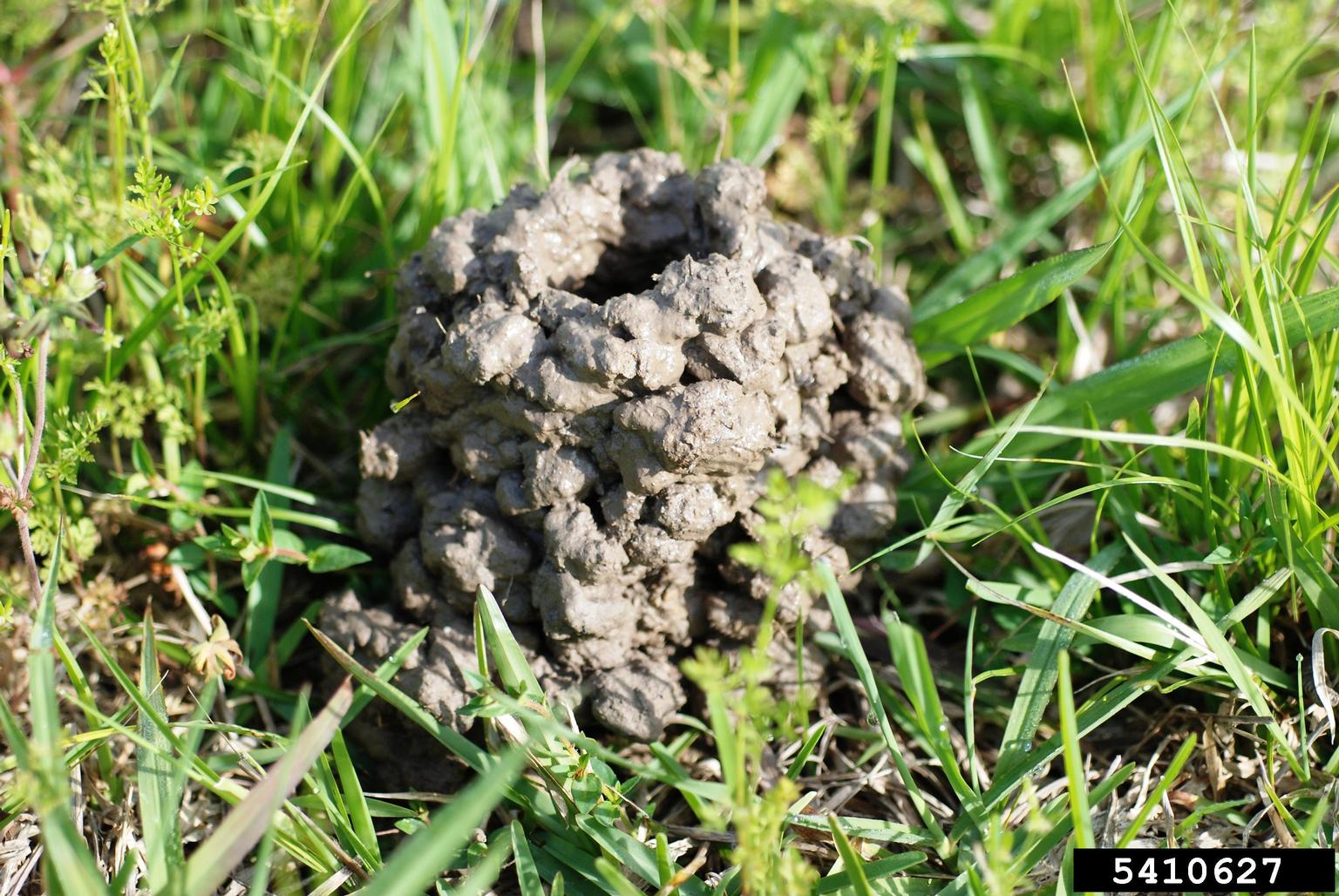
Image Source: cdn.mos.cms.futurecdn.net
Fathoming the Construction of Crawfish Chimneys
Crawfish are industrious creatures, and the mounds they create are a testament to their persistent efforts. These structures aren’t just random piles of dirt; they are carefully constructed extensions of their underwater or water-adjacent homes.
The Purpose of the Mounds
The primary purpose of these muddy mounds is to provide a safe and stable environment for the crawfish.
- Protection: The deeper parts of the crawfish burrows offer protection from predators, such as birds, raccoons, and larger fish. They also provide shelter from extreme temperatures and drying out.
- Breathing: In some cases, the chimneys are open at the top, allowing air to circulate into the burrow. This is especially important if the burrow is submerged or if the water quality deteriorates. The opening can also help regulate water levels within the burrow.
- Access to Water: Crawfish are aquatic or semi-aquatic. The burrow system is designed to maintain a water level that keeps the crawfish hydrated and allows them to breathe using their gills. The chimneys can help trap moisture and prevent the burrow from collapsing.
- Raising Young: Female crawfish often carry their eggs under their tails and may use the burrow system to protect their developing young.
The Building Process
The creation of a crayfish chimney is an ongoing process. As the crawfish digs, it pushes the excavated mud upwards and outwards. This mud is often sticky and wet, allowing it to form relatively stable structures.
- Excavation: Using their claws and walking legs, crawfish dig into the soil. They remove soil particles and carry them to the surface.
- Ejection: The excavated material is deposited around the entrance to the burrow, gradually building up the mound. The shape and size of the mound depend on the species of crawfish, the soil type, and the amount of water available.
- Maintenance: Crawfish will continuously maintain and expand their burrows, especially after heavy rains or if their burrow is damaged. This means you might see new mounds or changes to existing ones over time.
Where Do Crawfish Live? Deciphering Their Habitat Preferences
Crawfish are quite adaptable, but they generally prefer habitats that offer a combination of water and suitable substrate for burrowing.
Aquatic Environments
The most common places to find crawfish are:
- Lakes and Ponds: These pond dwellers thrive in the sediment-rich bottoms of freshwater bodies. They often create burrows in the banks or directly on the lakebed.
- Rivers and Streams: Fast-flowing water can be a challenge, but crawfish are often found in slower-moving sections, behind rocks, or in areas with muddy or sandy bottoms where they can excavate burrows.
- Ditches and Canals: These man-made water channels often provide ideal conditions, with a consistent water supply and soft banks for burrowing.
Terrestrial and Semi-Terrestrial Habitats
This is where your yard comes into play. Crawfish can be found in areas that are not permanently submerged but remain consistently moist.
- Wet Lawns: If your lawn tends to stay wet after rain or irrigation, it can be an attractive habitat.
- Gardens: Particularly those with rich, moist soil.
- Swamps and Marshes: These are natural habitats for many crawfish species.
- Flooded Fields: After periods of heavy rain, fields that remain waterlogged can temporarily host crawfish populations.
The key factor is access to water. Even if the surface dries out, the subterranean tunnels of their burrows can retain moisture, allowing them to survive.
Identifying the Culprits: Common Crawfish Species
While it’s difficult to identify the exact species of crawfish without closer examination, knowing some common types can help you appreciate who is making those mounds. The species present will often depend on your geographic location.
Common Crawfish in North America
North America is a hotspot for crawfish diversity, with hundreds of species found across the continent.
- The Common or Speckled Crawfish ( Orconectes immunis ): Often found in slow-moving streams, ponds, and ditches. They are known for building burrows with relatively large openings and sturdy chimneys.
- The Signal Crawfish ( Pacifastacus leniusculus ): Native to the Pacific Northwest, this species is also invasive in many other parts of the world. They are robust crawfish that build significant burrow systems.
- The Rusty Crawfish ( Orconectes rusticus ): This aggressive invasive species can outcompete native crawfish and damage aquatic ecosystems. They are often found in a variety of freshwater habitats and are known for their burrowing habits.
- The Red Swamp Crawfish ( Procambarus clarkii ): This highly adaptable and widespread species is found in Louisiana and Texas, but has spread globally. They are prolific burrowers and are often responsible for significant mound-building in agricultural areas and even suburban yards.
It’s worth noting that some species are more prone to burrowing into terrestrial environments than others, especially during dry periods when they retreat into their burrows.
The Ecological Significance of Crawfish and Their Burrows
Crawfish are more than just mound builders; they are integral components of many ecosystems.
As a Food Source
Crawfish are a vital food source for a wide array of animals:
- Birds: Herons, egrets, kingfishers, and wading birds feed on crawfish.
- Mammals: Raccoons, otters, opossums, and even some foxes will forage for crawfish.
- Fish: Many species of fish, particularly larger predatory fish, consume crawfish.
- Amphibians and Reptiles: Frogs, turtles, and snakes are also known to eat crawfish.
As Ecosystem Engineers
The burrowing activity of crawfish has a significant impact on their environment:
- Soil Aeration: As crawfish excavate their subterranean tunnels, they mix and aerate the soil. This can improve water infiltration and nutrient cycling.
- Water Quality: By processing organic matter and consuming detritus, crawfish can help improve water quality in some aquatic environments.
- Habitat Creation: Their abandoned burrows can provide shelter for other small aquatic organisms.
Relationship with Aquatic Insects
Crawfish are predators of many small invertebrates, including aquatic insects. They can help control populations of certain insect larvae. However, they also consume eggs and smaller individuals of beneficial insects. Their presence indicates a water source that may also support a variety of aquatic insects.
Addressing Crawfish Mounds in Your Yard
While crawfish are ecologically important, their presence in your yard can be a nuisance. Here’s how to approach it.
Why Crawfish Choose Your Yard
Your yard might be attractive to crawfish if it offers:
- Consistent Moisture: Areas that stay damp after rain or irrigation are prime real estate.
- Soft Soil: Lawns and gardens with loamy or clay-rich soil are easier to burrow into.
- Proximity to Water: If your yard is near a pond, stream, ditch, or even a marshy area, crawfish can easily migrate.
- Abundant Food: Crawfish are omnivores and will eat algae, aquatic plants, decaying organic matter, worms, snails, and other small invertebrates.
Are Crawfish Mounds Harmful?
Generally, crawfish mounds are not directly harmful to people or pets. However, they can:
- Create Tripping Hazards: The mounds can be uneven and pose a risk of tripping.
- Damage Lawns: In large numbers, extensive burrowing can damage turf and make mowing difficult.
- Indicate Drainage Issues: The presence of crawfish may highlight areas in your yard that hold excess water, suggesting potential drainage problems.
Methods for Managing Crawfish
Deciding whether to manage crawfish depends on your tolerance and the extent of the problem.
Non-Lethal Management
These methods focus on deterring crawfish or making your yard less hospitable.
- Improve Drainage: The most effective long-term solution is to address the water issue. Improving drainage in your yard can make it less appealing to crawfish. Consider installing French drains or regrading your lawn.
- Remove Habitat: Clear away leaf litter, overgrown vegetation, and debris that might provide shelter or food sources.
- Physical Barriers: For specific areas like flower beds, you might consider installing barriers. Burying hardware cloth or fine mesh a foot or so into the ground around the perimeter can prevent burrowing.
- Trapping: Live traps can be used to catch crawfish. Check local regulations regarding trapping and what to do with the captured animals. In some areas, trapped crawfish can be a delicacy!
Lethal Management (Use with Caution)
If non-lethal methods are insufficient, some people consider more direct approaches.
- Chemical Control: Insecticides or specific crawfish baits can be used, but these should be applied with extreme caution. Always read and follow label instructions carefully, and be aware of potential harm to non-target organisms, including beneficial insects, pets, and wildlife. It is often best to consult with a pest control professional before using chemicals.
- Filling Mounds: While this doesn’t address the root cause, filling in existing mounds can temporarily improve the appearance of your lawn.
Important Note: Before implementing any control measures, it’s wise to identify the specific crawfish species and research local regulations concerning their management. Some species may be protected, or specific methods of control might be prohibited.
Crawfish as a Culinary Delight
For many, the appearance of crawfish mounds isn’t just an annoyance; it’s an invitation to a feast! Crawfish are a popular food item in many parts of the world, particularly in the Southern United States.
Harvesting Crawfish
- Methods: Crawfish are typically harvested using nets or traps baited with fish scraps or chicken.
- Seasonality: The crawfish season varies by region but is often best in the spring and early summer.
- Preparation: Crawfish are commonly boiled with spices, corn, potatoes, and sausage in a traditional crawfish boil.
If you’re considering harvesting crawfish from your yard, ensure you have the proper knowledge and equipment. Always be mindful of water quality and potential contaminants if you plan to consume them.
Frequently Asked Questions about Crawfish Mounds
Q1: Are crawfish dangerous to humans or pets?
A1: No, crawfish are generally not dangerous to humans or pets. They may pinch if handled, but their claws are typically not strong enough to cause serious injury.
Q2: Can crawfish cause damage to my house or foundation?
A2: While extensive burrowing can undermine soil, it’s unlikely that crawfish alone would cause significant structural damage to a well-built house foundation. However, their burrowing can weaken the soil, which, in combination with other factors like heavy rain, could contribute to minor issues.
Q3: How deep do crawfish burrows go?
A3: The depth of crawfish burrows can vary greatly depending on the species, soil type, and water table. Some shallow burrows may only be a foot or two deep, while others can extend several feet underground, sometimes reaching the water table. The extensive subterranean tunnels can create complex networks.
Q4: Will my lawn die because of crawfish mounds?
A4: While large numbers of crawfish and their burrowing activities can stress turf and create unsightly mounds, they typically won’t kill an entire lawn directly. The main issue is the disruption to the grass and the aesthetic impact of the muddy mounds.
Q5: Are crawfish mounds a sign of poor water quality?
A5: Not necessarily. While crawfish are sensitive to pollution, their presence can indicate a healthy water source nearby. However, if the water source is heavily contaminated, the crawfish themselves may be more stressed, and their burrowing habits could change. Their appearance as wetland indicators is more about the presence of moisture and suitable soil.
Q6: Can I get rid of crawfish permanently?
A6: Permanently eradicating crawfish is very difficult, especially if your property has the necessary environmental conditions (moisture, suitable soil) and is near other water sources. Management efforts are usually focused on controlling their numbers and minimizing their impact on your yard.
Q7: What do crawfish eat?
A7: Crawfish are omnivores. They feed on a variety of things including algae, aquatic plants, detritus (decaying organic matter), insect larvae, worms, snails, small fish, and even other crawfish. Their diet contributes to their role as both predators and scavengers.
Conclusion
Spotting those distinctive muddy mounds in your yard is a clear indication of active crawfish activity. These freshwater crustaceans, often referred to as pond dwellers, are nature’s industrious architects, creating intricate crawfish burrows marked by crayfish chimneys. Their presence signifies a habitat with sufficient moisture and soil conducive to their survival and reproduction.
While their burrowing can be a nuisance, leading to uneven terrain and potential lawn damage, it’s important to remember the ecological roles crawfish play. They are a vital food source for many animals and contribute to soil aeration through their digging. For those in culinary-inclined regions, these mounds can also be a prelude to a delicious meal.
By deciphering the reasons behind their presence – the damp soil, the proximity to water, and the availability of food – you can decide on the best course of action. Whether you choose to improve drainage, deter them with physical barriers, or even embrace them as a local delicacy, understanding these fascinating wetland indicators allows you to coexist with these remarkable creatures or manage their impact on your personal landscape.