
Why do I get mushrooms in my lawn? You get mushrooms in your lawn because the conditions are right for the fungi that produce them to grow. This usually means there’s a combination of moisture, food (decaying organic matter), and the right temperature.
Mushrooms popping up on your lawn can be a common, and sometimes puzzling, sight. While they might appear overnight, these fascinating fungi are actually the fruiting bodies of a much larger organism living beneath the soil. Their sudden appearance often prompts questions about lawn health, potential diseases, and whether the mushrooms themselves are harmful.
The presence of mushrooms in your yard isn’t necessarily a bad sign, but it does indicate specific environmental conditions within your soil. Fathoming these causes can help you manage them and improve your lawn’s overall health. This in-depth guide will explore the common reasons behind mushroom growth, what they signify about your lawn, and how you can address them.
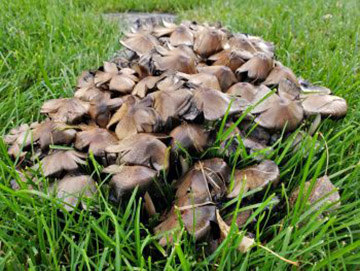
Image Source: organolawn.com
The Hidden World of Lawn Fungi
Before we delve into the specific causes of mushrooms, it’s helpful to understand what we’re dealing with. Mushrooms are the visible reproductive structures of fungi. The main body of the fungus, a network of thread-like structures called mycelium, lives underground and plays a vital role in breaking down organic material. When conditions are favorable, the mycelium produces mushrooms to release spores and spread.
Lawn fungus is a broad term encompassing many different types of fungi that can affect grass. Some fungi cause diseases like brown patch or dollar spot, while others, like those producing mushrooms, are more of a cosmetic issue or a sign of soil conditions. It’s important to distinguish between mushrooms that are simply indicators of healthy soil activity and those that might be associated with problematic lawn diseases.
Key Factors Driving Mushroom Growth
Several factors contribute to the conditions that allow mushroom growth to occur in your lawn. These are the primary culprits you’ll want to investigate.
Damp Soil: The Foundation for Fungi
One of the most significant drivers of mushroom formation is excessive moisture. Fungi, like most living organisms, require water to thrive.
- Frequent Watering: Overwatering your lawn, especially if it’s not draining well, creates a consistently moist environment. This is prime real estate for fungal mycelium.
- Heavy Rainfall: Extended periods of rain can saturate the soil, providing the necessary hydration for mushrooms to emerge.
- Poor Drainage: If your soil compacts easily or has a high clay content, water can pool on the surface or remain trapped in the root zone. This damp soil condition is highly conducive to fungal activity.
- Shady Areas: Areas of your lawn that receive less sunlight tend to stay cooler and retain moisture for longer periods, making them more prone to mushroom growth.
Decaying Organic Matter: The Fungal Buffet
Fungi are nature’s recyclers, and mushrooms are their tools for breaking down organic material. Your lawn is likely rich in this food source.
- Thatch Buildup: Thatch is a layer of dead and living grass stems, roots, and debris that accumulates on the soil surface. A thick thatch layer acts like a sponge, holding moisture and providing ample food for fungi.
- Buried Organic Debris: Construction, landscaping projects, or even just fallen leaves and branches can leave buried organic material in the soil. This decomposes slowly, feeding the mycelium. Think old tree stumps, buried wood chips, or even dead animal matter.
- Compost or Manure: While beneficial for soil health, if compost or manure is applied too thickly or contains undigested organic matter, it can provide a direct food source for mushroom-producing fungi.
- Dead Grass and Roots: Even the natural life cycle of your grass, with older roots and shoots dying off, contributes to the organic matter in the soil.
The Role of Temperature and Airflow
While moisture and food are critical, temperature and airflow also play a part.
- Ideal Temperatures: Most soil fungi are most active during warmer periods, typically spring and fall, when temperatures are moderate.
- Reduced Airflow: Dense turf or areas shaded by trees and shrubs can have reduced airflow, which can contribute to higher humidity and slower drying of the soil surface, further encouraging fungal growth.
Common Culprits: Identifying the Source
Several specific scenarios lead to the appearance of yard mushrooms. Recognizing these can help you pinpoint the exact cause in your lawn.
Fairy Rings: The Mystical Circles
Fairy rings are one of the most distinctive manifestations of mushroom growth. These are circular or semi-circular patterns of darker green grass, often with a ring of mushrooms appearing along the outer edge.
- How They Form: A fairy ring begins when a single fungal spore lands on a food source (like buried organic matter). The mycelium grows outward in a circular pattern, consuming the food. As the mycelium spreads, it breaks down organic matter, which can release nutrients that cause the grass within the ring to grow more vigorously, creating the darker green band. Eventually, the mycelium reaches a point where it exhausts its food source in the center, and the ring may die out or expand further.
- Types of Fairy Rings:
- Type 1: Characterized by a ring of dead or thinned grass, often with mushrooms appearing at the edge. This indicates the mycelium is actively consuming nutrients, to the detriment of the grass.
- Type 2: Marked by a ring of darker, more lush green grass, with mushrooms often present. Here, the fungi are releasing nutrients that benefit the grass.
- Type 3: Defined solely by the presence of mushrooms in a ring, with no visible effect on the grass itself. This is the most common type and least concerning from a grass health perspective.
The fungi responsible for fairy rings are often saprophytic, meaning they feed on dead organic matter in the soil. While the mushrooms themselves are harmless to people and pets, the underlying mycelium in Type 1 rings can damage your turf.
Buried Debris: The Hidden Food Source
As mentioned earlier, buried organic matter is a major food source for mushroom-producing fungi.
- Old Tree Stumps: If you’ve removed a tree but left the stump, the decaying wood provides an ideal habitat for fungi. Mushrooms often emerge directly from or around the base of old stumps.
- Buried Lumber or Branches: Construction debris, leftover landscaping materials, or even natural debris like fallen branches that have been incorporated into the soil can fuel fungal growth.
- Animal Waste: While not strictly organic matter in the same way as wood or leaves, animal droppings (like from dogs, cats, or wild animals) can also provide nutrients that support fungal development, sometimes leading to clusters of mushrooms.
Soil Compaction and Poor Aeration
Compacted soil hinders root growth and reduces the movement of air and water. This can create localized areas of damp soil where fungi thrive.
- Lack of Lawn Aeration: Over time, foot traffic, mowing, and natural soil settling can lead to compaction. Without regular lawn aeration, which is the process of creating small holes in the soil, water and air cannot penetrate effectively. This can create anaerobic conditions that favor certain types of fungi.
- High Clay Content: Soils with a high proportion of clay particles tend to compact more easily and drain poorly, exacerbating moisture issues and promoting fungal activity.
Over-Fertilizing or Inconsistent Fertilizing
While proper fertilizing lawn practices are essential for a healthy lawn, imbalances can sometimes contribute to mushroom growth.
- Excessive Nitrogen: Applying too much nitrogen fertilizer can stimulate rapid, succulent grass growth. This can create more thatch and make the grass more susceptible to fungal attack. Some fertilizers themselves might contain organic materials that could contribute to the food source.
- Uneven Application: If fertilizer is applied unevenly, it can create localized areas of nutrient-rich soil that are more attractive to fungi.
Seasonal and Weather Influences
Mushrooms are often a seasonal phenomenon, appearing more frequently during certain times of the year.
- Spring and Fall: These are the most common times for mushrooms to appear because the weather is often cooler and wetter, creating ideal moisture levels in the soil.
- After Rain: A significant rainfall event, especially after a dry spell, can trigger a flush of mushroom growth as the fungi respond to the sudden availability of water.
Mushroom Identification: Knowing What You’re Dealing With
While many lawn mushrooms are harmless, mushroom identification can be helpful, especially if you have pets or small children who might be tempted to touch or ingest them.
- Common Lawn Mushrooms: Many common lawn mushrooms belong to genera like Agaricus, Marasmius, and Psathyrella. Some are even edible, while others are poisonous.
- Toxicity: It’s crucial to remember that you should never eat a wild mushroom unless you are an expert and have positively identified it as safe. Many poisonous mushrooms resemble edible ones. Even if the mushrooms themselves are not toxic, some people can have allergic reactions.
- When to Worry: If the mushrooms are accompanied by signs of lawn diseases such as wilting, discolored patches that aren’t fairy rings, or thinning turf that doesn’t recover, the underlying issue might be more serious than just mushrooms.
Identifying Potential Lawn Diseases Linked to Fungi
While most mushroom growth is a sign of healthy decomposition, it’s worth noting potential connections to more problematic fungal diseases.
- Brown Patch: This disease causes circular patches of brown, matted grass, often with a darker “smoke ring” border. While not directly caused by the mushrooms you see, the same conditions (moisture, humidity, thatch) that favor mushrooms can also favor brown patch.
- Dollar Spot: Characterized by small, straw-colored spots that can merge into larger dead areas. This is another disease favored by certain environmental conditions.
- Red Thread: Affects the leaf blades, giving the lawn a pinkish or reddish cast. Often occurs in cool, wet weather and low-nitrogen conditions.
Mushroom identification can sometimes help rule out or suggest specific fungal pathogens, but for definitive diagnosis of lawn diseases, observing the symptoms on the grass itself is key.
Managing and Preventing Mushrooms in Your Lawn
Dealing with mushrooms is often about managing the underlying conditions that allow them to grow.
Addressing Moisture Issues
- Improve Drainage: If your lawn is prone to waterlogging, consider improving drainage. This might involve amending the soil with organic matter, installing a drainage system, or leveling uneven areas.
- Water Wisely: Water your lawn deeply but infrequently. Aim to water early in the morning so the grass blades can dry off before evening. Avoid overwatering, and adjust your watering schedule based on rainfall.
- Improve Airflow: Prune trees and shrubs that cast excessive shade or block airflow. Consider lawn aeration to improve soil structure and drainage.
Managing Organic Matter
- Dethatch Regularly: If you have a thick thatch layer, dethatch your lawn annually or as needed. This removes the accumulated dead material, reducing the food source for fungi.
- Remove Debris: Rake up fallen leaves, grass clippings, and other organic debris promptly.
- Manage Tree Stumps: If tree stumps are present, consider removing them or treating them with a stump remover to accelerate decomposition.
- Compost Properly: Ensure any compost or manure you apply is well-composted and free of weed seeds or pathogens.
Fertilizing and Soil Health
- Proper Fertilization: Follow a balanced fertilizing lawn schedule based on your grass type and soil test results. Avoid over-applying nitrogen.
- Aeration: Regular lawn aeration not only improves drainage but also helps break up compacted soil, allowing air and water to reach the root zone more effectively. This can create a less hospitable environment for many types of fungi.
- Soil Testing: Conduct a soil test to determine nutrient levels and pH. This helps you apply the correct fertilizers and amendments for optimal lawn health.
Physical Removal
- Mow Them: The simplest method is to mow your lawn. The mower will cut down the mushrooms, and they will decompose. This prevents spore release.
- Rake Them: You can also rake up mushrooms and dispose of them in a trash bag. This is more effective if you want to remove them quickly for aesthetic reasons or to prevent children or pets from interacting with them.
- Hand Removal: For individual mushrooms or small clusters, you can gently pull them out of the ground, ensuring you get the stem.
Specific Treatments for Fairy Rings
Fairy rings can be challenging to eliminate completely, especially if they are extensive or deep.
- For Type 2 & 3 Rings:
- Aeration and Topdressing: Aerate the affected area and lightly topdress with compost or good-quality soil. Continue with regular lawn care practices.
- Watering: Water the ring consistently to encourage the mycelium to grow outward and potentially deplete its food source faster.
- Nitrogen Application: In Type 2 rings, a light application of nitrogen fertilizer can help the grass outcompete the fungus.
- For Type 1 Rings (Damaged Grass):
- Core Aeration: Core aeration is essential to break up the compacted mycelium.
- Remove Sod: In severe cases, you may need to remove the sod within the ring, as well as a few inches of soil, and reseed or resod the area.
- Fungicides: While not always necessary, specific fungicides can be used to treat the underlying fungal infection. However, their effectiveness can be limited, and they are often a temporary solution if underlying conditions aren’t addressed. It’s best to consult with a lawn care professional for fungicide recommendations.
Is Mushroom Growth Always a Problem?
It’s important to reiterate that the presence of mushrooms isn’t always an indicator of a problem. In fact, a healthy, biodiverse soil ecosystem will often have fungi that produce mushrooms.
- Indicator of Healthy Soil: Mushrooms can signify that your soil is rich in organic matter and that the fungal network (mycelium) is actively working to decompose it, which is a good thing for long-term soil health.
- Cosmetic Issue: For many homeowners, mushrooms are simply an aesthetic annoyance. If they don’t affect the grass and pose no risk to pets or children, you might choose to leave them be. They typically disappear on their own once the weather conditions change.
However, if you’re concerned about their appearance, potential toxicity, or if they are accompanied by signs of lawn diseases, taking steps to manage the conditions that encourage their growth is a wise approach.
Frequently Asked Questions (FAQ)
Q1: Are lawn mushrooms dangerous?
Many lawn mushrooms are not toxic, but some can be poisonous if ingested. It’s best to err on the side of caution and prevent children and pets from eating them. If you are unsure about mushroom identification, keep them away from your lawn.
Q2: How can I get rid of mushrooms permanently?
Permanently eliminating mushrooms is difficult because the fungi are naturally present in the soil. The best approach is to manage the conditions that promote their growth: reduce damp soil, manage decaying organic matter, improve lawn aeration, and maintain good overall lawn health.
Q3: Do mushrooms harm my grass?
Most mushrooms do not directly harm your grass. They are the reproductive structures of fungi that are breaking down organic matter. However, some types of fairy rings (Type 1) can indicate that the fungus is consuming nutrients from the grass, leading to dead patches.
Q4: What is the best time to treat for mushrooms?
The best time to address the conditions that cause mushrooms is year-round. However, preventative measures like lawn aeration and dethatching are best done in the fall or spring, depending on your grass type. Addressing excessive moisture can be done at any time.
Q5: Should I leave mushrooms in my lawn?
If the mushrooms are not a concern for safety or aesthetics, you can leave them. They will eventually disappear on their own. If you prefer not to have them, you can mow them or rake them up.
By understanding the common causes of mushroom growth in your lawn, you can take proactive steps to maintain a healthy, beautiful, and safe outdoor space. Whether it’s adjusting your watering habits, managing thatch, or improving soil health through lawn aeration and proper fertilizing lawn techniques, you can significantly reduce the occurrence of these surprising garden guests.