
What is causing the tick problem in my yard? The presence of many ticks in your yard is usually due to a combination of factors that create an ideal tick habitat, including the availability of hosts for these pests, suitable vegetation, and moisture.
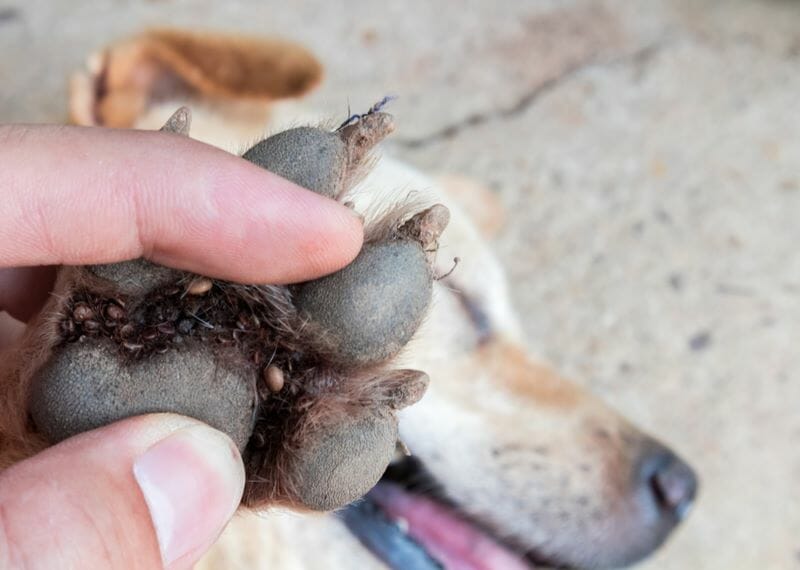
Image Source: smithspestmanagement.com
Deciphering the Tick Invasion: What’s Drawing Them In?
It can be incredibly frustrating to find your yard becoming a haven for ticks. You might wonder, “Why are there so many ticks in my yard?” The answer isn’t a single one, but rather a mix of environmental conditions and the natural behaviors of these tiny arachnids. Understanding these causes is the first step to effective tick control and reclaiming your outdoor spaces.
Fathoming Tick Habitat: The Perfect Environment
Ticks are not just randomly appearing; they seek specific conditions to thrive. Your yard might be providing exactly what they need.
Preferred Tick Habitats
Ticks love certain types of environments. If your yard contains these elements, it’s a prime tick habitat:
- Leaf Litter: Piles of fallen leaves provide a moist, protected environment where ticks can hide, overwinter, and wait for a host.
- Tall Grass and Weeds: Unmowed areas with overgrown grass and weeds offer cover and a place for ticks to cling to passing animals or people.
- Wooded Areas and Shrubbery: The edges of your property that border wooded areas or have dense shrubs are especially attractive to ticks. These provide shade, moisture, and are often pathways for tick-carrying animals.
- Moisture: Ticks need humidity to survive. Damp soil, shaded areas, and consistent moisture create ideal conditions.
The Role of Hosts: Who’s Feeding the Ticks?
Ticks need to feed on the blood of animals to complete their life cycle. The presence of certain animals in and around your yard significantly contributes to a tick infestation.
Common Tick Hosts
- Deer: These are a major host for adult blacklegged ticks, also known as deer ticks. A single deer can transport hundreds of ticks.
- Small Mammals: Rodents like mice, voles, and chipmunks are crucial hosts for immature ticks (larvae and nymphs). These small animals are often abundant in suburban and rural yards.
- Birds: Many bird species carry ticks, and they can introduce them to new areas.
- Pets: Dogs and cats can bring ticks into your home after spending time outdoors, and can also serve as hosts themselves.
Identifying the Culprits: What Kinds of Ticks Are You Seeing?
Knowing which types of ticks are present can help tailor your tick control strategy. The most common and concerning tick in many regions is the deer tick, also known as the blacklegged tick.
The Blacklegged Tick (Deer Tick)
- Appearance: Adult females are reddish-brown with black legs and a black shield behind their heads. Males are darker. Nymphs are very small, about the size of a poppy seed, and are tan or brown.
- Activity: Blacklegged ticks are active in the spring and fall, with nymphs most active in late spring and summer.
- Disease Risk: These ticks are known carriers of several serious tick-borne diseases, including Lyme disease.
Other Tick Species
Depending on your geographic location, you might encounter other tick species like the American dog tick or the Lone Star tick, each with its own host preferences and disease transmission capabilities.
Tackling the Tick Problem: Effective Solutions and Prevention
Once you’ve identified the causes, you can implement strategies for tick control and pest prevention to make your yard less inviting to these pests.
Yard Maintenance for Tick Control
Proper yard maintenance is one of the most effective ways to reduce tick populations.
Key Yard Maintenance Practices
- Mow Regularly: Keep your grass mowed short. This reduces the habitat available for ticks and makes it harder for them to climb onto blades of grass to quest for hosts. Aim for mowing at least once a week during peak growing seasons.
- Clear Leaf Litter and Debris: Rake up fallen leaves, especially around the edges of your yard, near wooded areas, and under shrubs. Remove brush piles and keep garden beds tidy.
- Create a Barrier: If your yard borders a wooded area, consider creating a barrier. This could involve a mulch or gravel strip at least 3 feet wide between the lawn and the woods. This makes it difficult for ticks to travel from the woods into your yard.
- Trim Shrubs and Branches: Keep shrubs trimmed back from your house and pathways. Trim low-hanging branches of trees that could act as bridges for ticks to move onto your property.
- Remove Seed Heads: Mow before tall grasses and weeds go to seed. This helps reduce the overall growth of tick habitat.
Eliminating Ticks: Targeted Approaches
Beyond general yard maintenance, you can take more direct steps to eliminate existing ticks.
Strategies for Tick Elimination
- Tick Tubes: These are cardboard tubes filled with permethrin-treated cotton. Mice and other small rodents collect this cotton to line their nests. The permethrin kills ticks on the rodents, breaking the tick life cycle. Place tick tubes around your property in late spring.
- Yard Sprays and Treatments: Various insecticides can be used to treat your yard. These are often applied by professional pest control services, but some DIY options are available. Focus treatments on the edges of your property, under shrubs, and in shady, moist areas where ticks are likely to be found. Always follow product instructions carefully.
- Natural Tick Repellents for the Yard: Some natural products, like essential oils (e.g., peppermint, cedarwood, garlic), are believed to repel ticks. These often require frequent reapplication and may be less effective than synthetic treatments, but they can be a good option for those seeking organic solutions.
Personal Protection: Keeping Yourself Safe
Even with yard treatments, personal protection is crucial.
Using Tick Repellents
- DEET-Based Repellents: Products containing DEET are highly effective at repelling ticks. Apply them to exposed skin and clothing.
- Picaridin and Oil of Lemon Eucalyptus: These are also effective alternatives to DEET.
- Permethrin-Treated Clothing and Gear: You can buy pre-treated clothing or treat your own outdoor gear with permethrin. Permethrin is a powerful insecticide that kills ticks on contact and is safe for fabric. It lasts through several washes.
- Tick Checks: After spending time outdoors, always perform a thorough tick check on yourself, your children, and your pets. Pay close attention to areas like the scalp, ears, armpits, groin, and behind the knees.
Managing Wildlife Hosts
Reducing the number of animals that carry ticks onto your property can significantly impact tick populations.
Wildlife Management Strategies
- Deer-Resistant Landscaping: If deer are a major problem, consider planting deer-resistant plants. This can make your yard less appealing to them.
- Secure Trash Cans: Properly seal trash cans to avoid attracting rodents and other animals that can carry ticks.
- Discourage Rodent Activity: Keep your yard free of debris that provides shelter for rodents. Consider natural rodent deterrents if necessary.
- Fence Strategically: If possible, fencing off parts of your yard, especially play areas, can provide a protective barrier.
The Impact of Climate and Weather
Environmental factors play a significant role in tick activity. Warmer winters and changing weather patterns can influence tick populations.
Seasonal Tick Activity
Ticks have different activity periods depending on the species and life stage.
- Spring: Nymphs and adult ticks become active as temperatures rise.
- Summer: Nymphs remain active, and larval ticks may start to appear.
- Fall: Adult ticks, particularly female deer ticks, are actively seeking hosts for their final blood meal before laying eggs.
Weather’s Influence
- Moisture: Ticks thrive in humid conditions. Periods of rain followed by warm weather can lead to increased tick activity.
- Temperature: Extreme heat can drive ticks deeper into the soil or under leaf litter, reducing their activity. Mild winters can allow more ticks to survive.
Protecting Your Family and Pets
The primary concern with ticks is the potential for transmitting tick-borne diseases.
Tick-Borne Diseases
- Lyme Disease: The most common tick-borne illness in many areas, transmitted by blacklegged ticks. Symptoms can include fever, headache, fatigue, and a characteristic rash.
- Anaplasmosis, Ehrlichiosis, Babesiosis: Other diseases carried by ticks that can cause flu-like symptoms and more serious complications.
- Pet Health: Ticks can also transmit diseases to pets, such as Lyme disease, Rocky Mountain Spotted Fever, and ehrlichiosis.
Preventative Measures for Pets
- Veterinary-Approved Tick Preventatives: Use monthly topical treatments, oral medications, or collars recommended by your veterinarian.
- Regular Tick Checks on Pets: Just like with humans, check your pets for ticks after they’ve been outside.
When to Call the Professionals
While many tick control measures can be handled DIY, some situations warrant professional help.
Professional Tick Control Services
- Severe Infestations: If you have a significant tick infestation that you cannot manage yourself.
- Difficult-to-Treat Areas: Properties with extensive wooded areas or challenging terrain.
- Expert Application: Professionals have access to more potent treatments and the expertise to apply them safely and effectively.
- Integrated Pest Management (IPM): Many companies offer IPM plans that combine various strategies for comprehensive tick control.
Frequently Asked Questions About Yard Ticks
Q1: How often should I mow my lawn to prevent ticks?
A1: It’s best to mow your lawn at least once a week, especially during the spring and summer when ticks are most active. Keeping the grass short reduces tick habitat.
Q2: Are there any natural ways to get rid of ticks in my yard?
A2: Yes, natural methods include keeping your yard clean of leaf litter and debris, mowing regularly, using tick tubes with permethrin-treated cotton (which targets rodents that carry ticks), and employing certain essential oils as deterrents. However, natural methods may require more frequent application and might not be as effective as chemical treatments for severe infestations.
Q3: Can ticks survive the winter?
A3: Yes, ticks can survive the winter. They typically overwinter in leaf litter, tall grass, and other sheltered areas. Mild winters can lead to higher tick survival rates.
Q4: What is the best time of year to treat my yard for ticks?
A4: The best times to treat your yard are in the spring, as soon as temperatures consistently reach above 45°F (7°C), and again in the fall. These periods target the most active life stages of ticks.
Q5: How can I make my yard less attractive to deer, which carry ticks?
A5: You can make your yard less attractive to deer by planting deer-resistant plants. Additionally, removing potential food sources like fallen fruit and ensuring that trash cans are securely lidded can help. Fencing can also be effective, but deer can jump over fences that are not tall enough.
Q6: What are the main causes of a tick infestation?
A6: The main causes of a tick infestation are the presence of suitable tick habitat (leaf litter, tall grass, wooded areas, moisture), and the availability of hosts like deer, rodents, and birds that bring ticks onto your property.
Q7: How do I know if I have a tick infestation?
A7: You might have a tick infestation if you frequently find ticks on yourself, your pets, or notice an unusual number of ticks crawling on surfaces in your yard, especially near the edges of wooded areas or in tall grass.
Q8: Are tick repellents safe for my children and pets?
A8: Repellents containing DEET, picaridin, and oil of lemon eucalyptus are generally safe for children when used according to label instructions. For pets, it’s crucial to use products specifically formulated for them, as some human repellents can be toxic. Always consult your veterinarian regarding pet safety.
Q9: What’s the difference between deer ticks and other ticks?
A9: Deer ticks, also known as blacklegged ticks, are particularly concerning because they are the primary carriers of Lyme disease. They are typically smaller than other common ticks like the American dog tick and have distinct reddish-brown coloring with black legs.
Q10: What are the best tick repellents to use on clothing?
A10: Permethrin-treated clothing or gear is highly effective. You can also use insect repellents containing DEET or picaridin on your clothing. Always check product labels for specific usage instructions.