
Seeing mushrooms sprout in your yard can be surprising. You might wonder: “What are these mushrooms and why are they here?” Mushrooms are the fruiting bodies of fungi that live underground. They appear when conditions are just right, often indicating a healthy, albeit sometimes damp, ecosystem in your soil. This article will help you identify common lawn mushrooms, explain why they appear, and offer advice on managing them as part of your overall lawn care strategy.
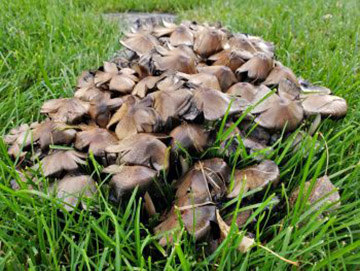
Image Source: organolawn.com
Fathoming the Reasons for Lawn Fungi
The presence of mushrooms, or lawn fungi, in your grass isn’t usually a sign of a diseased lawn, but rather a symptom of your lawn’s environment. They are the visible part of a much larger organism living within your soil. These fascinating organisms play a vital role in breaking down organic material, which is essential for a healthy soil structure. However, their appearance can be unsightly and sometimes confusing for homeowners.
The Role of Soil Conditions
Soil conditions are the primary driver behind fungal growth. Mushrooms thrive in environments that are rich in organic matter and have a certain level of moisture.
- Organic Matter: This is the food source for fungi. Dead grass clippings, fallen leaves, thatch (a layer of dead and living plant material), and even dead roots all contribute to the organic material in your soil. When these materials are present in abundance, they provide an ideal environment for fungi to flourish. Think of it like a pantry for the underground fungal network.
- Soil pH: While not as critical as moisture and organic matter for most common lawn mushrooms, some fungi prefer slightly acidic or alkaline soils. Most turfgrasses prefer a slightly acidic to neutral pH, which often aligns with the preferences of many beneficial soil fungi.
- Compaction: Compacted soil restricts air and water movement, which can create anaerobic (low oxygen) conditions. Some fungi can tolerate or even thrive in these less-than-ideal conditions for grass.
The Impact of Excessive Moisture
One of the most significant factors contributing to fungal growth in grass is excessive moisture. Mushrooms are essentially little umbrellas designed to release spores, and they need water to do so effectively.
- Rainfall and Irrigation: Periods of heavy rain or over-watering can saturate the soil. This provides the consistent moisture that fungi need to produce mushrooms. Even a well-maintained lawn can experience mushroom outbreaks after prolonged wet spells.
- Poor Drainage: If your lawn has areas that don’t drain well, water can pool, creating a consistently damp environment. This is a prime location for mushrooms to appear.
- Shade: Shady areas of your lawn tend to stay damp for longer periods because they receive less direct sunlight and air circulation to dry them out. This can encourage mushroom growth.
Decaying Organic Matter: The Fungal Buffet
The most common trigger for mushroom appearance is the presence of decaying organic matter. This is the primary food source for the underground fungal networks.
- Thatch Buildup: A thick layer of thatch can harbor moisture and provide a rich substrate for fungi to decompose. If thatch is not managed properly, it can lead to widespread mushroom outbreaks.
- Buried Wood: Sometimes, old tree stumps, buried branches, or even construction debris containing wood can be present underground. As these materials slowly decay, they release nutrients that fungi love, leading to mushroom growth.
- Animal Waste: While less common for large mushroom outbreaks, droppings from pets or wildlife can also contribute organic material that fungi will decompose.
Identifying Common Lawn Mushrooms
While it’s tempting to focus on the mushrooms themselves, remember they are just the visible sign of the fungus living below. Mushroom identification is complex, and many species look similar. It’s crucial to know that you should never eat wild mushrooms unless you are an expert identifier, as many are poisonous. For lawn mushrooms, the focus is less on edibility and more on their association with lawn health.
Here are some common lawn mushrooms and what their presence might indicate:
Fairy Rings
One of the most recognizable mushroom phenomena is the “fairy ring.” This is a circle or arc of mushrooms that appears in the lawn.
- How They Form: Fairy rings are created by a growing circular mycelial (the main body of the fungus) network in the soil. As the fungus consumes nutrients at the outer edge of its growth, it produces mushrooms. The grass within the ring can sometimes be darker green and grow more vigorously due to the nutrients released by the fungus, or it can become stressed and brown if the fungus depletes the soil’s resources.
- Common Species: Fairy rings can be caused by various species of fungi, including Marasmius oreades (the common fairy ring mushroom) and Agaricus species.
Other Common Lawn Mushrooms
Beyond fairy rings, you’ll see various other types of mushrooms popping up.
| Mushroom Type | Appearance | What It Means |
|---|---|---|
| Button Mushrooms | Small, white to tan, cap and stem structure. | Often associated with buried organic matter, like wood chips or compost. |
| Inky Caps | Small, bell-shaped, often turn black and dissolve into an inky liquid. | Thrive in moist conditions and on decaying organic material, including thatch and manure. |
| Puffballs | Round or pear-shaped, varying in size, with no distinct stem. | Indicate rich soil and decomposing organic matter. Generally harmless, though large ones can smother grass. |
| Coprinus | Similar to Inky Caps, known for autodigestion (turning into ink). | Prefer moist, nutrient-rich soil. Can be an indicator of healthy soil decomposition processes. |
| Boletes | Have pores instead of gills under the cap, often stocky. | Some species indicate beneficial mycorrhizal fungi associating with tree roots nearby, others decompose wood. |
Why Mushrooms Appear in Certain Areas
You might notice mushrooms concentrated in specific spots in your yard. This is directly related to localized soil conditions and decaying organic matter.
- Underneath Trees: Areas around trees, especially deciduous ones, often have more leaf litter and root debris, providing ample food for fungi.
- Around Stumps: If you’ve removed a tree, the buried stump can be a long-term food source for fungi, leading to mushrooms appearing for years.
- Areas of Thatch Buildup: Densely thatched areas retain moisture and offer a rich source of decomposing material.
- Low-Lying, Poorly Draining Spots: These areas naturally stay wetter, creating ideal conditions for fungal fruiting.
Managing Mushrooms in Your Lawn
While most lawn fungi are harmless to your grass and are a sign of a healthy soil ecosystem, you might want to remove them for aesthetic reasons or if they become a nuisance. It’s important to remember that removing the mushrooms themselves doesn’t eliminate the fungus from your soil. The mycelium remains, and mushrooms will likely reappear under favorable conditions.
Mushroom Removal: Practical Steps
The most straightforward way to deal with mushrooms is physical removal.
- Hand-Pulling: The simplest method is to simply pick the mushrooms by hand. Try to get the entire mushroom, including the base, to prevent it from resprouting quickly. Wear gloves if you are unsure of the species or prefer not to touch them.
- Shoveling: For larger outbreaks or if you prefer not to touch them, a spade or shovel can be used to carefully dig out the mushrooms and their shallow root structures.
- Raking: Gently raking the lawn can help dislodge and collect small mushrooms. Be careful not to damage the grass blades.
Addressing the Root Causes
To reduce the frequency of mushroom growth, it’s more effective to address the underlying issues that encourage them. This is where good lawn care practices come into play.
- Manage Thatch: Regularly dethatch your lawn, especially if you notice significant thatch buildup. This removes the layer of decaying organic matter that fungi feed on.
- Improve Drainage: Aerate compacted areas of your lawn to improve air and water circulation. If drainage is persistently poor, consider amending the soil with compost or sand, or even regrading the area.
- Water Wisely: Avoid over-watering. Water your lawn deeply but infrequently, allowing the soil to dry out slightly between waterings. Water in the morning so that grass blades have time to dry before nightfall.
- Clean Up Debris: Regularly rake up fallen leaves, grass clippings, and other organic debris. This reduces the available food sources for fungi.
- Address Buried Wood: If you suspect buried wood is the cause, you may need to excavate the area to remove it. This is often a long-term solution for persistent mushroom problems.
Chemical Treatments (Use with Caution)
Chemical fungicides are rarely necessary or recommended for mushroom control in lawns.
- Why They Are Not Ideal: Mushrooms are the fruiting bodies of fungi that are largely beneficial to soil health. Blanket application of fungicides can harm these beneficial organisms and disrupt the soil ecosystem. Furthermore, fungicides are typically only effective against the visible mushrooms and do not eliminate the underground mycelium.
- When to Consider: If the mushrooms are causing a significant aesthetic issue or are a specific type known to damage turf (though this is rare for most common lawn mushrooms), a targeted fungicide might be considered. However, it’s always best to consult with a local lawn care professional or horticulturalist before resorting to chemical treatments.
The Life Cycle of Mushrooms and Spores
Understanding how mushrooms reproduce is key to comprehending why they appear.
The Invisible Mycelium
The mushroom you see is only a tiny part of the fungus. The main body is a network of fine, thread-like filaments called mycelium, which lives within the soil. This mycelium spreads out, breaking down organic matter and absorbing nutrients.
The Role of Mushroom Spores
When conditions are right (moisture, temperature, food), the mycelium produces mushrooms. The primary purpose of the mushroom is to produce and disperse mushroom spores.
- Spore Dispersal: Spores are like the seeds of fungi. They are incredibly tiny and are released from the gills, pores, or other spore-bearing surfaces on the underside of the mushroom cap. They can be carried by wind, water, insects, or even the soles of your shoes to new locations.
- Germination: If spores land in a suitable environment with the right moisture, temperature, and food source, they will germinate and start to grow new mycelium. This is how fungi spread and why you might see mushrooms appear in new areas of your lawn.
Frequently Asked Questions (FAQ)
Q1: Are the mushrooms in my lawn dangerous to my pets or children?
A: While many common lawn mushrooms are non-toxic, it’s impossible to be certain without expert identification. It’s always best to err on the side of caution. Keep pets and children away from mushrooms and discourage them from touching or eating them. If you suspect ingestion, contact your veterinarian or a poison control center immediately.
Q2: Can I eat the mushrooms growing in my lawn?
A: Absolutely not. Unless you are a trained mycologist and can positively identify the species as edible, do not attempt to eat any mushrooms found in your lawn. Many poisonous mushrooms mimic edible ones, and the consequences can be severe.
Q3: Will mushrooms kill my grass?
A: Most common lawn mushrooms are decomposers and do not directly harm healthy grass. In fact, their presence can indicate a healthy soil ecosystem. However, very large fairy rings or certain types of fungal disease (which are different from the mushrooms themselves) can stress or damage turf.
Q4: How can I prevent mushrooms from growing in my lawn?
A: Prevention focuses on good lawn care practices: manage thatch, improve drainage, water appropriately, and remove decaying organic debris. Reducing the food source and the excess moisture will make your lawn less inviting to lawn fungi.
Q5: Is there a specific time of year when mushrooms are more common?
A: Mushrooms typically appear after periods of consistent rainfall and when temperatures are moderate. In many regions, this means late summer and fall are peak seasons. However, they can appear anytime conditions are favorable, including spring or even after heavy summer thunderstorms.
Q6: What are fairy rings?
A: Fairy rings are circular or arc-shaped patterns of mushrooms that appear in lawns. They are caused by the outward growth of underground fungal mycelium, which consumes nutrients in the soil.
Q7: If I remove the mushrooms, will the fungus disappear?
A: Removing the visible mushrooms (the fruiting bodies) will not eliminate the entire fungal organism, which exists as an underground network of mycelium. Mushrooms will likely reappear if the soil conditions remain favorable. Long-term management involves addressing the underlying causes like thatch and moisture.
Conclusion: Embracing the Fungal Aspect of Your Lawn
Seeing mushrooms in your lawn is a natural occurrence, often a testament to a healthy soil ecosystem that’s actively decomposing organic matter. While they might not be the most aesthetically pleasing element of your yard, they usually aren’t a cause for alarm. By understanding the role of soil conditions, excessive moisture, and decaying organic matter, you can better manage their appearance. Focusing on sound lawn care practices like thatch management, proper watering, and debris cleanup will help keep your lawn healthy and can reduce the frequency of these fascinating, yet sometimes perplexing, lawn fungi. Remember, the goal isn’t always to eliminate them entirely, but to create an environment where your grass thrives alongside these natural decomposers.