
Are you seeing mushrooms popping up in your grass? This is a common lawn concern, and yes, it’s usually a sign of something happening beneath the surface. The mushrooms you see are the fruiting bodies of a larger fungal organism living in your soil.
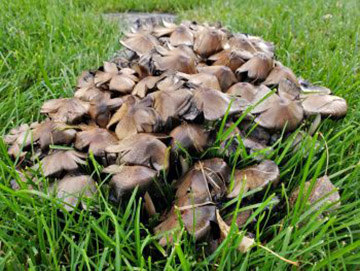
Image Source: organolawn.com
Deciphering Lawn Mushrooms: What They Mean
Mushrooms in your lawn are a natural part of a healthy ecosystem, indicating that beneficial fungi are at work breaking down organic matter. However, their appearance can be unsightly and sometimes concerning. They are a visible sign of lawn fungus, which thrives under specific conditions.
The Role of Fungi in Your Lawn
Think of fungi like tiny decomposers. They are essential for breaking down dead plant material, such as fallen leaves, thatch, and even dead grass roots. This process returns nutrients to the soil, which can ultimately benefit your grass. The mushrooms in grass are simply the reproductive structures of these underground fungi.
Fathoming the Causes of Lawn Mushrooms
Several factors contribute to the appearance of mushrooms in your yard. Pinpointing the specific causes of lawn mushrooms is key to managing them effectively.
Decaying Organic Matter Lawn
One of the primary drivers for mushroom growth is the presence of decaying organic matter lawn. This includes:
- Thatch Buildup: A thick layer of dead grass and roots between the soil surface and the green blades.
- Buried Debris: Old roots, twigs, leaves, or even pet waste that hasn’t fully decomposed.
- Compost or Mulch: If these materials are placed directly on the lawn and are rich in organic content, they can fuel fungal growth.
When these organic materials break down, they provide a food source for the fungi that produce mushrooms.
Soil Conditions for Mushrooms
The soil conditions for mushrooms are generally favorable when the soil is:
- Moist and Humid: Fungi require moisture to grow and reproduce.
- Rich in Organic Matter: As mentioned, this is their food source.
- Shaded or Dappled Sunlight: Many fungi prefer cooler, damper conditions, so shadier areas can encourage their growth.
- Compacted Soil: Compacted soil can retain excess moisture, creating an ideal environment for fungi.
Wet Lawn Mushrooms
Wet lawn mushrooms are a common sight, especially after periods of heavy rain or prolonged dampness. Excessive moisture is a critical ingredient for fungal growth. This can be due to:
- Poor Drainage: Water pooling on the surface or remaining saturated in the soil.
- Overwatering: Watering your lawn too frequently or for too long.
- Shady Areas: Areas that don’t dry out as quickly due to lack of direct sunlight.
- Heavy Clay Soil: Clay soils tend to hold more water than sandy soils.
Nutrient Imbalances
While fungi are natural, an overabundance of certain nutrients, particularly nitrogen, can sometimes encourage their proliferation. If you’ve recently over-fertilized, this could be a contributing factor.
The Intriguing Phenomenon of Fairy Rings
You might have noticed mushrooms forming in a circular pattern. This is often referred to as fairy rings.
What are Fairy Rings?
A fairy ring is a circle or arc of mushrooms that appears in a lawn. These rings are caused by a single fungal organism growing outwards from a central point underground. As the fungus consumes the organic matter in the soil, it spreads outwards in a circular fashion. The mushrooms you see are the reproductive parts of this underground network, often appearing after rain or when the soil is moist.
How Fairy Rings Form
The fungal mycelium (the underground network of the fungus) grows radially outwards from a starting point. As it expands, it consumes the nutrients in the soil. In some cases, the outer edge of the ring might appear as a darker green, more vigorous growth of grass (due to the nutrients released by the fungus), while the center might be weakened or even dead if the fungus is pathogenic. The mushrooms typically appear at the active edge of the fungal growth.
Identifying Lawn Mushrooms: A Visual Guide
Identifying lawn mushrooms can be challenging, as there are thousands of species. However, for the purpose of lawn management, it’s less about identifying the exact species and more about recognizing the conditions that promote their growth.
Common Mushroom Shapes and Colors
Mushrooms in lawns come in a variety of shapes and sizes:
- Classic Cap and Stem: The most familiar form, like toadstools.
- Puffballs: Spherical or pear-shaped structures that release spores when mature.
- Bracket Fungi: Shelf-like structures that grow on dead or decaying wood buried in the soil.
Colors can range from white, cream, and brown to vibrant reds and oranges.
Differentiating Between Beneficial and Problematic Fungi
It’s important to distinguish between fungi that are simply decomposing organic matter and those that might be actively harming your grass (pathogenic fungi).
- Beneficial Fungi: Often appear as individual mushrooms or clusters in areas with ample decaying material. They don’t typically cause damage to healthy grass.
- Pathogenic Fungi: Can cause various lawn diseases, leading to brown patches, wilting, or discolored areas. Mushrooms associated with these can be a secondary symptom.
Table 1: Common Lawn Fungal Associations
| Fungal Type | Common Signs | Mushroom Appearance | Impact on Lawn |
|---|---|---|---|
| Decomposers | Thriving in thatch, shaded areas, after rain. | Various shapes (caps, puffballs). | Generally beneficial, breaks down organic matter. |
| Fairy Ring Fungi | Circular patterns of mushrooms, sometimes with darker green grass. | In a ring or arc, various types. | Can indicate a large underground mycelial network. |
| Pathogenic Fungi | Brown patches, yellowing, wilting, thinning grass, sometimes thatch decay. | Less specific, can be various types. | Can cause significant lawn damage and disease. |
Mushroom Control in Lawns: Effective Strategies
Managing mushrooms in your lawn involves addressing the underlying causes rather than just removing the visible fruiting bodies. Here’s a breakdown of effective mushroom control in lawns.
Addressing Soil Conditions for Mushrooms
The most effective long-term solution is to alter the soil conditions for mushrooms to make them less hospitable.
1. Reduce Thatch Buildup
- Dethatching: Aerate your lawn regularly, especially in spring and fall. This physically removes the thatch layer, depriving fungi of a food source and improving air and water circulation.
- Core Aeration: This process pulls out plugs of soil, which helps break up thatch and improve drainage.
2. Improve Drainage
- Avoid Overwatering: Water your lawn deeply but infrequently. Allow the soil to dry out slightly between waterings.
- Check Soil Compaction: If your soil is heavily compacted, consider aeration.
- Amend Soil (if necessary): For very heavy clay soils, incorporating organic matter like compost can improve drainage over time. However, be mindful that adding too much organic matter without proper dethatching can initially feed fungi.
3. Manage Organic Matter
- Rake Leaves Promptly: Don’t let large piles of leaves sit on your lawn.
- Remove Debris: Regularly clear away twigs, dead grass clippings, and any other organic debris.
- Proper Mowing: Keep your mower blades sharp and set to the appropriate height. Mulching mower clippings can be beneficial if done in moderation, but excessive clippings can contribute to thatch.
Physical Removal of Mushrooms
While not a long-term solution, removing visible mushrooms can prevent spore dispersal and improve the lawn’s appearance.
- Hand-Picking: Simply pick the mushrooms and discard them in a bag.
- Mowing: If mushrooms are small and you’re mowing anyway, the mower will typically break them up. However, this can spread spores, so it’s not ideal for controlling widespread issues.
Chemical Treatments (Use with Caution)
Chemical fungicides can be used, but they are often a short-term fix and can sometimes harm beneficial soil organisms. They are typically recommended for severe cases of fungal disease rather than just the occasional mushroom.
- Fungicides: If you suspect a pathogenic fungal disease is present, identify the specific disease and use a targeted fungicide. Always follow label instructions carefully.
- Fertilizers: Avoid over-fertilizing, especially with high-nitrogen formulas, as this can sometimes encourage fungal growth.
Natural and Mechanical Solutions
- Sunlight: Increase sunlight exposure if possible by pruning trees or shrubs that cast excessive shade.
- Soil Aeration: As mentioned, this is crucial for improving soil health and reducing moisture retention.
- Topdressing with Sand: In areas with poor drainage due to heavy clay, a light topdressing of coarse sand after aeration can help improve water infiltration.
Is it Harmful to Walk on Mushrooms?
Generally, walking on mushrooms in grass is not harmful to your lawn, nor does it pose a significant risk to people or pets unless the specific mushroom is poisonous and ingested. The main concern with mushrooms in lawns is what they signify about the underlying soil conditions.
Can I Eat Lawn Mushrooms?
Absolutely not! It is extremely dangerous to eat mushrooms found in your lawn. Many common lawn mushrooms are poisonous and can cause severe illness or even death. Even if a mushroom looks similar to an edible variety, the risks of misidentification are too high. Always assume that any mushroom growing in your lawn is toxic.
How to Prevent Future Mushroom Growth
Prevention is always better than cure when it comes to lawn care.
Maintaining a Healthy Lawn
The best defense against unsightly mushrooms is a healthy lawn.
- Proper Watering Practices: Deep and infrequent watering encourages strong root growth and reduces surface moisture, which fungi love.
- Regular Fertilization (Balanced): Feed your lawn with balanced fertilizers at the appropriate times of the year to promote strong, dense grass growth.
- Consistent Mowing: Maintain the correct mowing height for your grass type. Taller grass shades the soil, helping to retain moisture, but very short grass can stress the turf and make it more susceptible to fungal issues.
- Regular Aeration and Dethatching: These are vital for good soil health and preventing the conditions that fungi thrive in.
Specific Prevention Tips
- Clean Up Debris: Be diligent about raking leaves and removing any other organic debris from your lawn.
- Address Shady Areas: If certain areas are consistently damp and shaded, consider improving air circulation by pruning surrounding trees and shrubs, or perhaps planting shade-tolerant ground cover in very difficult spots.
- Improve Soil Drainage: If you have persistent drainage issues, explore options like installing French drains or amending the soil to improve its structure.
Frequently Asked Questions (FAQ)
Q1: Why are there so many mushrooms in my lawn after it rains?
A: Rain provides the moisture that fungi need to grow and produce mushrooms. If your lawn also has decaying organic matter and favorable soil conditions, the rain acts as a trigger for mushroom formation.
Q2: Do mushrooms hurt my grass?
A: Most mushrooms found in lawns are saprophytic, meaning they feed on dead organic matter. They generally don’t harm healthy grass. However, if mushrooms appear alongside significant patches of dead or dying grass, it could indicate a pathogenic fungal disease, which does harm your lawn.
Q3: What does a fairy ring look like?
A: A fairy ring typically appears as a circle or arc of mushrooms in the grass. Sometimes, the grass within the ring might be a darker, more vigorous green due to the nutrients released by the fungus, or it may be brown and dead in the center if the fungus is particularly aggressive.
Q4: Is it okay to leave mushrooms in the lawn?
A: It’s generally okay to leave them if you’re not bothered by their appearance and they aren’t associated with lawn disease. Removing them will not stop the underlying fungal growth, but it can prevent spore dispersal and improve aesthetics.
Q5: How can I get rid of mushrooms permanently?
A: You can’t necessarily get rid of fungi permanently, as they are a natural part of soil. However, you can significantly reduce mushroom growth by managing the conditions that promote them: reduce thatch, improve drainage, remove organic debris, and maintain a healthy lawn.
Q6: Can I kill the fungus that causes mushrooms?
A: While you can use fungicides to kill specific fungi, it’s usually not practical or beneficial for long-term lawn health. Focus on creating an environment where fungi are less likely to produce mushrooms by improving soil health and managing organic matter.
Q7: What are the best soil conditions for mushrooms?
A: Mushrooms thrive in moist, humid soil rich in decaying organic matter. Compacted soil that retains excess moisture is also very conducive to fungal growth.
Q8: My lawn is constantly wet. What should I do about the mushrooms?
A: If you have a wet lawn mushrooms problem, focus on improving drainage. Aerate your lawn, check for compaction, and ensure you’re not overwatering. Addressing the excess moisture is crucial for controlling mushroom growth.
Q9: I see mushrooms growing on dead wood in my lawn. Is this bad?
A: If you have buried pieces of wood or stumps in your lawn, these will naturally decompose and provide a food source for fungi, leading to mushrooms. Removing the buried wood is the most effective way to prevent this.
Q10: How can I identify lawn mushrooms if I need to?
A: While precise identification can be tricky, focus on the conditions they appear in. Most lawn mushrooms are harmless decomposers. If you suspect a disease or are concerned about toxicity (especially if you have pets or children who might ingest them), consult a local extension office or a lawn care professional. Never taste a mushroom to identify it.
By implementing these strategies, you can transform your lawn from a mushroom haven into a lush, healthy green space. Remember, the presence of mushrooms is a clue to your lawn’s health, guiding you toward better soil management and care.