
Can you treat your whole yard for ants safely? Yes, you can treat your whole yard for ants safely by employing a combination of preventative measures, targeted treatments, and natural remedies, ensuring that methods are chosen with consideration for children, pets, and beneficial insects.
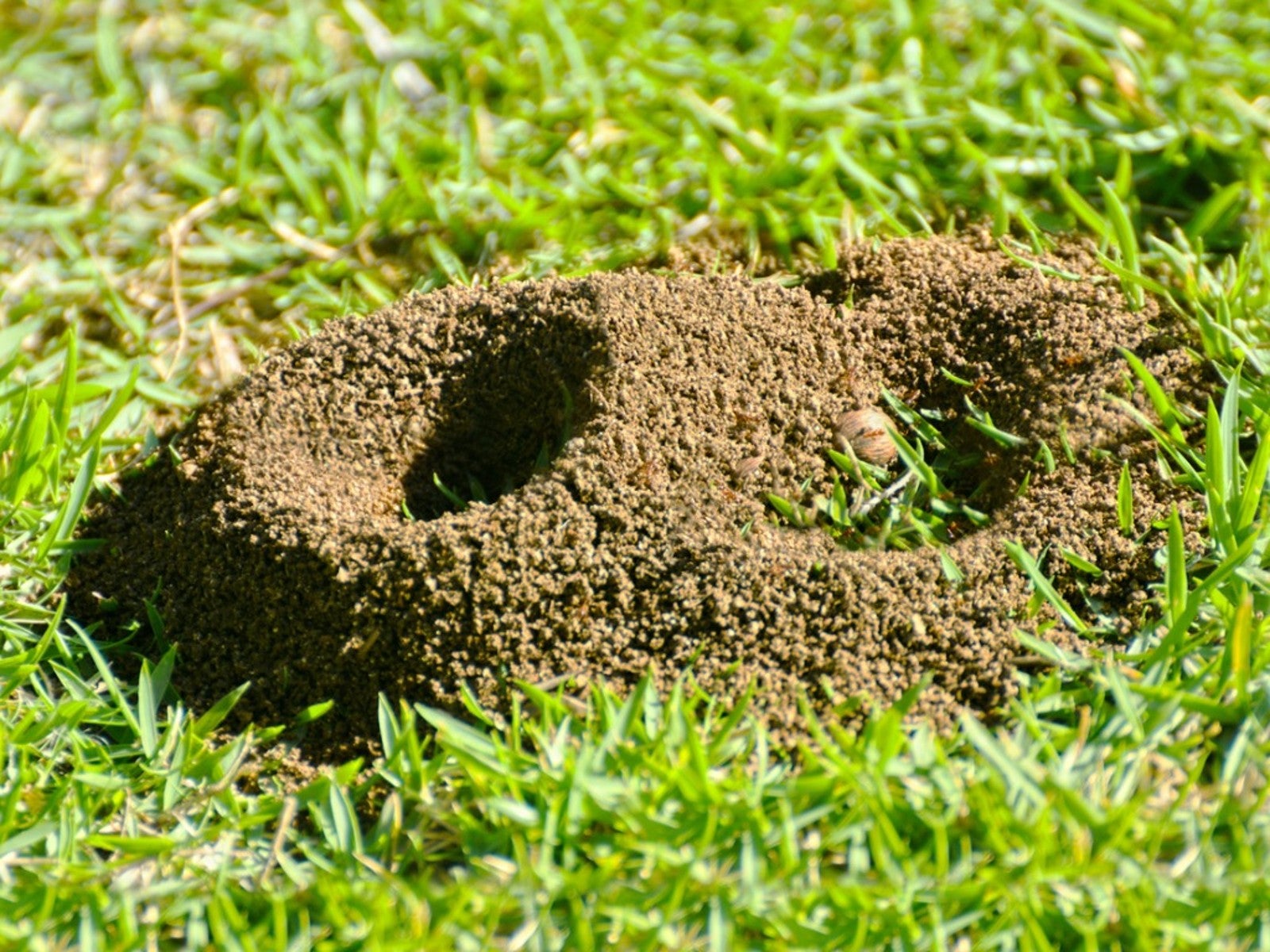
Image Source: cdn.mos.cms.futurecdn.net
Tackling Your Outdoor Ant Problems: A Comprehensive Guide to Yard Pest Management
Discovering ants marching across your lawn or building mounds in your garden can be frustrating. These tiny invaders, while often harmless in small numbers, can become a significant nuisance and even a sign of larger ecological imbalances when they form widespread outdoor ant problems. Effectively managing these pests requires a thorough approach to ant control and comprehensive yard pest management. This guide will equip you with the knowledge to safely and effectively eliminate ants from your entire yard.
Why Ants Invade Your Yard
Before we delve into treatment, it’s helpful to grasp why ants are drawn to your outdoor spaces. Ants seek food, water, and shelter. Your yard might offer a buffet of fallen fruit, spilled beverages, pet food, or even the honeydew produced by aphids. Water sources can be puddles after rain, leaky faucets, or even overly moist soil. Shelter is found in the form of soil for nesting, especially in well-drained areas, under rocks, or in decaying wood. Certain ant species, like carpenter ants, can also pose structural threats if they infest wooden elements of your home’s exterior.
Identifying Common Yard Ant Species
Knowing your enemy is half the battle. Different ant species have varying habits and require slightly different approaches. Some common culprits include:
- Odorous House Ants: Known for the distinct coconut-like smell they emit when crushed, these ants are common invaders of homes and yards. They forage for sweets and can often be found near aphid colonies.
- Pavement Ants: These small, dark brown to black ants typically nest under pavement cracks, sidewalks, and driveways, but will also build mounds in lawns. They are attracted to a wide range of foods.
- Carpenter Ants: These larger ants are wood-destroyers and can cause significant damage to wooden structures. While they primarily nest in dead or damp wood, they forage for food in yards. Identifying their trails is key to their control.
- Fire Ants: Famous for their painful sting, fire ants build distinctive, often large, mound-like nests. Their aggressive nature and potent venom make them a priority to address for safety.
Developing a Safe and Effective Ant Control Strategy
A successful ant control program involves more than just spraying. It requires a multi-pronged approach that addresses the source of the infestation and prevents future problems.
Step 1: Assessment and Inspection
The first crucial step is to locate the ant nests and identify the ant trails. Walk around your yard and look for:
- Ant Trails: Lines of ants moving in a specific direction, usually between a food source and their nest.
- Ant Mounds: Piles of soil or debris that indicate a nest.
- Food Sources: Spilled pet food, fallen fruit, bird feeders, or areas with high aphid populations on plants.
- Water Sources: Leaky hoses, standing water, or areas of constantly saturated soil.
Step 2: Implementing Targeted Treatments
Once you’ve identified the problem areas, you can implement targeted treatments. The goal is to eliminate the colony, not just the foraging ants you see on the surface.
Natural Ant Remedies
For those seeking to minimize chemical use, several natural ant remedies can be effective, especially for minor infestations or as a supplement to other methods.
- Vinegar Solution: A mixture of equal parts white vinegar and water can disrupt ant trails by destroying their scent markers. Spray it directly on trails and around nest entrances. Be cautious of spraying directly on plants, as vinegar can harm them.
- Diatomaceous Earth (Food Grade): This is a natural powder made from fossilized aquatic organisms. When ants come into contact with it, it scratches their exoskeleton, causing them to dehydrate and die. Sprinkle a thin layer around nest entrances, along ant trails, and in areas where ants are frequently seen. Ensure you use food-grade DE, which is safe for pets and humans when handled properly.
- Boiling Water: For visible ant mounds, pouring boiling water directly onto the nest can be an immediate, albeit sometimes temporary, solution. This method is best for small, contained mounds and should be done with extreme caution to avoid burns.
- Essential Oils: Certain essential oils, like peppermint, tea tree, and cinnamon oil, can act as ant repellents. Mix a few drops with water and spray around entry points or nest areas.
Ant Bait Stations: The Power of the Colony Kill
Ant bait stations are one of the most effective ways to eliminate an entire ant colony. The bait contains a slow-acting poison mixed with an attractant. Worker ants carry the poisoned bait back to the nest, feeding it to the queen and other colony members. This ensures the entire colony is eradicated, not just the ants you see.
- How to Use Ant Bait Stations Effectively:
- Placement: Place bait stations along active ant trails, near nests, and in areas where ants are frequently observed.
- Patience: It may take a few days to a week to see a significant reduction in ant activity as the bait is distributed throughout the colony.
- Don’t Spray Near Baits: Avoid spraying insecticides or repellents near bait stations, as this can deter ants from taking the bait.
- Replenish: As bait is consumed, replace the stations to ensure a continuous food source for the ants.
Liquid and Granular Insecticides
When dealing with more persistent or severe outdoor ant problems, liquid or granular insecticides may be necessary. However, it’s crucial to use these products safely and responsibly.
- Choosing the Right Product: Look for products specifically labeled for outdoor ant control and that list the ant species you are targeting.
- Application:
- Granules: Typically applied to lawns and around the foundation of your home. They are activated by water (rain or irrigation).
- Liquids: Can be used for barrier treatments around the perimeter of your home or directly on ant mounds.
- Safety Precautions:
- Read the Label Carefully: Always follow the instructions on the product label precisely.
- Protective Gear: Wear gloves, long sleeves, and pants during application.
- Timing: Apply when children and pets will not be in the treated area. Avoid applying during windy conditions to prevent drift.
- Watering: Water in granular products as directed to activate them and wash them into the soil, away from surface contact.
- Beneficial Insects: Be mindful that broad-spectrum insecticides can harm beneficial insects like pollinators. Consider targeted applications or products with lower toxicity to non-target organisms.
Step 3: Addressing Specific Infestations
Sometimes, you’ll encounter specific types of ant infestations that require tailored approaches.
Lawn Pest Treatment for Ants
If your lawn is heavily infested with ants, creating mounds or creating trails across the grass, a broadcast application of an insecticide specifically designed for lawn pest treatment can be effective.
- Granular Insecticides: These are often the preferred method for lawn treatments as they provide residual control and are less likely to be washed away by rain. Apply evenly with a spreader and water in as directed.
- Liquid Sprays: Can be used for immediate knockdown of surface ants, but may require repeat applications for lasting control.
Garden Ant Infestation Management
Garden ant infestation can be particularly problematic as ants can also be beneficial by aerating the soil. However, they can also protect aphid colonies, which damage plants.
- Targeting Aphids: Often, the best way to manage ants in the garden is to control the aphids they are farming. This can be done with insecticidal soap or neem oil, which are less harmful to ants than broad-spectrum pesticides.
- Barrier Treatments: Create barriers around vulnerable plants with diatomaceous earth or commercially available ant barriers.
- Baits: Placing ant bait stations strategically near but not directly on plants can draw ants away from your produce.
Carpenter Ant Control
Carpenter ants are a structural concern. Your approach should focus on locating and treating their nests, which are often in damp or decaying wood.
- Locate Nests: Look for sawdust-like frass (ant droppings) near wooden structures, windows, and doors.
- Direct Treatment: Injecting insecticidal dust or foam directly into galleries or entry points of their nests is the most effective method.
- Perimeter Treatments: Applying residual insecticides around the foundation of your home can create a barrier to prevent carpenter ants from entering.
Prevention: Keeping Ants Out for Good
The most effective ant control is prevention. Once you’ve eliminated existing infestations, focus on making your yard less inviting.
Yard Maintenance Practices
- Eliminate Food Sources: Clean up fallen fruit, seeds, and pet food promptly. Secure garbage cans with tight-fitting lids.
- Manage Water: Fix leaky faucets and hoses. Ensure proper drainage around your home to prevent standing water.
- Trim Vegetation: Keep tree branches and shrubs trimmed away from your house. Ants often use these as bridges to access your home.
- Mulch Wisely: Avoid piling mulch directly against the foundation of your house, as it can retain moisture and provide a nesting site for ants.
- Seal Entry Points: Inspect the exterior of your home for cracks and crevices and seal them to prevent ants from entering.
Beneficial Insects and Ecosystem Balance
Remember that ants play a role in the ecosystem. While you want to eliminate them from your living spaces, consider the impact of your ant control methods on other organisms.
- Beneficial Ants: Some ant species are predatory and can help control other pest insects.
- Pollinators: Many insecticides can harm bees and other pollinators. Choose targeted treatments and apply them during times when pollinators are least active (early morning or late evening).
- Natural Predators: Encourage natural predators of ants, such as birds, lizards, and other beneficial insects.
DIY Ant Control vs. Professional Services
Many homeowners opt for DIY ant control, and with the right knowledge and products, it can be very effective. However, for severe infestations, particularly those involving carpenter ants or fire ants, or if you’re unsure about the best approach, professional pest control services are a worthwhile investment. Professionals have access to more potent treatments and the expertise to apply them safely and effectively.
Safety First: Protecting Your Family and Pets
When treating your yard for ants, safety should always be your top priority.
- Read Labels: This cannot be stressed enough. Every pesticide product has specific instructions for safe handling and application.
- Keep Away from Children and Pets: Ensure children and pets are not in the treated area during application and until the product has dried or settled as per label instructions.
- Store Properly: Keep all pest control products out of reach of children and pets in their original containers.
- Spot Treatment: Where possible, opt for spot treatments on ant mounds or trails rather than broad applications across your entire yard. This minimizes exposure.
Frequently Asked Questions About Yard Ant Control
Q1: How quickly can I expect to see results after applying ant bait?
A1: You should start to see a reduction in foraging ants within 24-48 hours after placing bait stations. However, it can take anywhere from a few days to two weeks for the bait to be carried back to the colony and for the entire population, including the queen, to be eliminated.
Q2: Can I use ant bait stations on my lawn if I have pets?
A2: Yes, many ant bait stations are designed with child and pet-resistant features. Always choose products labeled as safe for use around pets when the label instructions are followed. Ensure stations are placed where pets cannot easily access or chew on them.
Q3: What is the best way to eliminate fire ants from my yard?
A3: Fire ants can be challenging. For immediate control of mounds, pouring boiling water directly onto the mound is an option, but it’s often temporary. More effective long-term solutions include granular baits specifically labeled for fire ants, which the colony ingests, or liquid drenches applied directly to the mound. Always follow label instructions carefully for fire ant treatments.
Q4: Will natural ant remedies work for a large infestation?
A4: Natural ant remedies can be effective for minor or moderate infestations, especially when used consistently. However, for extensive and persistent outdoor ant problems, they may not provide the same level of control as targeted chemical treatments, particularly in eliminating the colony’s queen. A combination approach often yields the best results.
Q5: How do I know if I need to call a professional exterminator?
A5: You might consider calling a professional if:
* You have a severe infestation that you cannot control with DIY methods.
* You suspect carpenter ants, as they can cause structural damage.
* You are dealing with fire ants and are concerned about their aggressive nature and painful stings.
* You are unsure about identifying the ant species or the best treatment approach.
* You have tried multiple methods without success.
By following these detailed steps and prioritizing safety, you can effectively manage and eliminate ants from your yard, ensuring a pest-free and enjoyable outdoor space.