
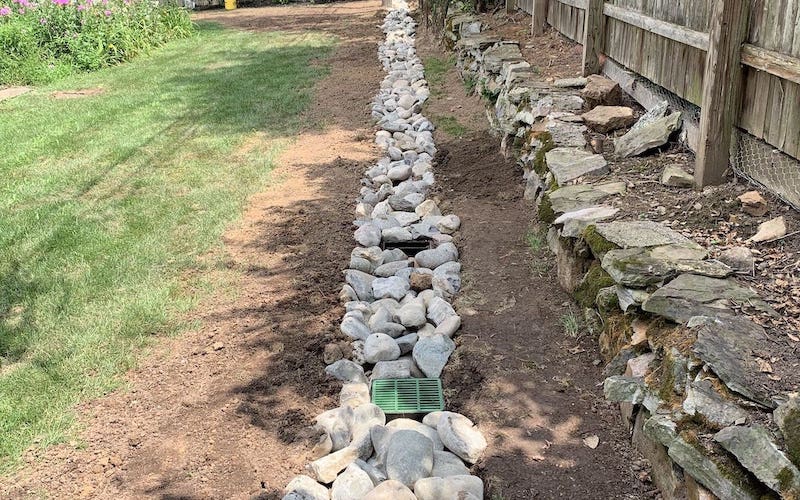
Image Source: hydroscapespa.com
How To Stop Yard From Flooding: Easy Tips & Drainage Solutions
Does water pool in your yard after a rainstorm? You can stop your yard from flooding by addressing the root causes of poor drainage. This often involves a combination of simple landscape adjustments and potentially more involved drainage solutions. This comprehensive guide will walk you through identifying why your yard floods and implementing effective strategies to keep your outdoor space dry and usable. We’ll cover everything from simple fixes to more robust water runoff management techniques, helping you prevent basement water intrusion and protect your property.
Why Does My Yard Flood? Deciphering the Causes
Yard flooding isn’t usually a mystery. Several common culprits contribute to water pooling and saturation. Fathoming these issues is the first step to finding the right solutions.
1. Soil Compaction
Over time, foot traffic, lawn equipment, and even natural settling can compact the soil in your yard. Compacted soil has very little space for air and water to penetrate. Instead of soaking into the ground, water sits on the surface, leading to puddles and potential flooding.
2. Poor Yard Grading
The way your yard is sloped, or graded, is crucial for drainage. If the ground slopes towards your house or low-lying areas, water will naturally collect there. Ideally, your yard should gently slope away from your home’s foundation to direct water safely into the street or a designated drainage area.
3. Insufficient Drainage Systems
Your yard might lack the necessary infrastructure to handle heavy rainfall. This could mean clogged gutters, downspouts that discharge water too close to the foundation, or simply no established drainage solutions to manage excess water.
4. Impermeable Surfaces
Patios, driveways, and other hardscape features prevent water from soaking into the ground. If these surfaces are not properly sloped or drained, they can channel water directly into your yard or foundation, exacerbating flooding issues.
5. Heavy Rainfall and Poor Soil Absorption
Sometimes, the problem isn’t just your yard, but the sheer volume of water. If your soil is already saturated or has a high clay content, it won’t absorb water quickly, leading to surface pooling.
6. Blocked Storm Drains or Culverts
If your property relies on nearby storm drains or culverts for drainage, blockages from debris like leaves, trash, or sediment can cause water to back up and flood your yard.
Simple Solutions for a Drier Yard
Before diving into major renovations, try these easy-to-implement tips to improve your yard’s drainage.
1. Clean Your Gutters and Downspouts
This is often the most overlooked but impactful step. Clogged gutters can’t direct water away from your house effectively.
- Frequency: Clean gutters at least twice a year, in spring and fall. More often if you have many trees.
- How-to:
- Use a sturdy ladder and wear gloves.
- Scoop out leaves, twigs, and debris.
- Flush the gutters with a hose to ensure they are clear and water flows freely to the downspouts.
- Check that downspouts are clear and not clogged with debris.
2. Extend Downspouts
Ensure your downspouts discharge water at least 5-10 feet away from your foundation. This prevents water from saturating the ground near your home, which is a primary cause of basement water issues.
- Options:
- Splash Blocks: Simple concrete or plastic blocks placed at the end of downspouts to spread water out.
- Downspout Extensions: Flexible or rigid pipes that carry water further from the house. Consider burying them if they are unsightly or a tripping hazard.
3. Aerate Your Lawn
Aeration creates small holes in the soil, allowing water, air, and nutrients to reach the root zone more easily. This helps improve soil permeability and reduce surface water.
- When to Aerate: Best done during the growing season for your grass type (spring or fall for cool-season grasses, summer for warm-season grasses).
- How to Aerate:
- Manual Aerator: For small yards, a manual spike aerator can be used.
- Core Aerator: For larger yards, rent a core aerator. It pulls out small plugs of soil, leaving them on the surface to break down.
4. Improve Soil Health
Healthy soil absorbs water better. Incorporating organic matter can significantly improve drainage.
- Add Compost: Spread a layer of compost over your lawn and garden beds. This enriches the soil and improves its structure.
- Amend Planting Beds: Mix compost or other organic matter into the soil before planting.
5. Rake and Remove Debris
Leaves, grass clippings, and other organic debris can create a barrier on the soil surface, preventing water from penetrating. Regularly rake your lawn and garden areas.
Intermediate Drainage Solutions for Persistent Flooding
If simple tips aren’t enough, you might need to implement more structured drainage solutions. These methods actively manage and redirect water.
1. Yard Grading and Regrading
Proper yard grading is fundamental to directing water away from your home. If your yard slopes incorrectly, you may need to adjust it.
- What is Yard Grading? It’s the process of shaping the land to ensure a gentle slope away from structures.
- DIY vs. Professional:
- DIY: For minor adjustments, you can use shovels and rakes to move soil, creating a gentle slope. Ensure the slope is at least 1 inch per foot for the first 6 feet away from your foundation.
- Professional: For significant grading issues or if you’re unsure, hire a landscaping contractor. They have the equipment and expertise to regrade your yard correctly.
2. French Drain System
A French drain is a trench filled with gravel and a perforated pipe that redirects groundwater away from problem areas. This is one of the most effective drainage solutions for persistent yard flooding and to prevent basement water.
- How it Works:
- A trench is dug, typically with a slight slope.
- Filter fabric is laid in the trench to prevent soil from clogging the system.
- A perforated pipe is placed in the trench, usually with the holes facing down.
- The trench is filled with washed gravel.
- The filter fabric is folded over the gravel.
- Installation Considerations:
- Placement: Identify where water is pooling and where you want to direct it (e.g., to a lower part of the yard, a storm drain, or a dry well).
- Depth and Width: Trenches are typically 1-2 feet deep and 1-2 feet wide.
- Slope: A slight slope (about 1-2% grade) is essential for gravity to move the water.
- Materials: Use high-quality, washed gravel and durable perforated pipe.
3. Channel Drains (Trench Drains)
These are linear drains installed in hardscape areas like driveways or patios to capture surface water before it can flow into your yard.
- Placement: Often installed at low points or where water tends to accumulate.
- Function: They collect surface water and channel it through a pipe to a suitable outlet.
- Benefits: Effective for managing runoff from impervious surfaces.
4. Dry Wells
A dry well is an underground pit filled with gravel or a manufactured container that collects and slowly absorbs surface water.
- How it Works:
- A hole is dug.
- A containment structure (like a large plastic bin with holes) or filter fabric-lined pit is placed inside.
- The well is filled with gravel.
- Water is directed into the dry well via pipes or a catch basin.
- Purpose: Ideal for collecting water from downspouts or French drains in areas where you can’t easily discharge it elsewhere.
5. Rain Barrels
While not a direct water runoff management system for the entire yard, rain barrels capture water from your downspouts, reducing the volume of water that flows onto your lawn. This collected water can be used for gardening.
6. Proper Irrigation
Overwatering can contribute to saturated soil and flooding.
- Smart Watering: Use sprinklers with rain sensors or smart controllers that adjust watering schedules based on weather.
- Watering Times: Water early in the morning to allow the soil to absorb water before the heat of the day.
Advanced Drainage Solutions for Significant Issues
For severe flooding or complex drainage problems, more robust solutions are often necessary. These may involve significant landscaping or construction.
1. Retaining Walls
In sloped yards, retaining walls can be used to create terraces and manage water flow. They can hold back soil, creating level areas and directing water to specific drainage points.
- Function:
- Prevent soil erosion on slopes.
- Create usable flat areas in hilly yards.
- Control the direction of water flow.
- Drainage Behind Walls: It’s crucial to install a drainage system (like a perforated pipe and gravel backfill) behind retaining walls to relieve hydrostatic pressure and prevent failure.
2. Rain Garden Design
A rain garden is a shallow depression in your yard planted with native, water-tolerant plants. It’s designed to collect and absorb rainwater runoff from roofs, driveways, and lawns, filtering pollutants and reducing the burden on storm drains.
- Key Elements of Rain Garden Design:
- Location: Choose a low-lying area or a spot where water naturally collects, but not directly against your foundation.
- Size and Shape: Varies depending on the amount of runoff and space available. Generally, larger gardens are more effective.
- Soil: Mix compost with the existing soil to improve drainage.
- Plant Selection: Use native plants that can tolerate both wet and dry conditions.
- Mulch: Apply a layer of mulch to retain moisture and suppress weeds.
- Inlet and Outlet: Consider how water will enter the garden and how excess water will exit if the garden becomes saturated.
3. Sump Pump Installation
A sump pump is a mechanical device installed in a sump pit (a hole dug in the lowest part of your basement or crawl space) to pump out water that accumulates there. This is a critical solution to prevent basement water intrusion.
- When is it Needed? If you experience persistent water in your basement or crawl space, a sump pump is often the most effective solution.
- How it Works:
- Water seeps into the sump pit.
- When the water level rises, it triggers a float switch.
- The pump activates and pushes the water out through a discharge pipe, away from your home.
- Types:
- Submersible Pumps: Placed directly in the sump pit, generally quieter and more durable.
- Pedestal Pumps: Motor is located above the pit, on a pedestal, making them easier to access but potentially louder.
- Backup Power: Consider a battery backup or generator for your sump pump, as power outages during storms can render it useless.
4. Permeable Paving
Consider replacing impervious surfaces like concrete or asphalt driveways with permeable pavers, gravel, or porous asphalt. These materials allow water to soak through, reducing surface runoff.
5. Grading for Drainage Swales
A drainage swale is a vegetated channel that intercepts and conveys surface water. It’s essentially a shallow, wide ditch designed to slow down and absorb water.
- Benefits:
- Reduces the velocity of water flow, minimizing soil erosion.
- Allows more time for water to infiltrate the soil.
- Can be an attractive landscape feature when planted with grass or ground cover.
Managing Water Runoff: A Holistic Approach
Effective water runoff management involves looking at your entire property and how water moves across it.
Key Principles:
- Slow Down Water: Anything that slows the movement of water gives it more time to soak into the ground. This includes using rain gardens, swales, and porous surfaces.
- Spread Out Water: Instead of channeling large amounts of water to one spot, spread it out over a larger area, ideally one that can absorb it. Splash blocks and wide, gentle slopes help with this.
- Soak In Water: Improve soil health and reduce compaction so water can penetrate the ground.
- Direct Water Away: When water cannot soak in, ensure it’s directed away from your home and towards safe discharge points.
Preventing Soil Erosion
Flooding often goes hand-in-hand with soil erosion, especially on slopes.
- Vegetation is Key: Healthy grass, ground cover, and plants anchor the soil.
- Mulching: A layer of mulch in garden beds and around trees protects the soil from rain impact.
- Terracing: On steep slopes, creating terraces with retaining walls or landscape timbers can break up the slope and prevent erosion.
- Erosion Control Blankets: For newly seeded slopes or areas prone to severe erosion, erosion control blankets (made of straw, coconut fiber, or jute) can provide immediate protection.
Table: Drainage Solutions at a Glance
| Solution | Primary Function | Best For | Cost (General) | DIY Potential |
|---|---|---|---|---|
| Clean Gutters & Downspouts | Directs roof water away from the foundation. | All properties, especially those with mature trees. | Low | High |
| Extend Downspouts | Moves water further from the foundation. | Properties with water pooling near the house. | Low to Medium | High |
| Lawn Aeration | Improves soil’s ability to absorb water. | Compacted soil, general yard health. | Low | Medium |
| Yard Grading | Creates a slope to direct water away from structures. | Yards with visible low spots or slopes towards the house. | Medium to High | Medium |
| French Drain System | Collects and redirects groundwater and surface water. | Persistent yard flooding, soggy areas, to prevent basement water. | Medium to High | Medium to Low |
| Channel Drains | Captures surface water on hardscapes. | Driveways, patios, walkways prone to pooling. | Medium | Medium |
| Dry Wells | Collects and absorbs water underground. | Areas with no easy discharge point, managing downspout runoff. | Medium | Medium |
| Rain Gardens | Absorbs and filters rainwater runoff from various surfaces. | Environmentally conscious approach to water runoff management, aesthetic. | Medium | Medium |
| Sump Pump Installation | Pumps out water accumulating in basements/crawl spaces. | Recurring basement flooding issues. | High | Low |
| Retaining Walls | Manages water on slopes, prevents erosion, creates usable space. | Sloping yards, areas with soil erosion. | High | Low |
| Permeable Paving | Allows water to infiltrate the ground, reducing surface runoff. | Driveways, patios, walkways in flood-prone areas. | High | Low |
| Drainage Swales | Slows, intercepts, and absorbs surface water. | Sloping areas, to reduce erosion and manage runoff. | Medium | Medium |
FAQ: Your Drainage Questions Answered
Q1: How do I know if my yard needs professional grading?
If you observe water consistently pooling in specific areas, if water flows towards your foundation during rain, or if you have very steep slopes that are eroding, it’s a good indication that professional grading might be necessary.
Q2: Can I install a French drain myself?
Yes, with careful planning and the right tools, you can install a French drain yourself. However, it’s a labor-intensive process, and mistakes in grading or material selection can render it ineffective. For complex situations or larger systems, professional installation is recommended.
Q3: How does yard flooding affect my home’s foundation?
Constant saturation of the soil around your foundation can lead to hydrostatic pressure, which can force its way into basements or crawl spaces. It can also weaken the soil, potentially causing structural issues over time. Addressing yard flooding is crucial to prevent basement water and protect your foundation.
Q4: What is the best plant for a rain garden?
Native plants are generally best for rain gardens because they are adapted to local climate conditions and soil types. Look for plants that tolerate “wet feet” but can also survive drier periods. Examples include coneflowers, hostas, ferns, irises, and cardinal flowers, depending on your region.
Q5: How often should I check my sump pump?
It’s a good practice to test your sump pump at least twice a year, ideally in the spring before the rainy season and again in the fall. Pour a bucket of water into the sump pit to ensure the pump activates and discharges the water correctly. Regularly check the discharge pipe for blockages.
By implementing these drainage solutions and water runoff management strategies, you can transform a waterlogged yard into a dry, enjoyable space and effectively prevent basement water from becoming a recurring problem. Remember, addressing drainage issues proactively is key to protecting your property and preventing costly repairs down the line.