
Can I stop mushrooms growing on my lawn? Yes, you can stop mushrooms growing on your lawn by addressing the underlying conditions that encourage their growth, such as excess moisture and decaying organic matter, and by implementing natural prevention methods. This article will guide you through effective and safe ways to keep your lawn mushroom-free, focusing on lawn care and fungus control.
Mushrooms popping up on your lawn can be an unwelcome sight. While they are a sign that your soil ecosystem is alive, their presence often indicates underlying issues like poor drainage or a buildup of thatch. Fortunately, you don’t need harsh chemicals to remove lawn mushrooms and maintain a healthy, attractive yard. This comprehensive guide will explore natural and safe methods for fungus control and lawn maintenance to prevent mushrooms from returning.
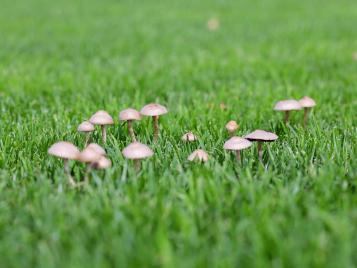
Image Source: www.lovethegarden.com
Why Do Mushrooms Appear on My Lawn?
Mushrooms are the fruiting bodies of fungi. These fungi are naturally present in soil and play a vital role in breaking down organic matter. Mushrooms appear when the conditions are just right for their reproductive structures to emerge. Fungal networks, called mycelium, live underground and are always there. When they have enough food and the right moisture, they produce mushrooms.
Several factors contribute to mushroom growth:
- Excess Moisture: Fungi thrive in damp environments. Overwatering, poor drainage, or prolonged periods of rain can create the ideal conditions for mushrooms to sprout.
- Decaying Organic Matter: Mushrooms are decomposers. They feed on dead plant material, such as fallen leaves, grass clippings, pet waste, and old tree stumps. A lawn with a lot of thatch or buried organic material is a prime feeding ground.
- Shady Areas: Areas of your lawn that receive less sunlight tend to stay moist longer, making them more susceptible to fungal growth.
- Compacted Soil: Compacted soil prevents water from draining properly, leading to persistent dampness.
- Nutrient Imbalances: While not always a direct cause, certain soil conditions can favor fungal growth.
Fathoming the Fungus: The Role of Mycelium
The mushrooms you see are just the tip of the iceberg. The real organism is the garden fungus network, known as mycelium, which spreads underground through the soil. This vast network breaks down organic matter, releasing nutrients back into the soil. When conditions are optimal, the mycelium produces mushrooms to release spores and reproduce.
Natural Ways to Remove Lawn Mushrooms
The best approach to remove lawn mushrooms is to tackle the root cause of their appearance rather than just removing the visible mushrooms. Here are safe and natural methods:
1. Proper Watering Practices
Overwatering is a common culprit. Adjust your watering schedule to ensure your lawn receives adequate hydration without becoming waterlogged.
- Water Deeply and Infrequently: Encourage deeper root growth by watering thoroughly only when the grass needs it. Aim for about 1 inch of water per week, delivered in one or two sessions.
- Check Soil Moisture: Before watering, stick your finger about 2 inches into the soil. If it feels moist, hold off on watering.
- Water in the Morning: This allows the grass blades to dry off during the day, reducing the risk of fungal diseases. Avoid watering in the evening.
2. Improve Drainage
Good drainage is crucial for fungus control. If your lawn is prone to puddles after rain, it’s time to improve drainage.
- Aeration: This process involves removing small cores of soil from the lawn. Aeration helps to relieve soil compaction, allowing water and air to penetrate more easily. You can rent a core aerator or hire a professional service.
- Dethatching: Thatch is a layer of dead and living organic matter that builds up between the grass blades and the soil surface. A thick thatch layer can trap moisture and provide a food source for fungi. Dethatching removes this excess layer.
3. Manage Organic Debris
Keep your lawn clean and free of the food sources that fungi love.
- Rake Leaves: Fallen leaves can smother grass and retain moisture, creating ideal conditions for mushrooms. Rake them up regularly, especially in the fall.
- Clean Up Grass Clippings: While grass clippings can be a natural fertilizer, excessive amounts can lead to thatch buildup. Consider mulching them finely or removing them if they are heavy.
- Remove Pet Waste: Animal feces can contribute to nutrient buildup and provide food for fungi. Clean up after your pets promptly.
- Deal with Tree Stumps: Old tree stumps are a smorgasbord for fungi. If possible, remove them or at least ensure they are not buried and retaining moisture.
4. Aerate and Dethatch Regularly
These two practices are foundational for a healthy lawn and effective lawn maintenance.
- Aeration Schedule: Aerate your lawn once a year, ideally in the fall or spring, when the grass is actively growing.
- Dethatching Schedule: Dethatch when the thatch layer exceeds half an inch. This is typically done in the spring or fall, depending on your grass type.
Natural Mushroom Repellent Strategies
While addressing the underlying causes is key, some natural methods can help deter mushroom growth.
1. Corn Gluten Meal
Corn gluten meal is a natural pre-emergent herbicide and a good source of nitrogen. It works by inhibiting root development in seeds and can also have a mild fungicidal effect.
- Application: Apply corn gluten meal in early spring before mushrooms typically appear. It’s best applied when the soil is dry and watered in after it has had a chance to absorb.
- Benefits: It also fertilizes your lawn, promoting a denser, healthier turf that can better compete with fungi.
2. Vinegar Solution (Use with Caution)
A diluted vinegar solution can sometimes be used to kill mushrooms directly. However, it can also harm your grass if not applied carefully.
- Mixture: Mix 1 part white vinegar with 4 parts water.
- Application: Spray the solution directly onto the mushrooms. Avoid spraying the surrounding grass, as vinegar is acidic and can brown it. This is more of a cosmetic fix and doesn’t address the underlying fungal issue.
3. Baking Soda
Baking soda can alter the soil’s pH, making it less hospitable to certain types of fungi.
- Application: Sprinkle baking soda directly onto the mushrooms. Like vinegar, it’s best to be cautious and avoid oversaturating the surrounding grass.
4. Remove Mushrooms Manually
If you see mushrooms, the simplest method is to pick them by hand and discard them.
- How to: Wear gloves, pluck the mushrooms, and dispose of them in a sealed bag. This prevents them from releasing more spores. However, this is a temporary solution.
Tackling Fairy Rings Naturally
Fairy rings are circular or arc-shaped patterns of mushrooms, darker green grass, or bare patches on a lawn. They are caused by a specific type of garden fungus.
1. Aeration and Dethatching
As mentioned, these practices help break up the fungal network and improve soil health, which can help eliminate fairy rings.
2. Water Management
Ensure even watering across your lawn, particularly in areas prone to fairy rings.
3. Core Aeration and Topdressing
For stubborn fairy rings, a more intensive approach can be taken:
- Core Aeration: Aerate the entire area of the fairy ring thoroughly.
- Amend the Soil: Apply a thin layer of compost or good quality topsoil over the aerated area.
- Rake and Overseed: Rake the area smooth, add grass seed suitable for your lawn type, and water regularly until the new grass is established. This helps to reintroduce beneficial microorganisms and improve soil structure.
4. Deeper Soil Cultivation
In severe cases, you may need to dig out the affected soil.
- Excavation: Remove the soil within and around the fairy ring to a depth of about 8-12 inches.
- Replacement: Fill the excavated area with fresh, good-quality topsoil.
- Reseeding: Reseed the area. This is a labor-intensive but effective method to eliminate fairy rings.
Promoting a Healthy Lawn to Prevent Mushrooms
A healthy lawn is your best defense against recurring mushroom problems. Focus on building strong, dense turf that can naturally outcompete fungi.
1. Proper Mowing
- Mow High: Keep your grass blades at a higher height (usually 3-4 inches). Taller grass shades the soil, keeping it cooler and moister, which can help prevent some types of fungi. It also encourages deeper root growth.
- Sharp Mower Blades: Dull blades tear grass, creating wounds that are susceptible to lawn disease and fungal infections. Ensure your mower blades are sharp.
2. Fertilization
- Balanced Nutrition: Feed your lawn with a balanced fertilizer according to soil test recommendations. Over-fertilizing, especially with high-nitrogen fertilizers, can sometimes encourage fungal growth.
- Organic Fertilizers: Consider using slow-release organic fertilizers. They provide nutrients gradually and improve soil health, fostering a more resilient lawn.
3. Overseeding
- Fill Bare Spots: Overseeding your lawn annually, particularly in the fall, helps to fill in any bare patches and create a denser turf. A thicker lawn is less likely to allow weeds or fungi to take hold.
When to Seek Professional Help
If you’ve tried these natural methods and are still struggling with persistent mushroom growth or widespread lawn disease, it might be time to consult a professional lawn care specialist. They can identify the specific type of fungus and recommend tailored solutions, which might include specific treatments if absolutely necessary, although the focus here is on natural methods.
Common Causes of Lawn Mushrooms: A Table
Here’s a quick reference to common reasons mushrooms appear and how to address them:
| Cause | How it Encourages Mushrooms | Natural Solution |
|---|---|---|
| Excess Moisture | Fungi thrive in damp soil. | Water deeply but infrequently. Improve drainage via aeration and dethatching. |
| Decaying Organic Matter | Mushrooms feed on dead material. | Rake leaves, collect grass clippings, remove pet waste, and address tree stumps. |
| Thatch Buildup | Traps moisture, provides food for fungi. | Dethatch your lawn regularly when thatch layer exceeds half an inch. |
| Poor Drainage | Waterlogged soil favors fungal growth. | Aerate the lawn to relieve compaction and improve water penetration. |
| Shady Areas | Stay moist longer, ideal for fungi. | Trim overhanging branches to increase sunlight exposure. Choose shade-tolerant grass. |
| Compacted Soil | Reduces air and water circulation. | Core aeration is essential to break up compaction. |
| Buried Wood/Roots | Provides a constant food source for fungi. | Excavate and remove buried organic material if possible. |
Frequently Asked Questions (FAQ)
Q1: Are lawn mushrooms poisonous?
Many lawn mushrooms are not poisonous to humans or pets, but some can be. It’s best to err on the side of caution and remove lawn mushrooms by hand if you have children or pets who might ingest them. Never assume a mushroom is safe.
Q2: Can I just mow over the mushrooms?
Mowing over mushrooms will break them up and spread their spores, potentially worsening the problem. While it removes the visible mushrooms temporarily, it’s not an effective long-term solution for fungus control.
Q3: How quickly can I expect to see results?
Results from natural methods can vary. Improving drainage and managing organic matter will gradually reduce mushroom growth over weeks and months. Addressing underlying issues is key to long-term prevention of mushrooms.
Q4: What is a fairy ring?
A fairy ring is a circular pattern of mushroom growth on a lawn, often accompanied by a ring of darker, lusher grass or a ring of dead grass. They are caused by the underground mycelial growth of certain fungi.
Q5: Is it okay to leave mushrooms on the lawn?
While mushrooms are a natural part of the soil ecosystem, their appearance often signals an imbalance. Leaving them can contribute to spore dispersal. Removing them and addressing the cause is recommended for better lawn care.
By implementing these natural and safe practices, you can effectively remove lawn mushrooms, improve your soil health, and cultivate a lush, healthy lawn that is less prone to fungal issues. Consistent lawn maintenance is your greatest ally in this endeavor.