
Yes, you can stop mushrooms from growing in your lawn. Mushrooms are a natural part of a healthy lawn ecosystem, but when they become an unwanted guest, there are effective ways to manage them. This guide will help you tackle mushroom growth, from identifying the fungi to implementing long-term lawn disease management strategies.
Mushrooms pop up in lawns for several reasons, often linked to damp conditions and decaying organic matter. While they might look unappealing or even concerning, most lawn mushrooms are harmless to your grass. The primary goal of lawn mushroom control is usually aesthetic and to address the underlying conditions that encourage their growth.
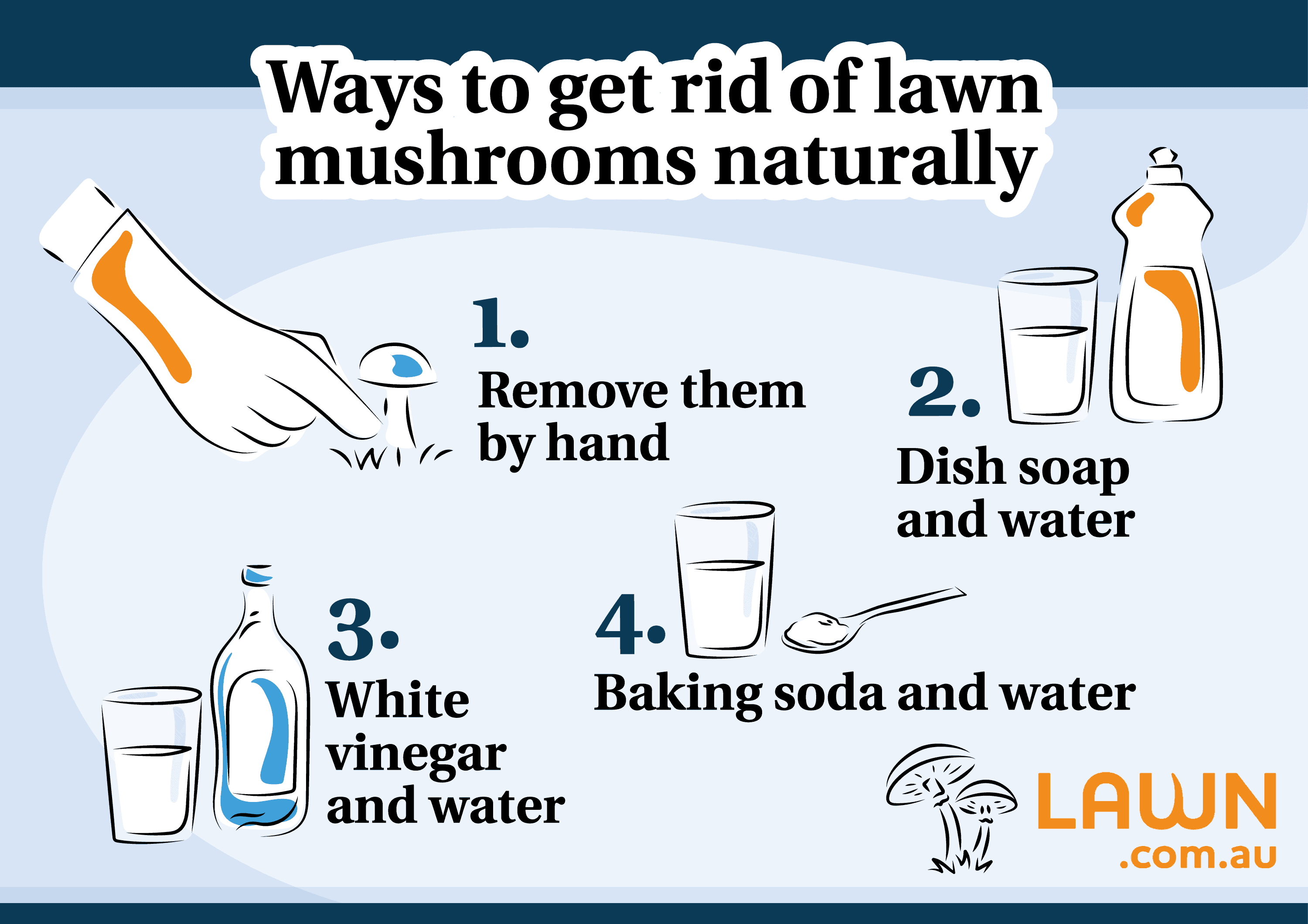
Image Source: lawn.com.au
Deciphering the Presence of Lawn Mushrooms
Before you can effectively manage mushrooms, it’s helpful to know what you’re dealing with. Identifying lawn mushrooms isn’t always straightforward, as many species look similar. However, understanding their general appearance and the conditions they thrive in can give you clues.
Common Causes for Mushroom Growth
Mushrooms are the fruiting bodies of fungi that live underground. These fungi are constantly present in the soil, breaking down organic material. When conditions are right, they produce mushrooms.
- Excessive Moisture: Lawns that stay wet for extended periods are prime spots for mushrooms. This can be due to poor drainage, overwatering, or excessive rainfall.
- Thatch Buildup: A thick layer of thatch (dead and living grass stems, roots, and debris) traps moisture and provides a food source for fungi.
- Organic Matter Decomposition: Mushrooms often appear where organic materials like fallen leaves, dead grass, animal droppings, or buried wood are decomposing. This is their food source.
- Compacted Soil: Hard, compacted soil prevents water and air from penetrating, leading to surface wetness and favoring fungal growth.
- Shady Conditions: Areas of the lawn that receive less sunlight tend to stay cooler and moister, creating ideal environments for many types of fungi.
- Animal Waste: Dog or cat feces contain nutrients that fungi can utilize, often leading to fairy rings or isolated mushroom clusters.
- High Nitrogen Fertilization: While fertilizer helps grass, excessive or improperly timed applications can sometimes stimulate fungal growth.
Types of Lawn Mushrooms
While specific identification can be tricky without expert knowledge, recognizing common patterns can help.
| Mushroom Type/Pattern | Description | Common Causes |
|---|---|---|
| Individual Mushrooms | Single mushrooms appearing sporadically across the lawn. | Wide range of conditions, often related to decomposing organic matter, moisture, or mushroom spores in soil. |
| Clusters | Groups of mushrooms growing together in one spot. | Often indicates a concentrated source of decomposing material, like buried wood or a large patch of thatch. |
| Fairy Rings | Circular patterns of mushrooms, often surrounded by darker green, faster-growing grass, or sometimes a dead zone within the ring. | Caused by specific fungi spreading outwards from a central point underground, consuming organic matter. |
| Mushroom “Smoke Rings” | These are less about individual mushrooms and more about the mycelium (the underground fungal network) activity, sometimes showing up as patches of discolored grass or visible mycelial growth. | Often a sign of healthy fungal activity in the soil, but can be unsightly. |
Practical Steps for Mushroom Removal from Grass
Getting rid of mushrooms is often a two-pronged approach: immediate removal and addressing the root causes.
1. Immediate Removal Techniques
The quickest way to remove visible mushrooms is by hand.
- Hand-Picking: This is the most straightforward method. Simply pull the mushrooms out of the ground. It’s best to do this after a rain when the soil is moist, making them easier to extract.
- Tip: Try to get the entire mushroom, including the base, to prevent fragments from regrowing.
- Mowing: For smaller, less persistent mushrooms, mowing the lawn can break them up. However, this doesn’t eliminate the problem and can spread mushroom spores in soil.
- Watering: While too much water encourages mushrooms, a light watering can sometimes loosen the soil, making hand-picking easier.
Important Note: Do not eat any lawn mushrooms unless you are an expert mycologist. Many lawn mushrooms are toxic.
2. Addressing the Underlying Causes
Effective lawn mushroom control requires tackling the conditions that allow them to thrive.
Improving Drainage
Proper drainage is crucial for preventing fungi in lawn growth.
- Check for Low Spots: Identify areas where water tends to pool after rain.
- Core Aeration: This process removes small plugs of soil, improving water penetration and air circulation. It’s a vital part of healthy lawn care and helps break up compacted soil.
- Benefits of Soil Aeration for Lawn:
- Reduces soil compaction.
- Improves water infiltration.
- Increases air circulation to the roots.
- Enhances nutrient uptake.
- Helps thatch decomposition.
- Benefits of Soil Aeration for Lawn:
- Top Dressing with Sand: After aeration, spreading a thin layer of coarse sand can help keep the holes open and improve drainage over time.
- Address Grading Issues: In persistent cases, you might need to adjust the slope of your lawn to direct water away from problem areas.
Managing Thatch
A thatch layer thicker than half an inch can be a breeding ground for fungi.
- Dethatching (Scarifying): This involves using a mechanical dethatcher or rake to physically remove the thatch layer.
- When to Dethatch: The best times are typically spring or early fall when the grass is actively growing.
- Proper Mowing: Avoid cutting grass too short, as this stresses the lawn and can contribute to thatch buildup. Mowing regularly so you’re removing no more than one-third of the blade at a time also helps.
Removing Organic Debris
Clear away potential food sources for fungi.
- Leaf Removal: Rake leaves regularly, especially in the fall.
- Clear Debris: Remove any dead grass clippings, twigs, or other organic matter.
- Burying Wood: If you find buried wood or stumps, try to remove them. If removal isn’t feasible, digging a trench around them can sometimes help isolate the fungal activity.
- Animal Waste Cleanup: Promptly clean up after pets.
Soil Health and Nutrients
A balanced soil environment supports healthy grass, which can outcompete fungi.
- Soil Testing: Get your soil tested to determine its pH and nutrient levels. This helps you fertilize appropriately.
- Balanced Fertilization: Use a fertilizer recommended for your grass type and soil conditions. Avoid over-fertilizing, especially with nitrogen.
- Compost Top Dressing: Applying a thin layer of compost can improve soil structure and introduce beneficial microbes that can help break down organic matter and compete with harmful fungi.
Chemical Treatments for Lawn Mushroom Control
While natural methods are preferred, chemical solutions can be considered for severe or persistent problems. However, it’s important to note that most fungicides are preventative rather than curative for mushrooms themselves. They target the underlying fungal diseases that might weaken the grass and create conditions for mushrooms.
Fungicides
- Application: Fungicides can be applied to the lawn to kill the fungal mycelium in the soil.
- Types of Fungicides: Products containing active ingredients like thiophanate-methyl, myclobutanil, or chlorothalonil are often used for broad-spectrum fungal control.
- Timing: Fungicides are typically most effective when applied preventatively, before conditions are ideal for mushroom growth, or at the very first sign of an issue.
- Label Instructions: Always read and follow the product label carefully regarding application rates, timing, safety precautions, and target pests.
Caution: Over-reliance on fungicides can harm beneficial soil organisms and may not be a long-term solution if the environmental conditions are not corrected. They are often more effective for treating specific lawn diseases that may contribute to fungal growth rather than the mushrooms directly.
Deterrent Sprays
Some commercial products are designed to deter mushrooms. These often contain lime or other ingredients that alter soil pH or conditions, making them less hospitable to fungi.
- Lime: Applying garden lime can slightly raise the soil pH, which can deter some types of fungi. However, use lime cautiously, as it can also negatively impact your lawn if overapplied or if your soil is already alkaline.
- pH Adjustment: It’s best to perform a soil test before applying lime. The ideal pH for most turfgrass is between 6.0 and 7.0.
Preventing Fungi in Lawn: Long-Term Strategies
The best approach to lawn mushroom control is to create an environment where mushrooms are less likely to appear. This involves consistent, good healthy lawn care practices.
Regular Maintenance Practices
- Consistent Mowing: Keep your grass at the appropriate height for its type. This promotes a dense, healthy turf that can better withstand fungal pressures.
- Proper Watering: Water deeply and less frequently. This encourages deeper root growth and reduces surface moisture, which is a key factor for mushroom development. Water early in the morning so any surface moisture dries quickly.
- Fertilize Wisely: Follow a fertilization schedule based on soil test results and the needs of your grass type. Avoid over-fertilizing.
- Seasonal Cleanup: Make a habit of removing fallen leaves and other organic debris throughout the year, especially in autumn.
Promoting a Healthy Turf
A strong, dense turf is the best defense against many lawn problems, including fungi.
- Overseeding: In the fall, consider overseeding bare or thin patches with high-quality grass seed suitable for your climate and lawn conditions. A thick lawn crowds out weeds and fungal growth.
- Soil Aeration: As mentioned earlier, regular soil aeration for lawn is crucial for maintaining good soil structure and preventing compaction.
- Top Dressing: Periodically top-dressing with compost can significantly improve soil health and vitality.
Specific Considerations for Garden Mushroom Prevention
If you have a garden adjacent to your lawn, practices there can also impact your lawn.
- Mulch Management: While mulch is beneficial in gardens, excessive or improperly applied mulch near the lawn can retain moisture and provide a food source for fungi that can then spread to the lawn.
- Compost Bins: Ensure compost bins are well-managed and not leaking into lawn areas.
Frequently Asked Questions (FAQ)
Can I just rake the mushrooms away?
Yes, raking them away is a temporary measure to remove the visible mushrooms. However, it does not address the underlying conditions that cause them to grow, meaning they will likely return.
Are lawn mushrooms harmful to my grass?
Most common lawn mushrooms are not directly harmful to your grass. They are decomposers, breaking down organic matter. However, their presence often indicates conditions (like excessive moisture or thatch) that can stress your lawn and make it more susceptible to actual lawn diseases.
Is it safe to let my pets play on the lawn if there are mushrooms?
You should be cautious. While most lawn mushrooms are not toxic to pets, some can be. It’s best to prevent pets from eating any mushrooms. If you’re unsure about the type of mushroom, it’s safer to keep pets off the affected areas until the mushrooms are gone and the underlying issues are resolved.
How often should I aerate my lawn?
For most lawns, core aeration once a year is beneficial. If your soil is heavily compacted, you might consider aerating twice a year, once in spring and once in fall.
When is the best time to treat for lawn mushrooms?
The best time to implement control measures is not just when mushrooms appear, but consistently throughout the year. Focus on preventative measures like proper watering, mowing, and thatch management. If you use fungicides, they are typically applied preventatively in spring and fall when fungal diseases are most common.
What is a fairy ring?
A fairy ring is a circular pattern of mushrooms, often surrounded by faster-growing or dying grass. It’s caused by a fungus spreading outwards underground from a central point. While the mushrooms themselves are temporary, the ring can persist for years.
How can I get rid of fairy rings?
Getting rid of fairy rings involves the same principles as general mushroom control: improve drainage, reduce thatch, and encourage a healthy, dense turf. For stubborn fairy rings, you may need to vigorously aerate and water the affected area, potentially followed by a fungicide application.
What are mushroom spores in soil?
Mushroom spores in soil are microscopic reproductive cells of fungi, similar to seeds for plants. They are naturally present in almost all soils and are harmless on their own. When the right conditions (moisture, food source, temperature) are met, these spores germinate and grow into the underground mycelial network that eventually produces mushrooms.
Can I use bleach on my lawn to kill mushrooms?
Using bleach on your lawn is generally not recommended. While it might kill visible mushrooms, it can also severely damage or kill your grass and harm beneficial soil microbes. It doesn’t address the root cause and can create further problems.
By following these comprehensive strategies, you can effectively manage and prevent mushrooms from growing in your lawn, promoting a healthier, more beautiful turf. Remember, consistent and proper healthy lawn care is your best defense.