
Can you get rid of dandelions in your lawn? Yes, you absolutely can! Stopping dandelions in your grass is achievable with the right approach. This guide will walk you through effective dandelion eradication methods to help you achieve a beautiful, weed-free lawn.
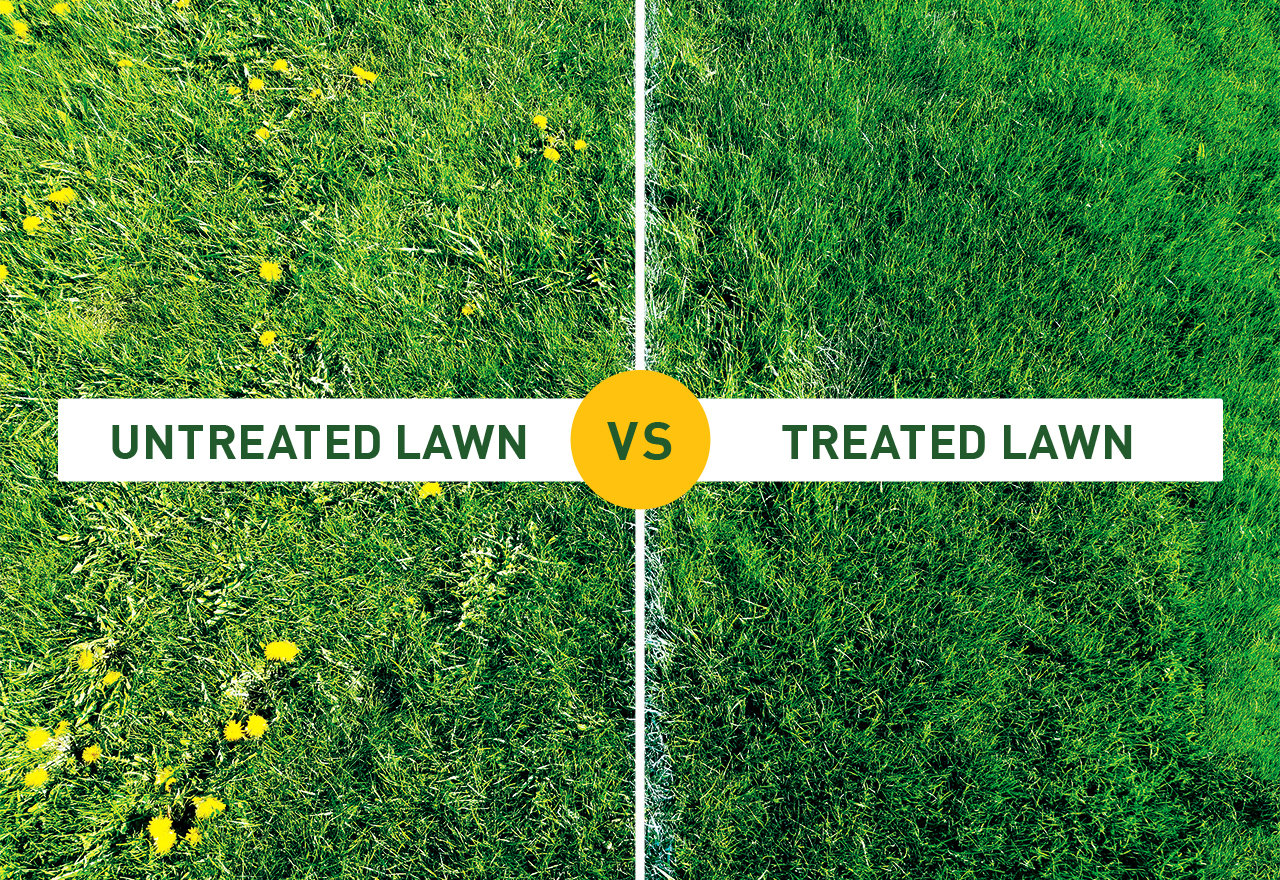
Image Source: www.whygoodnature.com
Embracing a Weed-Free Lawn: Your Goal
A lawn dotted with bright yellow dandelion flowers might seem cheerful to some, but for most homeowners, it’s a sign of trouble. These common weeds can quickly take over, crowding out healthy grass and making your yard look unkempt. But don’t despair! With consistent effort and the right knowledge, you can win the battle against dandelions and reclaim your lawn’s pristine appearance. This guide is your roadmap to achieving that lush, green carpet you’ve always wanted.
Why Dandelions Take Root
Dandelions are hardy survivors. Their seeds are carried by the wind, making them excellent travelers. They thrive in compacted soil, thin grass, and areas with low fertility – conditions often found in neglected or stressed lawns. Understanding why they appear is the first step in preventing them.
- Wind Dispersal: Dandelion seeds have fluffy parachutes that allow them to travel far.
- Soil Conditions: They prefer compacted soil where grass struggles to grow.
- Lack of Competition: Thin or bare patches of lawn offer dandelions a perfect opportunity to establish.
- Nutrient Imbalance: Weak grass is more susceptible to weed invasion.
Natural Dandelion Removal: Gentle Yet Effective
For those who prefer to avoid harsh chemicals, natural dandelion removal offers a powerful alternative. These methods focus on disrupting the dandelion’s life cycle without harming beneficial insects or the environment.
Manual Dandelion Removal: The Direct Approach
The most straightforward method is manual dandelion removal. This involves pulling the entire plant, including its deep taproot.
Tools for the Job
Several tools can make manual pulling easier:
- Dandelion Weeder/Puller: These tools have a forked end designed to grip the taproot and leverage it out of the ground.
- Small Trowel or Garden Fork: Can be used to loosen the soil around the taproot if it’s deep.
- Gloves: Protect your hands.
The Best Time to Pull
Timing is crucial for effective manual dandelion removal.
- After Rain: When the soil is moist, the entire root system is more likely to come out intact.
- Before Flowering: Pull dandelions before they go to seed to prevent further spread.
Technique for Success
- Identify the Dandelion: Locate the weed.
- Loosen the Soil: If the soil is dry, water the area or wait for rain.
- Insert the Weeder: Place the weeder’s fork along the taproot, as close to the base as possible.
- Leverage Gently: Push down on the handle to lift the dandelion and its root.
- Remove the Plant: Pull the entire plant out, ensuring no part of the root remains.
- Dispose Properly: Place pulled dandelions in a bag to prevent seeds from scattering.
Tip: Digging a little deeper might be necessary for very established dandelions with extensive taproots.
Organic Dandelion Solutions: Feeding Your Lawn
A healthy, vigorous lawn is the best defense against dandelions. Focusing on lawn care dandelion control through organic methods strengthens your grass, making it a less hospitable environment for weeds.
Soil Health is Key
- Composting: Adding compost to your lawn improves soil structure and fertility.
- Aeration: Core aeration relieves soil compaction, allowing grass roots to grow deeper.
- Overseeding: Filling in thin spots with grass seed helps prevent weeds from establishing.
Natural Fertilization
- Organic Fertilizers: Use slow-release organic fertilizers to provide nutrients without causing rapid, weak growth that dandelions can exploit.
- Grasscycling: Leaving grass clippings on the lawn returns valuable nutrients to the soil.
Using Household Items for Natural Dandelion Removal
Some common household items can also be used for targeted dandelion removal, though their effectiveness can vary.
- Vinegar: Horticultural vinegar (higher acidity) can kill dandelions on contact. Apply it directly to the leaves on a sunny day. Be cautious, as it can also harm grass.
- Boiling Water: Pouring boiling water directly onto a dandelion will kill it, including its root. This is best for individual weeds in cracks or pathways.
Lawn Care Dandelion Control: A Proactive Approach
Preventing dandelions in grass is far more effective than reacting to infestations. Consistent lawn maintenance dandelion practices create an environment where your grass can thrive and outcompete weeds.
The Importance of Thick Grass
Dandelions cannot easily penetrate a dense, healthy lawn. The denser your turf, the fewer opportunities weeds have to germinate and establish.
Key Practices for Thick Turf
- Proper Mowing: Mow at the correct height for your grass type. Taller grass shades out weed seeds and encourages deeper root growth.
- Adequate Watering: Water deeply and less frequently to promote strong root systems.
- Regular Fertilization: Feed your lawn with appropriate nutrients to maintain healthy growth.
Overseeding: Filling the Gaps
Over time, lawns can develop thin patches due to wear and tear, disease, or environmental stress. Overseeding these areas is crucial for preventing dandelion invasion.
- Timing: Fall is often the best time to overseed most cool-season grasses.
- Seed Selection: Choose a high-quality grass seed blend suited to your climate and lawn conditions.
- Preparation: Rake the lawn to loosen the soil surface and improve seed-to-soil contact.
Aeration and Dethatching
Compacted soil and excessive thatch (dead grass material) can suffocate your lawn and create ideal growing conditions for weeds.
- Aeration: This process creates small holes in the soil, allowing air, water, and nutrients to reach the roots.
- Dethatching: Removing thick thatch layers prevents moisture retention issues and allows air circulation.
Dandelion Eradication Methods: Beyond Manual Pulling
While manual removal is effective, especially for small infestations, other dandelion eradication methods can be employed for more extensive problems.
Chemical Weed Killers for Dandelions
When natural methods aren’t enough, chemical weed killers for dandelions can be highly effective. It’s important to choose the right product and apply it correctly to target dandelions without damaging your grass.
Types of Weed Killers
- Selective Herbicides: These products are designed to kill broadleaf weeds (like dandelions) while leaving grasses unharmed. They are the preferred choice for lawn treatment.
- Non-Selective Herbicides: These kill all vegetation they come into contact with, including grass. They should be used with extreme caution and only on specific targets, like dandelions growing in cracks or on patios.
How to Use Herbicides Safely and Effectively
- Read the Label: Always read and follow the instructions on the product label. This is paramount for safety and effectiveness.
- Choose the Right Time: The best time to treat dandelions with herbicides is when they are actively growing and before they go to seed. This typically happens in the spring and fall.
- Application:
- Spot Treatment: Apply herbicide directly to the dandelion leaves. This minimizes exposure to desirable grass.
- Broadcast Application: If the infestation is widespread, you might need to treat the entire lawn.
- Weather Conditions: Avoid applying herbicides before heavy rain, as it can wash the product away. Don’t apply when temperatures are too high or too low, as this can reduce effectiveness or damage your grass.
Common Active Ingredients in Dandelion Weed Killers
- 2,4-D: A common selective herbicide that targets broadleaf weeds.
- Dicamba: Another effective herbicide for broadleaf weed control.
- Mecoprop (MCPP): Often found in combination with 2,4-D and Dicamba.
- Triclopyr: Effective against tough broadleaf weeds.
Important Note: Always check if a herbicide is safe for your specific grass type.
Pre-Emergent Herbicides: Stopping Them Before They Start
Pre-emergent herbicides work by preventing weed seeds from germinating. Applying them at the right time can significantly reduce the number of dandelions that emerge in your lawn.
How Pre-Emergents Work
These herbicides create a chemical barrier in the soil that kills weed seedlings as they sprout. They do not affect established weeds.
Timing is Everything
- Early Spring: The ideal time to apply pre-emergents for dandelions is in early spring, just before the soil temperatures consistently reach the 55-60°F range, which is when dandelion seeds typically germinate.
- Fall Application: A fall application can also help prevent some spring germinators.
Limitations of Pre-Emergents
- Not for Newly Seeded Lawns: You cannot apply pre-emergent herbicides on a lawn that has been recently seeded or if you plan to seed within a few months, as they will also prevent grass seed from germinating.
- Do Not Control Existing Weeds: Pre-emergents only prevent new weed growth.
Preventing Dandelions in Grass: Long-Term Strategies
Effective dandelion eradication methods are only part of the solution. Long-term prevention is key to maintaining a dandelion-free lawn.
Consistent Lawn Maintenance Dandelion Practices
- Proper Mowing Height: Keep your mower blade sharp and set it to the higher end of the recommended range for your grass type. This shades the soil and discourages weed seeds from germinating.
- Adequate Watering: Deep, infrequent watering encourages deep root growth in your grass, making it more resilient and less susceptible to weeds.
- Timely Fertilization: A balanced fertilization schedule keeps your grass healthy and able to compete with weeds. Use a slow-release fertilizer to avoid shocking the grass.
Aeration and Dethatching Schedule
Regularly aerating your lawn (once a year or every two years) helps to alleviate soil compaction. Dethatching, when thatch layers build up, further improves air and water penetration to the grass roots. These practices strengthen the turf and reduce conditions favorable to dandelions.
Overseeding Dormant Lawns
Overseeding in the fall, or even during the dormant season in some climates, can help fill in any bare spots that might have appeared over the summer, providing less opportunity for dandelions to establish in the following spring.
Dandelion Eradication Methods: A Summary Table
Here’s a quick overview of different approaches to help you choose the best strategy for your lawn.
| Method | Best For | Pros | Cons |
|---|---|---|---|
| Manual Removal | Small infestations, individual weeds | Safe, environmentally friendly, no chemicals | Labor-intensive, root fragments can regrow, only effective on mature plants |
| Natural Solutions (Vinegar/Boiling Water) | Spot treatment, cracks/pathways | Readily available, eco-friendly | Can damage grass, may require repeat applications, effectiveness varies |
| Healthy Lawn Practices | Long-term prevention | Creates a strong, competitive turf, overall lawn health improvement | Takes time and consistency, doesn’t address existing infestations immediately |
| Selective Herbicides | Moderate to severe infestations | Fast-acting, targets only broadleaf weeds | Chemical use, potential environmental impact, requires careful application |
| Pre-Emergent Herbicides | Preventing new seedlings | Stops weeds before they start | Not effective on established weeds, prevents grass seed germination |
Safe Dandelion Removal: Prioritizing Your Lawn and Environment
When considering safe dandelion removal, think about the impact on your lawn, your family, and the local ecosystem.
- Prioritize Manual and Organic Methods: These are always the safest starting points.
- If Using Chemicals: Opt for selective herbicides and always follow label directions precisely. Consider the timing of application to minimize drift and runoff.
- Protect Beneficials: Avoid spraying when pollinators are actively foraging. Spot treatments are generally safer for beneficial insects.
The Best Time to Treat Dandelions
The effectiveness of any dandelion treatment method hinges on correct timing.
- Spring (Early to Mid-Spring): This is arguably the best time to treat dandelions. As soon as the yellow flowers appear, or even just before, is ideal for applying post-emergent herbicides or for manual pulling. The plant is actively growing, and the nutrients are moving down into the root system, making treatments more effective. Applying pre-emergent herbicides in early spring is also crucial to prevent germination.
- Fall (Late Summer to Early Fall): This is another critical window. Dandelions often put on a second burst of growth in the fall. Treating them now, especially with herbicides, is very effective because the plant is storing energy in its root for the winter, and herbicides applied at this time are readily transported to the roots. Manual removal is also effective, especially after the first frost has killed off top growth but before heavy snow.
Dandelion Eradication Methods: A Deeper Dive
Let’s explore some of the dandelion eradication methods in more detail.
The Power of Persistence in Manual Dandelion Removal
While it might seem tedious, consistent manual dandelion removal can significantly reduce your lawn’s dandelion population over time. Each dandelion pulled before it goes to seed is one less seed produced.
- Regular Walk-Throughs: Make it a habit to walk your lawn at least once a week, especially during peak dandelion season.
- Targeted Pulling: Focus on removing every dandelion you see, making sure to get as much of the root as possible.
- Repair Bare Spots: Immediately fill any holes left by pulling dandelions with good soil and grass seed to prevent new weeds from taking root.
Advanced Lawn Care Dandelion Control Techniques
Beyond basic mowing and watering, consider these advanced lawn care dandelion control strategies:
Soil Testing
- Why It Matters: A soil test can reveal nutrient deficiencies or pH imbalances that weaken your grass and favor weeds.
- How to Do It: Contact your local extension office for soil testing kits and recommendations. Based on the results, you can amend your soil with the right nutrients and adjust the pH.
Core Aeration and Overseeding Synergy
- The Process: Core aeration pulls out plugs of soil, relieving compaction. Following this with overseeding ensures that the newly aerated soil is quickly filled with healthy grass seed.
- Benefits: This combined approach dramatically improves turf density and resilience, making it much harder for dandelions to establish.
Understanding Weed Killers for Dandelions: Application Best Practices
When using chemical weed killers for dandelions, adherence to best practices is vital for safety and efficacy.
Calibration of Sprayers
- Why Calibrate? Properly calibrated sprayers ensure you apply the correct amount of herbicide. Over-application can damage grass, while under-application reduces effectiveness.
- How to Calibrate: Many herbicide product labels provide instructions for calibrating common sprayers. It usually involves measuring the water and chemical mixture for a specific area.
Weather Considerations for Herbicide Application
- Wind: Avoid spraying on windy days to prevent drift onto desirable plants or neighboring properties.
- Rain: Do not apply herbicides if rain is expected within 24-48 hours, as rain can wash the product off the leaves before it can be absorbed.
- Temperature: Most herbicides are most effective when temperatures are between 60°F and 85°F. Extreme heat or cold can reduce their efficacy or cause damage.
Organic Dandelion Solutions: The Holistic Approach
A truly holistic approach to organic dandelion solutions focuses on building a robust ecosystem within your lawn.
- Encourage Beneficial Insects: Certain insects prey on weed seeds or young weeds. Creating a diverse habitat can support these natural pest controllers.
- Healthy Soil Food Web: Focus on feeding the soil microbes and earthworms, which in turn create a healthy environment for grass. This can be achieved through compost application and avoiding synthetic fertilizers that can harm these organisms.
Preventing Dandelions in Grass: Year-Round Vigilance
Preventing dandelions in grass is not a one-time task; it requires ongoing vigilance.
Fall Fertilization and Overseeding
- Fall Feeding: A late fall feeding helps your grass store energy for the winter and promotes strong root development.
- Fall Seeding: As mentioned, overseeding in the fall is an excellent way to fill in any thin spots that dandelions might exploit in the spring.
Spring Pre-Emergent Application
- Timing: Apply a pre-emergent herbicide in early spring before soil temperatures consistently reach 55-60°F. This is when dandelion seeds germinate.
- Important Note: Do not overseed your lawn if you have applied a pre-emergent herbicide, as it will prevent the grass seed from germinating.
Frequently Asked Questions (FAQ)
Q1: When is the absolute best time to treat dandelions?
The best time to treat dandelions is typically in early to mid-spring when they are actively growing and before they flower and go to seed. Fall is also an excellent time for treatment, as the plant is storing energy in its roots.
Q2: Can I use common household vinegar to kill dandelions?
Yes, you can use horticultural vinegar (which has a higher acidity than standard white vinegar) to kill dandelions. However, be aware that vinegar is a non-selective herbicide and can also kill the grass it touches. It’s best used as a spot treatment for individual weeds.
Q3: How can I remove dandelions without chemicals?
You can remove dandelions without chemicals through manual pulling (especially after rain), using organic soil amendments to strengthen your grass, and by ensuring your lawn is dense and healthy through proper mowing, watering, and fertilization.
Q4: Will dandelions come back after I pull them?
If you pull the entire taproot, the dandelion is unlikely to come back from that specific plant. However, new seeds can blow in, or if you leave any part of the root behind, it may regrow. Consistent prevention is key.
Q5: Is it okay to mow over dandelions?
Mowing over dandelions before they flower can prevent them from spreading seeds. However, it does not kill the plant, and it will likely continue to grow and flower again. It’s more effective to remove them before mowing if possible.
Q6: How do I prevent dandelions in my new lawn?
For a new lawn, focus on establishing a thick, healthy turf from the start. Avoid chemical treatments until the grass is well-established. Once it’s mature, follow the lawn care dandelion control practices outlined in this guide, such as proper mowing and timely fertilization.
Q7: What are the best weed killers for dandelions that are safe for my dog?
When using chemical weed killers, always check the product label for safety information regarding pets. Many selective herbicides are considered safe for pets once the treated area is dry. However, keeping pets off the lawn until the spray has dried is always a good precaution. Manual removal and organic methods are the safest options if you have pets.
Q8: My lawn is full of dandelions. What’s the quickest way to fix it?
For a severe infestation, a combination approach is often best. Start with manual removal of as many dandelions as possible. Then, consider applying a selective herbicide specifically designed for broadleaf weeds. Immediately after, focus on improving your lawn’s health by aerating, dethatching (if needed), and overseeding to create a dense turf that will outcompete any remaining weeds.
By implementing these comprehensive strategies, you can effectively stop dandelions in your lawn and enjoy a greener, healthier, and more beautiful yard. Remember, consistency and a focus on overall lawn health are your greatest allies in this ongoing battle.