
Can you restore a lawn afflicted with fungal disease? Yes, absolutely! With the right approach to lawn care for fungus, you can effectively treat and restore a lawn suffering from these unwelcome guests. This guide will walk you through identifying, treating, and preventing fungal lawn diseases, ultimately helping you achieve a lush, healthy lawn repair.
Fungal lawn diseases can be a gardener’s worst nightmare. Patches of discolored grass, strange rings, or fuzzy growth can quickly turn a vibrant green carpet into a patchy, unsightly mess. The good news is that most lawn fungus issues are treatable, and with consistent care, you can bring your lawn back to its former glory. This comprehensive guide will cover everything you need to know about identifying, treating, and preventing these common turf troubles, focusing on effective lawn fungus removal and restoring damaged lawn areas.
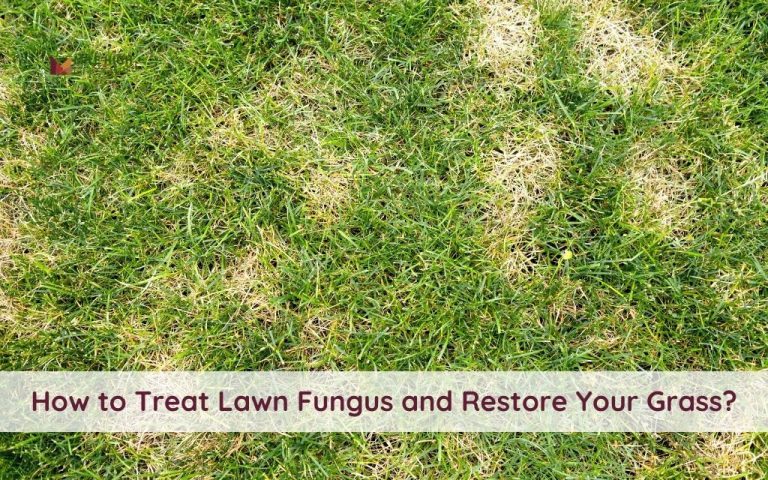
Image Source: milehighlifescape.com
Identifying Lawn Fungus: What to Look For
The first step in treating any problem is correctly identifying it. Many fungal lawn diseases share similar symptoms, making precise lawn disease identification crucial. Here’s how to start spotting these unwelcome invaders:
Common Signs of Fungal Lawn Disease
- Discolored Patches: This is one of the most common indicators. You might see yellow, brown, or even gray patches of grass. The shape and size of these patches can offer clues.
- Ring-Like Patterns: Some fungi create distinct rings of dead or discolored grass, often with healthy grass in the center.
- Fuzzy or Web-Like Growth: Especially visible in the morning dew, a white, powdery, or cobweb-like substance on the grass blades can signal a fungal infection.
- Mushrooms or Toadstools: While not always a sign of disease, their sudden appearance in large numbers can indicate underlying soil issues that favor fungal growth.
- Leaf Spotting or Blight: Small spots, streaks, or wilting on individual grass blades can be a sign of fungal attack.
Key Fungal Diseases to Recognize
To effectively address lawn fungus, it helps to know the usual suspects. Here are some of the most common fungal lawn diseases:
- Dollar Spot: Characterized by small, straw-colored spots about the size of a silver dollar. It often appears in dry, stressed conditions.
- Brown Patch: Creates circular patches of brown, blighted grass, often with a darker border. It typically thrives in hot, humid weather.
- Red Thread: Visible as pinkish-red threads or strands on grass blades, often appearing in cool, damp conditions.
- Powdery Mildew: A white, powdery coating on the surface of grass blades, usually occurring in shady, humid areas with poor air circulation.
- Pythium Blight (Damping-off): Causes rapid wilting and death of grass, often appearing as greasy, water-soaked patches that quickly turn brown. It favors warm, wet conditions.
Table 1: Common Lawn Fungus Symptoms
| Fungus Type | Typical Appearance | Common Conditions |
|---|---|---|
| Dollar Spot | Small, straw-colored spots (about 1-2 inches wide) | Dry, compacted soil; moderate temperatures |
| Brown Patch | Circular patches of brown, sometimes with dark border | Hot, humid weather; high nitrogen fertilization |
| Red Thread | Pinkish-red threads on grass blades; sometimes rings | Cool, damp conditions; low nitrogen levels |
| Powdery Mildew | White, powdery coating on grass blades | Shady, humid areas; poor air circulation |
| Pythium Blight | Greasy, water-soaked patches; rapid wilting | Warm, wet weather; overwatering; poor drainage |
Treating Fungal Lawn Diseases: Steps to Take
Once you’ve identified a fungal issue, it’s time to implement a fungal lawn disease treatment plan. This usually involves a combination of cultural practices and, if necessary, chemical interventions.
Cultural Practices for Lawn Care for Fungus
These are the foundational steps for any healthy lawn repair and are crucial for long-term lawn fungus removal.
-
Proper Mowing:
- Mow at the Correct Height: Taller grass shades the soil, keeping it cooler and moister, which can help prevent some fungal diseases. Check the recommended mowing height for your specific grass type.
- Keep Mower Blades Sharp: Dull blades tear grass, creating wounds that are more susceptible to fungal infections. Sharpen your blades regularly.
- Remove Grass Clippings (Sometimes): In cases of active fungal outbreaks, removing clippings can help prevent the spread of spores. However, for healthy lawns, returning clippings can recycle nutrients.
-
Smart Watering:
- Water Deeply and Infrequently: This encourages deeper root growth, making the grass more resilient. Shallow, frequent watering keeps the surface wet, creating ideal conditions for many fungi.
- Water in the Morning: Watering in the early morning allows the grass to dry off completely before nightfall, reducing the time moisture sits on the blades. Avoid watering late in the day.
-
Improve Air Circulation:
- Prune Overhanging Branches: If your lawn is in a shady, stagnant area, trimming trees and shrubs can improve airflow and sunlight penetration.
- Dethatch and Aerate: Thatch buildup can retain moisture and harbor disease. Aerating the soil improves drainage and air penetration.
-
Fertilization:
- Avoid Over-Fertilizing: Excessive nitrogen can lead to lush, weak growth that is more prone to disease. Follow a balanced fertilization schedule based on soil test results and grass type.
- Use Slow-Release Fertilizers: These provide a steady supply of nutrients without the boom-and-bust cycle that can stress the lawn.
Chemical Treatments: When and How to Use Grass Fungicide
For more persistent or severe fungal outbreaks, a grass fungicide may be necessary. This is a key part of effective lawn disease treatment.
Selecting the Right Fungicide
- Broad-Spectrum vs. Specific: Some fungicides target a wide range of fungi, while others are specific to particular diseases.
- Systemic vs. Contact:
- Systemic fungicides are absorbed by the grass plant and move within the system to fight the fungus. They offer longer-lasting protection.
- Contact fungicides remain on the surface of the grass and kill fungi upon contact. They provide protection but can be washed off by rain or irrigation.
- Read the Label: Always read and follow the product label carefully. It will tell you which diseases the fungicide is effective against, how to apply it, the correct dosage, and any safety precautions.
Application Tips
- Apply at the First Sign of Disease: Fungicides are most effective when applied early in the disease cycle.
- Ensure Even Coverage: Use a properly calibrated sprayer for consistent application.
- Water In (If Recommended): Some fungicides require watering in to be absorbed into the soil or plant. Check the label.
- Rotate Fungicides: To prevent fungi from developing resistance, it’s a good practice to rotate between different types of fungicides with different active ingredients.
- Consider Timing: Apply fungicides when temperatures and humidity levels are conducive to fungal growth, but before the disease becomes widespread.
Restoring Damaged Lawn Areas: Repairing the Damage
Even after successfully treating the active fungus, you’ll likely have damaged areas that need attention to achieve healthy lawn repair.
Dealing with Bare Spots
- Remove Dead Grass: Rake out any dead or diseased grass from bare patches.
- Loosen the Soil: Gently loosen the soil in the affected area with a rake or hand trowel. This helps new seeds establish.
- Choose the Right Seed: Select a grass seed mix that is compatible with your existing lawn and suited to your climate and sunlight conditions.
- Apply Seed: Spread the seed evenly over the loosened soil.
- Cover Lightly: Lightly rake the seed into the soil, covering it with about 1/8 to 1/4 inch of topsoil or compost.
- Water Consistently: Keep the seeded area consistently moist until the new grass is well-established. Light, frequent watering is best during this stage.
- Fertilize Appropriately: Once the new grass is about 2-3 inches tall, you can apply a starter fertilizer to encourage healthy growth.
Improving Soil Health
Fungal diseases often indicate underlying soil issues. Improving soil health is key to long-term lawn disease prevention.
- Soil Testing: Get a soil test to determine pH levels and nutrient deficiencies.
- Amend Soil: Based on test results, add compost or other organic matter to improve soil structure, drainage, and nutrient content.
- Topdressing: Applying a thin layer of compost or a compost-seed mix can help improve soil quality and encourage turf recovery.
Lawn Disease Prevention: Keeping Fungi at Bay
The best way to deal with fungal lawn diseases is to prevent them from occurring in the first place. Proactive lawn care for fungus is essential.
Best Practices for Prevention
- Choose the Right Grass Type: Select grass varieties that are naturally resistant to common fungal diseases in your region.
- Maintain Healthy Soil: Healthy soil leads to healthy grass. Regularly amend your soil with organic matter and ensure proper drainage.
- Water Wisely: Stick to the principles of deep, infrequent watering in the morning.
- Mow Properly: Maintain sharp mower blades and mow at the correct height for your grass type.
- Improve Airflow: Prune trees and shrubs to allow for better air circulation around your lawn.
- Avoid Over-Compaction: Minimize foot traffic on your lawn, especially when it’s wet. Aerate annually to relieve compaction.
- Fertilize Appropriately: Avoid over-fertilizing, particularly with high-nitrogen fertilizers, which can promote disease-prone growth.
- Clean Up Debris: Remove fallen leaves and other organic debris that can trap moisture and harbor diseases.
- Regular Inspection: Keep a close eye on your lawn for early signs of trouble. Catching a fungal issue early makes it much easier to manage.
The Role of Aeration and Dethatching
- Aeration: This process involves removing small cores of soil from the lawn. It alleviates soil compaction, improves air and water penetration to the root zone, and helps break down thatch. This makes the grass healthier and less susceptible to fungal attacks.
- Dethatching: Thatch is a layer of dead and living organic matter that builds up between the grass blades and the soil surface. A thin layer of thatch is beneficial, but when it becomes too thick (more than 1/2 inch), it can trap moisture and nutrients, creating an ideal environment for fungi and insects. Dethatching removes this excess thatch, improving airflow and reducing disease potential.
Frequently Asked Questions (FAQ)
Q1: How quickly can I expect to see results after treating lawn fungus?
A1: The speed of recovery depends on the type of fungus, the severity of the infection, and the treatment method used. With proper fungicide application and cultural adjustments, you might see a halt in the spread of the disease within a few days to a week. Visible recovery, however, such as new growth and the disappearance of symptoms, can take several weeks to a few months, especially if significant damage occurred.
Q2: Can I use household products to treat lawn fungus?
A2: Some anecdotal evidence suggests certain household items like baking soda or vinegar might have some effect, but they are generally not recommended as a reliable or safe method for treating lawn fungus. They can be unpredictable, potentially harm your grass, and may not be effective against established fungal diseases. It’s best to use commercially available grass fungicides specifically designed for lawn care, following label instructions carefully.
Q3: Is it safe for pets and children to play on a lawn that has been treated with fungicide?
A3: This depends entirely on the specific product used. Always read the product label for safety information, including re-entry times for people and pets. Many fungicides require a waiting period after application before it’s safe for children and pets to use the lawn. Keep them off the lawn until the product has dried completely and any recommended waiting period has passed.
Q4: How do I know if my lawn has a disease or if it’s just stressed from drought or heat?
A4: Stress from drought or heat often causes a uniform yellowing or browning of the entire lawn. Fungal diseases, on the other hand, tend to appear in patches, rings, or spots with irregular shapes. Look for specific symptoms like powdery coatings, fuzzy growth, or distinct lesions on the grass blades. The “dollar spot” symptom, for example, is a classic sign of a fungal issue, not typically drought stress alone.
Q5: How often should I aerate and dethatch my lawn?
A5: For most home lawns, aeration once a year is beneficial, especially if the soil is compacted. Dethatching is typically needed less often, perhaps every 1-3 years, depending on your grass type and how quickly thatch builds up. It’s best to dethatch when the lawn is actively growing (spring or fall) and not during periods of drought or extreme heat.
By diligently applying these principles of identification, treatment, and prevention, you can effectively combat fungal lawn diseases and work towards restoring your lawn to a healthy, vibrant state. Remember, consistent care and attention are key to maintaining a beautiful, disease-free turf.