
Discovering a deceased animal in your yard can be unsettling. To remove a dead animal from your yard safely, gather protective gear, identify the animal, choose a disposal method, and thoroughly clean and disinfect the area. This guide will walk you through the entire process, ensuring a safe and hygienic outcome for you and your property.
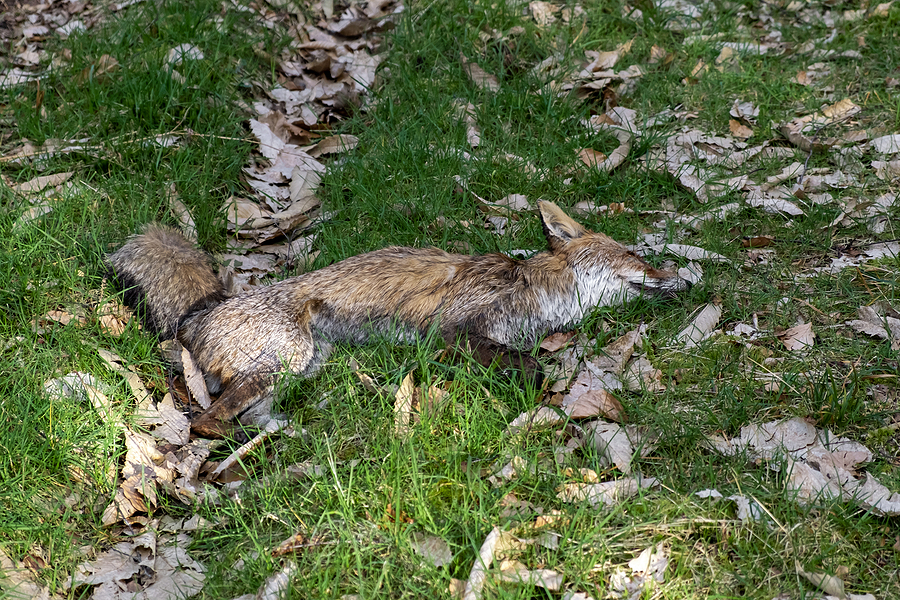
Image Source: www.smokywildlifecontrol.com
Identifying the Deceased Animal
Before you can effectively dispose of dead animal matter, it’s crucial to identify what you’re dealing with. This step helps determine the best removal method and any potential health risks.
Small Wildlife
Common small deceased animals found in yards include birds, squirrels, rabbits, and sometimes snakes.
Dead Bird Removal
A dead bird removal situation is generally straightforward. Wear gloves and use a shovel or a sturdy plastic bag to pick up the bird.
Rodent Extermination Aftermath
If you’ve recently dealt with rodent extermination, you might find deceased rodents. Use the same method as for birds, but be extra cautious. Rodents can carry diseases, so thorough sanitation is paramount.
Medium to Large Wildlife
Larger animals like raccoons, opossums, or even domestic cats and dogs can unfortunately pass away on your property.
Animal Carcass Cleanup
For a larger animal carcass cleanup, you might need more robust protective gear and potentially assistance.
Domestic Pets
Finding a dead pet disposal situation is emotionally difficult. While the removal process is similar to wildlife, you may have specific wishes for pet remains burial or cremation.
Essential Safety Precautions
Safety is the top priority when dealing with any deceased animal. The risk of disease transmission and exposure to parasites is real.
Personal Protective Equipment (PPE)
Always wear appropriate gear to prevent direct contact with the carcass and bodily fluids.
- Gloves: Heavy-duty rubber or disposable nitrile gloves are essential.
- Mask: A dust mask or a respirator can prevent inhalation of airborne particles, especially if the animal has been deceased for some time.
- Eye Protection: Goggles or safety glasses will protect your eyes from splashes or airborne contaminants.
- Long Sleeves and Pants: Wear sturdy clothing that covers your skin.
- Footwear: Closed-toe shoes or boots are necessary. Consider disposable shoe covers.
Proper Handling Techniques
Even with PPE, avoid unnecessary contact.
- Never touch a dead animal with bare hands.
- Minimize direct contact with the carcass itself. Use tools to move it.
- Avoid inhaling any odors or dust.
Step-by-Step Removal Process
Once you have the necessary safety gear, follow these steps for a clean and safe removal.
Step 1: Assess the Situation
Note the size and location of the animal. Is it easily accessible, or is it in a confined or difficult-to-reach spot? This helps you choose the right tools and disposal method.
Step 2: Gear Up
Put on all your personal protective equipment before approaching the animal.
Step 3: Contain the Carcass
This is where you’ll dispose of dead animal matter.
Using a Bag
For smaller animals, double-bagging is recommended.
- Place the dead animal directly into a heavy-duty plastic trash bag.
- Twist the top of the bag tightly and seal it securely.
- Place this sealed bag into a second heavy-duty trash bag and seal that one as well.
Using Tools
For larger animals or when you want to avoid direct bagging, tools are your best friend.
- Shovels: A sturdy shovel can be used to scoop up smaller animals or to move larger ones.
- Tarpaulin or Thick Plastic Sheeting: You can place the animal onto a tarp to transport it to its final disposal location.
- Buckets or Wheelbarrow: Useful for transporting bagged animals or using with shovels for larger removals.
Step 4: Transport to Disposal Site
Move the contained carcass to your chosen disposal location. Be mindful of where you walk to avoid contaminating other areas of your yard.
Step 5: Disposal Methods
The method you choose for dead wildlife removal depends on local regulations and the animal’s size.
Local Waste Disposal
- Regulations: Check your local municipality’s guidelines for disposing of dead animals. Some areas allow bagged carcasses in regular trash, while others have specific rules.
- Trash Collection: If permitted, place the double-bagged animal in your trash bin on collection day. Ensure the bin is secure to prevent scavengers from accessing it.
Burial
- Depth: If you choose pet remains burial or animal carcass cleanup through burial, dig a hole at least 3-4 feet deep. This depth helps prevent scavengers from digging up the remains.
- Location: Choose a spot away from water sources (wells, streams, ponds) and property lines.
- Bagging: Place the animal in a biodegradable bag if possible before burying.
Contacting Professionals
- Animal Control: For larger animals or if you are uncomfortable with the removal, contact your local animal control services or a specialized deceased animal control company. They are equipped to handle these situations safely and efficiently.
- Pest Control Services: If the death is related to rodent extermination or other pest issues, your pest control provider might offer carcass removal services.
Step 6: Clean and Disinfect the Area
This is a critical step for yard sanitation.
- Remove Debris: Clean up any visible bodily fluids, fur, or feathers from the ground.
- Cleaning Solution: Use a strong disinfectant. A solution of 1 part bleach to 10 parts water is effective. Alternatively, use commercial disinfectants suitable for outdoor use.
- Application: Pour the cleaning solution generously over the contaminated area. Let it sit for at least 10-15 minutes to allow the disinfectant to work.
- Scrubbing: Scrub the area with a stiff brush to remove any remaining residue.
- Rinsing: Rinse the area thoroughly with water.
- Dispose of Cleaning Materials: Place any used rags, brushes, or contaminated materials into a trash bag, seal it, and dispose of it properly with the animal carcass.
Step 7: Decontaminate Yourself
- Remove PPE: Carefully remove gloves, mask, and any other protective gear. Avoid touching the outside of the gloves with your bare hands.
- Wash Hands and Arms: Wash your hands and arms thoroughly with soap and warm water. If you wore non-disposable gloves or clothing, wash them separately.
- Shower: Take a shower as soon as possible.
Specific Scenarios and Considerations
Sometimes, the situation requires a bit more thought.
Dead Animal in Water
If a deceased animal is found in a pond, stream, or other water body, contact your local authorities or environmental agency. They will have specific protocols for animal carcass cleanup in water. Do not attempt to remove it yourself, as this can spread contamination.
Dead Animal Indoors
A dead animal inside your home or garage is a more urgent and potentially hazardous situation.
Odor Control
The smell can be potent and lingering. Prompt removal is essential.
Health Risks
Internal carcasses pose a higher risk of disease spread.
Professional Help
For dead animals found inside, it is highly recommended to call professionals. They have the equipment and expertise to remove the carcass safely, clean and disinfect the area thoroughly, and address any lingering odors or potential infestations. This is often part of deceased animal control services.
Dealing with the Remains of a Deceased Pet
The loss of a pet is heartbreaking. Here’s how to handle dead pet disposal:
- Emotional Support: Take your time to grieve. If you need help, reach out to friends, family, or pet loss support groups.
- Your Wishes: Consider your preferences for pet remains burial or cremation.
- Veterinarian: If your pet passed away under veterinary care, they can often assist with arrangements.
- Home Burial: If burying at home, follow the depth and location guidelines mentioned earlier. Ensure it’s legal in your area.
- Cremation Services: Many pet cremation services can pick up your pet and return their ashes.
Preventing Future Animal Deaths in Your Yard
Once the immediate issue is resolved, consider steps to prevent future incidents.
Secure Your Trash
Use bins with tight-fitting lids to deter scavengers.
Pet Food and Water
Avoid leaving pet food or water bowls outside overnight, as they can attract nocturnal animals.
Garden and Yard Maintenance
- Clear Debris: Keep your yard tidy. Piles of leaves or debris can provide shelter for small animals.
- Seal Entry Points: For outbuildings or sheds, seal any holes or gaps where animals might seek shelter and potentially die. This is especially relevant after dealing with rodent extermination.
Wildlife Exclusion
If specific species are causing problems, consider humane deterrents or exclusion methods.
When to Call for Professional Help
There are times when DIY is not the best option.
Large or Inaccessible Carcasses
If the animal is too large to handle or is in a very difficult-to-reach location, professionals are your best bet for dead wildlife removal.
Suspected Disease or Hazardous Conditions
If you suspect the animal died from a contagious disease, or if the area is heavily contaminated, call deceased animal control or a biohazard cleanup service.
Unpleasant Odors Persist
If the smell of decomposition lingers after your cleanup, professionals can address the issue effectively.
Legal or Regulatory Concerns
If you’re unsure about local animal carcass cleanup regulations, consult with local authorities or professionals.
Frequently Asked Questions (FAQ)
Q1: Can I just leave a dead animal in my yard?
A: No, it is not advisable to leave a dead animal in your yard. It can attract scavengers, spread diseases, create foul odors, and be unsightly. Prompt and safe removal is necessary for yard sanitation.
Q2: What diseases can dead animals carry?
A: Dead animals can carry various diseases such as rabies, leptospirosis, tularemia, and more. The specific risks depend on the animal species. It’s why proper PPE and animal carcass cleanup are vital.
Q3: How soon should I remove a dead animal?
A: It’s best to remove a dead animal as soon as possible, ideally within 24 hours, especially in warmer weather, to minimize decomposition and odor.
Q4: Can I burn a dead animal?
A: Burning a dead animal is generally not recommended and may be illegal in many areas. It can release harmful fumes and doesn’t effectively sanitize the area. Proper dispose of dead animal methods are preferred.
Q5: What if the dead animal is a pet?
A: For a dead pet disposal, you have options like pet remains burial (if permitted and done safely), cremation through a service, or sometimes veterinary assistance. The emotional aspect is also important to consider.
Q6: Do I need a permit to bury a dead animal?
A: Permit requirements vary by location. It’s best to check with your local municipality or animal control for specific regulations regarding animal carcass cleanup and burial.
Q7: My yard smells after removing a dead animal, what should I do?
A: Ensure you have thoroughly cleaned and disinfected the area using a strong disinfectant. If the odor persists, consider professional cleaning services that specialize in odor removal and yard sanitation. Sometimes, the odor can be trapped in soil or porous materials.
Q8: What are the risks of handling a dead animal without gloves?
A: Handling a dead animal without gloves exposes you to bacteria, viruses, and parasites, significantly increasing the risk of infection and disease transmission. This is why proper gear for dead wildlife removal is non-negotiable.
Q9: How do I handle a dead bird removal situation?
A: For a dead bird removal, wear gloves, place the bird in a plastic bag, seal it, and dispose of it according to local regulations. Thoroughly clean and disinfect the area where the bird was found.
Q10: What is the best way to deal with the aftermath of rodent extermination?
A: After rodent extermination, you may find deceased rodents. It’s crucial to wear gloves and a mask when cleaning these up. Double-bag them and dispose of them in your regular trash if permitted, or contact your exterminator for specific advice on animal carcass cleanup. Disinfect the area thoroughly.
By following these detailed steps and prioritizing safety, you can effectively and hygienically handle the removal of deceased animals from your yard, ensuring a clean and healthy environment.