
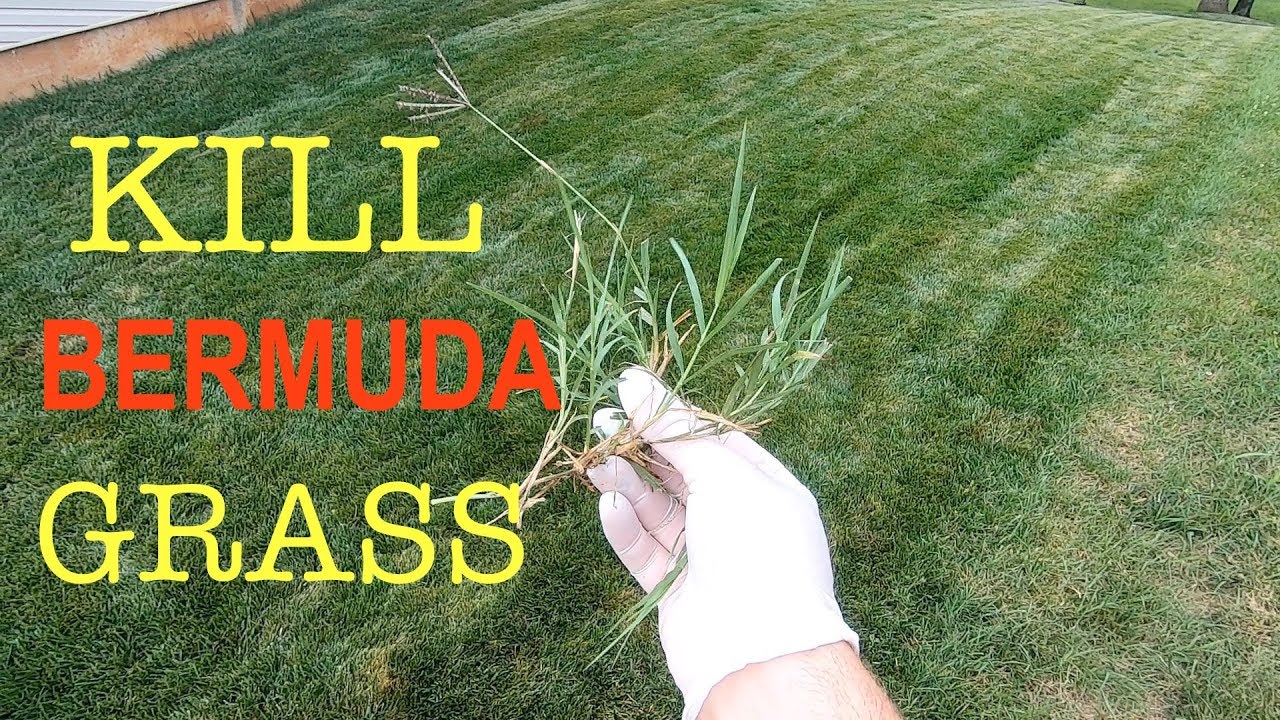
Image Source: i.ytimg.com
How To Remove Bermuda Grass From Lawn Effectively
Can you get rid of Bermuda grass from your lawn? Yes, you can effectively remove Bermuda grass from your lawn with consistent effort and the right techniques. Bermuda grass is a tough and persistent weed that can quickly take over a desirable lawn, often choking out other grasses with its vigorous growth. Its deep rhizomes and stolons make it incredibly resilient, but with a strategic approach, you can reclaim your lawn. This article will guide you through various Bermuda grass control methods, from manual removal to more intensive Bermuda grass eradication techniques.
Identifying the Enemy: The Stubborn Nature of Bermuda Grass
Before we dive into removal strategies, it’s crucial to appreciate why Bermuda grass is such a challenge. It’s a warm-season perennial grass known for its aggressive spreading habit. It forms dense mats of turf that outcompete finer grasses for sunlight, water, and nutrients. Its extensive root system, coupled with above-ground runners (stolons) and underground stems (rhizomes), allows it to spread rapidly. When you spot those distinct, coarser-textured patches of lighter green grass in your otherwise well-maintained lawn, you’re likely looking at Bermuda grass. Its ability to withstand heat and drought makes it a common problem in many regions. This is why understanding how to tackle it is vital for maintaining a beautiful, uniform lawn.
Why Eradicating Bermuda Grass is a Priority
Leaving Bermuda grass unchecked can lead to a lawn dominated by this undesirable species. It often creates a patchy, uneven appearance and can significantly reduce the aesthetic appeal and overall health of your lawn. For homeowners striving for a lush, green carpet of fescue or other cool-season grasses, Bermuda grass is an unwelcome intruder. Its resilience means that simply mowing it or pulling it sporadically won’t be enough. A comprehensive strategy is needed to tackle its pervasive nature.
Strategies for Bermuda Grass Removal
Removing Bermuda grass often requires a multi-pronged approach. Combining different methods can yield the best results.
Manual Bermuda Grass Removal: The Labor-Intensive Approach
While time-consuming, manual removal is an option, especially for smaller infestations or when you want to avoid chemicals.
Digging Out the Roots
The key to manual removal is to get as much of the root system as possible.
- Timing is Key: The best time to manually remove Bermuda grass is when the soil is moist but not waterlogged. This makes it easier to pull the entire root system.
- Tools of the Trade: A garden fork, a trowel, or a specialized weed puller can be helpful. For larger areas, a spade might be necessary.
- The Process:
- Carefully dig around the edges of the Bermuda grass patches.
- Work your tool underneath the grass, trying to lift the entire root ball.
- Shake off excess soil from the roots to prevent them from re-rooting.
- Dispose of the removed grass immediately. Do not compost it, as the roots can survive and spread.
Pros and Cons of Manual Removal
- Pros:
- Environmentally friendly.
- Immediate removal of visible grass.
- No risk of damaging desirable grasses with chemicals.
- Cons:
- Extremely labor-intensive, especially for large areas.
- Difficult to remove all the rhizomes and stolons, leading to regrowth.
- Can disturb the soil structure, creating opportunities for other weeds.
Smothering Techniques: Suffocating the Invader
Smothering involves blocking sunlight, which is essential for Bermuda grass growth. This method is effective but can take time.
Solarization
Solarization uses the sun’s heat to kill weeds.
- How it Works: A clear plastic sheet is laid over the infested area, trapping heat and moisture, and essentially “cooking” the grass and its roots.
- Steps:
- Mow the Bermuda grass as short as possible.
- Water the area thoroughly.
- Cover the area tightly with a clear, heavy-duty plastic tarp. Seal the edges with soil or rocks to prevent air and light from escaping.
- Leave the tarp in place for 4-8 weeks during the hottest part of the year.
- Considerations: This method is most effective during peak summer heat. It can also kill beneficial microorganisms in the soil and any desirable grass nearby.
Sheet Mulching (Lasagna Gardening)
Sheet mulching involves layering organic materials to block light.
- Materials: Cardboard, newspapers, compost, mulch.
- Process:
- Mow the Bermuda grass short.
- Lay down a thick layer of overlapping cardboard or several layers of newspaper directly over the Bermuda grass. Ensure there are no gaps.
- Wet the cardboard/newspaper thoroughly.
- Layer with compost, shredded leaves, grass clippings, and other organic materials.
- Top with a thick layer of mulch (wood chips, straw).
- This method can take several months to break down the Bermuda grass underneath.
Chemical Control Methods: Targeted Solutions
When manual and smothering methods aren’t enough, chemical treatments can be effective. It’s crucial to use herbicides carefully and according to label instructions to minimize damage to desirable plants.
Non-Selective Herbicides
These kill any plant they come into contact with, including your lawn grass.
- Glyphosate: A systemic herbicide that is absorbed by the leaves and translocated to the roots, effectively killing Bermuda grass roots.
- Application: Best applied when Bermuda grass is actively growing. You’ll likely need multiple applications.
- Caution: Glyphosate is non-selective. It will kill any green plant it touches. You must be very careful to only spray the Bermuda grass. Painting it directly onto the leaves with a brush is a precise method for spot treatment.
Selective Herbicematch_id: “BermudaGrassControl”
There are very few selective herbicides that can effectively kill Bermuda grass while leaving desirable cool-season grasses unharmed. This is a significant challenge in Bermuda grass control.
- Research and Professional Advice: Consult with local extension offices or professional lawn care specialists to identify any available selective options for your specific lawn type and region. The effectiveness of selective herbicides can vary greatly.
Natural and Organic Bermuda Grass Control Methods
For those who prefer to kill Bermuda grass organically and eliminate Bermuda grass naturally, there are still options, though they often require more patience and persistence.
Vinegar and Salt Solution
A homemade solution of vinegar and salt can act as a natural herbicide.
- Recipe: Mix horticultural vinegar (higher acetic acid content than household vinegar) with Epsom salt and a surfactant (like dish soap).
- Application: Spray directly onto the leaves of the Bermuda grass on a sunny, dry day.
- Limitations: This method is non-selective and can damage the soil’s pH and salt content, potentially harming desirable grasses and beneficial soil microbes. It’s best used for spot treatment in areas where you want to kill everything. Repeated applications may be necessary.
Boiling Water
Pouring boiling water directly onto the grass can kill it instantly.
- Application: Use a kettle to carefully pour boiling water directly over the Bermuda grass patches.
- Limitations: Like vinegar and salt, this is non-selective and will kill any plant it touches. It’s best for very small, isolated patches and can damage the soil.
Encouraging Desirable Grass Growth
The best long-term Bermuda grass control strategy is often to create an environment where your desired lawn grasses can thrive and outcompete Bermuda.
- Proper Mowing: Mow your desired lawn grass at the correct height. Taller grass shades out weeds and encourages deeper root growth.
- Adequate Watering: Water deeply and less frequently to encourage deep root systems in your desirable grasses.
- Fertilization: Feed your lawn with the appropriate fertilizers at the right times to promote healthy growth.
- Aeration: Aerating the soil improves drainage and air circulation, which can benefit your desired grasses and weaken Bermuda grass.
Integrated Weed Management: The Most Effective Approach
Combining several of the methods above is often the most successful way to achieve Bermuda grass eradication.
A Phased Approach to Bermuda Grass Eradication
- Identify and Isolate: Clearly identify the Bermuda grass patches. If possible, create a barrier around the infested areas to prevent Bermuda grass spread.
- Targeted Removal (Manual or Chemical): For smaller areas, manual removal might be sufficient. For larger infestations, consider targeted application of glyphosate directly onto the Bermuda grass. Be precise!
- Smothering or Renovation: After initial removal, consider smothering larger areas that you intend to renovate completely. This is a good way to tackle significant infestations.
- Overseeding and Health Improvement: Once the Bermuda grass is significantly reduced, focus on improving the health of your desired lawn. Overseed thin areas with high-quality grass seed suitable for your climate. Ensure proper watering, fertilization, and aeration to promote dense, healthy growth that can resist future invasions.
Dealing with Bermuda Grass Patches
When you get rid of Bermuda grass patches, you’ll often be left with bare spots. Here’s how to deal with them:
- Soil Preparation: Loosen the soil in the bare patches. Remove any remaining weed roots.
- Amend the Soil: Mix in compost or other organic matter to improve soil fertility and structure.
- Overseed: Select a high-quality grass seed that matches your existing lawn. Sow the seed according to package directions.
- Watering: Keep the newly seeded areas consistently moist until the grass is established.
- Protection: If necessary, use netting or a light layer of straw to protect the seeds from birds and erosion.
Preventing Bermuda Grass Spread
Prevention is always better than cure, especially with a weed as aggressive as Bermuda grass.
- Maintain a Healthy Lawn: The strongest defense against any weed is a dense, healthy lawn.
- Edge Your Beds: Use edging or barriers along garden beds and walkways to prevent Bermuda grass from creeping in.
- Be Mindful of Tools: Clean lawnmowers, spreaders, and other equipment that might have come into contact with Bermuda grass before moving them to a different area.
- Inspect New Sod or Seed: Ensure that any new sod or seed you purchase is free from Bermuda grass.
- Early Intervention: Address any small patches of Bermuda grass as soon as you see them. The sooner you act, the easier it is to control.
Bermuda Grass Invasive Species Control
In some regions, Bermuda grass is considered an invasive species. This means it can cause significant harm to native ecosystems and local biodiversity. If you are in such an area, understanding its impact is important. The methods described above are crucial for managing its spread, not just for aesthetic reasons but also for ecological health.
Comparing Bermuda Grass Control Methods
| Method | Effectiveness | Labor Intensity | Speed of Results | Environmental Impact | Best For |
|---|---|---|---|---|---|
| Manual Removal | Moderate (if all roots removed) | Very High | Immediate (visible) | Low | Small, isolated patches |
| Solarization | High | Moderate | 4-8 Weeks | Moderate | Large areas, complete renovation |
| Sheet Mulching | High | Moderate | Months | Low | Large areas, naturalistic approach |
| Glyphosate (Non-Selective) | Very High | Low | Days to Weeks | High (if misused) | Targeted application, stubborn patches |
| Selective Herbicides | Variable (depends on product) | Low | Weeks to Months | Moderate to High | Specific situations, requires research |
| Vinegar/Salt | Low to Moderate | Low | Days | Moderate to High | Very small spot treatments |
| Boiling Water | Low | Low | Immediate | Moderate | Tiny spot treatments |
| Healthy Lawn Maintenance | High (preventative and long-term) | Moderate | Ongoing | Low | All lawns |
Frequently Asked Questions About Bermuda Grass Removal
Q1: How quickly can I expect to see results after treating Bermuda grass?
A1: This depends heavily on the method used. Manual removal offers immediate visible results for the grass you pull. Chemical treatments like glyphosate can show visible signs of wilting and browning within a few days to a week. Smothering techniques take weeks or months to be fully effective.
Q2: Will one application of herbicide kill Bermuda grass?
A2: Rarely. Bermuda grass is very resilient. Most chemical treatments require repeat applications, usually spaced a few weeks apart, to effectively kill the entire root system.
Q3: Can I use natural methods to kill Bermuda grass without harming my other plants?
A3: Natural methods like boiling water or vinegar solutions are non-selective. They will kill any plant they touch, including your desired lawn grass. For natural control, the most effective approach is to focus on creating a dense, healthy lawn that can outcompete Bermuda grass, or using smothering techniques on dedicated areas for renovation.
Q4: What is the best time of year to tackle Bermuda grass?
A4: The most effective time to treat Bermuda grass is when it is actively growing, which is during the warm spring and summer months. This is when it is most susceptible to herbicides and when its root systems are most vulnerable.
Q5: How do I prevent Bermuda grass from coming back after I’ve removed it?
A5: Consistent lawn care is key. Maintain a dense, healthy lawn through proper mowing, watering, and fertilization. Regularly scout for and remove any new Bermuda grass shoots as soon as they appear. Edging garden beds and driveways can also help contain its spread.
Q6: I have Bermuda grass in my flower beds. How can I get rid of it?
A6: Manual removal is often the best bet in flower beds. Carefully dig out the grass and its roots. Be thorough to ensure you get as much of the rhizomes as possible. You can also use a thick layer of mulch or landscape fabric to suppress its growth. For stubborn patches, painting a non-selective herbicide directly onto the Bermuda grass leaves with a brush can be effective, but you must be extremely careful not to let it touch your ornamental plants.
Q7: What are the risks of using chemicals to kill Bermuda grass?
A7: The primary risks include harming desirable lawn grasses, beneficial insects, and potentially contaminating soil and water if not used properly. Always follow label instructions precisely, wear protective gear, and consider targeted application methods to minimize collateral damage.
Q8: Is it possible to kill Bermuda grass organically while still maintaining a healthy lawn?
A8: Yes, but it requires dedication. The most effective organic strategy is to promote vigorous growth of your desired lawn species. This means proper mowing heights, adequate watering, and appropriate fertilization. You can also use organic smothering methods in areas where you are willing to sacrifice the existing grass temporarily to then reseed with your desired species.
By implementing these strategies, you can significantly reduce or eliminate Bermuda grass from your lawn, paving the way for a healthier, more attractive turf. Remember, persistence is crucial when dealing with this tenacious weed.