
Can you overseed a lawn in Utah? Yes, you absolutely can! Overseeding is a fantastic way to rejuvenate your lawn, fill in bare patches, and improve its overall health and appearance, especially in Utah’s unique climate. This guide will walk you through everything you need to know for successful Utah lawn overseeding.
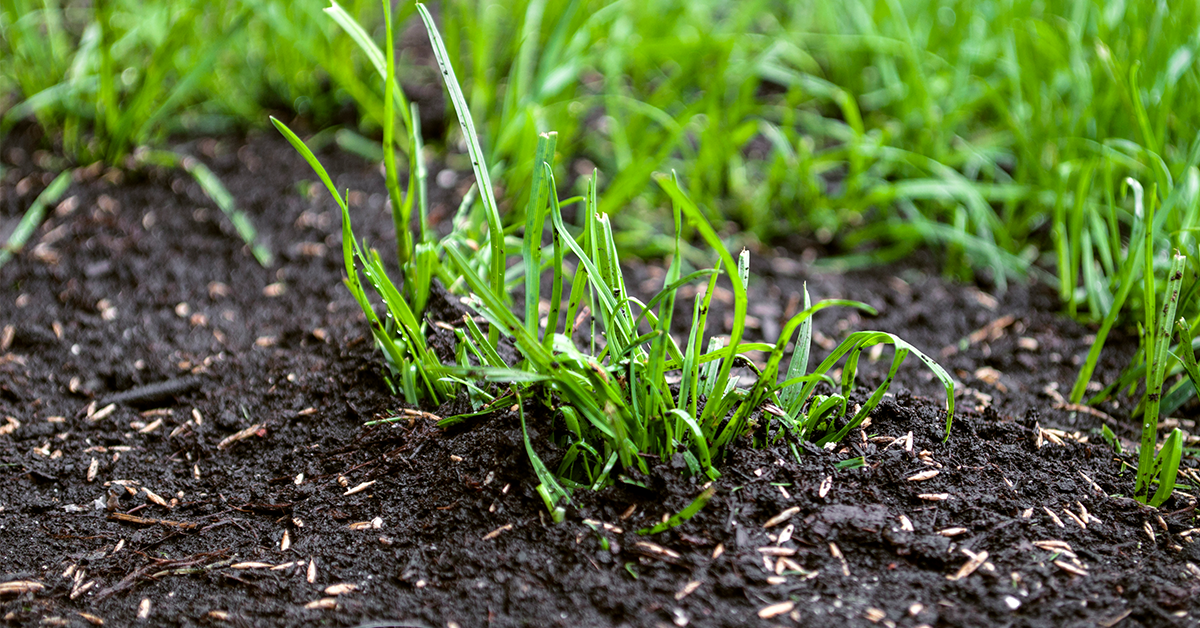
Image Source: grow.ifa.coop
When is the Best Time to Overseed Lawn Utah?
Figuring out the best time to overseed lawn Utah is crucial for success. Utah’s climate generally presents two prime windows for overseeding: early fall (September to mid-October) and early spring (late March to mid-April).
Why Fall is Usually the Best Choice
Fall is often considered the optimal season for overseeding in Utah, and here’s why:
- Cooler Temperatures: As the scorching summer heat subsides, temperatures become more moderate. This is ideal for new grass seedlings, which are sensitive to extreme heat and cold.
- Reduced Weed Competition: Many common lawn weeds have finished their growth cycle by fall and are starting to die off. This gives your new grass seeds a better chance to establish without being choked out by aggressive weeds.
- Moisture: Fall typically brings more consistent rainfall, reducing the need for constant watering. Consistent moisture is vital for germination and early root development.
- Healthy Established Grass: Existing grass is usually strong and healthy in the fall after recovering from summer stress. It can help protect the new seedlings from harsh elements.
Spring Overseeding: A Secondary Option
While fall is preferred, spring can also be a viable time for Utah lawn overseeding, especially if you missed the fall window or have specific goals. However, it comes with a few more challenges:
- Increased Weed Pressure: Spring is prime time for weed germination. Your new seedlings will be competing directly with a multitude of weeds for resources.
- Summer Stress Ahead: The new grass will have to transition from its vulnerable seedling stage directly into the heat of a Utah summer. This can be a significant challenge, requiring diligent watering and care.
- Timing is Critical: You need to overseed early enough in spring to allow the grass to establish before the summer heat arrives.
Preparing Your Lawn for Overseeding Utah
Proper preparation is key to achieving dense, lush results. Think of it as setting the stage for your new grass to thrive. This stage involves several important steps for preparing lawn for overseeding Utah.
Step 1: Mow Low and Bag Clippings
Before you do anything else, mow your existing lawn.
- Mow at a Lower Height: Lower the mower deck to the lowest setting that is safe for your grass type (typically 1.5 to 2 inches). This helps to expose the soil surface and allows the grass seed to reach the soil.
- Bag the Clippings: Ensure you bag the grass clippings. Leaving them on the lawn can smother young seedlings and create a barrier to seed-to-soil contact.
Step 2: Dethatch Your Lawn
Thatch is a layer of dead and living organic matter that builds up between the green grass blades and the soil surface. A thatch layer thicker than half an inch can prevent grass seed from reaching the soil and hinder water and nutrient penetration.
- How to Dethatch: You can use a power dethatcher (also known as a verticutter or scarifier) or a manual dethatching rake.
- Best Approach: For significant thatch, a power dethatcher is most effective. Rake in one direction, then cross-rake at a 90-degree angle.
- After Dethatching: Rake up and remove all the loosened thatch and debris.
Step 3: Aerate Your Lawn
Aeration involves creating small holes in the soil. This is incredibly beneficial for how to thicken a lawn Utah by:
- Improving Soil Structure: It loosens compacted soil, allowing air, water, and nutrients to reach the grass roots more easily.
- Enhancing Seed-to-Soil Contact: The small holes created by aeration are perfect little pockets for grass seed to fall into, drastically improving germination rates.
-
Reducing Thatch: Aeration can also help break up thatch over time.
-
Aeration Method: Use a core aerator (which pulls out plugs of soil) for the best results. Spike aerators (which just poke holes) are less effective.
- When to Aerate: Aerate before overseeding. If your lawn is heavily compacted, you might consider aerating in both spring and fall.
Step 4: Fertilize (Optional but Recommended)
Applying a starter fertilizer at this stage can give your new grass seedlings a significant boost.
- Starter Fertilizer: These fertilizers are formulated with phosphorus, which is essential for healthy root development.
- Application: Follow the instructions on the fertilizer packaging carefully. You can apply it before or after spreading the seed, but before watering is ideal.
Selecting the Right Grass Seed for Utah
Choosing the right grass seed is paramount for Utah lawn overseeding. Utah is in USDA hardiness zones generally ranging from 4 to 7, meaning it experiences cold winters and warm summers. This makes cool season grass Utah varieties the most suitable choice for most lawns.
Common Cool-Season Grasses in Utah
- Kentucky Bluegrass (Poa pratensis): This is a premium turfgrass known for its beautiful blue-green color, fine texture, and excellent cold-season performance. It has a deep root system that helps it withstand drought once established. It also has rhizomatous growth, meaning it can spread and fill in thin areas naturally.
- Perennial Ryegrass (Lolium perenne): Perennial ryegrass germinates quickly, providing rapid establishment and erosion control. It’s also very wear-tolerant, making it good for high-traffic areas. It performs best in cooler temperatures and can struggle in extreme summer heat.
- Tall Fescue (Festuca arundinacea): Tall fescue is a popular choice for Utah due to its adaptability. It has a deeper root system than Kentucky Bluegrass or perennial ryegrass, making it more drought-tolerant once established. It can also tolerate more heat and foot traffic than other cool-season grasses. Varieties like ‘Turf-Type Tall Fescue’ (TTTF) are bred for finer texture and better aesthetic qualities.
- Fine Fescues (e.g., Chewings Fescue, Creeping Red Fescue, Hard Fescue): These grasses are excellent for shady areas and can tolerate low-maintenance conditions. They are generally less drought-tolerant than tall fescue but more shade-tolerant.
Seed Mixes for Utah
For grass seed types Utah, consider using a blend that combines several of these species. A common and effective mix for Utah lawns includes:
- Kentucky Bluegrass: For its density, color, and self-repairing capabilities.
- Perennial Ryegrass: For quick germination and to cover the lawn while the bluegrass establishes.
- Tall Fescue: For drought tolerance and resilience in warmer periods.
A typical blend might be 50% Kentucky Bluegrass, 25% Perennial Ryegrass, and 25% Tall Fescue. However, the exact percentages can vary based on your lawn’s specific conditions (sunlight, traffic, soil type).
Overseeding Drought Tolerant Grass Utah
If you live in a drier area of Utah or are looking to reduce your water consumption, focus on overseeding drought tolerant grass Utah varieties.
- Tall Fescue: This is your best bet for drought tolerance among cool-season grasses. Its deep root system allows it to seek out moisture more effectively.
- Consider a Tall Fescue Blend: Look for mixes that are primarily composed of turf-type tall fescue varieties.
Overseeding Bermuda Grass in Utah?
Bermuda grass is a warm-season grass and is generally not the best choice for the majority of Utah due to its sensitivity to cold. It goes dormant and turns brown during the winter months and can struggle to establish and survive the freezing temperatures. If you have Bermuda grass and want to thicken it, overseeding with more Bermuda seed in the late spring or early summer is the correct approach. However, for most Utah homeowners, sticking with cool season grass Utah varieties is the more practical and successful long-term strategy.
Overseeding Fescue in Utah
If your lawn is primarily fescue Utah, you have a few options when overseeding:
- Overseeding with Fescue: You can use the same type of fescue seed you already have to maintain uniformity. If you have fine fescue, choose fine fescue seed. If you have tall fescue, choose turf-type tall fescue.
- Overseeding with a Blend: You can also introduce other cool-season grasses like Kentucky Bluegrass or Perennial Ryegrass into your existing fescue lawn. This can improve its overall resilience, density, and color. Just be aware that mixing grass types can lead to slight variations in texture and color.
The Overseeding Process: Step-by-Step
Now that your lawn is prepped and you’ve chosen your seed, it’s time to get to work. This is the core of how to overseed a lawn in Utah.
Step 1: Select Your Seed
As discussed, choose a high-quality seed blend appropriate for Utah’s climate and your lawn’s conditions. Purchase enough seed to cover your square footage at the recommended rate (usually 4-6 lbs per 1,000 sq ft for overseeding).
Step 2: Spread the Seed
There are a few ways to spread your seed effectively:
- Broadcast Spreader: This is the most common and easiest method.
- Calibration: Calibrate your spreader according to the seed manufacturer’s recommendations.
- Application: Fill the spreader and walk in a consistent pattern, overlapping your passes slightly to ensure even coverage. Spread half the seed in one direction (e.g., north-south) and the other half in the perpendicular direction (e.g., east-west). This helps avoid missed spots or thick patches.
- Drop Spreader: This type of spreader drops seed in a straight line. It requires more passes and careful alignment but can offer very precise coverage.
- Hand Spreading: For small areas or patching, you can hand-broadcast the seed.
Step 3: Ensure Seed-to-Soil Contact
This is one of the most critical steps for successful germination. The seed needs to be in direct contact with the soil to absorb moisture and nutrients.
- Raking: After spreading the seed, gently rake the lawn. Use a leaf rake or a landscape rake to lightly scratch the seed into the top layer of soil. You want to ensure the seed is in contact with the soil but not buried too deeply. The ideal depth is about 1/4 inch.
- Rolling (Optional): After raking, you can use a lawn roller filled with water to press the seed firmly into the soil. This is particularly helpful on sandy or loose soils. Avoid over-compacting the soil.
Step 4: Water Consistently
Watering is vital for germination and early seedling growth.
- Initial Watering: Immediately after spreading and raking/rolling, water the entire area thoroughly but gently. The goal is to moisten the soil without washing the seed away.
- Frequent, Light Watering: For the next 2-3 weeks, or until the new grass is well-established (about 2-3 inches tall), keep the soil surface consistently moist. This usually means watering once or twice a day, depending on the weather.
- Deep Watering Later: Once the new grass is established, you can gradually transition to deeper, less frequent watering to encourage deep root growth.
Step 5: Mow Carefully
Your new grass is delicate, so follow these mowing guidelines:
- First Mow: Wait until the new grass reaches about 3 inches in height.
- Raise Mower Height: Use the highest setting on your mower for the first few mows.
- Sharp Blades: Always use sharp mower blades. Dull blades tear the grass, making it more susceptible to disease and stress.
- Don’t Bag Clippings: Let the clippings fall back onto the lawn. They act as a natural fertilizer.
- Avoid Heavy Traffic: Keep foot traffic, pets, and heavy equipment off the newly seeded areas until they are well-established.
Maintaining Your Overseeded Lawn
Once your new grass has successfully established, continued proper care will ensure it remains dense and healthy. This is how you maintain the results of your Utah lawn overseeding efforts.
Watering
- Deep and Infrequent: Aim to water your lawn deeply once or twice a week during the growing season, allowing the soil to dry out slightly between waterings. This encourages deeper root growth, making the lawn more drought-resistant.
- Watering Time: Water in the early morning hours (between 4 AM and 10 AM) to minimize evaporation and reduce the risk of fungal diseases.
Fertilizing
- Regular Feeding: Continue to fertilize your lawn according to a seasonal schedule. Cool-season grasses benefit from feeding in the fall and spring.
- Appropriate Fertilizers: Use fertilizers designed for cool-season grasses. Avoid fertilizers with high nitrogen content in the summer, as this can stress the grass.
Weed Control
- Pre-emergent Herbicides: Apply pre-emergent herbicides in early spring to prevent weed seeds from germinating.
- Post-emergent Herbicides: Spot treat any weeds that do appear with a post-emergent herbicide. It’s best to do this when weeds are actively growing and young.
- Healthy Lawn is Best Defense: A thick, healthy lawn is the best defense against weeds.
Mowing Practices
- Regular Mowing: Mow regularly throughout the growing season, never removing more than one-third of the grass blade height at a time.
- Mulching Clippings: Continue to mulch your grass clippings, as they return valuable nutrients to the soil.
Troubleshooting Common Overseeding Issues
Even with the best preparation, you might encounter some common problems.
Patchy Results or Thin Areas
- Cause: Poor seed-to-soil contact, inconsistent watering, or uneven seed distribution.
- Solution: For any remaining thin patches, you can spot-seed using the same preparation and overseeding steps. Ensure good seed-to-soil contact and consistent moisture.
Poor Germination
- Cause: Seed was too old, not enough moisture, seed buried too deep, or excessive thatch.
- Solution: Review the overseeding steps. Ensure you are using fresh seed and providing consistent moisture. Rake lightly to ensure good contact. If germination is extremely poor, you might need to re-seed in the next optimal window.
New Grass Weeds
- Cause: Weeds germinated before or along with the grass seed.
- Solution: Hand-pull small weeds. If the weed problem is significant, consider a selective herbicide after the new grass is established (usually 6-8 weeks after germination). Always read the label to ensure it’s safe for newly seeded areas.
Overseeding Drought Tolerant Grass Utah: Specific Tips
If your primary goal is overseeding drought tolerant grass Utah, remember these points:
- Tall Fescue Focus: Prioritize tall fescue blends.
- Deeper Roots: Water deeply from the start to encourage deep root growth in your new seedlings.
- Minimize Stress: Avoid fertilizing with high nitrogen in mid-summer when drought stress is highest.
Frequently Asked Questions About Utah Lawn Overseeding
Here are some common questions people have about Utah lawn overseeding:
Q1: How much seed do I need for overseeding my lawn in Utah?
A: Generally, you will need about 4-6 pounds of seed per 1,000 square feet when overseeding. It’s always best to check the specific recommendation on the seed bag you purchase, as rates can vary slightly by grass type and blend.
Q2: Can I overseed my lawn in Utah during the summer?
A: It is generally not recommended to overseed with cool-season grasses in Utah during the summer. The high temperatures and potential for drought will stress and likely kill the young, vulnerable seedlings. Stick to the fall or early spring windows.
Q3: My lawn is mostly bare. Should I overseed or start from scratch?
A: If your lawn has significant bare patches, more than 50% bare in many areas, you might get better results by starting from scratch. This involves removing the old turf, preparing the soil thoroughly, and then seeding. Overseeding is best for thinning lawns or filling in scattered bare spots.
Q4: How long does it take for overseeded grass to grow in Utah?
A: Depending on the grass type and weather conditions, you should see germination within 7 to 14 days. The new grass will likely be established enough to mow in about 3-4 weeks, but it will continue to mature over the next few months.
Q5: What is the difference between overseeding and sodding in Utah?
A: Overseeding involves spreading grass seed over an existing lawn to fill in thin areas and improve its density. Sodding involves laying down pieces of pre-grown turfgrass. Overseeding is generally less expensive and less labor-intensive, but it takes longer to establish. Sodding provides instant results but is more costly.
By following this comprehensive guide, you’ll be well on your way to a thicker, greener, and more resilient lawn. Happy overseeding!