
Can you overseed a lawn in Colorado? Yes, you absolutely can, and it’s a fantastic way to revitalize your turf. Overseeding is the process of sowing new grass seed over an existing lawn to thicken it, improve its appearance, and introduce more resilient grass varieties. This comprehensive guide will walk you through everything you need to know for successful Colorado lawn overseeding, transforming your patchy or thinning yard into a lush, healthy carpet of green.
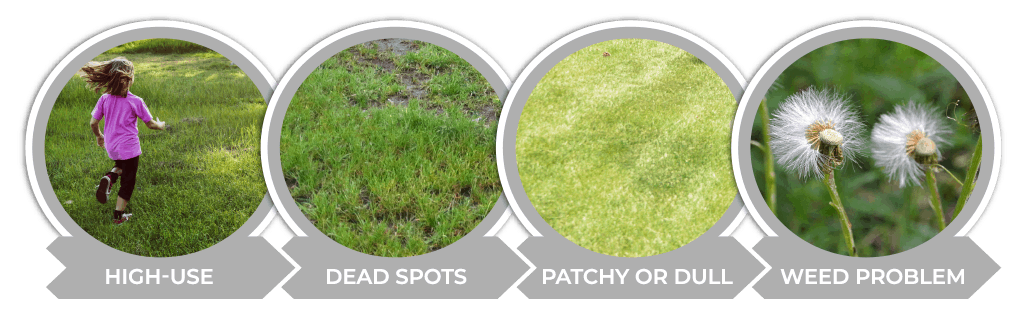
Image Source: www.timberlinelandscaping.com
Deciphering the Best Time to Overseed a Colorado Lawn
The best time to overseed Colorado lawn is during the fall, typically from mid-August through mid-September. This timing is crucial for several reasons. Cool-season grasses, prevalent in Colorado, thrive when temperatures are mild, and the soil is still warm enough for germination. Fall offers this ideal climate.
- Optimal Temperature Range: Cool-season grasses prefer soil temperatures between 50°F and 65°F for germination and early growth. In Colorado, this often occurs in late summer and early autumn.
- Reduced Weed Competition: Spring presents a significant challenge with emerging weeds. By overseeding in the fall, you allow your new grass to establish before the majority of weed seeds germinate in the spring.
- Moisture Availability: While fall can be dry, the cooling temperatures and potential for early snowmelt provide more consistent moisture than the scorching heat of summer.
- Root Development: Overseeding in the fall gives the grass roots ample time to develop before the stress of summer heat and drought arrives.
While fall is the prime time, spring overseeding Colorado is also an option, though it comes with more challenges. If you choose spring, aim for early April through mid-May. However, be prepared for increased competition from weeds and the potential for stressful summer conditions to impact young seedlings.
Preparing Your Colorado Lawn for Overseeding
Successful lawn renovation Colorado starts with proper preparation. Think of it as getting your garden bed ready – the better the foundation, the healthier your plants will grow. This involves several key steps:
1. Mow Low and Bag Clippings
A week before you plan to overseed, mow your existing lawn as short as possible. Crucially, bag the clippings. This removes thatch and opens up the canopy, allowing sunlight and water to reach the soil surface, which is vital for seed germination.
2. Aerate Your Lawn
Aeration is a game-changer for Colorado lawn overseeding. It relieves soil compaction, a common issue in Colorado due to heavy clay soils and foot traffic.
- How it Works: Aeration involves removing small plugs of soil from the lawn, creating holes that allow air, water, and nutrients to penetrate deeper into the root zone.
- Benefits: This dramatically improves seed-to-soil contact, which is essential for germination. It also promotes better root growth and overall turf health.
- Timing: Aerate just before you plan to overseed. The core aerator plugs will break down and help incorporate the new seed.
3. Dethatch (If Necessary)
If your lawn has a thick layer of thatch (dead grass and debris at the soil surface), dethatching is essential. A thatch layer thicker than ½ inch can prevent seeds from reaching the soil.
- Tools: You can use a power dethatcher or a manual rake with stiff tines.
- Technique: Rake vigorously in multiple directions to lift and remove the thatch. Bag the debris.
- Caution: Dethatch only when the grass is actively growing and can recover. Avoid dethatching during extreme heat or drought.
4. Address Bare Spots
For any truly bare patches, consider lightly loosening the soil with a rake or trowel to create a better seedbed. This will give those seeds a significant advantage.
5. Fertilize (Optional, but Recommended)
Applying a starter fertilizer before overseeding can provide the young seedlings with the essential nutrients they need for strong root development. Look for a fertilizer with a higher phosphorus content (the middle number in the N-P-K ratio). Follow the product’s instructions carefully.
Choosing the Right Seed Mix for Colorado Lawns
Selecting the correct grass seed is paramount for Colorado lawn overseeding. The high altitude, intense sun, dry air, and temperature fluctuations all play a role in what thrives here.
Understanding Cool-Season Grasses
Most lawns in Colorado are established with cool-season grasses. These grasses grow best in the spring and fall and can go dormant during the hot, dry summers. Common types include:
- Kentucky Bluegrass (KBG): This is the classic Colorado lawn grass, known for its beautiful blue-green color, excellent cold-season hardiness, and ability to spread and self-repair through rhizomes. However, KBG can be slow to germinate and less drought-tolerant than some other varieties.
- Fescue: Fescues are a diverse group.
- Tall Fescue: It is known for its deep root system, drought tolerance, and shade tolerance. It has a coarser texture than KBG.
- Fine Fescues (Creeping Red, Chewings, Hard): These are excellent for shady areas and are quite drought-tolerant once established. They have a finer texture.
- Perennial Ryegrass: This grass germinates quickly, providing rapid coverage and helping to protect slower-germinating seeds. It’s often used in mixes but can be less cold-hardy and somewhat susceptible to disease in the summer.
Crafting Your Seed Mix
The best seed mix for Colorado lawns often combines different grass types to leverage their strengths.
- For Sunny Areas with Good Traffic: A blend of Kentucky bluegrass and perennial ryegrass is a popular choice for its aesthetics and resilience.
- For Shady Areas or Drought-Prone Spots: Incorporating fine fescues is highly recommended. They can also be blended with Kentucky bluegrass.
- For High-Traffic Areas: Tall fescue offers superior wear tolerance and a deep root system that aids in drought resistance.
Table 1: Common Grass Seed Types and Their Colorado Suitability
| Grass Type | Sun Tolerance | Shade Tolerance | Drought Tolerance | Wear Tolerance | Germination Speed | Colorado Suitability |
|---|---|---|---|---|---|---|
| Kentucky Bluegrass | High | Medium | Medium | Medium | Slow | Excellent for general lawns, needs consistent water. |
| Tall Fescue | Medium | Medium | High | High | Medium | Great for dry areas, high traffic, and slopes. |
| Fine Fescues | Low | High | High | Low | Medium | Ideal for shady areas and low-maintenance zones. |
| Perennial Ryegrass | High | Low | Low | High | Fast | Good for quick establishment, often in mixes. |
When purchasing seed, look for high-quality, certified seed that is specifically blended for your region. Avoid “weed and feed” products or generic “patch kits” that often contain inferior seed and unwanted fillers.
The Art of Overseeding: Step-by-Step
With your preparation complete and your seed in hand, it’s time for the main event. Proper seeding technique is critical for success.
1. Spreading the Seed
- Tools: You can use a broadcast spreader for larger areas or a drop spreader for more precise application, especially around beds and borders. Hand-spreading is also an option for very small areas.
- Calibration: Calibrate your spreader according to the seed manufacturer’s recommendations. It’s better to apply a little less seed and go over the area again than to put down too much, which can lead to weak, spindly grass.
- Application: Divide your seed into two equal parts. Spread the first half in one direction (e.g., north to south) and the second half in the perpendicular direction (e.g., east to west). This ensures even coverage.
2. Ensuring Seed-to-Soil Contact
This is arguably the most crucial step after spreading. New seeds need to be in direct contact with the soil to germinate.
- Light Raking: Gently rake the seeded area to lightly cover the seed with a thin layer of soil (about ¼ inch). This helps protect the seed from birds and drying out.
- Soil Compaction: You can lightly walk over the seeded areas or use a lawn roller (filled with water, not completely) to press the seed into the soil. Avoid heavy compaction, which can hinder germination.
3. Watering Your New Seed
Watering is critical for germination and early seedling establishment.
- Initial Watering: Water the newly seeded area thoroughly but gently, ensuring the soil is moist down to about 2 inches. Avoid creating puddles or washing the seed away.
- Consistent Moisture: The key is to keep the top ½ inch of soil consistently moist until the seeds germinate and the seedlings are established (about 2-3 weeks). This means watering lightly multiple times a day, especially in dry Colorado conditions.
- Gradual Reduction: Once seedlings emerge and reach about an inch tall, gradually increase the watering intervals and duration. Aim for deeper, less frequent watering to encourage deep root growth.
4. Protecting Your Seeded Lawn
- Minimize Traffic: Keep foot traffic, pets, and lawn equipment off the newly seeded areas until the grass is well-established, typically 4-6 weeks after germination.
- Mowing: Once the grass reaches about 3 inches tall, you can mow it for the first time. Never remove more than one-third of the grass blade’s height in a single mowing. Use a sharp mower blade to make clean cuts.
Ongoing Lawn Care Tips Colorado
Maintaining your newly overseeded lawn requires consistent lawn care tips Colorado tailored to our unique climate.
Watering Wisely
- Deep and Infrequent: Once your grass is established, aim for deep watering (6-8 inches deep) once or twice a week, depending on weather conditions. This encourages deep root growth, making your lawn more drought-tolerant.
- Watering Times: Water in the early morning (4 AM to 10 AM) to minimize evaporation and reduce the risk of fungal diseases.
- Monitor Soil Moisture: Use a screwdriver or soil probe to check how deep the water is penetrating.
Fertilization Schedule
- Fall Feeding: Fertilize again in late fall (October/November) after the grass has stopped actively growing but before the ground freezes. This helps the roots store energy for winter.
- Spring Feeding: Apply a balanced fertilizer in late spring once the grass is actively growing.
- Summer: Generally, avoid heavy fertilization during the hot summer months as it can stress the grass.
Weed Control
- Pre-Emergents: Apply pre-emergent herbicides in early spring to prevent annual weeds from germinating.
- Post-Emergents: Spot-treat any emerging weeds with post-emergent herbicides as needed. Healthy, thick turf is the best defense against weeds.
Mowing Habits
- Mow High: Keep your mower set to a higher setting (3-4 inches for most cool-season grasses). Taller grass shades the soil, keeping it cooler and moister, and helps crowd out weeds.
- Sharp Blades: Always use sharp mower blades. Dull blades tear grass, making it susceptible to disease and browning.
- Mulch Clippings: Unless they are excessively long or wet, leave grass clippings on the lawn to return nutrients and moisture to the soil.
Troubleshooting Common Overseeding Issues
Even with careful planning, you might encounter some hurdles. Here are common problems and how to address them:
- Poor Germination: This is often due to lack of seed-to-soil contact, insufficient moisture, or extreme temperatures. Ensure you rake the seed in well and keep the area consistently moist.
- Washing Out Seed: If you experience heavy rains or overwater, seed can wash into clumps or drifts. Gently rake these areas again and lightly reseed if necessary.
- Bird Predation: Birds love fresh grass seed. If this is a persistent problem, consider using a bird deterrent like reflective tape or a scarecrow for the first few days.
- Weed Competition: If weeds sprout before your grass, try to remove them by hand or spot-treat carefully with a selective herbicide once your new grass has been mowed a few times.
Frequently Asked Questions (FAQ)
Q1: How often should I overseed my lawn in Colorado?
For best results and to maintain a thick, healthy lawn, you should aim to overseed your Colorado lawn every 1-2 years in the fall.
Q2: Can I overseed a lawn that has been treated with weed and feed products?
No, you should not overseed a lawn if you have recently applied a weed and feed product. Herbicides in these products can prevent grass seed from germinating. Always check the label for pre-emergent herbicide warnings; most require waiting 4-8 weeks before seeding.
Q3: What is the best grass seed to use for overseeding a Kentucky bluegrass lawn in Colorado?
For overseeding an existing Kentucky bluegrass overseeding Colorado lawn, it’s best to use a high-quality Kentucky bluegrass blend. If you want to improve drought tolerance or shade resistance, consider a mix that includes fine fescues or a more drought-tolerant variety of KBG.
Q4: How long does it take for overseeded grass to establish?
It typically takes about 2-3 weeks for germination to begin, and the grass should be well-established enough for its first mowing about 4-6 weeks after germination. Full establishment can take several months.
Q5: My new grass looks thin. Did I do something wrong?
Thinness can be due to several factors: insufficient seed-to-soil contact, not enough seed applied, poor seed quality, or lack of consistent moisture during germination. Ensure you follow the preparation and seeding steps carefully in the future.
By following these expert guidelines, you can successfully overseed your lawn in Colorado, leading to a lusher, more resilient, and beautiful turf for years to come. Happy seeding!