
Can you get rid of mushrooms in your lawn safely and naturally? Yes, you can! While mushrooms are a natural part of a healthy ecosystem, they can be unsightly and indicate underlying issues in your lawn. This guide will walk you through effective, natural methods for mushroom eradication and help you achieve a healthier, more attractive lawn. We’ll cover everything from understanding why mushrooms appear to the best lawn care for mushrooms and how to prevent them from returning.
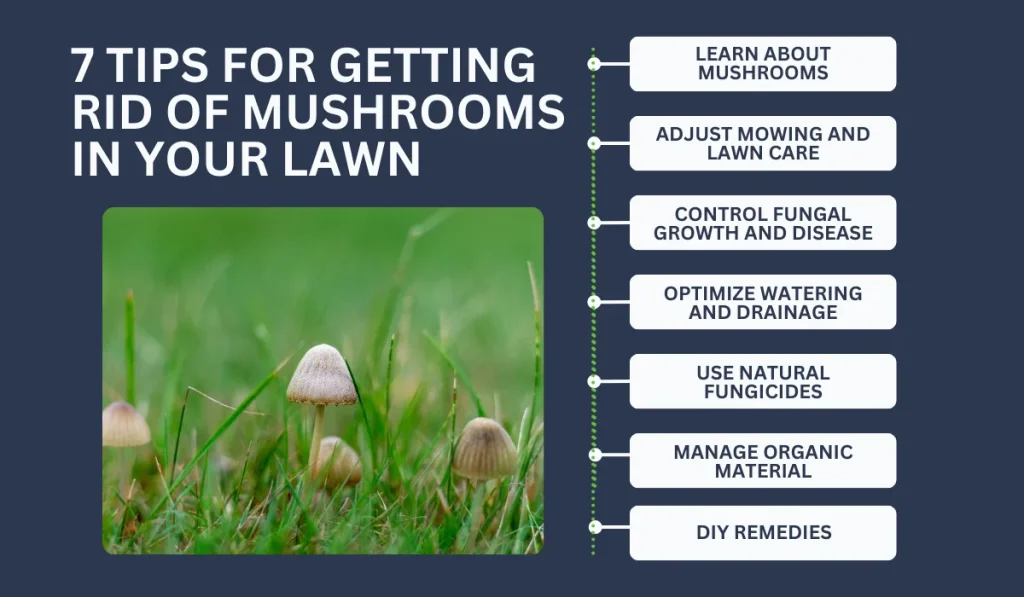
Image Source: sodlawn.com
Why Do Mushrooms Grow in My Lawn?
Mushrooms are the fruiting bodies of fungi that live underground. They sprout up when conditions are right, usually indicating a presence of decomposing organic matter. Fungi are nature’s recyclers, breaking down dead plants, wood, and other organic materials.
Here are the common reasons you might find mushrooms popping up:
- Excessive Thatch: A thick layer of thatch (dead grass clippings, roots, and stems) on your lawn can hold moisture and provide food for fungi.
- Damp Conditions: Mushrooms thrive in moist environments. Overwatering, poor drainage, or even just prolonged periods of rain can create ideal conditions.
- Decomposing Organic Matter: Buried tree stumps, roots, animal waste, or even fallen leaves that haven’t broken down fully can be a food source for fungi.
- Shady Areas: Many types of lawn fungus prefer shady, cooler spots where moisture lingers.
- Compacted Soil: Compacted soil restricts water and air flow, which can lead to excess moisture around the roots, encouraging fungal growth.
- Fairy Rings: These circular patterns of darker green grass, mushrooms, or dead grass are caused by specific types of fungi.
Identifying the Problem: Understanding Lawn Fungus Control
Before you can effectively tackle mushroom eradication, it’s important to understand that mushrooms are a symptom, not the disease itself. The actual problem is the fungal growth beneath the surface. Effective lawn fungus control involves addressing the conditions that allow these fungi to thrive.
Common Lawn Fungus Issues Related to Mushrooms
- Fairy Rings: These are perhaps the most noticeable signs of an underlying fungal issue. They appear as rings of lush, dark green grass, or sometimes dead grass, with mushrooms often appearing around the perimeter. The fungus itself is a network of mycelium growing outwards beneath the soil.
- General Fungal Activity: Even without distinct rings, the presence of numerous mushrooms signifies active fungal decomposition occurring in your lawn.
Natural Methods for Mushroom Removal from Grass
You don’t need harsh chemicals to remove lawn mushrooms. Several natural approaches can be highly effective in removing mushrooms and preventing their return. The key is to focus on improving your lawn’s overall health and eliminating the conditions that fungi love.
1. Physical Removal: The Quickest Way to Remove Lawn Mushrooms
This is the most immediate way to deal with the visual nuisance of mushrooms.
- How to Do It:
- Simply pick the mushrooms by hand or use a trowel to dig them up, ensuring you remove the entire mushroom, including the base.
- If you have a large outbreak, a lawnmower can also help to cut them down, but this doesn’t address the root cause.
- Why It Works: Removing the visible mushrooms stops them from releasing spores into the environment, which can spread the fungus. However, this is a temporary fix for the visible problem.
2. Dethatching Your Lawn
Excess thatch provides a cozy, moist habitat for fungi. Removing it is crucial for good lawn care for mushrooms.
- How to Do It:
- Use a power dethatcher or a stiff-bristled rake to pull out the accumulated dead grass and debris.
- Dethatch in the spring or fall when the grass is actively growing, allowing it to recover more quickly.
- Aim to remove no more than one-third of the thatch layer at a time.
- Why It Works: Dethatching improves air circulation and water penetration, making the soil less hospitable to fungi.
3. Aeration: Letting Your Lawn Breathe
Aeration creates small holes in the soil, which helps to alleviate compaction and improve drainage.
- How to Do It:
- Use a core aerator (which pulls out plugs of soil) or a spike aerator.
- Aerating when the soil is moist but not waterlogged is best.
- Follow aeration with topdressing with compost or a quality soil mix for best results.
- Why It Works: Reduced soil compaction allows air and water to reach the root zone more effectively, drying out the environment that fungi prefer.
4. Improve Drainage
Standing water or overly saturated soil is a fungal paradise.
- How to Do It:
- Check for low spots: Identify areas where water tends to pool after rain.
- Amend the soil: If you have heavy clay soil, incorporate organic matter like compost to improve its structure and drainage.
- Consider French drains: For persistent drainage issues, installing a French drain can redirect excess water away from your lawn.
- Adjust watering schedule: Ensure you are not overwatering your lawn. Water deeply but infrequently.
- Why It Works: Good drainage prevents the prolonged dampness that fuels fungal growth.
5. Manage Soil pH
Fungi can be sensitive to soil pH levels. Testing your soil and adjusting the pH can discourage fungal growth.
- How to Do It:
- Get a soil test from your local extension office or a garden center.
- If your soil is too acidic, lime can be added. If it’s too alkaline, sulfur can be used.
- Follow the recommendations from your soil test results for application rates.
- Why It Works: Maintaining an optimal soil pH (usually between 6.0 and 7.0 for most turfgrasses) supports healthy grass growth, which can outcompete fungi.
6. Use Organic Mulches and Compost
While some organic matter feeds fungi, the right kind applied correctly can improve soil health without encouraging mushrooms.
- How to Do It:
- When topdressing after aeration or overseeding, use high-quality compost.
- If you have trees or shrubs, ensure mulch is kept a few inches away from the lawn’s edge to prevent moisture buildup against the grass.
- Why It Works: Healthy soil with good organic matter content supports beneficial microbes that can compete with disease-causing fungi.
7. Baking Soda Solution: A Natural Fungicide
Baking soda can act as a mild fungicide.
- How to Do It:
- Mix 1 tablespoon of baking soda with 1 gallon of water.
- Add a few drops of liquid soap (like pure castile soap) to help the solution stick to the mushrooms.
- Spray the affected areas thoroughly, targeting the mushrooms directly.
- Apply in the early morning or late evening to avoid scorching the grass in direct sunlight.
- Why It Works: Baking soda alters the pH on the surface of the mushroom and the surrounding grass, making it less hospitable for fungal growth.
- Caution: Test on a small area first to ensure it doesn’t harm your grass.
8. Vinegar Solution: Another Natural Approach
Diluted vinegar can also help to kill fungi.
- How to Do It:
- Mix 1 part white vinegar with 4 parts water.
- Add a drop of dish soap.
- Spray directly onto the mushrooms.
- Why It Works: The acidity of vinegar can kill the fungal cells on contact.
- Caution: Vinegar can also damage grass, so use sparingly and test in an inconspicuous area first.
9. Ammonia Solution: A Stronger Natural Deterrent
Ammonia can be effective, but it needs careful handling.
- How to Do It:
- Mix 1 tablespoon of household ammonia with 1 gallon of water.
- Spray directly onto the mushrooms and the surrounding affected area.
- Why It Works: Ammonia is toxic to fungi.
- Caution: This can burn grass if applied too strongly or in direct sun. Use it carefully and only on the mushrooms themselves if possible.
10. Corn Gluten Meal: A Pre-emergent and Natural Fertilizer
While primarily known as a pre-emergent for weeds, corn gluten meal also has properties that can inhibit fungal growth.
- How to Do It:
- Apply a granular application of corn gluten meal in early spring before mushroom season typically begins.
- Follow the product’s instructions for application rates.
- Why It Works: Corn gluten meal inhibits root formation in many plants, including fungi, and can suppress their growth. It also acts as a natural fertilizer.
Special Considerations: Kill Fairy Rings Naturally
Fairy rings require a more targeted approach as the fungus is deeply established.
- How to Kill Fairy Rings:
- Physical disruption: For smaller fairy rings, try to disrupt the mycelium by spiking the area with a garden fork and watering deeply. This can help break up the fungal network.
- Topdressing with nitrogen: In some cases, applying a nitrogen-rich organic fertilizer to the area outside the ring can encourage the grass to grow over the affected area, masking the ring.
- Baking soda or vinegar treatments: These natural sprays can also be applied to the rings, focusing on the mushrooms as they appear, and the soil within the ring.
When to Consider Fungicides for Lawns
While the goal is natural control, in severe cases, you might consider fungicides for lawns. However, it’s important to choose wisely and understand the implications.
- Types of Fungicides:
- Synthetic Fungicides: These are powerful but can harm beneficial soil organisms and may require repeated applications. They often target specific fungal diseases.
- Organic Fungicides: Some commercially available organic fungicides are derived from natural sources like sulfur, copper, or beneficial microbes. These are generally considered safer for the environment but may be less potent.
- When to Use:
- If natural methods fail to control a widespread or persistent problem.
- If the fungal issue is causing significant damage to your turf.
- Important Considerations:
- Identify the fungus: If possible, identify the specific fungus causing the problem to choose the most effective treatment.
- Follow instructions carefully: Always read and follow the label instructions for any fungicide you use.
- Spot treat: Apply fungicides only to the affected areas rather than the entire lawn.
- Consider the environment: Be aware of potential impacts on pollinators, pets, and other wildlife.
Preventing Lawn Mushrooms: Proactive Lawn Care for Mushrooms
The best way to manage mushrooms is to prevent them from appearing in the first place. This involves consistent, healthy lawn care practices.
Key Strategies to Prevent Lawn Mushrooms
- Regular Mowing: Keep your grass at the recommended height for your grass type. Taller grass shades the soil, which can keep it moist, but overly short grass stresses the turf, making it more susceptible to disease.
- Proper Watering: Water deeply and less frequently. Aim for about 1 inch of water per week, either from rain or irrigation. Water in the morning so the grass has time to dry before nightfall.
- Consistent Fertilization: Feed your lawn with a balanced fertilizer at the right times of the year. Healthy, vigorous grass can better compete with fungi.
- Seasonal Cleanup: Rake up fallen leaves and debris promptly. Remove pet waste regularly.
- Improve Soil Health: Continue to aerate and dethatch as needed to prevent thatch buildup and soil compaction.
- Overseed Bare Patches: Quickly reseed any bare spots to prevent weed seeds and fungal spores from taking hold.
Understanding the Role of Mycelium in Mushroom Growth
It’s worth reiterating that the mushroom is just the tip of the iceberg. The real organism is the mycelium, a network of thread-like structures spreading through the soil. This mycelium is what breaks down organic matter. While you can remove the mushrooms, long-term mushroom eradication relies on managing the conditions that allow the mycelium to thrive.
Natural Mushroom Eradication: A Summary Table
Here’s a quick reference for natural mushroom eradication methods:
| Method | How it Works | When to Apply | Notes |
|---|---|---|---|
| Physical Removal | Removes visible mushrooms, stops spore release. | As soon as mushrooms appear. | Temporary solution; doesn’t address the root cause. |
| Dethatching | Reduces thatch, improves air and water flow. | Spring or Fall. | Crucial for preventing fungal habitat. |
| Aeration | Relieves soil compaction, improves drainage and air flow. | Spring or Fall. | Helps dry out soil, making it less hospitable to fungi. |
| Improve Drainage | Prevents waterlogged soil. | Ongoing, especially after rain. | Address low spots, amend soil, or install drainage systems. |
| Manage Soil pH | Creates an environment less favorable to specific fungi. | Based on soil test results. | Aim for 6.0-7.0 for most turfgrass. |
| Baking Soda Solution | Alters surface pH to inhibit fungal growth. | As needed, when mushrooms appear. | Test on a small area first. |
| Vinegar Solution | Acidity kills fungal cells on contact. | As needed, when mushrooms appear. | Test on a small area first; can damage grass. |
| Ammonia Solution | Toxic to fungi. | As needed, when mushrooms appear. | Use with caution; can burn grass. |
| Corn Gluten Meal | Inhibits root development in fungi and other plants. | Early spring. | Also acts as a natural fertilizer and weed pre-emergent. |
| Proper Watering & Mowing | Promotes healthy turf that outcompetes fungi. | Ongoing. | The foundation of good lawn care for mushrooms. |
| Cleanup of Organic Matter | Removes food sources for fungi. | Regularly, especially after storms. | Leaves, twigs, pet waste, etc. |
Frequently Asked Questions (FAQ) about Lawn Mushrooms
Q1: Are lawn mushrooms dangerous to my pets or children?
Most common lawn mushrooms are not inherently dangerous to touch. However, some species can be toxic if ingested. To be safe, it’s best to remove any mushrooms from your lawn, especially if you have pets or young children who might be tempted to eat them. Always err on the side of caution and remove them.
Q2: Do I need to remove every single mushroom I see?
While removing every single mushroom isn’t always strictly necessary for controlling the underlying fungus, it’s highly recommended. Mushrooms are the reproductive structures of fungi; they release spores that can spread the fungal infection. Removing them helps limit this spread, especially if you’re trying to get rid of them.
Q3: My lawn is always wet. What can I do to improve drainage naturally?
Improving drainage naturally often involves a multi-pronged approach. Aerating your lawn regularly helps to break up compacted soil. You can also amend your soil with organic matter like compost, which improves its structure and allows water to penetrate more effectively. For persistent issues, consider installing French drains or regrading problem areas.
Q4: How long does it take to get rid of lawn mushrooms?
Natural mushroom eradication is a process that focuses on improving lawn health and removing favorable conditions. It can take several weeks to a few months to see a significant reduction in mushrooms, and even longer to eliminate the underlying fungal problem entirely. Consistency with your lawn care practices is key.
Q5: Can I use compost to fertilize my lawn if I have mushrooms?
Yes, using high-quality compost is generally beneficial for your lawn, even if you have mushrooms. Compost improves soil health, adds nutrients, and can help balance soil pH, all of which contribute to a healthier turf that is more resistant to fungal diseases. Ensure the compost is well-decomposed and not introducing new disease sources.
By implementing these natural strategies and maintaining consistent, healthy lawn care practices, you can effectively manage and eliminate mushrooms from your lawn, fostering a greener, healthier turf for you to enjoy.