
Can you keep bees out of your yard without harming them? Yes, you can keep bees out of your yard safely and naturally by creating an environment that is less appealing to them, using natural deterrents, and employing humane removal techniques. This comprehensive guide will explore various methods for effective pest control without resorting to harmful chemicals, ensuring your garden remains a pleasant space for you and a safe haven for beneficial pollinators. We’ll delve into creating insect barriers, implementing natural deterrents, and offering advice on humane removal when necessary.
Bees are vital for our ecosystem, playing a crucial role in pollination. However, there are times when their presence in your yard can be a concern, especially if you or your loved ones have allergies or if they are congregating in areas where they are not welcome. This article aims to provide you with the knowledge to manage bee presence effectively, focusing on methods that prioritize safety and the well-being of these important insects. We’ll also touch upon related issues like managing mosquito traps and other backyard insects that might also be a nuisance.
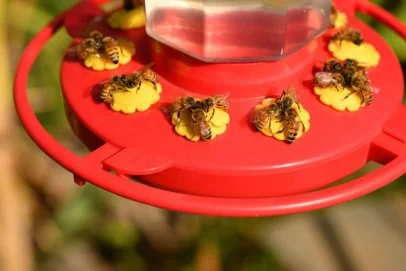
Image Source: hgtvhome.sndimg.com
Why Bees Visit Your Yard
Before we discuss how to keep bees out, it’s helpful to know why they are attracted to your yard in the first place. Bees are primarily looking for food sources: nectar and pollen. They are also attracted to water and suitable nesting sites.
Food Sources
- Flowering Plants: This is the most significant attractant. Bees are drawn to plants with abundant nectar and pollen. Some of the most appealing plants for bees include:
- Lavenders
- Sunflowers
- Borage
- Comfrey
- Many fruit trees and berry bushes
- Sweet Substances: Spilled sugary drinks, fallen ripe fruit, or even certain types of compost can attract bees.
Water Sources
Bees need water, especially during hot weather. Bird baths, pet water bowls, or even puddles can be a water source.
Nesting Sites
While most people think of honeybees in hives, many types of bees are solitary nesters. They can nest in the ground, in hollow stems, or in wood cavities. Overly tidy yards can sometimes eliminate natural nesting sites, paradoxically pushing some bees towards more sheltered, less desirable locations within your property.
Natural Deterrents for Bees
The key to keeping bees out of specific areas of your yard is to make those areas less inviting while ensuring other parts of your yard remain attractive for pollination. This involves strategic planting and the use of natural bee repellent methods.
Strategic Planting
While we want to keep bees away from certain areas, it’s important not to eliminate all bee-friendly plants. Instead, focus on directing their attention.
- Plant Bee-Friendly Flowers Away from High-Traffic Areas: Consider creating a dedicated “pollinator garden” in a corner of your yard, away from patios, play areas, or entrances. This can lure bees to a specific zone.
- Choose Plants Less Appealing to Bees: Some plants are less attractive to bees than others. If you need to deter them from a specific area, consider planting these types of plants there. However, research thoroughly, as even these might attract certain bee species.
Scent-Based Deterrents
Certain strong scents can act as a natural deterrent for bees. These are generally safe for humans and pets and don’t harm the bees.
- Essential Oils:
- Peppermint Oil: Bees dislike the strong scent of peppermint. Mix 10-15 drops of peppermint essential oil with water in a spray bottle. You can also place cotton balls soaked in peppermint oil around areas you want to keep bee-free.
- Eucalyptus Oil: Similar to peppermint, the strong scent of eucalyptus can deter bees.
- Citronella Oil: Commonly used for mosquito traps, citronella also has properties that can repel bees.
- Tea Tree Oil: Another potent essential oil that can deter bees.
- Other Scented Plants:
- Cucumbers: The scent of cucumber peels is thought to be unpleasant for bees. You can place cucumber peels in areas you want to protect.
- Mint: Planting mint varieties (like spearmint or peppermint) around the perimeter of problem areas can create a natural barrier. Ensure you plant mint in containers, as it can spread aggressively.
- Wormwood: This herb has a strong, bitter scent that can deter bees and other insects.
How to Use Scent Deterrents Effectively:
- Regular Reapplication: Essential oil sprays will need to be reapplied regularly, especially after rain or watering, as the scent dissipates.
- Concentration Matters: Use a sufficient concentration of the essential oil. Too diluted, and it won’t be effective.
- Targeted Application: Apply directly to surfaces where bees are a problem, like window frames, door entrances, or picnic tables.
Creating Physical Insect Barriers
Physical barriers can effectively prevent bees from accessing specific areas of your yard without causing them harm.
Netting and Screens
- Window and Door Screens: Ensure all windows and doors have intact screens. Repair any tears or holes promptly. This is a simple yet effective way to prevent bees from entering your home.
- Protective Covers for Plants: If you have specific plants that are attracting too many bees and you wish to protect them temporarily, you can use fine-mesh netting. This allows sunlight and water to pass through but keeps insects out. This is particularly useful for fruit trees during their blooming period if you want to protect developing fruit.
Yard Design and Landscaping
Consider your landscaping choices as a form of insect barriers.
- Strategic Planting Layout: As mentioned earlier, plant highly attractive bee-friendly flowers further away from your house and seating areas. Closer to your home, opt for plants that are less appealing or use the scent deterrents.
- Water Management: Avoid leaving standing water around your property. Empty pet bowls and bird baths regularly if bees become a nuisance around them. Consider placing bird baths in areas you don’t frequent.
Humane Removal and Relocation
Sometimes, bees may have already established a nest in an inconvenient location. In such cases, humane removal is the best approach.
Identifying Bee Nests
- Honeybee Swarms: A swarm of bees is a temporary cluster of bees looking for a new home. They are usually not aggressive.
- Established Hives: Honeybees can establish nests in cavities like wall voids, chimneys, or hollow trees.
- Bumblebee Nests: Bumblebees often nest in the ground, in old rodent burrows, or in dense vegetation.
- Solitary Bee Nests: These are individual nests made by solitary bees in the ground or in tunnels.
What to Do If You Find a Nest
- Do Not Disturb: The most crucial advice is to leave the nest alone if it’s not in a direct pathway or posing an immediate threat. Many bees will naturally disperse after a short period.
- Contact a Professional: If a nest is in a location that requires removal, contact a local beekeeper or a pest control service specializing in humane removal. Many beekeepers are happy to collect swarms or relocate established hives. This ensures the bees are safely rehoused and don’t simply perish.
- DIY Removal (with extreme caution): If you are experienced with bees and have the proper protective gear, you might consider DIY removal. However, this is generally not recommended for the average homeowner due to the risk of stings and the complexity of bee behavior.
Important Note: It’s vital to correctly identify the type of bee. Wasps and hornets can be aggressive and require different pest control strategies. If you are unsure, consult a professional.
Managing Other Backyard Insects
While focusing on bees, it’s worth noting that many of the principles for safe bug control can apply to other backyard insects, including mosquitoes.
Mosquito Control Strategies
- Eliminate Standing Water: Mosquitoes breed in stagnant water. Regularly check and empty anything that can hold water, such as gutters, bird baths, old tires, and plant saucers.
- Use Mosquito Traps: Various mosquito traps use attractants like CO2, heat, or light to lure mosquitoes and then capture or kill them. These can be effective in reducing mosquito populations in your yard.
- Natural Repellents: Planting certain herbs like citronella, rosemary, and basil can help deter mosquitoes. Citronella candles or torches are also popular.
- Encourage Natural Predators: Dragonflies and bats are natural predators of mosquitoes. Creating a habitat that attracts them can help control mosquito populations.
General Safe Bug Control Practices
- Regular Yard Maintenance: Keep your lawn mowed and trim overgrown vegetation. This reduces hiding places for various insects, including bees and wasps.
- Seal Entry Points: Besides screens, seal any cracks or holes in your home’s foundation or walls that insects might use to enter.
- Cleanliness: Keep outdoor areas clean. Promptly clean up spills, especially sugary ones, and dispose of garbage properly in sealed bins.
What Not To Do
There are methods that people might consider for pest control that are harmful to bees and should be avoided.
Avoid Insecticides
- Chemical Sprays: Never use broad-spectrum insecticides in your yard. These chemicals are indiscriminate and will kill bees, butterflies, and other beneficial insects. They can also contaminate pollen and nectar, harming bees that consume them.
- “Bug Zappers”: While these devices kill flying insects, they often kill a large number of beneficial insects, including bees and pollinators, along with the pests.
Do Not Seal Bee Nests Directly
If you discover a bee nest in your wall or a cavity, do not seal the entrance. This will trap the bees inside, and they may find another way out, potentially into your home. Furthermore, if it’s a honeybee hive, the honey inside can ferment and attract other pests.
Plants That Attract Bees (For Designated Areas)
To successfully redirect bees, you need to know which plants are most appealing. Planting these in a designated “pollinator garden” can be highly effective.
| Plant Type | Examples | Benefits for Bees |
|---|---|---|
| Herbs | Lavender, Borage, Rosemary, Thyme, Mint | High nectar and pollen production, long bloom time |
| Flowering Shrubs | Butterfly Bush, Lilac, Forsythia | Abundant blooms, attractive fragrances |
| Perennials | Coneflower (Echinacea), Bee Balm (Monarda), Salvia | Rich in nectar, variety of bloom times |
| Annuals | Sunflowers, Marigolds, Zinnias | Easy to grow, continuous blooming |
| Fruit Trees | Apple, Cherry, Plum | Crucial early-season pollen and nectar source |
Plants Less Appealing to Bees (For Areas to Deter Them)
While no plant is entirely repellent to all bees, some are less attractive.
- Carnivorous Plants: Pitcher plants, Venus flytraps.
- Ornamental Grasses: Many varieties offer visual appeal without significant nectar.
- Ferns: Primarily grown for their foliage.
- Certain Varieties of Hydrangeas: While some hydrangeas attract bees, the double-flowered varieties often have less accessible pollen and nectar.
- Plants with Strong, Unpleasant Scents (for bees): Geraniums (certain types), Rue.
FAQ Section
Q1: What is the safest way to get rid of bees in my yard?
The safest way is to use natural deterrents and create physical insect barriers. If a nest is present, humane removal by a professional beekeeper is the safest option. Avoid chemical pesticides.
Q2: Can I spray my yard to keep bees away?
It is strongly advised not to spray your yard with general insecticides. Instead, use targeted applications of natural bee repellent like diluted essential oils on surfaces where bees are a problem.
Q3: What plants will repel bees?
Plants like mint, cucumber peels, and wormwood are often cited as having scents that can deter bees. However, their effectiveness can vary, and it’s best to use these in conjunction with other methods.
Q4: How do I remove a bee nest without killing the bees?
Contact a local beekeeper or a pest control service that offers humane removal. They have the expertise and equipment to safely relocate bee colonies.
Q5: What are some natural deterrents for bees?
Natural deterrents include essential oils like peppermint, eucalyptus, and citronella, as well as plants with strong scents such as mint and cucumber peels.
Q6: How can I prevent bees from entering my house?
Ensure all windows and doors have intact screens. Seal any cracks or openings in your home’s exterior. Keep doors and windows closed when bees are particularly active.
Q7: Are there any good natural pest control options for bees?
Yes, strategic planting, scent-based natural deterrents, and physical insect barriers are excellent natural pest control methods for bees.
Q8: What should I do if a bee lands on me?
Stay calm and avoid swatting. Bees typically only sting if they feel threatened. Slowly move away from the area or gently brush the bee off with a piece of paper or cloth if it persists.
By implementing these natural and humane strategies, you can effectively manage the presence of bees in your yard, ensuring a safe and enjoyable outdoor space for everyone while respecting the vital role bees play in our environment. Remember, the goal is not to eliminate bees entirely but to coexist peacefully and safely.