
Can you easily get rid of zoysia grass? Yes, you can remove zoysia grass, but it requires patience and persistence. Zoysia grass is a warm-season turfgrass known for its dense growth and resilience. This makes it an excellent choice for many lawns, but it can also be a nuisance if you want to replace it with a different type of grass or other landscaping. This guide will cover everything you need to know about zoysia grass removal, from manual methods to chemical solutions, ensuring you can effectively tackle killing zoysia grass and achieve your landscaping goals.
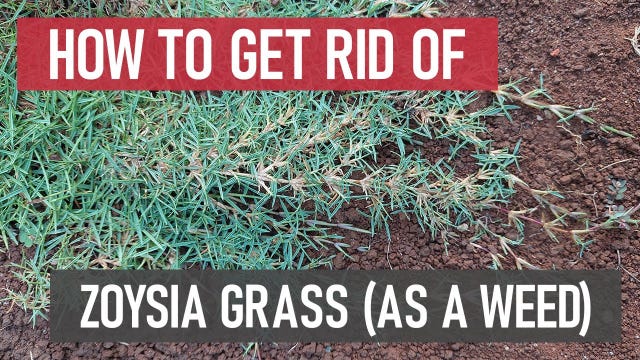
Image Source: www.solutionsstores.com
Why You Might Want to Remove Zoysia Grass
Before diving into the how, it’s helpful to consider why someone might want to remove zoysia grass. While it offers many benefits, there are valid reasons to pursue eliminating zoysia.
- Desire for a Different Grass Type: You might prefer a cool-season grass for your climate or a grass that requires less maintenance.
- Renovation Project: Zoysia’s aggressive rhizomes and stolons can make it difficult to establish other plants or features in your lawn.
- Overgrowth and Invasiveness: In some areas, zoysia can spread into garden beds or other undesirable locations.
- Pest or Disease Issues: Severe infestations of pests or diseases specific to zoysia might necessitate its removal.
Methods for Zoysia Grass Removal
Zoysia grass management can be challenging, but several effective methods exist for its removal. These range from completely manual efforts to chemical treatments, with some blending both for optimal results.
1. Manual Zoysia Removal: The Labor-Intensive Approach
If you prefer to avoid chemicals or are dealing with a small area, manual zoysia removal is an option. This method relies on physical labor to dig up the grass and its root system.
Digging and Pulling
- Tools: You’ll need a sturdy spade or shovel, a garden fork, and possibly a wheelbarrow for debris.
-
Process:
- Soften the Soil: Water the area thoroughly a day or two before you plan to dig. This makes the soil softer and easier to work with, helping you get more of the root system.
- Cut into Sections: Use your spade to cut the zoysia sod into manageable sections. Aim to dig deep enough to get under the majority of the root system, including the rhizomes (underground stems) and stolons (above-ground runners).
- Pry and Lift: Use the spade or garden fork to pry up each section of sod. Try to lift it in one piece if possible.
- Remove Roots: Shake off as much soil as possible from the lifted sod. Inspect the area for any remaining roots or rhizomes and remove them by hand or with the spade.
- Dispose of Sod: Properly dispose of the removed sod. Do not compost zoysia sod unless you are absolutely certain it will not re-root. High temperatures in a compost pile are usually needed to kill it.
-
Pros:
- Chemical-free.
- Immediate results in terms of removal.
- Environmentally friendly.
- Cons:
- Extremely labor-intensive, especially for large areas.
- Difficult to remove every single root, leading to potential regrowth.
- Can be back-breaking work.
Smothering (Solarization or Sheet Mulching)
This method uses a barrier to block sunlight and air, effectively killing the grass over time.
-
Solarization:
- Mow Low: Mow the zoysia grass as short as possible.
- Water: Water the area well.
- Cover: Cover the entire area with a clear plastic tarp. Secure the edges with rocks, bricks, or soil to trap heat and moisture.
- Wait: Leave the tarp in place for 4-6 weeks during the hottest part of the year. The trapped heat will cook the grass and its roots.
- Remove and Re-seed: After the solarization period, remove the tarp. The zoysia should be dead. You can then prepare the soil for new planting.
-
Sheet Mulching (Lasagna Gardening):
- Mow Low: Mow the zoysia grass very short.
- Apply Cardboard: Lay down a thick layer of plain corrugated cardboard (remove all tape and labels) directly over the zoysia. Overlap the edges generously to prevent light from reaching the grass.
- Add Organic Matter: Cover the cardboard with a thick layer of organic materials like compost, shredded leaves, grass clippings, and aged manure.
- Water: Water the entire layer thoroughly.
- Wait: Allow the organic matter to decompose over several months. This process will kill the zoysia grass beneath.
-
Pros:
- Chemical-free.
- Less physically demanding than digging.
- Improves soil quality (sheet mulching).
- Cons:
- Takes a significant amount of time (weeks to months).
- Requires covering a large area.
- Solarization is most effective in hot weather.
2. Chemical Zoysia Removal: The Herbicide Route
Using herbicides is often the most effective and efficient way to achieve thorough killing zoysia grass. This requires careful selection of the right product and application method.
Non-Selective Herbicides
Non-selective herbicides, like glyphosate (found in products like Roundup), will kill any plant they come into contact with. This makes them ideal for completely clearing an area.
- How it Works: Glyphosate is absorbed by the leaves and translocates to the roots, killing the entire plant. It is generally considered non-persistent in the soil.
-
Application:
- Mow Low: Mow the zoysia grass as short as possible without scalping it. This allows the herbicide to reach the plant’s active growth points more effectively.
- Wait for Active Growth: Apply the herbicide when the grass is actively growing and healthy. Avoid applying when temperatures are extremely hot or when rain is expected.
- Apply Evenly: Use a sprayer to apply the herbicide evenly over the zoysia grass. Ensure good coverage of the leaf blades.
- Follow Label Instructions: Crucially, always read and follow the product label instructions carefully. This includes recommended mixing ratios, application rates, safety precautions (wear gloves, eye protection, and long sleeves), and re-entry times.
- Wait for Browning: It typically takes 7-14 days for the grass to show signs of dying (browning and wilting).
- Second Application (if needed): For zoysia, a second application may be necessary to ensure complete eradication, especially if you see regrowth from the rhizomes. Wait for any regrowth to emerge before applying again.
- Remove Dead Grass: Once the grass is completely dead, you can rake it up and dispose of it.
- Wait Before Replanting: Check the herbicide label for recommended waiting periods before planting new seeds or sod.
-
Pros:
- Highly effective for complete eradication.
- Relatively quick results compared to smothering.
- Less physically demanding than manual removal.
- Cons:
- Kills all vegetation it contacts, so care must be taken to avoid desirable plants.
- Requires careful handling and adherence to safety guidelines.
- Potential environmental concerns if not used responsibly.
Selective Herbicides (for “Zoysia Weed Control”)
While zoysia grass itself is a desirable turfgrass in many contexts, sometimes it’s considered a “weed” in a new lawn being established with a different grass type, or it’s growing where you want a garden. In these specific scenarios, you might look for herbicides that target zoysia while leaving other plants unharmed. This is where zoysia weed control becomes relevant.
- Broadleaf Weed Killer on Zoysia: It’s important to note that most “broadleaf weed killers” are designed to kill broadleaf plants (like dandelions, clover, etc.) and leave grasses unharmed. Therefore, using a standard broadleaf weed killer will not kill zoysia grass.
-
Herbicides that Target Grasses: To selectively remove zoysia from other desirable plants, you would need a herbicide specifically formulated to target certain types of grasses. Products containing fluazifop-p-butyl or sethoxydim are examples of post-emergent zoysia herbicides that can kill grass species while often being safe for broadleaf plants. However, you must always check the product label to confirm it is safe for the other plants in your landscape or lawn.
- Pre-emergent Zoysia Control: If your goal is to prevent zoysia from spreading into an area where it’s not wanted (like a flower bed), you might consider pre-emergent zoysia herbicides. These prevent weed seeds from germinating. However, zoysia primarily spreads via rhizomes and stolons, so pre-emergents are less effective for controlling established zoysia plants themselves. They are more useful for stopping new growth from seed.
Important Considerations for Chemical Removal:
- Timing: The best time to apply herbicides is when the grass is actively growing and temperatures are between 65-85°F (18-29°C). Avoid applying during drought stress or when frost is expected.
- Wind: Do not apply herbicides on windy days, as drift can damage or kill nearby desirable plants.
- Watering: Water the lawn a day or two before applying herbicide to ensure the grass is actively growing. Avoid watering for 24-48 hours after application, as rain can wash off the herbicide and reduce its effectiveness.
- Label is Law: Always read and follow the instructions on the herbicide label. This is critical for safety, effectiveness, and environmental protection.
3. Combining Methods for Maximum Effectiveness
Often, the most successful approach to eliminating zoysia involves combining methods.
- Digging Followed by Herbicide: After manually digging out the bulk of the zoysia, you might treat any remaining patches or areas where roots might have been missed with a non-selective herbicide.
- Herbicide Followed by Digging: Killing the top growth with a herbicide can sometimes make manual removal easier, as the grass may wilt and lift away from the soil more readily. However, this is often unnecessary if the herbicide is effective.
- Solarization/Sheet Mulching Followed by Re-seeding: Once the zoysia is dead from smothering, you can directly prepare the soil and re-seed with your desired grass type or plant other landscaping features.
Steps for Preparing the Area After Zoysia Removal
Once you’ve successfully killed or removed the zoysia grass, the work isn’t entirely done. Proper preparation is key to ensuring your new lawn or garden thrives.
- Clear Debris: Rake up all dead grass, roots, and any remaining sod. Dispose of this material properly.
- Soil Amendment: Zoysia’s dense root system can compact the soil. It’s often beneficial to till or aerate the soil to loosen it up.
- Soil Testing: Get a soil test to determine the pH and nutrient levels. This will guide you on what amendments, such as lime or fertilizer, are needed.
- Add Topsoil/Compost: Incorporate a layer of good quality topsoil or compost to improve soil structure and fertility.
- Prepare for New Planting: Whether you’re seeding a new lawn, laying sod, or planting flowers, prepare the soil according to the requirements of your chosen plants. For new grass, ensure a fine, firm seedbed.
Dealing with Regrowth and Persistent Zoysia
Even with the best efforts, a few stubborn zoysia roots might survive. Be prepared for potential regrowth.
- Vigilance is Key: Regularly inspect the treated area for any signs of green zoysia shoots.
- Spot Treatment: If you see small patches of zoysia appearing, either dig them out immediately or apply a spot treatment of glyphosate.
- Prevention: If you’re establishing a new lawn with a different grass type, consider using pre-emergent zoysia treatments around the perimeter of your lawn to prevent its spread from neighboring areas.
Zoysia Grass Management: A Broader Perspective
While this article focuses on removal, it’s worth noting that zoysia grass management in general is about understanding its growth habits. It spreads aggressively via rhizomes and stolons, forming a thick, dense sod. This is why it’s so hard to get rid of. It tolerates drought and heat well but can suffer in shade. Knowing these traits helps explain why methods that target its roots and runners, like herbicides or deep digging, are most effective for killing zoysia grass.
Frequently Asked Questions (FAQ)
Here are answers to common questions about removing zoysia grass:
Q1: Can I kill zoysia grass with salt?
A1: While salt can kill plants, it also sterilizes the soil for an extended period, making it unsuitable for growing anything else. It’s generally not recommended for lawn renovation.
Q2: How long does it take to get rid of zoysia grass?
A2: This depends on the method. Manual removal can be done in a weekend for a small area, but regrowth is likely. Herbicidal treatment typically takes 1-3 weeks for the grass to die completely, with potential follow-up treatments needed. Smothering can take several months.
Q3: Will Roundup kill zoysia grass?
A3: Yes, glyphosate-based herbicides like Roundup are effective at killing zoysia grass. Multiple applications might be necessary for complete eradication.
Q4: Can I plant new grass immediately after killing zoysia with herbicide?
A4: You must wait for the herbicide to break down in the soil. Always check the product label for specific re-entry or replanting intervals. Most glyphosate products are safe for replanting after a short period, but it’s crucial to verify.
Q5: My neighbor’s zoysia is spreading into my yard. What can I do?
A5: To prevent encroachment, you can dig a trench along the property line or install a physical barrier, like edging. You can also use a targeted herbicide application on any zoysia that crosses into your yard. For general lawn health, maintaining a thick, healthy lawn of your preferred grass type can help it compete against invading zoysia.
Q6: Is there a natural way to remove zoysia grass?
A6: Yes, natural zoysia removal involves manual digging and pulling, or smothering techniques like solarization or sheet mulching. These methods are chemical-free but can be more time-consuming and labor-intensive.
By following these detailed steps and choosing the method that best suits your needs and capabilities, you can successfully achieve zoysia grass removal and create the lawn or garden of your dreams. Remember that patience and persistence are key to overcoming the resilience of this hearty grass.