
Image Source: www.attainable-sustainable.net
How To Get Rid Of White Butterflies In The Garden
Yes, you can get rid of white butterflies in your garden by using a combination of preventative measures, manual removal, and natural deterrents, focusing on disrupting their life cycle and making your garden less appealing to them.
White butterflies, often recognized by their delicate wings, can quickly transform from a charming garden visitor into a persistent problem. While they add a touch of beauty, their larvae, commonly known as cabbage worms, can wreak havoc on vegetable crops and ornamental plants. This guide will delve deep into effective garden pest removal strategies to help you manage and eliminate these unwelcome guests, addressing butterfly infestations comprehensively. We’ll explore various pest control methods, from simple manual tactics to more advanced organic pest control solutions, ensuring your garden thrives without the constant threat of these fluttering nuisances.
Deciphering the White Butterfly Problem
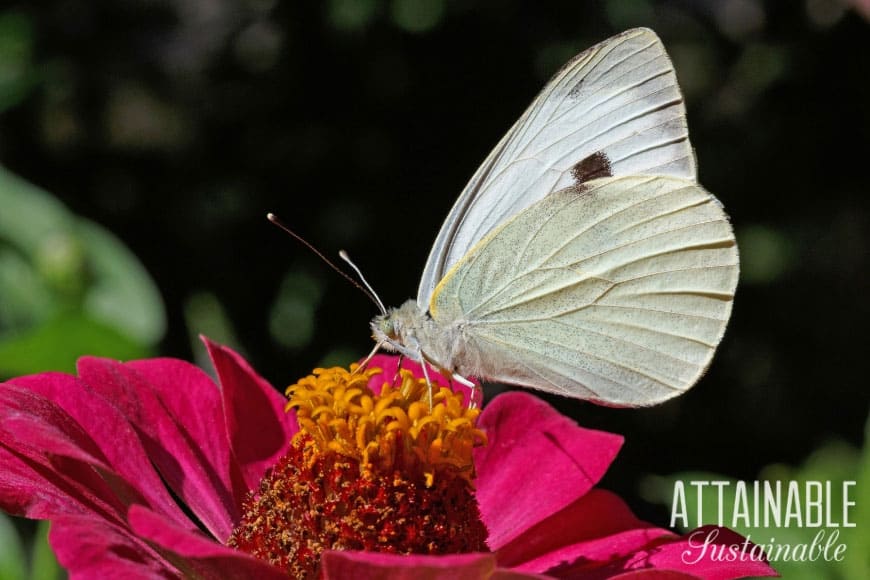
The most common culprits behind the white butterfly menace in many gardens are members of the Pieridae family, particularly the Cabbage White butterfly (Pieris rapae). These small, white or pale yellow butterflies are prolific egg-layers, and their offspring are the true source of garden damage.
Key characteristics of white butterflies and their larvae:
- Adult Butterflies: Typically white with black markings on their wings, though variations exist. They are attracted to nectar-rich flowers and, crucially, the plants on which they lay their eggs.
- Eggs: Tiny, often yellowish or pale green, laid singly or in small clusters on the undersides of leaves.
- Larvae (Cabbage Worms): Velvety green caterpillars with a subtle stripe or two along their bodies. They are voracious eaters, with a particular fondness for brassicas (cabbage family), but will also happily munch on other leafy greens and some flowers. Their feeding creates characteristic holes in leaves, weakening plants and reducing yields.
Strategies for Cabbage White Control and Prevention
Effective cabbage white control begins with proactive measures and a thorough understanding of the pest’s life cycle. The goal is to disrupt their ability to reproduce and feed, thereby preventing significant damage.
Early Detection and Monitoring
The first line of defense is vigilance. Regularly inspecting your plants, especially the undersides of leaves, can help you spot eggs or early-stage caterpillars before they become a major issue.
- Daily checks: Make it a habit to walk through your garden each day.
- Focus areas: Pay close attention to plants in the brassica family (broccoli, cabbage, cauliflower, kale, Brussels sprouts), as well as other susceptible plants like radishes, turnips, and nasturtiums.
- Look for: Tiny eggs, small green caterpillars, and any signs of leaf damage like small holes.
Manual Removal: The Most Direct Approach
For small gardens or early infestations, manual removal is often the most effective and environmentally friendly solution.
Handpicking Caterpillars
This method directly removes the destructive feeding stage.
- Timing: Best done in the morning or late afternoon when caterpillars are most active.
- Process:
- Wear gloves if you prefer.
- Gently pick off any caterpillars you find.
- Dispose of them in a bucket of soapy water or crush them.
- Egg removal: If you find clusters of eggs, carefully scrape them off the leaves and destroy them.
Squashing Eggs
Cabbage white eggs are small but can be spotted if you look closely. Squashing them before they hatch prevents future generations of hungry caterpillars.
Physical Barriers: Creating a Protective Shield
Physical barriers are excellent for preventing adult butterflies from laying eggs on your plants in the first place.
Row Covers and Netting
This is a highly recommended strategy for cabbage worm prevention.
- Materials: Lightweight, breathable fabric (like spun-bonded polyester or fine mesh netting).
- Application:
- Cover your susceptible plants completely as soon as they are transplanted or emerge from the soil.
- Ensure the edges are securely anchored into the soil to prevent butterflies from crawling underneath.
- Row covers allow sunlight and water to reach the plants while keeping insects out.
- Benefits: Protects against a wide range of flying pests, not just white butterflies.
Collars for Seedlings
For young seedlings, collars can offer additional protection.
- Materials: Cardboard, plastic, or even thick paper.
- Method: Cut a circle slightly larger than the plant stem and place it around the base, pushing it an inch or so into the soil. This prevents caterpillars from easily accessing the plant from the soil line and can deter some burrowing pests.
Organic Pest Control Solutions
When manual methods are insufficient, or you need to supplement your efforts, a variety of organic pest control options can be employed.
Bacillus thuringiensis (Bt)
This is a soil-dwelling bacterium that is toxic to the larvae of certain insects when ingested.
- Mechanism: Bt produces protein crystals that, when consumed by caterpillars, break down in their gut, releasing toxins that paralyze their digestive system and eventually kill them.
- Application: Available as a spray or dust. It is most effective on young, actively feeding caterpillars.
- Important Notes:
- Bt is specific to certain insect groups, meaning it won’t harm beneficial insects like ladybugs or bees.
- Apply in the evening or on a cloudy day, as UV light can degrade Bt.
- Reapply after rain or if new infestations appear.
Neem Oil
Neem oil is a potent natural insecticide derived from the neem tree.
- Mechanism: It acts as an anti-feedant, hormone disruptor, and repellent. It can also suffocate soft-bodied insects.
- Application: Mix with water and a mild soap (as an emulsifier) and spray directly onto plants, ensuring good coverage of leaf surfaces, especially undersides.
- Timing: Apply in the early morning or late evening to avoid harming pollinators and to prevent leaf scorch in direct sunlight.
- Caution: While organic, some beneficial insects can be harmed if sprayed directly.
Insecticidal Soaps
Commercially available or homemade insecticidal soaps can be effective against young caterpillars.
- Mechanism: The soap disrupts the insect’s outer protective layer, causing dehydration and death.
- Application: Mix a mild liquid soap (like pure castile soap) with water and spray directly onto the caterpillars.
- Important Notes:
- Test on a small area of the plant first to ensure it doesn’t cause damage.
- Thorough coverage is crucial.
- Reapply as needed.
Diatomaceous Earth (DE)
Food-grade DE is a natural powder made from fossilized aquatic organisms.
- Mechanism: When caterpillars crawl over DE, its sharp microscopic edges scratch their exoskeletons, causing them to dehydrate and die.
- Application: Sprinkle a light dusting around the base of plants or directly on foliage.
- Important Notes:
- DE is most effective when dry. Reapply after rain.
- While natural, it can harm beneficial insects that come into direct contact with it. Apply cautiously and avoid spraying directly onto flowers where pollinators visit.
Companion Planting: Nature’s Deterrents
Certain plants can naturally deter white butterflies and their larvae.
- Aromatic Herbs: Plants like rosemary, thyme, sage, and mint have strong scents that can mask the smell of host plants, making it harder for butterflies to find them.
- Marigolds: Known to repel a variety of pests, including some flying insects.
- Nasturtiums: While these can attract some pests away from other plants, they can also act as a trap crop for caterpillars.
Table 1: Companion Planting for White Butterfly Deterrence
| Plant Type | Examples | How it Helps |
|---|---|---|
| Aromatic Herbs | Rosemary, Thyme, Sage, Mint, Lavender | Mask host plant scents, deter butterflies with strong aromas. |
| Alliums | Onions, Garlic, Chives | Strong scents repel many insects. |
| Marigolds | French Marigolds, Tagetes | Repel a range of pests, including some flying insects. |
| Nasturtiums | Various varieties | Can act as a trap crop, drawing caterpillars away from other vegetables. |
Encouraging Natural Predators
A healthy garden ecosystem includes beneficial insects that prey on pests.
- Ladybugs: Feed on butterfly eggs and young caterpillars.
- Parasitic Wasps: Tiny wasps like the Cotesia glomerata lay their eggs inside cabbage worms. The wasp larvae then consume the caterpillar from the inside.
- Birds: Many bird species enjoy eating caterpillars.
How to attract beneficial insects:
- Plant diverse flowers: Provide a variety of nectar and pollen sources throughout the growing season. Plants like dill, fennel, yarrow, and Queen Anne’s lace are excellent attractants.
- Avoid broad-spectrum pesticides: These kill beneficial insects along with the pests.
- Provide water sources: A shallow dish of water with pebbles or rocks can attract beneficial insects.
Tackling White Moth Extermination and Control
While “white butterflies” is the common term, sometimes people may refer to small white moths as a nuisance. The principles for white moth extermination are often similar to butterfly control, focusing on disrupting their life cycle and making your garden less attractive.
- Identification is Key: Ensure you are dealing with moths and not butterflies. Moths are typically more active at night and have feathery antennae.
- Light Traps: For some moth species, light traps can be used to attract and capture them. However, these can also attract beneficial nocturnal insects.
- Row Covers: As mentioned for butterflies, row covers are also highly effective against many moth species that lay eggs on vegetable crops.
- Sanitation: Remove plant debris in the fall where moth pupae might overwinter.
Managing Butterfly Larvae: A Deep Dive
The primary damage is caused by the butterfly larvae. Effectively managing them is crucial for garden insect management.
Understanding Feeding Habits
Cabbage worms are voracious eaters. A single caterpillar can consume a significant amount of leaf tissue. They prefer the younger, tender leaves but will devour older ones as well. Their feeding creates irregular holes, and their droppings (frass) can also be found on leaves, indicating their presence.
Advanced Garden Insect Management Techniques
Beyond the basics, consider these more advanced strategies for garden insect management:
Crop Rotation
Rotating your crops annually can disrupt the life cycle of pests that overwinter in the soil or have specific host plant preferences. Avoid planting brassicas in the same spot for at least two to three years.
Intercropping
Planting different types of crops together can confuse pests and create a less hospitable environment. For instance, intercropping brassicas with aromatic herbs or alliums can help deter white butterflies.
Sanitation and Garden Cleanliness
- Remove infested plant material: If a plant is heavily infested and beyond saving, remove and destroy it promptly to prevent the pest population from spreading.
- Clear garden debris: In the fall, clear away fallen leaves and plant debris where pests might overwinter as eggs, larvae, or pupae. This is a vital part of cabbage worm prevention.
Natural Deterrents: Using Nature’s Arsenal
Harnessing natural deterrents is a cornerstone of organic gardening and effective garden pest removal.
- Garlic Spray: A pungent homemade spray can deter butterflies and other pests.
- Recipe: Blend several cloves of garlic with water, strain, and add a few drops of liquid soap. Spray on plants.
- Hot Pepper Spray: Similar to garlic spray, the capsaicin in hot peppers is a repellent.
- Recipe: Blend hot peppers (like cayenne or jalapeños) with water, strain, and add soap. Use with caution, as it can irritate skin and eyes.
- Mint: Planting mint around susceptible plants can act as a deterrent due to its strong scent.
- Essential Oils: Some essential oils like peppermint, eucalyptus, and lavender can also be used as natural repellents, diluted in water with a surfactant.
Addressing Specific Plants and Scenarios
The approach to garden insect management might need slight adjustments based on the plants you are trying to protect.
- Brassicas (Cabbage, Broccoli, Kale, etc.): These are prime targets. Row covers and consistent monitoring for cabbage worms are paramount.
- Nasturtiums: While sometimes used as a trap crop, they can also become heavily infested. Regular checks and manual removal are recommended if they become overwhelmed.
- Flowers: For flowering plants, focus on methods that do not harm pollinators, such as handpicking and encouraging natural predators. Avoid broad-spectrum sprays.
When to Consider Professional Help
For severe butterfly infestations or in larger-scale gardening or farming operations, professional advice might be necessary. Integrated Pest Management (IPM) specialists can offer tailored solutions.
Frequently Asked Questions (FAQ)
Q1: Can I get rid of white butterflies completely?
A: It’s challenging to eliminate all white butterflies from an area as they are flying insects and can easily re-enter your garden from surrounding environments. The goal is to manage their population effectively so they don’t cause significant damage.
Q2: Are white butterflies harmful to humans?
A: White butterflies themselves are harmless to humans. The problem lies with their larvae, which feed on plants.
Q3: What is the fastest way to get rid of cabbage worms?
A: Handpicking is often the fastest method for immediate removal, especially for smaller infestations. For quicker, broader control, an application of Bacillus thuringiensis (Bt) can be effective on young caterpillars.
Q4: Can I use soap and water to kill white butterflies?
A: Soap and water are more effective against caterpillars (larvae) by disrupting their exoskeletons. While direct spraying of adult butterflies might cause some harm, it’s not a primary or efficient method for population control, as they can easily fly away.
Q5: What plants should I avoid planting near cabbage?
A: While not strictly about avoidance, consider companion planting strategies. Planting aromatic herbs like rosemary and thyme near cabbage can help deter white butterflies.
Q6: My plants have tiny white spots on the leaves. Are these eggs?
A: Tiny white or yellowish spots on the undersides of leaves could be butterfly eggs. Inspect them closely to confirm. If they are eggs, carefully scrape them off and destroy them.
Q7: Do white moths eat plants?
A: Similar to white butterflies, it is typically the larval stage of moths that feeds on plants. The adult moths may feed on nectar but are generally not considered plant pests in the same way their larvae are.
By implementing a combination of these strategies, you can effectively manage and reduce white butterfly populations in your garden, protecting your plants and enjoying a more bountiful harvest. Consistent effort and a vigilant approach are key to successful garden insect management.