
Can a yard be truly safe for a puppy after a parvo outbreak? Yes, a yard can be made safe for puppies after a parvo outbreak through thorough decontamination and strict adherence to disinfection protocols. Canine parvovirus (parvo) is a highly contagious and often fatal viral disease that affects dogs, particularly puppies. Its resilience in the environment makes yard decontamination a critical step to prevent reinfection and protect other animals. This comprehensive guide will walk you through how to get rid of parvo in a yard, focusing on effective Parvo decontamination and creating a safe yard for puppies after parvo.
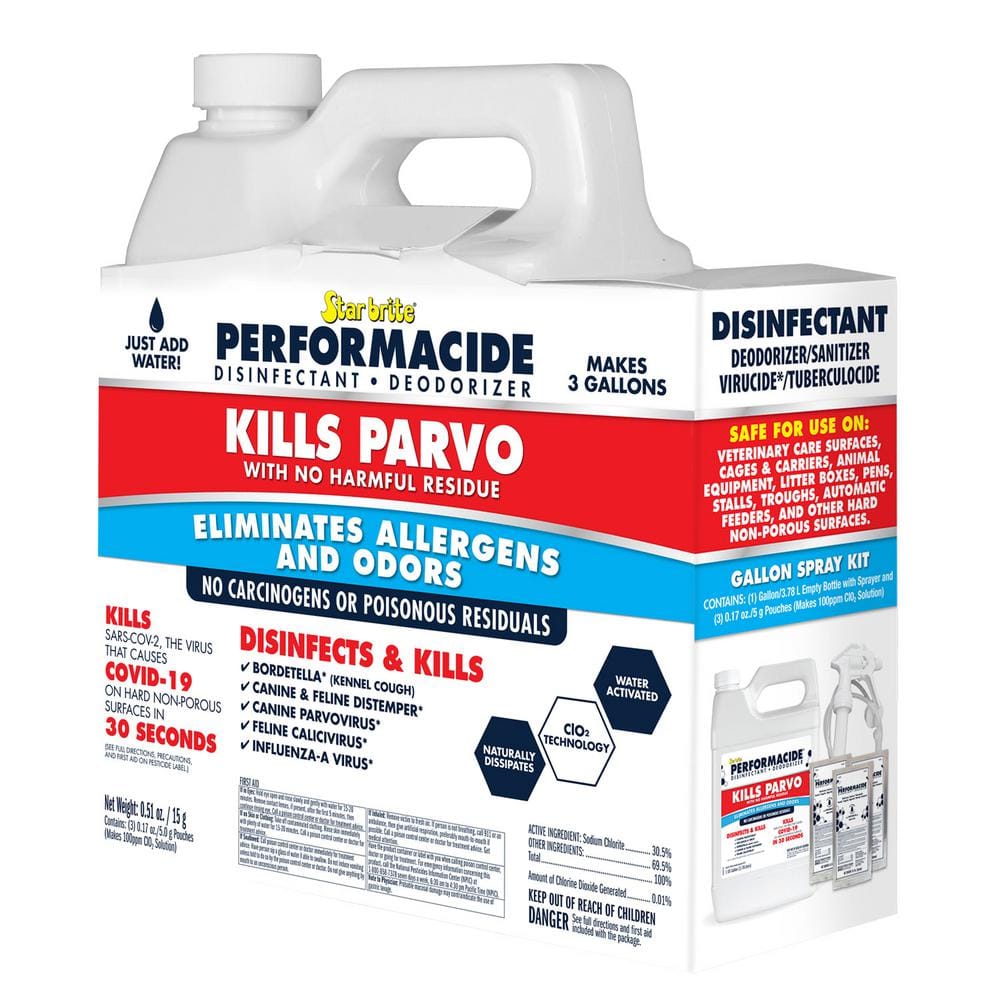
Image Source: images.thdstatic.com
The Persistent Threat: Canine Parvovirus in the Environment
Canine parvovirus is a formidable opponent. Once it contaminates an environment, it can survive for extended periods. This long-lasting parvo in environment reality means that simply waiting for it to disappear is not an option. The virus is shed in extremely high concentrations in the feces of infected dogs, making outdoor spaces like yards prime locations for contamination.
How Long Does Parvo Live in a Yard?
The answer is concerning: parvo can survive in soil and on surfaces for up to a year or even longer, depending on environmental conditions. Factors like sunlight, temperature, and moisture play a role in its survival rate, but even in harsh conditions, it remains infectious. This persistence is why aggressive and systematic Canine parvovirus yard treatment is essential.
Where Does Parvo Hide?
The virus can be present on various surfaces within a yard:
- Soil and grass: This is a primary concern for killing parvo in soil and removing parvo virus from grass.
- Feces: Even dried fecal matter can harbor the virus.
- Water sources: Puddles or standing water can become contaminated.
- Objects: Toys, dog houses, and even outdoor furniture can retain the virus.
- Mud: Mud is an excellent carrier of the virus.
Strategic Decontamination: A Multi-Step Approach
Effective Parvo decontamination requires a methodical and thorough approach. Simply hosing down the yard is not enough. You need to employ specific cleaning agents and techniques to neutralize the virus.
Step 1: Immediate Cleanup and Waste Removal
Before any disinfection can begin, all visible feces and organic matter must be removed. This is the first, crucial step in removing parvo virus from grass and soil.
- Wear protective gear: Always wear disposable gloves and protective clothing when handling potentially contaminated materials.
- Bag and dispose: Collect all fecal matter carefully. Double-bag it in sturdy plastic bags, seal them tightly, and dispose of it in an outdoor trash receptacle that will be regularly emptied.
- Thorough sweeping: Sweep up any remaining debris or organic matter from hard surfaces and grass.
Step 2: Selecting the Right Disinfectants
Not all disinfectants are effective against canine parvovirus. You need products specifically proven to kill the virus.
Primary Disinfectants for Parvo
Two main disinfectants are widely recognized for their efficacy against canine parvovirus:
-
Bleach (Sodium Hypochlorite): This is often the go-to disinfectant.
- Concentration: A solution of 1:30 (1 part bleach to 30 parts water) is generally recommended. For example, 1 cup of bleach to 30 cups of water.
- Application: Apply generously to surfaces, ensuring good contact time.
- Caution: Bleach can damage certain materials and is corrosive. It’s also not effective on porous surfaces like soil or unsealed wood if not applied in sufficient quantity and contact time. It can also be harmful to plants.
-
Potassium Peroxymonosulfate (e.g., Virkon™ S): This is a broad-spectrum disinfectant often used in veterinary settings.
- Preparation: Follow the manufacturer’s instructions for dilution precisely.
- Application: Apply to surfaces, ensuring they remain wet for the recommended contact time.
- Benefits: Generally less corrosive than bleach and can be safer for certain materials and plants when used correctly.
Other Potentially Effective Disinfectants
While bleach and potassium peroxymonosulfate are the most common, other options may be considered with caution:
- Quaternary Ammonium Compounds (Quats): Some specific formulations may be effective, but their efficacy against parvo can vary. Always check product labels for specific claims against parvovirus.
- Enzymatic Cleaners: These can help break down organic matter, which can indirectly aid disinfection, but they are not primary disinfectants for the virus itself.
Step 3: Disinfection Protocols for Different Yard Areas
The method of disinfection will vary depending on the surface.
Disinfecting Hard Surfaces
Hard surfaces like concrete patios, decks, and pathways are easier to decontaminate.
- Pre-cleaning: Wash the area with soap and water to remove as much organic matter as possible. Rinse thoroughly.
- Disinfectant Application:
- Bleach Solution: Generously apply the 1:30 bleach solution, ensuring all surfaces are visibly wet. Allow it to sit for at least 10-20 minutes before rinsing.
- Potassium Peroxymonosulfate: Apply as per manufacturer instructions, ensuring the contact time is met.
- Rinsing: After the contact time, rinse the area thoroughly with plenty of water. This is important to remove residual disinfectant, especially bleach, which can be harmful to plants and animals.
Disinfecting Dog Run Parvo
Dog runs, especially those with concrete or solid flooring, require meticulous cleaning.
- Remove all bedding and toys: These should be cleaned and disinfected separately (see below).
- Scrape and scrub: Use stiff brushes to scrape away any dried-on feces or debris.
- Wash with soap and water: Use a strong detergent and water to scrub down all surfaces, including walls, floors, and any structures within the run. Rinse thoroughly.
- Apply disinfectant: Use your chosen disinfectant (bleach solution or potassium peroxymonosulfate) as described for hard surfaces. Ensure thorough coverage and the correct contact time.
- Rinse again: Rinse all surfaces thoroughly.
Killing Parvo in Soil and Grass
This is the most challenging aspect of Canine parvovirus yard treatment. Disinfectants that are effective on hard surfaces can be damaging to grass and soil organisms.
- Bleach on Soil: While bleach can kill parvo in soil, it also kills beneficial soil microbes and can damage plants. If you opt for bleach on soil, use a weaker solution (e.g., 1:30) and apply it generously.
- Consideration: You will need a significant amount of bleach to penetrate the soil effectively. The soil may become sterile and require time to recover.
- Potassium Peroxymonosulfate: Some sources suggest potassium peroxymonosulfate might be less damaging to soil than bleach, but its efficacy at penetrating soil and its impact on soil health need careful consideration. Always follow manufacturer guidelines.
- Digging and Removal: In severe cases, or for smaller areas, you might consider removing the top layer of contaminated soil and replacing it with fresh, clean soil. This is a more drastic measure but can be highly effective.
- Sunlight and Time: While not a disinfectant, prolonged exposure to direct sunlight (UV rays) can help degrade the virus over time. However, this is a very slow process and not a reliable method on its own.
Step 4: Disinfecting Items in the Yard
Any items that your dog may have interacted with need to be decontaminated.
- Washable Items (Toys, Beds):
- Pre-wash: Wash in hot water with detergent.
- Disinfect: Soak in a 1:30 bleach solution for at least 10-20 minutes or follow manufacturer instructions for a disinfectant safe for the material.
- Rinse and Dry: Rinse thoroughly and dry completely, preferably in direct sunlight.
- Non-Washable Items (Plastic Toys, Bowls):
- Clean: Wash with soap and water.
- Disinfect: Soak in the 1:30 bleach solution for at least 10-20 minutes.
- Rinse and Dry: Rinse thoroughly and dry.
Creating a Safe Yard for Puppies After Parvo
Once the thorough decontamination process is complete, the focus shifts to ensuring the environment remains safe for susceptible animals, especially puppies.
Step 1: Waiting Period
Even after rigorous disinfection, a waiting period is advisable.
- Minimum Waiting Time: While some protocols suggest as little as a few weeks after thorough disinfection, a more conservative approach is often recommended. Many veterinarians and experts suggest waiting at least 30 days after the last known infected dog has been removed from the premises and after cleaning and disinfection.
- Re-contamination Risk: Be vigilant about preventing any unvaccinated or incompletely vaccinated dogs from entering the yard during this period.
Step 2: Monitoring and Re-introduction
When introducing a new puppy to a yard that has undergone decontamination:
- Vaccination Status: Ensure the puppy has completed its full vaccination series against parvovirus, with boosters administered on schedule.
- Gradual Introduction: Start with short periods of supervised access to the yard.
- Monitor for Symptoms: Watch closely for any signs of illness in the puppy. If any symptoms appear, contact your veterinarian immediately.
Step 3: Ongoing Prevention Strategies
To maintain a Parvo prevention outdoor environment, implement these strategies:
- Strict Vaccination Policy: Ensure all dogs using the yard are fully vaccinated and up-to-date on boosters.
- Hygiene Practices:
- Prompt Fecal Removal: Clean up feces immediately, ideally daily.
- Disinfect High-Traffic Areas: Periodically disinfect areas where dogs congregate, such as around water bowls or favorite resting spots.
- Limit Exposure to Unknown Dogs: Avoid allowing your dogs to interact with unfamiliar dogs in public spaces where their vaccination status is unknown.
- Quarantine New Dogs: If you bring a new dog home, keep it separate from your resident dogs until it has been cleared by your veterinarian and is up-to-date on vaccinations.
- Awareness of Local Outbreaks: Stay informed about parvo outbreaks in your community and take extra precautions if necessary.
Advanced Considerations for Parvo Elimination
For persistent contamination or highly sensitive environments, consider these advanced Parvo elimination methods.
Aeration and Soil Health
Improving soil aeration can potentially help break down the virus faster.
- Aerating the Lawn: Using a core aerator can introduce oxygen into the soil, which may assist in the degradation of the virus.
- Adding Organic Matter: While not a direct disinfectant, healthy soil with good organic matter can support microbial activity that may contribute to breaking down the virus over longer periods. However, this is a slow process and not a substitute for active disinfection.
Sunlight and UV Exposure
Direct sunlight and UV radiation can damage the virus, but their effectiveness in a yard setting is limited by the penetration depth into soil and coverage by grass.
- Maximizing Sun Exposure: Trim back dense foliage that may shade parts of the yard if possible. However, this should be balanced with other considerations.
Professional Disinfection Services
In extreme cases, you might consider hiring professional disinfection services that specialize in biohazard cleanup. They may have access to more potent disinfectants and specialized equipment, though this can be costly.
Frequently Asked Questions (FAQ)
Q1: Can I just hose down my yard to get rid of parvo?
A1: No, simply hosing down your yard is not sufficient to kill canine parvovirus. The virus is highly resilient and requires specific disinfectants and contact times to be neutralized.
Q2: How do I know if my yard is still contaminated with parvo?
A2: It is difficult to definitively know if a yard is still contaminated without specific laboratory testing, which is not typically practical for homeowners. The best approach is to assume contamination after an outbreak and follow rigorous decontamination protocols, followed by a waiting period and careful reintroduction of vaccinated puppies.
Q3: Is it safe to let my new, vaccinated puppy play in the yard where a parvo-infected dog was?
A3: It is safest to wait until the yard has been thoroughly decontaminated and a sufficient waiting period has passed. Ensure your puppy has completed its full vaccination series before allowing access to the potentially contaminated area.
Q4: What is the best way to clean dog toys that might have parvo?
A4: Wash washable toys with hot water and detergent, then soak them in a 1:30 bleach solution for at least 10-20 minutes. Rinse thoroughly and dry completely. For non-washable toys, clean with soap and water, then disinfect by soaking in the bleach solution, rinse, and dry.
Q5: Will rain wash away the parvo virus from my yard?
A5: Rain can dilute the virus and wash away some surface contamination, but it will not eliminate it from soil or porous surfaces. The virus can persist in damp soil for a long time.
Q6: Can I use a pressure washer for parvo decontamination?
A6: A pressure washer can help remove loose debris and organic matter, which is a good first step. However, it does not disinfect on its own. You would still need to follow up with appropriate disinfectants. Be cautious as high-pressure spraying can potentially aerosolize the virus, so wear protective gear.
Q7: How do I remove parvo virus from grass effectively?
A7: Removing parvo virus from grass is challenging. Bleach solutions (1:30) can be applied, but they can also damage grass. Ensure thorough saturation and the recommended contact time, followed by a good rinse. Consider that the grass may need time to recover or may need to be replaced in severely affected areas.
Q8: What are effective Parvo elimination methods for soil?
A8: Effective Parvo elimination methods for soil include using a 1:30 bleach solution applied generously, or potassium peroxymonosulfate solutions. Digging out and replacing the top layer of soil is also a highly effective, albeit more labor-intensive, method.
Conclusion: Reclaiming Your Yard for Canine Companions
Eliminating canine parvovirus from your yard is a significant undertaking that demands diligence, the right tools, and a thorough understanding of the virus’s persistence. By systematically cleaning, disinfecting with appropriate agents, and implementing strict preventive measures, you can effectively decontaminate your outdoor space. Creating a safe yard for puppies after parvo is achievable with patience and adherence to these comprehensive guidelines, ensuring your furry family members can enjoy their environment without the threat of this dangerous disease. Remember, Parvo prevention outdoor starts with meticulous cleaning and a commitment to a safe, disinfected environment.