
Orange mushrooms popping up in your yard can be a concerning sight. What are these orange mushrooms, and can they harm your lawn? Generally, orange mushrooms are harmless to your grass and are a sign of a healthy, albeit sometimes damp, ecosystem. However, they can be unsightly and indicate underlying issues with your soil.
Getting rid of orange mushrooms in your yard quickly involves a multi-pronged approach focusing on fungus control, yard sanitation, and improving your soil health. This guide will walk you through the most effective strategies for mushroom removal, integrating them into your regular lawn care routine to prevent future fungal growth. We’ll explore both chemical and natural remedies to ensure your garden maintenance is successful.
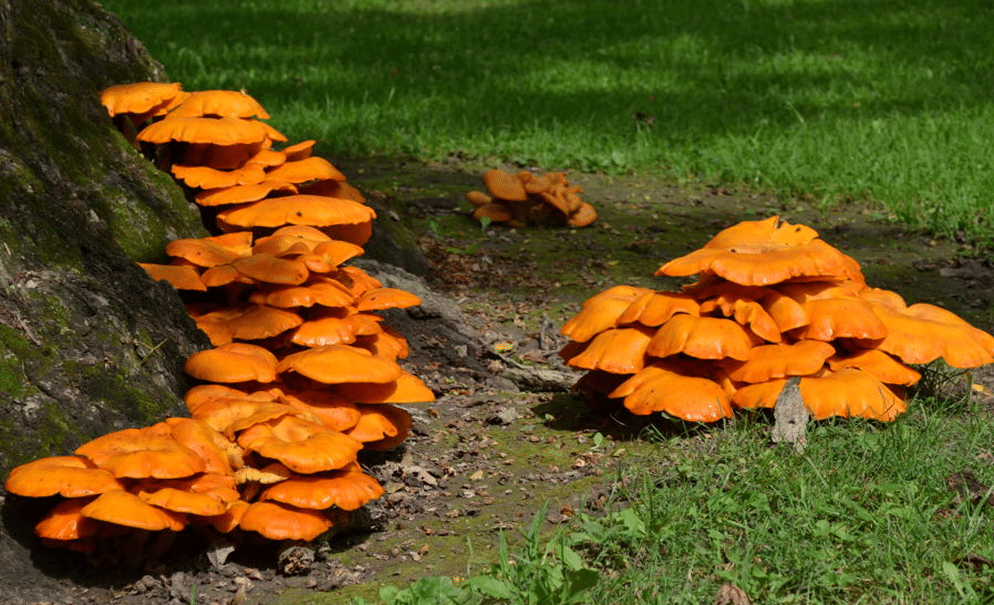
Image Source: holdenfg.org
Why Are Orange Mushrooms Appearing?
Orange mushrooms, often called “little brown mushrooms” when their color is less vibrant, are the fruiting bodies of various types of fungi. These fungi are typically beneficial, breaking down organic matter in the soil like dead leaves, thatch, and decaying wood. Their appearance signals that your soil is rich in organic material and has adequate moisture.
Here are the primary reasons you might see orange mushrooms:
- Excess Moisture: Fungi thrive in damp conditions. Heavy rainfall, overwatering, or poor drainage can create the ideal environment for mushroom growth.
- Thatch Buildup: A thick layer of thatch (dead and living grass stems, roots, and debris) on your lawn can retain moisture and provide a food source for fungi.
- Decaying Organic Matter: Mushrooms are nature’s recyclers. They appear when there’s ample organic material to decompose, such as buried tree roots, stumps, old mulch, or pet waste.
- Shady and Humid Areas: Areas of your yard that receive less sunlight and retain moisture longer are more prone to mushroom growth.
- Compacted Soil: Compacted soil hinders water drainage and air circulation, creating damp conditions that favor fungal development.
Common Types of Orange Mushrooms in Yards
While the exact species can vary, some common culprits for orange mushroom sightings include:
- Jack-o’-lantern Mushroom (Omphalotus olearius): These are often larger and grow in clusters on decaying wood, like stumps or buried roots. They are brightly colored and can be mistaken for edible mushrooms, but they are toxic.
- Honey Mushroom (Armillaria mellea): These usually appear in clusters at the base of trees or on stumps. They can also have an orange-brown hue.
- Various Small Orange Agarics: Many smaller, less identifiable orange mushrooms pop up singly or in groups, often feeding on thatch or decaying debris.
It’s important to note that most lawn mushrooms are not inherently harmful to your grass. However, their presence can indicate underlying issues that need addressing.
Effective Strategies for Mushroom Removal
Getting rid of orange mushrooms involves more than just picking them. True fungus control requires addressing the conditions that allow them to grow.
Immediate Mushroom Removal
The most straightforward way to deal with the unsightly mushrooms is direct removal.
- Physical Removal:
- Hand-picking: Use gloves and a trowel or shovel to carefully dig up the entire mushroom, including its root-like structure (mycelium) if possible. This prevents them from releasing more spores.
- Bagging and Disposal: Place the removed mushrooms in a plastic bag, seal it tightly, and dispose of them in the trash. This prevents spores from spreading.
- Avoid Composting: Do not add mushrooms to your compost bin unless you are certain they are non-toxic and you have a hot composting system, as they can spread their mycelium.
Tip: Regular mowing can also help manage the appearance of mushrooms, but it doesn’t address the root cause of their growth.
Long-Term Fungus Control and Prevention
To prevent the return of orange mushrooms, you need to tackle the environmental factors that promote their growth. This is where yard sanitation and improving lawn care practices become crucial.
1. Improving Drainage
Mushrooms love moisture. Enhancing your yard’s drainage is a key step in fungus control.
- Aeration: Core aeration helps to relieve soil compaction, allowing water to penetrate deeper and air to circulate. This is best done in the fall or spring.
- Dethatching: Removing excess thatch prevents moisture from being trapped near the soil surface. This process is also best done during the growing season when the grass can recover.
- Address Low Spots: Fill in any depressions in your lawn where water tends to pool after rain.
- Improve Soil Structure: For heavily compacted clay soils, amending with organic matter like compost can improve drainage.
2. Managing Thatch
Thatch is a layer of dead grass that builds up over time. A thatch layer thicker than half an inch can create a damp, hospitable environment for fungi.
- Dethatching Services: Hire a professional or rent a dethatching machine to remove the thatch layer.
- Raking: Use a stiff rake to manually remove thatch, especially after mowing.
3. Removing Organic Debris
The fungi that produce mushrooms feed on decaying organic matter. Removing these food sources is vital for mushroom removal.
- Clean Up Leaves and Debris: Regularly rake fallen leaves, grass clippings, and other organic debris.
- Remove Dead Wood: If you have decaying wood, such as stumps, logs, or buried branches, these are prime breeding grounds for mushrooms. Digging them out and disposing of them properly is the most effective solution.
- Pet Waste Management: Promptly clean up pet waste, as it can contribute to localized fungal growth.
4. Adjusting Watering Habits
Overwatering is a common culprit for mushroom proliferation.
- Water Deeply and Infrequently: Encourage grass to grow deeper roots by watering less often but for longer periods. This allows the soil surface to dry out between waterings.
- Water in the Morning: Watering in the morning allows the grass to dry off during the day, reducing the amount of time surfaces remain damp.
- Check Soil Moisture: Before watering, stick your finger about two inches into the soil. If it feels moist, delay watering.
5. Sunlight and Air Circulation
Shady, humid areas are magnets for mushrooms.
- Prune Trees and Shrubs: Trim back overgrown branches on trees and shrubs to allow more sunlight and air circulation into your lawn.
- Mow Appropriately: Ensure your mower is set to an appropriate height for your grass type. Taller grass can shade the soil, keeping it moist.
Chemical Fungicides for Mushroom Control
While physical removal and environmental adjustments are preferred, chemical fungicides can be used for severe fungal growth. However, these often target the symptoms (mushrooms) rather than the underlying cause (the fungus in the soil).
- How They Work: Fungicides kill or inhibit the growth of fungi. They are typically applied as sprays or granules.
- Application: Follow product instructions precisely. Apply when mushrooms first appear or during periods of high humidity.
- Limitations:
- Temporary Solution: Fungicides may kill existing mushrooms but won’t prevent new ones from appearing if the conditions remain favorable.
- Environmental Impact: Some chemical fungicides can be harmful to beneficial soil organisms, pets, and children. Always choose products carefully and apply them responsibly.
- Grass Health: Ensure the fungicide is safe for your lawn type.
Important Note: It’s crucial to identify the specific type of fungal issue if you’re considering fungicides. However, for general mushroom removal, addressing the environmental factors is more effective.
Natural Remedies for Mushroom Control
For those who prefer an eco-friendly approach, several natural remedies can help manage mushroom growth.
- Vinegar Solution:
- Recipe: Mix one part white vinegar with four parts water.
- Application: Spray directly onto the mushrooms and surrounding soil. Vinegar is acidic and can kill fungi.
- Caution: Use sparingly, as excessive vinegar can harm grass.
- Baking Soda:
- Application: Sprinkle baking soda generously over the affected areas.
- How it Works: Baking soda can alter the soil pH, making it less hospitable for many fungi.
- Epsom Salts:
- Application: Dissolve 1-2 tablespoons of Epsom salts in a gallon of water and spray on affected areas.
- How it Works: Epsom salts can help to correct soil imbalances and deter fungal growth.
- Hydrogen Peroxide:
- Application: Mix a 1:1 solution of 3% hydrogen peroxide and water.
- How it Works: The oxygen released by hydrogen peroxide can kill fungal spores and mycelium. Apply directly to mushrooms.
- Compost Tea (Beneficial Microbes):
- Application: Apply diluted compost tea to your lawn.
- How it Works: This introduces beneficial microbes that can outcompete the fungi causing the mushrooms. This is more of a long-term soil health improvement strategy.
These natural remedies are generally safer for the environment and pets but may require more frequent application and may not be as potent as chemical solutions for severe infestations.
Integrating Mushroom Removal into Lawn Care
Effective lawn care is the backbone of preventing and managing orange mushrooms.
Regular Mowing and Edging
- Mowing Height: Keep your grass at the recommended height for its type. Taller grass shades the soil, keeping it moist.
- Clean Mower: Clean your mower blades after use to prevent spreading fungal spores.
- Edging: Maintain neat edges to prevent grass from creeping into garden beds where organic matter might accumulate.
Fertilization and Soil Health
- Balanced Fertilization: Use a balanced fertilizer appropriate for your lawn type. Avoid over-fertilizing, which can promote excessive thatch growth.
- Soil Testing: Consider a soil test to identify any nutrient deficiencies or pH imbalances that might be contributing to fungal growth. This is key for improving soil health.
Overseeding and Repair
- Densely Populated Lawn: A thick, healthy lawn naturally outcompetes weeds and fungi. Overseed thin areas to promote density.
- Repair Bare Patches: Address any bare spots promptly to prevent weed and fungal invasion.
Dealing with Specific Fungal Growth Issues
While orange mushrooms are often benign, they can sometimes be indicators of more serious lawn diseases.
- Fairy Rings: These are circular patterns of darker or lighter green grass, often with mushrooms growing along the edge. They are caused by specific fungi breaking down organic matter underground.
- Mushrooms from Diseased Roots: If mushrooms consistently appear at the base of stressed or dying trees, the tree might have a root rot disease. Consult an arborist if you suspect this.
Table 1: Comparing Mushroom Removal Methods
| Method | Pros | Cons | Best For |
|---|---|---|---|
| Physical Removal | Immediate visual improvement, safe for environment, no chemical residue | Doesn’t address root cause, mushrooms can regrow | Quick aesthetic fixes, small infestations |
| Improving Drainage | Addresses root cause, long-term solution, promotes healthy lawn growth | Requires effort and time, may involve soil amendments | Persistent mushroom problems, generally improving lawn health |
| Thatch Management | Prevents moisture buildup, reduces food source for fungi | Can be labor-intensive, requires specialized tools or services | Yards with significant thatch buildup |
| Debris Removal | Eliminates food source for fungi, improves yard appearance | Ongoing task, requires regular yard maintenance | General yard cleanliness, preventing recurrence |
| Adjusting Watering | Reduces moisture, discourages fungal growth, conserves water | Requires discipline, can be difficult in certain climates | Overwatered lawns, yards with poor air circulation |
| Natural Remedies | Eco-friendly, safe for pets and children, accessible ingredients | May be less potent, requires frequent application, results can vary | Mild infestations, environmentally conscious homeowners |
| Chemical Fungicides | Fast-acting, can be effective for severe outbreaks | Can harm beneficial organisms, potential environmental risks, temporary | Severe, persistent fungal issues, when other methods fail (use cautiously) |
FAQ: Your Burning Questions About Orange Mushrooms
What causes mushrooms to grow in my yard?
Mushrooms appear in yards due to the presence of fungi in the soil that are feeding on decaying organic matter, combined with favorable conditions like moisture and shade.
Are orange mushrooms dangerous to my lawn?
Generally, no. Most common orange yard mushrooms are harmless to grass. However, their presence can indicate issues like poor drainage or excessive thatch, which can indirectly affect lawn health.
Can I step on or mow over the mushrooms?
You can step on or mow over mushrooms, but this is only a temporary fix for their appearance. It won’t eliminate the underlying fungal presence. Mowing might even help spread spores.
How often should I water my lawn?
Water deeply and infrequently. Stick your finger into the soil; if it feels moist two inches down, wait to water. Aim for the morning to allow the grass to dry during the day.
Are there any weed killers that also kill mushrooms?
Most standard weed killers are designed for broadleaf weeds and grasses, not for fungi. While some broad-spectrum chemicals might have a fungicidal effect, it’s not their primary purpose and can harm your lawn. It’s better to use specific fungus control methods.
Can I use bleach to get rid of mushrooms?
While bleach can kill fungi, it’s highly toxic and can severely damage or kill your grass and other plants. It’s not a recommended or safe method for mushroom removal in a lawn.
What if the mushrooms are growing on a tree stump?
Mushrooms growing on tree stumps are common and indicate the stump is decaying. The best approach is to remove the stump entirely or treat it with a stump remover product.
How can I improve my yard’s drainage?
Improving drainage involves practices like core aeration, dethatching, filling low spots, and amending compacted soil with organic matter.
What does yard sanitation mean in relation to mushrooms?
Yard sanitation refers to keeping your yard clean of organic debris like fallen leaves, grass clippings, and pet waste, which serve as food for the fungi that produce mushrooms.
Are there any specific lawn diseases that cause orange mushrooms?
While some lawn diseases are associated with fungal activity, the appearance of orange mushrooms is usually a sign of saprophytic fungi breaking down organic matter, rather than a disease directly attacking the grass itself. However, underlying conditions that favor mushrooms can also favor certain lawn diseases.
Conclusion
Dealing with orange mushrooms in your yard doesn’t have to be a daunting task. By implementing a consistent lawn care regimen focused on yard sanitation, proper watering, and improving soil health, you can effectively achieve mushroom removal and prevent future fungal growth. Remember that patience and persistence are key. Combining physical removal with environmental adjustments and, if necessary, carefully chosen natural remedies, will lead to a healthier, more aesthetically pleasing lawn. Focus on creating an environment that is less hospitable to fungi, and you’ll enjoy a beautiful yard free from unsightly orange invaders.