
Yes, you can get rid of grubs in your lawn naturally and safely. The best methods involve using biological controls, environmental adjustments, and natural deterrents rather than harsh chemical pesticides.
Dealing with grubs in your lawn can be frustrating. These C-shaped, white larvae of scarab beetles burrow into your soil, feeding on grass roots. This feeding can cause brown, dead patches in your lawn, often making it feel spongy and liftable like a carpet. Fortunately, you don’t need to resort to toxic chemicals to reclaim a healthy, green lawn. This guide will walk you through effective, natural, and safe ways to tackle grub infestations and prevent them from returning, focusing on organic grub control and natural lawn care.
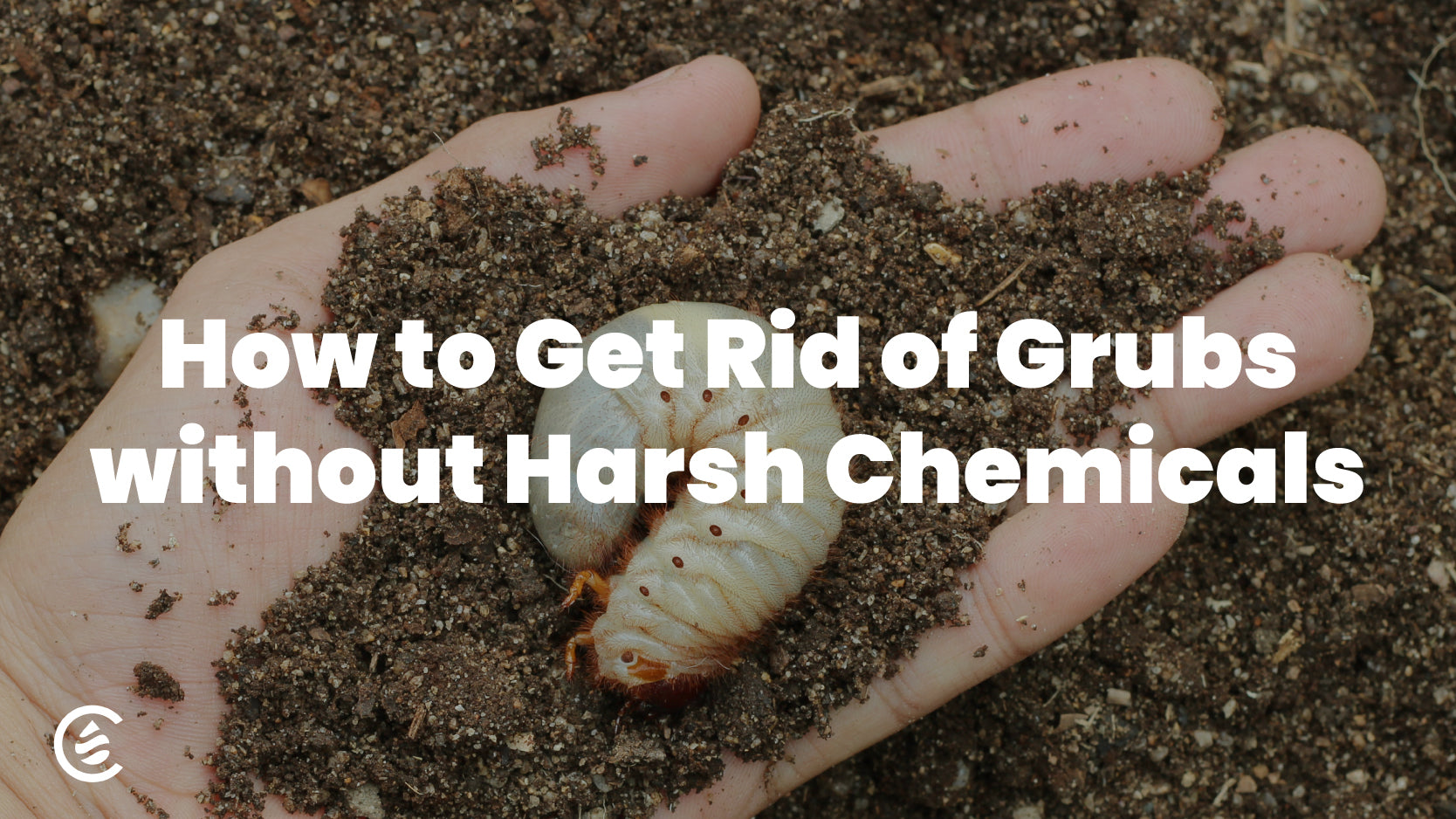
Image Source: cedarcide.com
Recognizing the Grub Menace
Before you can banish them, you need to be sure grubs are the culprits.
Signs of Grub Damage
- Yellowing and Browning: Patches of your lawn might turn yellow, then brown, resembling drought stress.
- Spongy Turf: When you walk on an affected area, it might feel soft and springy.
- Easy Lifting: You can often lift up the turf in damaged sections like a carpet because the roots have been eaten away.
- Increased Bird and Animal Activity: Birds like robins, starlings, and crows, as well as mammals like skunks and raccoons, are attracted to grubs as a food source. You might see them digging in your lawn.
Identifying Grubs
Grubs are typically found in the top few inches of soil. They are:
- Color: Creamy white.
- Shape: C-shaped, with a plump, segmented body.
- Head: A darker, sclerotized (hardened) head capsule.
- Legs: Three pairs of legs near the head.
A simple way to check is to dig up a few small sections of your lawn in affected areas. If you find more than 5-10 grubs per square foot, it’s time to take action.
Natural Grub Control Strategies
When it comes to eco-friendly grub treatment, the goal is to disrupt their life cycle and create an environment less hospitable to them, while encouraging natural predators.
Biological Controls: Nature’s Allies
These methods introduce or encourage natural enemies of grubs.
Milky Spore
- What it is: Milky spore is a naturally occurring soil bacterium ( Paenibacillus popilliae ). It specifically targets Japanese beetle grubs but can also affect other white grub species.
- How it works: When grubs ingest the milky spore bacteria, their digestive systems become infected. The bacteria multiply inside the grub, causing it to turn milky white and eventually die. The dead grub then releases millions more spores into the soil, continuing the cycle of organic grub control.
- Application: Milky spore is applied as a granular product to the lawn. It needs to be watered in to reach the grubs in the soil.
- When to apply: It’s most effective when applied in late summer or early fall, coinciding with when grubs are actively feeding and closer to the surface. It can also be applied in spring.
- Patience is key: Milky spore doesn’t kill grubs instantly. It can take 2-3 years of consistent application for the spore population to build up sufficiently in the soil to provide significant control. However, once established, it can provide long-lasting protection, potentially for 10-15 years.
- Safety: Milky spore is completely safe for humans, pets, beneficial insects, and the environment. It is a truly natural lawn care solution.
Beneficial Nematodes
- What they are: Nematodes are microscopic, parasitic roundworms that naturally exist in soil. Specific species are highly effective at controlling grubs. The most common are Heterorhabditis bacteriophora (Hb) and Steinernema glaseri (Sg).
- How they work: These nematodes actively seek out grubs in the soil. Once they find a grub, they enter its body through its mouth, anus, or spiracles. Inside the grub, the nematodes release a symbiotic bacterium that quickly kills the grub. The nematodes then feed on the dead grub and reproduce.
- Application: Beneficial nematodes come in a dormant, dehydrated form. They need to be mixed with water and applied to the lawn using a hose-end sprayer or a watering can.
- When to apply: The best time to apply beneficial nematodes is when soil temperatures are between 50°F and 80°F (10°C – 27°C), and grubs are present and actively feeding near the soil surface. This is typically in the spring or late summer/early fall.
- Important considerations:
- Water: Nematodes need moisture to survive and move through the soil. Apply them when the soil is moist or water them in thoroughly after application.
- Sunlight: They are sensitive to UV radiation, so apply them in the evening or on a cloudy day.
- Storage: Keep nematodes refrigerated until ready to use, as they are living organisms.
- Species Selection: Heterorhabditis bacteriophora (Hb) are generally good for Japanese beetle grubs and European chafer grubs, while Steinernema glaseri (Sg) are effective against more species, including the Asiatic garden beetle grub, but require slightly cooler soil temperatures. Always check the product label for the specific grub species it targets.
- DIY Grub Control: Using beneficial nematodes is a fantastic DIY grub control method that is safe and effective.
Natural Deterrents and Repellents
These methods make your lawn less appealing to adult beetles that lay eggs.
Neem Oil for Grubs
- What it is: Neem oil is extracted from the seeds of the neem tree (Azadirachta indica). It’s a powerful natural pesticide, fungicide, and insecticide.
- How it works for grubs: Neem oil contains azadirachtin, a compound that acts as an insect growth regulator and a feeding deterrent. When applied to the soil, it can interfere with the grub’s ability to molt and grow. It can also disrupt their feeding habits. For adult beetles, neem oil can act as a repellent and disrupt their reproductive cycle.
- Application: Dilute neem oil with water and a mild soap (like castile soap) to help it mix. Apply as a drench to the soil where grubs are present. For adult beetles, spray directly onto the foliage of plants they might be targeting in the early morning or late evening.
- When to apply: Apply to the soil in late spring or early summer, just before adult beetles typically emerge and lay eggs. This can help deter them or reduce egg viability. You can also apply it when you first see signs of grub activity.
- Safety: Neem oil is considered safe for most beneficial insects if applied when they are not active (early morning/late evening). It’s biodegradable and safe for pets and children once it dries.
Planting Companion Plants to Attract Beneficial Insects
- The concept: A healthy ecosystem supports natural pest control. Certain plants attract insects that prey on or parasitize grubs and adult beetles.
- Plants to consider:
- Flowering plants: Plants with small flowers like dill, fennel, yarrow, and Queen Anne’s lace attract beneficial insects such as parasitic wasps and predatory flies that can target beetle eggs and larvae.
- Garlic and onions: Their strong scent can repel adult beetles.
- Certain trees: Some trees can attract predatory insects.
- How it helps: By creating a diverse garden habitat, you attract beneficial insects that naturally keep grub populations in check. This is a cornerstone of natural lawn care and robust grub prevention naturally.
Cultural Practices for Prevention
Proactive measures can prevent grubs from becoming a problem in the first place.
Proper Watering Techniques
- Deep, infrequent watering: Encourage grass roots to grow deeper into the soil. This makes the grass more resilient to grub damage because the roots are further away from the grubs feeding in the upper soil layers. Avoid shallow, frequent watering, which promotes shallow root systems that grubs can easily decimate.
- Avoid overwatering: Grubs thrive in moist soil. While nematodes need moisture, excessively soggy conditions can be more inviting.
Mowing Height
- Mow high: Keep your grass at a height of 3-4 inches. Taller grass shades the soil, keeping it cooler and moister, which can deter adult beetles from laying eggs in the first place. It also helps the grass withstand minor grub damage better.
Aeration and Dethatching
- Improve soil health: Aerating your lawn (punching holes in the soil) and dethatching (removing the layer of dead grass and organic matter) improves air circulation, water penetration, and nutrient flow to the grass roots. Healthier grass is more resistant to grub damage.
- Disrupt grub habitat: These practices can also disrupt the life cycle of grubs and adult beetles by disturbing their environment.
Environmental Adjustments
Making your lawn less attractive to egg-laying beetles is a key part of grub prevention naturally.
Timing of Watering
- Water in the morning: This allows the surface of the lawn to dry out before adult beetles arrive to lay eggs. Beetles prefer moist soil for oviposition (egg-laying).
Soil Health and Composting
- Healthy soil, healthy grass: Grubs are often more attracted to stressed or weak turf. By improving your soil’s health through composting and organic matter, you build a more resilient lawn that can better withstand grub activity.
- Compost top-dressing: Applying a thin layer of compost can introduce beneficial microorganisms and improve soil structure, making it less appealing to egg-laying beetles.
DIY Grub Control Remedies
These are some simple, at-home approaches.
Garlic Spray
- The idea: The strong scent of garlic is believed to repel adult beetles.
- How to make: Blend a bulb or two of garlic with a cup of water. Let it steep for a few hours or overnight. Strain the mixture and dilute it with a gallon of water. You can add a tablespoon of mild liquid soap to help it adhere to foliage.
- Application: Spray generously on affected areas and surrounding plants in the early morning or late evening. Reapply after rain.
Corn Gluten Meal (Preventative)
- What it is: Corn gluten meal is a byproduct of corn milling and is a natural source of nitrogen. It also contains a protein that acts as a natural pre-emergent herbicide and may inhibit root development in newly hatched grub larvae.
- How it works: It’s most effective as a preventative measure. When applied in spring and fall, it can disrupt the grub life cycle before they cause significant damage. The idea is that the emerging grubs ingest the protein from the corn gluten meal, which interferes with their root development.
- Application: Apply as a granular fertilizer according to package directions. It needs to be watered in.
- Timing: Apply in early spring, before beetles start laying eggs, and again in late summer/early fall.
- Note: Its effectiveness against established grubs is debated and generally considered low. It’s best for grub prevention naturally.
Specific Grub Species and Their Control
Different grub species may have slightly different life cycles and preferences, influencing the best approach.
Japanese Beetle Grubs
- Life Cycle: Adults emerge in summer, feed on foliage, and lay eggs in the soil. Grubs hatch and feed on roots throughout late summer and fall, overwintering in the soil and resuming feeding in spring before pupating.
- Natural Control: Milky spore is particularly effective against Japanese beetle grubs. Beneficial nematodes (Heterorhabditis bacteriophora) are also a good option.
European Chafer Grubs
- Life Cycle: Adults emerge in late spring/early summer. They are nocturnal. Eggs are laid in the soil, and grubs feed heavily in the fall and spring.
- Natural Control: Beneficial nematodes (Heterorhabditis bacteriophora) are highly recommended. Milky spore may offer some benefit.
Asiatic Garden Beetle Grubs
- Life Cycle: Adults are active in summer evenings. Grubs feed on roots throughout the summer, fall, and spring.
- Natural Control: Beneficial nematodes (Steinernema glaseri) are often considered more effective against this species.
Masked Chafer Grubs (Sugarcane Beetle)
- Life Cycle: Adults are attracted to lights. Grubs feed on roots in late summer and fall, overwinter, and resume feeding in spring.
- Natural Control: Both milky spore and beneficial nematodes can be effective.
Timing is Everything for Natural Grub Control
Implementing these natural lawn care strategies at the right time is crucial for success.
Spring (April-May)
- Focus: Suppressing overwintered grubs and preventing new egg-laying.
- Methods:
- Apply beneficial nematodes (Steinernema glaseri) if grub populations were high last fall.
- Apply corn gluten meal for preventative grub prevention naturally.
- Water deeply to encourage strong root growth.
- Apply neem oil to deter adult beetles.
Summer (June-August)
- Focus: Preventing egg-laying and targeting newly hatched grubs.
- Methods:
- Apply milky spore if you’re targeting Japanese beetle grubs and are aiming for long-term control.
- Apply beneficial nematodes (Heterorhabditis bacteriophora) as soon as you see signs of new grub activity.
- Use garlic spray to deter egg-laying adults.
- Maintain proper mowing and watering practices.
Fall (September-October)
- Focus: Targeting grubs as they feed and prepare for winter.
- Methods:
- Apply beneficial nematodes (Heterorhabditis bacteriophora or Steinernema glaseri) when soil temperatures are appropriate and grubs are actively feeding. This is often the most effective time for nematode application.
- Continue deep watering for root health.
Creating a Grub-Resistant Lawn
Natural lawn care is about building a healthy ecosystem.
Soil Testing and Amendment
- Know your soil: Get a soil test to determine pH and nutrient levels. Grubs are often more attracted to lawns growing in poor or stressed soil.
- Amend as needed: Based on your soil test, add compost or other organic matter to improve soil structure, drainage, and nutrient availability. Healthy, vigorous grass is your first line of defense.
Overseeding and Lawn Repair
- Fill in the gaps: After grub damage, overseed bare patches with healthy grass seed. This helps the lawn recover and prevents weeds from taking over.
- Choose resilient grass types: Some grass species are more tolerant to grub damage than others. Cool-season grasses like fescues and ryegrasses are generally more robust.
Frequently Asked Questions (FAQ)
Q1: How quickly do natural grub treatments work?
A1: Natural treatments like milky spore can take 2-3 years to build up in the soil for full effect. Beneficial nematodes work within days to weeks, targeting active grubs. Neem oil acts as a deterrent and growth regulator over time. Consistency is key with natural methods.
Q2: Can I use more than one natural grub control method?
A2: Yes, absolutely! Combining methods can be very effective. For example, applying beneficial nematodes for immediate impact and milky spore for long-term prevention can provide comprehensive organic grub control.
Q3: Will natural treatments harm my pets or children?
A3: Generally, yes. Natural methods like milky spore and beneficial nematodes are considered safe for pets and children once applied and watered in. Neem oil is also safe once dry. Always follow product instructions carefully.
Q4: What is the best time of year to treat for grubs naturally?
A4: The best time depends on the method. For beneficial nematodes, late summer to early fall (when grubs are actively feeding near the surface) is often ideal. For milky spore, late summer to early fall or early spring is recommended. For prevention, consider applying corn gluten meal in early spring and fall.
Q5: How do I know if my lawn has grubs?
A5: Look for brown, dead patches that feel spongy and lift easily. Increased digging activity by birds or animals is also a sign. Dig up a small section of turf to check for C-shaped white larvae.
Q6: Are there any natural remedies for adult grub beetles?
A6: Yes, planting repellent plants like garlic and onions nearby can help. Applying neem oil to foliage in the evening can also deter them. Encouraging beneficial insects that prey on them is another excellent eco-friendly grub treatment.
By adopting these natural lawn care practices, you can effectively manage grub populations, create a healthier lawn, and contribute to a more sustainable environment. Remember that building a resilient lawn ecosystem is the most powerful long-term strategy against pests.