
Can you get rid of garden snakes in your basement? Yes, you can, and doing so safely involves understanding why they enter, how to remove them humanely, and most importantly, how to prevent them from returning.
A basement can be a tempting haven for snakes, especially during extreme weather. They seek shelter from the cold, heat, or heavy rain, and a damp, cool basement can feel like a perfectly safe retreat. But when these slithery visitors are found in your basement, it’s natural to want them gone. This guide will walk you through safe removal methods and crucial prevention techniques, drawing on expert advice to ensure your basement becomes snake-free and remains that way.
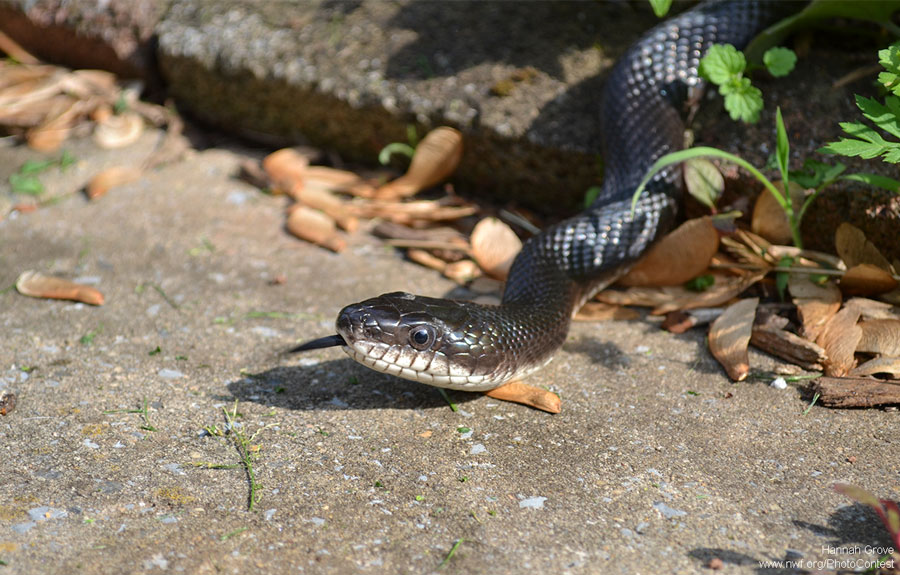
Image Source: blog.nwf.org
Why Are Snakes Entering My Basement?
Snakes are not intentionally trying to invade your home; they are usually seeking basic necessities: shelter, food, or a way to escape unfavorable environmental conditions.
The Allure of Shelter
Basements, particularly unfinished or damp ones, offer an attractive environment for snakes. They provide:
- Stable Temperatures: Basements are generally cooler than the outside in summer and warmer in winter, offering a consistent microclimate.
- Protection from Predators: The enclosed space protects them from birds of prey, larger mammals, and other threats.
- Moisture: Damp areas can be appealing, especially for species that require humidity.
The Food Factor
A common reason snakes find their way into basements is the presence of their food sources. If your basement has a rodent problem, for instance, snakes will follow.
- Rodents: Mice and rats are a primary food source for many common garden snake species. A rodent infestation is a direct invitation for a snake.
- Insects: Large insect populations, like crickets or cockroaches, can also attract smaller snakes or the insects that snakes prey on.
Unintentional Entry
Sometimes, snakes enter basements by accident. They might follow an attractive scent, a water source, or simply crawl into an opening they can fit through.
Seasonal Movements
As seasons change, snakes might look for new places to overwinter or escape harsh weather. Your basement could inadvertently become a target for this seasonal migration.
Safe and Humane Snake Removal Techniques
Encountering a snake in your basement can be startling, but panic is your enemy. The key is to remain calm and employ safe removal methods. The goal is to get the snake out without harming it or yourself.
Step 1: Identify the Snake (If Possible and Safe)
While not always necessary for removal, knowing if the snake is venomous or non-venomous can inform your approach. However, never attempt to identify a snake if it puts you at risk. Many harmless snakes resemble venomous ones. If you are unsure, treat all snakes with caution.
Step 2: Create an Escape Route
Often, the simplest solution is to guide the snake out.
- Open Doors and Windows: If the snake is near an exit, open any basement doors or windows that lead directly outside.
- Clear Pathways: Remove any obstacles that might be blocking its path to freedom.
Step 3: The Bucket and Broom Method (For Non-Venomous Snakes)
This is a classic and effective method for safely capturing and relocating harmless snakes.
- Gather Your Tools: You will need a large plastic bucket (tall enough to prevent the snake from climbing out) and a long-handled broom or stick.
- Approach Calmly: Move slowly and deliberately towards the snake.
- Guide, Don’t Grab: Use the broom to gently encourage the snake towards the bucket. The aim is to herd it, not to touch it.
- Bucket Placement: Once the snake is close to the bucket, carefully coax it into the opening.
- Secure and Relocate: Once inside, place a lid or another flat object over the bucket’s opening. Transport the bucket to a safe, natural habitat away from your home (at least a few hundred yards). Release the snake gently.
Step 4: Snake Tongs (For Experienced Handlers)
For those comfortable and trained in handling snakes, snake tongs can be used.
- Use with Caution: Snake tongs are designed for grasping, but improper use can injure the snake or the handler.
- Gentle Grip: Apply just enough pressure to hold the snake securely without crushing it.
- Containment: Place the snake into a secure container, like a pillowcase or a lidded bucket, for transport.
Step 5: Contacting Professionals
When in doubt, or if you suspect the snake might be venomous, it’s always best to call in the experts.
- Animal Control: Local animal control services or wildlife removal specialists are equipped to handle snakes safely.
- Pest Control Services: Some pest control companies offer wildlife removal as part of their services.
Important Note: Never attempt to kill a snake. It’s often illegal, can be dangerous, and is unnecessary if humane removal methods are employed. Dead snakes can also attract other pests.
Prevention: Keeping Snakes Out of Your Basement for Good
The most effective way to deal with basement snakes is to prevent them from entering in the first place. This involves a multi-pronged approach focused on sealing your home and eliminating attractants.
Sealing Entry Points: Your First Line of Defense
Snakes, even small ones, can squeeze through surprisingly tiny openings. Thoroughly inspecting and sealing your basement is critical.
- Foundation Cracks: Examine your basement walls and foundation for any cracks or gaps. Seal these with caulk or expanding foam.
- Window Wells: Ensure window wells are properly covered and that the windows themselves seal tightly.
- Vents and Utility Openings: Seal around pipes, electrical conduits, and any vents that enter your basement. Use steel wool or hardware cloth before applying caulk or expanding foam to deter rodents and snakes.
- Door and Window Gaps: Check the seals on your basement doors and windows. Replace worn-out weatherstripping.
Basement Waterproofing: Beyond Just Water
While the primary goal of basement waterproofing is to keep water out, many of the methods also contribute to creating a less hospitable environment for snakes and their prey.
- Addressing Dampness: Snakes are attracted to moisture. Properly functioning sump pumps, dehumidifiers, and ensuring good drainage around your foundation can make your basement less appealing.
- Sealing Gaps Created by Water Damage: Water intrusion can create new cracks or widen existing ones, offering new entry points. Addressing water issues proactively helps maintain the integrity of your basement’s seal.
Eliminating Attractants: Making Your Basement Uninviting
If snakes are entering, it’s likely because something in or around your basement is attracting them.
Rodent Control: The Ultimate Snake Deterrent
As mentioned, rodents are a major draw for snakes. Effective rodent control is paramount.
- Store Food Properly: Seal all food items, including pet food and birdseed, in airtight containers.
- Cleanliness: Keep your basement clean and free of clutter where rodents can hide and nest.
- Traps and Baits: Use traps or baits (placed safely away from children and pets) to manage rodent populations.
General Cleanliness and Organization
A cluttered basement provides ample hiding spots for both rodents and snakes.
- Declutter: Remove piles of wood, debris, old boxes, and anything that can offer cover or nesting material.
- Storage: Store items in sealed plastic bins rather than cardboard boxes, which can be gnawed through by rodents.
Landscaping Around Your Foundation
The area immediately surrounding your home’s foundation plays a significant role in preventing pests, including snakes.
- Trim Vegetation: Keep grass mowed and trim back bushes, shrubs, and trees that touch your house. This removes potential hiding places for snakes and their prey.
- Mulch Wisely: Avoid using thick layers of mulch or ground cover directly against the foundation, as this can retain moisture and provide shelter.
- Clear Debris: Remove woodpiles, leaf litter, and compost piles from near the foundation. These are prime habitats for snakes and rodents.
Natural Deterrents and Snake Repellent
While not always foolproof, certain natural deterrents can help discourage snakes from entering your property. These are best used in conjunction with sealing and habitat modification.
- Predator Scents: Some believe that the scent of predators like foxes or hawks can deter snakes. Products mimicking these scents are available, but their effectiveness varies.
- Essential Oils: Certain strong-smelling essential oils, such as cinnamon oil, clove oil, or peppermint oil, are sometimes used. Mix a few drops with water and spray around entry points. Reapply regularly.
- Diatomaceous Earth (Food Grade): This natural powder can dehydrate snakes and other insects. Sprinkle it around the exterior foundation and potential entry points. Be mindful of its use around pets and children, ensuring it’s food-grade and applied in a way that prevents inhalation.
- Commercial Snake Repellent: Various commercial snake repellent products are available, often containing ingredients like naphthalene or sulfur. Their effectiveness is debated, and they may need frequent reapplication. Always follow product instructions carefully and consider their potential impact on other wildlife and the environment.
It’s important to note that many traditional snake repellents have limited scientific backing. Sealing entry points and controlling their food sources are far more reliable methods.
Common Snake Sightings in Basements
Encountering snake sightings in basements often involves species that are common in your region and are adept at finding entry points.
Garter Snakes
These are among the most common snakes encountered in and around homes. They are non-venomous and feed primarily on slugs, earthworms, and amphibians. Their small size allows them to squeeze through small cracks.
Rat Snakes
Rat snakes are larger and excellent climbers. They are beneficial as they help control rodent populations. They may enter basements in search of mice or to overwinter.
Water Snakes
If you live near a water source, water snakes might be attracted to damp basements, especially if there’s a water leak or high humidity. They are non-venomous but can be defensive.
Venomous Snakes (Less Common, More Dangerous)
While less common in basements than non-venomous species, venomous snakes like rattlesnakes, copperheads, or cottonmouths (depending on your region) can occasionally find their way inside. This is why identifying the snake is only advisable if it is safe to do so, and why professional help is crucial for potentially venomous encounters.
Basement Cleanout: A Crucial Step
A thorough basement cleanout is an essential part of both removing snakes and preventing future infestations. This goes beyond simply removing a snake; it’s about making the entire space inhospitable.
The Process of a Basement Cleanout for Snake Prevention:
- Inventory and Discard: Go through everything in your basement. Discard anything that is no longer needed, especially cardboard boxes, old rags, and anything that could serve as nesting material.
- Organize and Store: For items you need to keep, invest in sturdy, sealable plastic bins. This eliminates hiding places and protects contents from pests.
- Deep Cleaning: Vacuum thoroughly, paying attention to corners, crevices, and behind appliances. Wipe down surfaces to remove any potential scent trails.
- Moisture Control Check: Inspect for any signs of water leaks, condensation, or high humidity. Address these issues promptly. Ensure sump pumps are working correctly and consider a dehumidifier if necessary.
- Inspect for Entry Points: While cleaning, meticulously check all walls, floors, and ceilings for any new cracks or openings. Seal them as you find them.
- Exterior Assessment: Step outside and examine the foundation, windows, and doors from the exterior. Trim back any encroaching vegetation.
Frequently Asked Questions About Basement Snakes
Q1: What should I do if I see a snake in my basement?
A1: Stay calm. If it’s safe, try to identify if it’s venomous. Open any doors or windows leading outside to give it an escape route. If you are uncomfortable or unsure, use the bucket and broom method for non-venomous snakes or call a professional wildlife removal service.
Q2: Can I use snake repellent sprays in my basement?
A2: While commercial snake repellents exist, their effectiveness can be inconsistent, and some may pose risks to pets or humans if not used properly. Sealing entry points and removing attractants like rodents are generally more reliable methods. If you choose to use a repellent, follow the product’s instructions precisely and ensure good ventilation.
Q3: How do I know if a snake is venomous?
A3: Identifying venomous snakes varies by region. Generally, venomous snakes in North America often have triangular heads, elliptical pupils (like a cat’s eye), and sometimes a rattle. However, many non-venomous snakes can flatten their heads to appear triangular, and pupil shape can be difficult to discern at a distance. It’s best to err on the side of caution and assume any snake could be venomous if you are unsure.
Q4: Will basement waterproofing keep snakes out?
A4: Basement waterproofing itself doesn’t directly repel snakes, but it’s a crucial part of the prevention process. By sealing foundation cracks and addressing moisture issues, you create a more secure and less attractive environment, which indirectly helps in preventing snake entry.
Q5: What if I have a snake problem and I can’t get rid of it myself?
A5: If you are unable to safely remove a snake, or if you suspect it’s venomous, contact a local animal control service, wildlife removal specialist, or a pest control company experienced in wildlife management.
Q6: Are natural deterrents effective for snakes?
A6: Some natural deterrents like essential oils or predator scents might have a limited effect, but they are generally not as effective as physical barriers and eliminating attractants. Their efficacy is often temporary, requiring frequent reapplication.
Q7: What is the best way to prevent snakes from coming back?
A7: The best prevention is to seal entry points, maintain a clean and organized basement, control rodent control to eliminate their food source, and manage your landscaping to remove hiding places and attractants near your foundation. Consistent maintenance is key.
By following these expert recommendations, you can effectively remove any unwelcome slithering guests from your basement and take proactive steps to ensure your home remains a snake-free sanctuary. Remember, a proactive approach to home maintenance and pest control is always the most effective strategy.