
Can you get rid of clover in your yard? Yes, you can effectively get rid of clover in your yard using a combination of proper lawn care practices and targeted weed control methods. This guide will walk you through everything you need to know to reclaim a beautiful, healthy lawn.
Clover, with its distinctive three-leaflets and white flowers, is a common sight in many lawns. While it offers benefits like nitrogen fixation, which can enrich the soil, its aggressive growth can often dominate and detract from the appearance of a well-maintained turf. This detailed guide will provide you with a comprehensive approach to clover removal, covering everything from manual methods to chemical solutions, and importantly, how to prevent its return. We’ll also touch upon related lawn care concerns such as dandelion removal, and how these integrated strategies contribute to overall lawn maintenance.
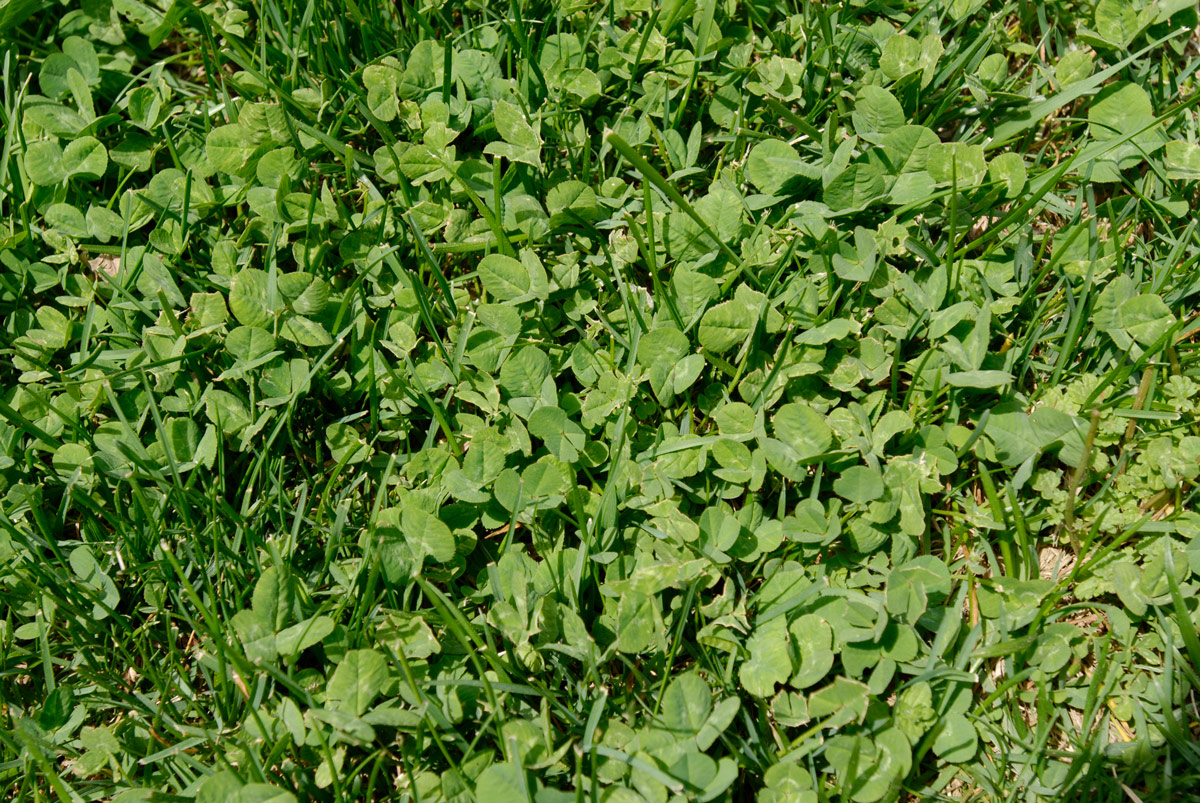
Image Source: naturalawn.com
Why Does Clover Thrive in My Lawn?
Before we dive into eradication, it’s helpful to grasp why clover seems to love your lawn so much. Clover typically flourishes in conditions that are less than ideal for healthy grass growth.
Soil Conditions Favoring Clover
- Low Nitrogen Levels: Clover is a legume. This means it can pull nitrogen from the air and convert it into a form plants can use. This ability gives it an advantage in soils that are lacking in nitrogen, a common nutrient deficiency in lawns. When grass struggles to get enough nitrogen, clover steps in.
- Compacted Soil: Heavily compacted soil restricts grass root growth and reduces air circulation. This creates a stressful environment for grass, allowing clover to easily establish itself in the weakened turf.
- Poor Drainage: Lawns that stay wet for extended periods can also encourage clover growth. The extra moisture and lack of oxygen in the soil can hinder grass, while clover is more tolerant of these conditions.
- Alkaline Soil pH: Clover prefers a slightly more alkaline soil pH than most turfgrasses. If your soil pH is too high, grass will struggle, and clover will thrive.
Mowing Practices
- Mowing Too Short: Cutting your grass too low weakens it, making it more susceptible to weed invasion. Shorter grass blades mean less surface area for photosynthesis and less protection for the soil.
Strategies for Clover Removal
Getting rid of clover requires a multi-pronged approach. Combining different methods often yields the best results.
Method 1: Manual Weed Pulling
For smaller infestations or if you prefer an organic weed removal approach, manual pulling is a viable option.
How to Manually Pull Clover
- Timing is Key: Pull clover when the soil is moist. This makes it easier to extract the entire root system. Water the area lightly an hour or two before you plan to pull.
- Use the Right Tools: A garden trowel, a weeding fork, or a specialized dandelion puller can be very helpful for getting under the root ball.
- Get the Roots: Clover has a taproot and can also spread via stolons (above-ground runners). It’s crucial to remove as much of the root system as possible. If you leave roots behind, the clover can regrow.
- Dispose Properly: Bag the pulled clover and dispose of it in your trash, not your compost bin, especially if it has gone to seed. This prevents accidental spreading.
Pros of Manual Pulling
- Environmentally friendly.
- No chemicals involved.
- Immediately effective for the pulled plants.
Cons of Manual Pulling
- Time-consuming for large areas.
- Difficult to remove all root fragments.
- Can disturb the soil, creating opportunities for new weeds.
Method 2: Chemical Weed Control
Chemical solutions are often the most efficient way to tackle widespread clover problems.
Types of Weed Killers
When dealing with clover, you’ll want to use a broadleaf weed killer. Grass is a monocot, while clover and dandelions (another common lawn weed) are dicots (broadleaf plants). Broadleaf weed killers are designed to target and kill these broadleaf plants without harming your grass.
When to Apply Broadleaf Weed Killer
- Active Growth: Apply herbicides when clover is actively growing and the weather is mild. Avoid applying during extreme heat, drought, or when rain is imminent.
- Follow Label Instructions: Always read and follow the product label carefully. This includes the correct mixing ratios, application rates, and safety precautions.
Types of Broadleaf Weed Killer Products
- Liquid Herbicides: These are mixed with water and applied with a sprayer. They offer good coverage.
- Granular Herbicides: These are often combined with fertilizer. They are applied with a spreader and typically activated by watering.
- Spot Treatments: For isolated patches, a ready-to-use spray bottle for spot treatment is convenient.
How to Apply Broadleaf Weed Killer Effectively
- Choose the Right Product: Look for herbicides specifically labeled for clover control and safe for your type of turfgrass. Common active ingredients include 2,4-D, MCPP (mecoprop), and dicamba.
- Application Timing: The best time to apply is usually in the late spring or early fall when clover is actively growing and temperatures are between 60-85°F (15-29°C).
- Spot Treatment vs. Broadcast: If you only have a few clover patches, spot-treating is more efficient and uses less product. For widespread clover, a broadcast application may be necessary.
- Avoid Mowing: Do not mow your lawn for two days before or two days after applying a herbicide. This allows the weed killer to be absorbed effectively.
- Watering: Some herbicides require watering to activate. Others can be harmed by watering too soon after application. Check the label.
Important Considerations for Chemical Weed Control
- Turfgrass Tolerance: Ensure the product is safe for your specific grass type. Some herbicides can damage certain grasses.
- Environmental Impact: Be mindful of drift onto desirable plants, waterways, and pet areas.
- Resistance: Over-reliance on a single herbicide can lead to weed resistance. Rotating herbicides or using integrated approaches is beneficial.
Method 3: Natural and Organic Approaches
For those who want to avoid synthetic chemicals, there are several organic weed removal options.
Corn Gluten Meal
Corn gluten meal acts as a natural pre-emergent. It inhibits root formation in germinating seeds.
- Application: Apply in early spring, before clover seeds (or any weed seeds) germinate. It needs to be applied at the correct time to be effective as a pre-emergent herbicide.
- Benefits: Also provides nitrogen to the lawn.
- Limitations: Its effectiveness can be variable, and it is not a post-emergent killer. It won’t kill existing clover.
Vinegar Solutions
Horticultural vinegar (higher acetic acid concentration than household vinegar) can burn the foliage of clover.
- Application: Spray directly onto clover leaves on a sunny, dry day.
- Caution: Vinegar is non-selective. It will kill any plant it contacts, including your grass. Use with extreme care for spot treatment only. It may require repeat applications.
Boiling Water
Pouring boiling water directly onto clover patches can kill the plant.
- Application: Carefully pour boiling water over the clover.
- Caution: Like vinegar, this is non-selective and will kill grass. It’s best for cracks in sidewalks or patios.
Method 4: Improving Lawn Health for Long-Term Clover Control
The most effective way to get rid of clover in the long run is to make your lawn less hospitable to it and more beneficial to grass. This involves improving your overall lawn care and lawn maintenance practices.
Aeration
Lawn aeration involves removing small plugs of soil from the lawn.
- Benefits: Relieves soil compaction, improves air and water penetration to grass roots, and encourages deeper root growth. Healthier, deeper grass roots are better at competing with weeds.
- Timing: Best done in the fall or spring when grass is actively growing.
Overseeding
Overseeding is the process of spreading grass seed over an existing lawn.
- Benefits: Fills in bare patches and thins areas where clover has taken over, creating a denser turf that naturally crowds out weeds. It also introduces stronger, more resilient grass varieties.
- Timing: Typically done in the fall after aeration.
Proper Fertilization
- Nitrogen Boost: Applying a balanced fertilizer, particularly one with adequate nitrogen, will help your grass grow thicker and stronger, outcompeting clover.
- Soil Testing: Conduct a soil test to determine the specific nutrient needs of your lawn and its pH level. This ensures you are fertilizing effectively and correcting any pH imbalances.
Mowing Height
- Mow Higher: Set your mower to a higher setting (typically 3-4 inches for most cool-season grasses). Taller grass shades the soil, which can suppress weed seed germination, and promotes deeper root growth.
Combining Methods for Success
A holistic approach is usually the most effective.
- Assess Your Lawn: Determine the extent of the clover infestation and identify any underlying soil issues.
- Address Soil Health: If soil compaction or low nutrient levels are a problem, start with lawn aeration and a soil test.
- Targeted Removal: For existing clover, choose between manual pulling or a broadleaf weed killer based on the infestation’s size and your preference for organic methods.
- Preventative Measures: Once the existing clover is managed, focus on overseeding to thicken your lawn and implement a regular fertilization schedule.
- Mowing: Maintain a higher mowing height consistently.
Example Integrated Approach:
Let’s say you have a moderate clover problem and compacted soil.
- Spring:
- Perform lawn aeration.
- Apply a broadleaf weed killer that targets clover.
- Spot-treat any remaining clover patches manually.
- Late Spring/Early Summer:
- Apply a weed and feed product (if appropriate for your grass type and timing).
- Continue mowing at the recommended height.
- Fall:
- Overseed your lawn to fill in any thin areas.
- Apply a fall fertilizer.
- Consider applying corn gluten meal as a pre-emergent herbicide for next spring.
Dealing with Other Common Weeds
While focusing on clover, you might also notice other weeds like dandelion removal. Many of the same principles apply. A healthy, dense lawn is the best defense against all weeds. Broadleaf herbicides generally control both clover and dandelions.
Frequently Asked Questions (FAQ)
Q1: Will clover hurt my grass?
While clover itself is not inherently harmful to grass, its aggressive growth can crowd out turfgrass, leading to thinner patches and a less uniform appearance.
Q2: Is clover good or bad for a lawn?
Clover has benefits, such as fixing nitrogen in the soil, which can reduce the need for synthetic fertilizers. It also stays green during dry spells and provides food for pollinators. However, for those seeking a manicured, uniform green lawn, excessive clover can be considered undesirable.
Q3: Can I use a weed killer on my lawn in hot weather?
It’s generally not recommended to apply herbicides when temperatures are consistently above 85°F (29°C). High temperatures can stress the grass, making it more susceptible to damage from the herbicide, and can also cause the weed killer to volatilize and drift.
Q4: How often should I aerate my lawn?
For most lawns, aerating once a year is sufficient. However, if you have very heavy clay soil or significant compaction issues, you might aerate twice a year (spring and fall).
Q5: When is the best time to overseed?
The best time to overseed most cool-season grasses (like Kentucky bluegrass, fescue, and ryegrass) is in the early fall, typically September or October. This allows the new grass seed to germinate and establish its root system before winter, and it has a head start in the spring. Spring overseeding is also possible but can lead to competition with emerging weeds.
Q6: Does corn gluten meal kill existing clover?
No, corn gluten meal acts as a pre-emergent, meaning it prevents seeds from germinating. It will not kill established clover plants.
By following this comprehensive guide, you can effectively manage and eliminate clover from your yard, promoting a healthier, more vibrant, and resilient lawn. Remember that consistent lawn maintenance and adapting your approach based on your lawn’s specific needs are key to long-term success.