
Can you get rid of Bermuda grass in your lawn? Yes, you can, but it requires a consistent and multi-faceted approach. Bermuda grass, while beautiful and durable in its intended climate, can quickly become a stubborn invader in lawns where it’s not welcome. This article will guide you through effective methods for Bermuda grass removal, covering everything from manual techniques to chemical solutions, and offering essential lawn care tips for a healthier, more resilient yard.
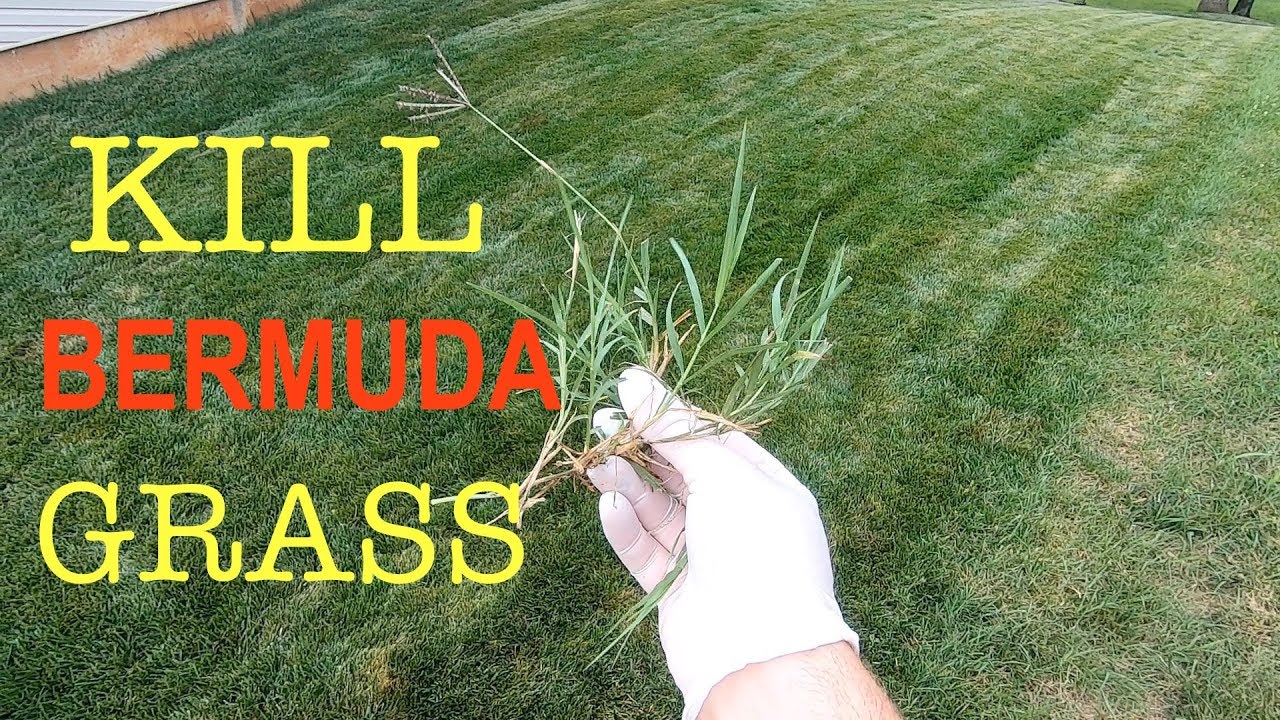
Image Source: i.ytimg.com
Why Bermuda Grass Can Be a Problem
Bermuda grass (Cynodon dactylon) is a warm-season perennial grass known for its aggressive growth habit. It spreads rapidly through both rhizomes (underground stems) and stolons (above-ground stems), allowing it to quickly colonize areas and outcompete desirable lawn grasses, especially in cooler climates or when it infiltrates areas meant for cool-season grasses. Its ability to thrive in heat and drought makes it a robust competitor.
Identifying Bermuda Grass
Before you can effectively tackle Bermuda grass, you need to be sure it’s what you’re dealing with. Here are some key identifying features:
- Leaf Texture: Bermuda grass has fine, narrow leaves.
- Growth Habit: It spreads rapidly, forming a dense mat. You’ll often see its distinctive stolons creeping across the surface of your lawn.
- Color: In its active growing season, it’s a vibrant green. However, it goes dormant and turns brown in cooler temperatures or during drought, often earlier than cool-season grasses.
- Seed Heads: When it flowers, Bermuda grass produces distinctive seed heads that look like a spider with multiple seed stalks.
Strategies for Bermuda Grass Removal
Tackling Bermuda grass is often a battle of persistence. Because it spreads so aggressively, a single method is rarely enough. Combining different techniques will yield the best results for invasive grass control.
Manual Weed Removal: The Foundation of Lawn Weed Eradication
While it might seem tedious, manual removal is a crucial first step, especially for small infestations. This method is particularly effective for young Bermuda grass shoots before they establish deep root systems and spread extensively.
Digging Out Bermuda Grass
- Tools: A sharp spade, a trowel, or a weeding fork are essential.
- Process:
- Water the Area: Slightly moisten the soil. This makes it easier to pull the grass and its roots. Avoid making the soil waterlogged, as this can make removal difficult.
- Dig Deep: Insert your tool deep into the soil, aiming to get under the root ball and the spreading rhizomes.
- Lift and Pull: Gently lift the grass clump, trying to remove as much of the root system as possible. Be vigilant about any visible runners (stolons or rhizomes).
- Dispose Properly: Place the removed grass in a sealed bag or a dedicated compost bin, as any remaining roots or seeds can resprout.
Considerations for Manual Removal:
- Timing: Early spring, when the grass is just starting to grow but before it fully establishes, is an ideal time for manual removal.
- Persistence: You will need to revisit the area regularly to catch any new shoots.
Natural and Organic Weed Killer Options
For those who prefer an eco-friendly approach, several natural methods can help control Bermuda grass. These are generally less potent than chemical herbicides but are safer for the environment and beneficial organisms.
Vinegar as an Organic Weed Killer
Household vinegar (acetic acid) can act as a non-selective contact herbicide. It burns down the green parts of the plant it touches.
- Strength: Use horticultural vinegar (10-20% acetic acid) for stronger results. Household vinegar (5% acetic acid) will require more applications.
- Application: Spray directly onto the Bermuda grass.
- Limitations: Vinegar is non-selective, meaning it will kill any plant it contacts, including your desired lawn grasses. It also primarily affects the top growth; repeated applications may be needed to weaken the root system.
Boiling Water
Boiling water can effectively kill grass and weeds by scalding them.
- Process: Carefully pour boiling water directly onto the Bermuda grass.
- Limitations: Like vinegar, this is non-selective and can harm surrounding plants. It’s best suited for very small, isolated patches.
Corn Gluten Meal
Corn gluten meal is a pre-emergent herbicide. It inhibits root formation in germinating seeds, but it won’t kill established plants.
- Application: Apply in early spring before Bermuda grass seeds germinate.
- Effectiveness: Primarily works on preventing new growth from seed, not on existing, established plants.
The Role of Smothering and Solarization
These methods aim to deprive the grass of light and heat, effectively killing it.
Smothering with Tarps or Cardboard
This is a passive method that works over time.
- Materials: Thick cardboard, black plastic sheeting, or landscape fabric.
- Process:
- Cover the Infested Area: Lay the material directly over the Bermuda grass, ensuring it extends a few inches beyond the infested patch.
- Secure: Weigh down the edges with rocks, bricks, or soil to prevent light from seeping in.
- Wait: Leave the cover in place for several weeks to months, depending on the density of the Bermuda grass and the effectiveness of the cover. The grass will eventually die from lack of light and air.
Solarization
This method uses the sun’s heat to cook the grass and its roots.
- Materials: Clear plastic sheeting.
- Process:
- Mow Low: Mow the Bermuda grass as low as possible.
- Water: Thoroughly water the area.
- Cover: Stretch clear plastic sheeting tightly over the area, burying the edges to create a sealed environment.
- Sun Exposure: Leave the plastic in place during the hottest part of the summer for 4-6 weeks. The trapped heat can reach temperatures high enough to kill the grass.
Important Note: Both smothering and solarization are non-selective and will kill any desired grass or plants beneath the covering. These methods are best used to clear an entire area before reseeding or sodding.
Herbicide Application: Targeted Bermuda Grass Removal
When manual and organic methods aren’t sufficient, chemical herbicides can be a powerful tool for Bermuda grass removal. It’s crucial to use them correctly to minimize damage to desirable plants.
Non-Selective Herbicides
These herbicides kill all plants they come into contact with. They are often used to clear entire areas.
- Glyphosate: This is a common and effective non-selective herbicide. It is absorbed by the foliage and translocated to the roots, killing the entire plant.
- Application: Apply directly to the actively growing Bermuda grass.
- Caution: Avoid overspray onto desirable lawn areas or plants. Glyphosate is generally considered safe once dry, but always follow label instructions.
Selective Herbicides
These herbicides are designed to target specific types of plants while leaving others unharmed. Finding a selective herbicide that specifically targets Bermuda grass while leaving desirable cool-season grasses (like fescue or ryegrass) unharmed can be challenging, as many are designed to target other weeds.
- Fluazifop-P-butyl: This is a post-emergent herbicide that can be effective against Bermuda grass in certain situations, often used in turfgrass where it is not considered a desirable species.
- Mesotrione: This herbicide can inhibit pigment synthesis, causing affected grasses to turn white. It can be effective in controlling Bermuda grass encroachment in certain turf types.
Important Herbicide Application Tips:
- Read the Label: Always read and follow the product label instructions carefully regarding application rates, timing, safety precautions, and potential environmental impacts.
- Timing is Crucial: Apply herbicides when the Bermuda grass is actively growing and before it goes dormant. For cool-season lawns, this is typically in the late spring or early summer. For warm-season lawns, application timing may vary.
- Spot Treatment: Whenever possible, spot-treat the Bermuda grass to minimize exposure to desirable plants.
- Weather Conditions: Avoid applying herbicides before rain is expected, as rain can wash the product away. Do not apply on windy days to prevent drift.
- Repeat Applications: Bermuda grass is persistent, and multiple applications may be necessary over several seasons.
Dealing with Other Common Lawn Weeds
While focusing on Bermuda grass, don’t forget about other common lawn invaders. Effective lawn care tips include addressing these as well.
Crabgrass Killer
Crabgrass is another common summer annual weed that thrives in similar conditions to Bermuda grass.
- Pre-emergent: Apply a pre-emergent herbicide in early spring before crabgrass seeds germinate. This will prevent new crabgrass from growing.
- Post-emergent: If crabgrass has already emerged, you’ll need a post-emergent herbicide that targets crabgrass specifically.
Broadleaf Weed Control
Broadleaf weeds like dandelions, clover, and plantain are different from grassy weeds.
- Dandelion Removal: Dandelions can be manually dug out with a dandelion tool that extracts the taproot. For chemical control, a broadleaf weed killer is effective.
- Broadleaf Weed Herbicides: These are typically selective and target broadleaf plants without harming most lawn grasses. Look for products containing 2,4-D, MCPP, or dicamba for effective broadleaf weed control.
Long-Term Strategies for a Healthy Lawn
Preventing Bermuda grass from becoming a problem in the first place, or regaining control once it’s established, relies heavily on maintaining a healthy, dense lawn.
Proper Mowing Techniques
- Height: Mow your lawn at the higher end of the recommended height for your grass type. Taller grass shades the soil, discouraging weed seed germination and making it harder for Bermuda grass to establish. For cool-season grasses, this often means mowing at 3-4 inches.
- Sharp Blades: Ensure your mower blades are sharp. Dull blades tear grass, making it susceptible to disease and stress.
- Mulch Clippings: Leave grass clippings on the lawn (grasscycling). They return valuable nutrients to the soil and help retain moisture.
Watering Practices
- Deep and Infrequent: Water your lawn deeply but infrequently. This encourages grass to develop deep root systems, making it more drought-tolerant and better able to compete. Avoid light, frequent watering, which promotes shallow roots.
- Timing: Water in the early morning to minimize evaporation and allow the grass to dry before nightfall, reducing the risk of fungal diseases.
Fertilization
- Balanced Nutrition: Provide your lawn with the right nutrients at the right times of year through a balanced fertilization program. This helps your desired grass grow thick and healthy, making it more competitive against weeds.
- Soil Testing: Consider a soil test to determine specific nutrient deficiencies and pH levels, which can inform your fertilization strategy.
Aeration and Dethatching
- Aeration: This process creates small holes in the soil, relieving compaction and allowing air, water, and nutrients to reach the roots. This is especially beneficial for promoting a strong root system in your desirable lawn grasses.
- Dethatching: A thick layer of thatch (dead grass and organic matter) can prevent water and nutrients from reaching the soil. Dethatching removes this layer, improving soil health and turf vigor.
Overseeding
- Fill in Gaps: In areas where Bermuda grass has been removed, overseeding with your desired grass type can help fill in bare spots and prevent weeds from taking hold.
- Timing: Overseed in the fall for cool-season grasses or in the spring for warm-season grasses, ensuring proper seed-to-soil contact.
Combining Methods for Maximum Effectiveness
The most successful Bermuda grass removal strategies often involve a combination of approaches.
Example Scenario: Bermuda Grass in a Fescue Lawn
- Manual Removal: In early spring, manually dig out any visible patches of Bermuda grass before it gets established.
- Herbicidal Treatment: If manual removal isn’t enough, spot-treat remaining patches with a selective herbicide known to control Bermuda grass in fescue, or use glyphosate very carefully on individual plants, allowing them to recover.
- Overseeding: After treatment, overseed any bare spots with fescue seed to promote a dense turf.
- Improved Lawn Care: Focus on proper mowing, watering, and fertilization to keep the fescue healthy and competitive throughout the summer.
Bermuda Grass Removal: A Phased Approach
Consider Bermuda grass removal as a multi-season project. It’s unlikely to be eradicated in a single year, especially with significant infestations.
Year 1: Aggressive Control and Damage Containment
- Focus on killing existing Bermuda grass through a combination of manual removal and targeted herbicide applications.
- Prevent seed spread by removing seed heads if possible.
- Begin improving the health of your desirable lawn grasses.
Year 2: Prevention and Reinforcement
- Continue monitoring for any returning Bermuda grass and address it immediately.
- Implement strong preventative measures, such as healthy lawn practices and potentially pre-emergent herbicides if crabgrass or other annual weeds are also a concern.
- Overseed any thinned areas to maintain turf density.
Ongoing: Vigilance and Maintenance
- Regularly inspect your lawn for any signs of Bermuda grass.
- Maintain optimal lawn care practices to ensure your desired turf remains healthy and vigorous.
Frequently Asked Questions (FAQ)
Q1: Will applying salt get rid of Bermuda grass?
While salt can kill plants, it is not recommended for lawn use. Salt is highly toxic to most plants, including your desirable lawn grasses, and it can sterilize the soil, making it difficult for anything to grow there for a long time.
Q2: Can I use a weed whacker to cut down Bermuda grass?
No, using a weed whacker is not an effective method for Bermuda grass removal. It will cut the top growth but does not address the extensive root system, and it can actually spread pieces of the grass, causing more problems.
Q3: When is the best time to treat Bermuda grass?
The best time to treat actively growing Bermuda grass is when temperatures are consistently between 65°F and 85°F. For cool-season grasses, this typically means late spring or early summer. For warm-season grasses, treatment can occur during active growth periods.
Q4: How can I get rid of Bermuda grass without using chemicals?
You can get rid of Bermuda grass without chemicals by using manual removal (digging), smothering with tarps or cardboard, solarization with clear plastic, and maintaining a very healthy, dense lawn of desirable grass that outcompetes it.
Q5: What is a good crabgrass killer for a mixed lawn?
For crabgrass, a pre-emergent applied in early spring is most effective. Post-emergent treatments are available, but it’s crucial to select one that is safe for your specific lawn grass type. Always check the product label.
Q6: Is Bermuda grass removal a one-time job?
No, Bermuda grass removal is typically an ongoing process. Its aggressive spreading nature means you’ll need to remain vigilant and consistent with your lawn care and weed control efforts for several seasons to keep it at bay.
By following these detailed strategies and maintaining consistent lawn care, you can effectively manage and rid your lawn of invasive Bermuda grass, fostering a healthier and more beautiful turf.