
A Comprehensive Guide
How to get commercial lawn care contracts? Getting commercial lawn care contracts involves a strategic approach focused on understanding client needs, delivering exceptional service, and presenting professional proposals. It requires more than just good mowing; it demands building trust and demonstrating value.
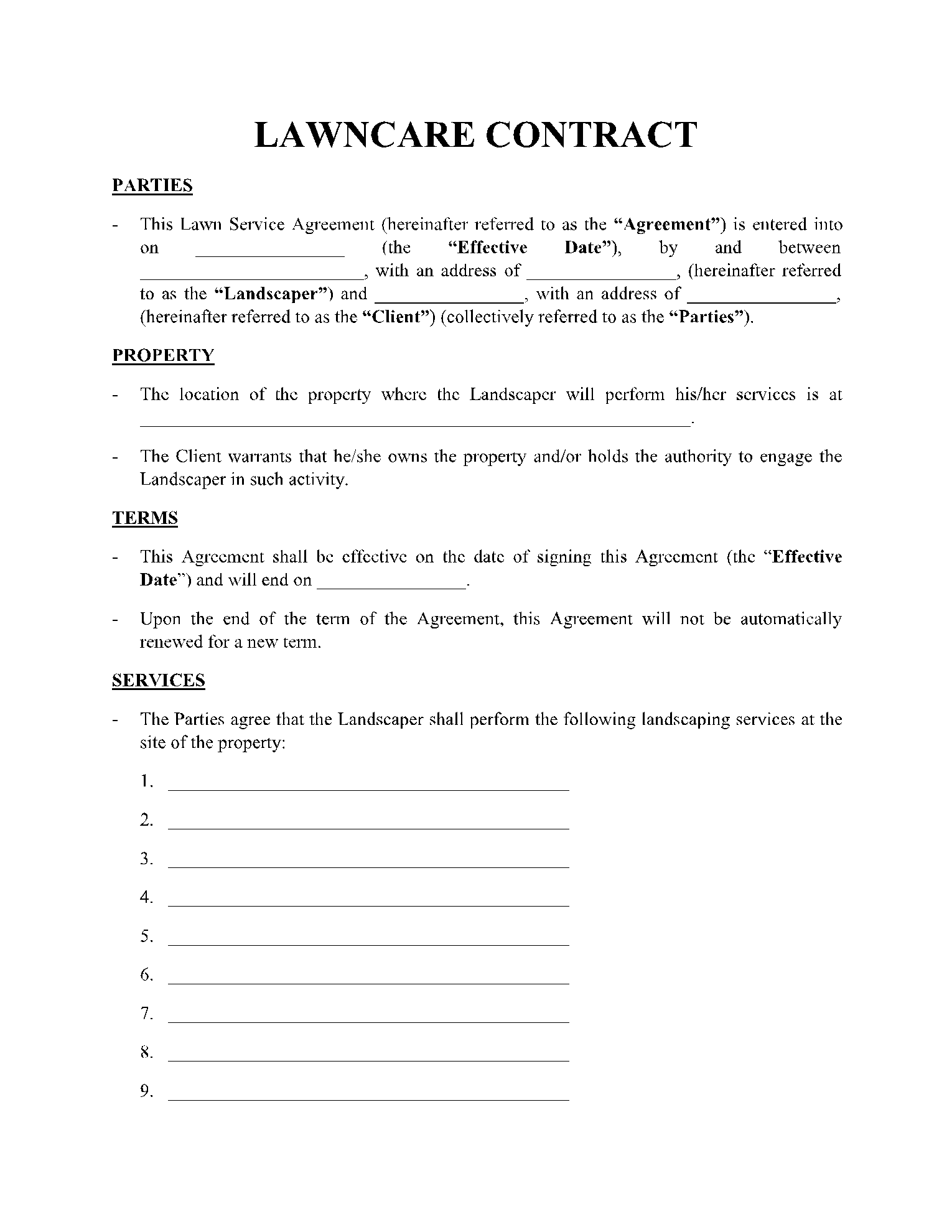
Image Source: source.cocosign.com
Building a Foundation for Success
Securing commercial contracts isn’t just about having the right equipment; it’s about having the right strategy. Commercial property maintenance is a competitive field, and standing out requires a solid plan. This guide will walk you through the essential steps to land those lucrative commercial mowing contracts.
Identifying Your Target Market
Before you can win any contracts, you need to know who you’re selling to. Commercial clients are diverse, ranging from small business parks to large corporate campuses and municipal properties.
Key Commercial Property Types:
- Office Buildings and Business Parks: Often require consistent, pristine landscaping to present a professional image.
- Retail Centers and Shopping Malls: Need curb appeal to attract customers. Seasonal color and clean grounds are paramount.
- Homeowners Associations (HOAs): Focus on maintaining property values and resident satisfaction.
- Industrial Parks: May prioritize functionality and safety, with less emphasis on aesthetics but still requiring reliable groundskeeping.
- Municipal Properties: Parks, public spaces, and government buildings need reliable and cost-effective service.
- Healthcare Facilities: Require meticulous cleanliness and adherence to safety standards, often with specific planting requirements.
Researching Potential Clients:
- Online Searches: Use terms like “commercial property management [your city]” or “office parks [your city].”
- Drive-Bys: Scout out properties that could benefit from your services. Look for overgrown areas, outdated landscaping, or signs of neglect.
- Industry Directories: Many cities have business directories that list commercial property owners and managers.
- Networking: Attend local Chamber of Commerce events or commercial real estate meetups.
Developing Your Service Packages
Commercial clients often look for comprehensive property maintenance contracts, not just basic mowing. Offering a range of services can make you a more attractive partner.
Core Services:
- Mowing: Regular, precise mowing of all turf areas.
- Trimming and Edging: Creating clean lines around beds, walkways, and structures.
- Blowing/Sweeping: Removing clippings and debris from hard surfaces.
Value-Added Services:
- Fertilization and Weed Control: Seasonal applications to promote healthy turf.
- Pest and Disease Management: Proactive treatment of common lawn issues.
- Pruning and Hedging: Maintaining the shape and health of shrubs and trees.
- Seasonal Cleanups: Spring debris removal and fall leaf collection.
- Mulching: Enhancing garden beds for aesthetics and soil health.
- Planting: Seasonal flowers, shrubs, and tree installation.
- Irrigation System Maintenance: Ensuring efficient watering.
- Snow and Ice Management: A crucial service in many regions.
Tailoring Packages:
It’s not a one-size-fits-all approach. Some clients will need basic mowing, while others want a full-service landscape management plan. Create tiered packages or offer a “build-your-own” option to cater to different needs and budgets.
Crafting Winning Lawn Care Bids
The ability to create compelling bid proposals landscaping is crucial for winning commercial lawn care contracts. Your bid is often your first impression, so it needs to be professional, detailed, and persuasive.
The Anatomy of a Strong Bid Proposal
A well-structured bid proposal demonstrates your professionalism and thoroughness. It should clearly outline what you will do, how you will do it, and why you are the best choice.
Key Components of a Commercial Bid:
- Cover Letter: A brief, personalized introduction.
- Executive Summary: A high-level overview of your proposal.
- Company Profile: Your history, mission, and qualifications.
- Scope of Work: Detailed description of services.
- Methodology/Approach: How you will perform the services.
- Pricing: Clear, itemized costs.
- Schedule/Timeline: When services will be performed.
- References: Past commercial clients.
- Insurance and Licensing: Proof of your credentials.
- Terms and Conditions: Contractual details.
Leveraging Landscape Bid Software:
Using landscape bid software can streamline the bidding process. These tools help with:
- Accurate Estimating: Calculating material and labor costs more precisely.
- Standardized Templates: Creating professional-looking proposals quickly.
- Client Management: Tracking bids and client communications.
- Profitability Analysis: Ensuring your bids are profitable.
Some popular options include Service Autopilot, LMN (Landscape Management Network), Aspire, and Grow.
Pricing Your Commercial Services Competitively
Pricing is a delicate balance. You need to be competitive but also ensure profitability.
Factors to Consider in Pricing:
- Labor Costs: Wages, benefits, payroll taxes.
- Equipment Costs: Purchase, maintenance, fuel, insurance.
- Material Costs: Fertilizers, mulch, plants, etc.
- Overhead: Office rent, utilities, insurance, administrative staff.
- Desired Profit Margin: What you need to earn to grow your business.
- Market Rates: What competitors are charging for similar services.
- Property Size and Complexity: Larger, more complex properties require more resources.
- Frequency of Service: Weekly, bi-weekly, monthly.
Cost-Plus vs. Fixed-Price Bidding:
- Cost-Plus: You state your costs and add a percentage for profit. This is good for complex jobs where costs can fluctuate but might be less appealing to clients seeking budget certainty.
- Fixed-Price: You provide a single, all-inclusive price. This is preferred by most commercial clients as it offers budget predictability. You must be very accurate in your cost estimations to avoid losing money.
Estimating Worksheet Example (Simplified):
| Service Component | Hours | Hourly Rate | Total Labor Cost | Material Cost | Equipment Cost (per hour) | Total Cost per Service |
|---|---|---|---|---|---|---|
| Mowing | 20 | $25 | $500 | $50 | $20 | $570 |
| Trimming & Edging | 8 | $25 | $200 | $20 | $10 | $230 |
| Blowing | 4 | $25 | $100 | $10 | $5 | $115 |
| Subtotal | 32 | $800 | $80 | $35 | $915 | |
| Overhead (20%) | $183 | |||||
| Profit (15%) | $137.25 | |||||
| Total Bid Price | $1,235.25 |
Note: This is a highly simplified example. Real-world estimates involve much more detail.
Writing Persuasive Proposal Content
Beyond the numbers, your proposal needs to tell a story and build confidence.
Key Messaging Points:
- Reliability: Emphasize your track record and commitment to deadlines.
- Quality: Showcase your attention to detail and high standards.
- Professionalism: Highlight your trained staff, clean uniforms, and well-maintained equipment.
- Communication: Explain how you will keep the client informed.
- Problem-Solving: Show you can handle challenges and unexpected issues.
Tailoring Your Language:
Use language that resonates with property managers and business owners. They care about property value, tenant satisfaction, safety, and budget. Frame your services in terms of these benefits. For instance, instead of “We will mow the lawn,” say “We will maintain a pristine lawn that enhances your property’s curb appeal and tenant satisfaction.”
The Art of Selling and Closing
Getting a commercial lawn care contract is an active sales process. You can’t just wait for them to come to you.
Proactive Sales and Marketing Strategies
1. Networking:
- Local Business Groups: Join your Chamber of Commerce, BNI (Business Network International) chapters, or industry-specific associations.
- Commercial Real Estate Professionals: Build relationships with property managers, real estate agents, and developers. They are often the gatekeepers to new contracts.
- Attend Industry Events: Trade shows and conferences offer opportunities to meet potential clients.
2. Direct Outreach:
- Targeted Mailers/Emails: Send personalized information to businesses you’ve identified.
- Cold Calling: While challenging, a well-executed cold call can open doors.
- Door-to-Door (for smaller commercial properties): Visit business parks and introduce yourself.
3. Digital Marketing:
- Professional Website: Showcase your services, portfolio, testimonials, and contact information.
- Search Engine Optimization (SEO): Make sure your website ranks high for relevant search terms like “commercial lawn care [your city]” or “landscaping services for businesses.”
- Social Media Marketing: Use platforms like LinkedIn to connect with business professionals and showcase your work.
- Online Advertising: Google Ads or social media ads targeting specific demographics and locations.
4. Referrals:
- Ask Existing Clients: Happy clients are your best source of new business. Implement a referral program.
Building Client Relationships
Securing commercial contracts is often about building long-term relationships. Property managers want reliable partners they can trust.
Key Relationship-Building Tactics:
- Consistent Communication: Keep clients informed about schedules, any issues encountered, and upcoming services.
- Proactive Problem Solving: Address potential issues before they become major problems (e.g., noticing a drainage issue and suggesting a solution).
- Follow-Up: After completing a job or signing a contract, follow up to ensure satisfaction.
- Surprise and Delight: Go the extra mile occasionally. This could be a complimentary hedge trim or a small seasonal planting.
- Responsiveness: Answer calls and emails promptly.
- Active Listening: Pay attention to client feedback and concerns.
Presenting Your Bid and Following Up
Once your bid proposal landscaping is ready, the presentation matters.
Tips for Presenting Your Bid:
- Schedule a Meeting: Whenever possible, present your bid in person or via video conference. This allows you to answer questions and build rapport.
- Be Prepared: Know your bid inside and out. Anticipate questions about pricing, scheduling, and your capabilities.
- Highlight Key Benefits: Focus on how your services will solve their problems and meet their goals.
- Professional Appearance: Dress professionally for meetings.
- Provide a Sample Contract: Have your standard terms and conditions ready.
The Follow-Up Process:
- Immediate Follow-Up: Send a thank-you email or call shortly after the presentation.
- Periodic Check-ins: If a decision isn’t made immediately, follow up at agreed-upon intervals. Avoid being overly pushy.
- Address Concerns: If the client raises objections or asks for revisions, be prepared to address them promptly and professionally.
Navigating the Contract Agreement
Signing the contract is the final step, but it requires careful attention to detail.
Key Contractual Clauses to Consider
When dealing with commercial property maintenance contracts, ensure your contract covers all essential aspects to protect your business and clearly define expectations.
Essential Contract Elements:
- Parties Involved: Full legal names and addresses of both parties.
- Scope of Services: Precise description of all services to be rendered.
- Service Schedule: Frequency and timing of services (e.g., weekly mowing, spring cleanup dates).
- Term of Contract: Start and end dates, renewal options.
- Pricing and Payment Terms: Total cost, payment schedule (e.g., net 30), late payment penalties.
- Change Order Process: How modifications to the scope of work will be handled and priced.
- Insurance: Specify liability insurance coverage and limits.
- Indemnification Clause: Protection against claims arising from your work.
- Termination Clause: Conditions under which either party can terminate the contract.
- Dispute Resolution: How disagreements will be resolved (e.g., mediation, arbitration).
- Force Majeure: What happens in case of unforeseen events (e.g., extreme weather, natural disasters).
Insurance and Licensing Requirements
Commercial clients, especially larger ones, will require proof of adequate insurance and proper licensing.
Common Requirements:
- General Liability Insurance: Protects against third-party property damage or bodily injury.
- Workers’ Compensation Insurance: Covers employees injured on the job.
- Commercial Auto Insurance: Covers vehicles used for business operations.
- Business Licenses: Ensure you have all necessary local and state business licenses.
- Pesticolling/Fertilizing Licenses: If you offer these services, you’ll need specific licenses.
Always be prepared to provide Certificates of Insurance (COIs) to potential clients.
Managing Expectations and Delivering Excellence
Once the contract is signed, the real work of building a lasting relationship begins.
Delivering on Your Promises:
- Adhere to the Schedule: Punctuality and reliability are paramount.
- Maintain Quality Standards: Consistently deliver the high-quality work outlined in the bid.
- Communicate Effectively: Keep the client informed of any schedule changes, issues, or progress.
- Train Your Crew: Ensure your team understands the contract requirements and your company’s service standards.
- Inspect Your Own Work: Conduct regular quality checks.
Frequently Asked Questions (FAQ)
Q1: How do I find commercial properties that need lawn care services?
A1: You can find commercial properties by driving around your local area, searching online business directories, checking commercial real estate listings, and networking with property managers and business owners.
Q2: What is the most important factor in winning commercial lawn care contracts?
A2: While many factors contribute, consistently demonstrating reliability, quality of service, and professionalism in your bid proposals and execution is often the most critical factor for securing commercial contracts.
Q3: Can I compete with larger landscaping companies?
A3: Yes, you can. Smaller companies can often offer more personalized service and competitive pricing. Focus on your strengths, build strong local relationships, and highlight your unique value proposition.
Q4: How often should I follow up on a bid I submitted?
A4: Follow up within 24-48 hours of submission to confirm receipt and answer initial questions. Then, follow up at agreed-upon intervals or every 1-2 weeks, depending on the client’s process, without being overly persistent.
Q5: What are common mistakes to avoid when bidding for commercial contracts?
A5: Common mistakes include underpricing services, not thoroughly understanding the scope of work, failing to include all necessary details in the proposal, not proofreading bids, and lacking proper insurance or licensing.
By implementing these strategies, you can effectively navigate the process of securing commercial lawn care contracts and build a thriving business. Remember that consistent effort, quality service, and strong client relationships are the cornerstones of long-term success in commercial property maintenance.