
Can you attract worms to your garden? Yes, you absolutely can! By creating a welcoming environment, your garden can become a haven for these essential soil-dwelling creatures. Worms are nature’s tiny gardeners, tirelessly working to improve your soil, making it richer, more fertile, and better at holding water. They are crucial for a healthy garden ecosystem.
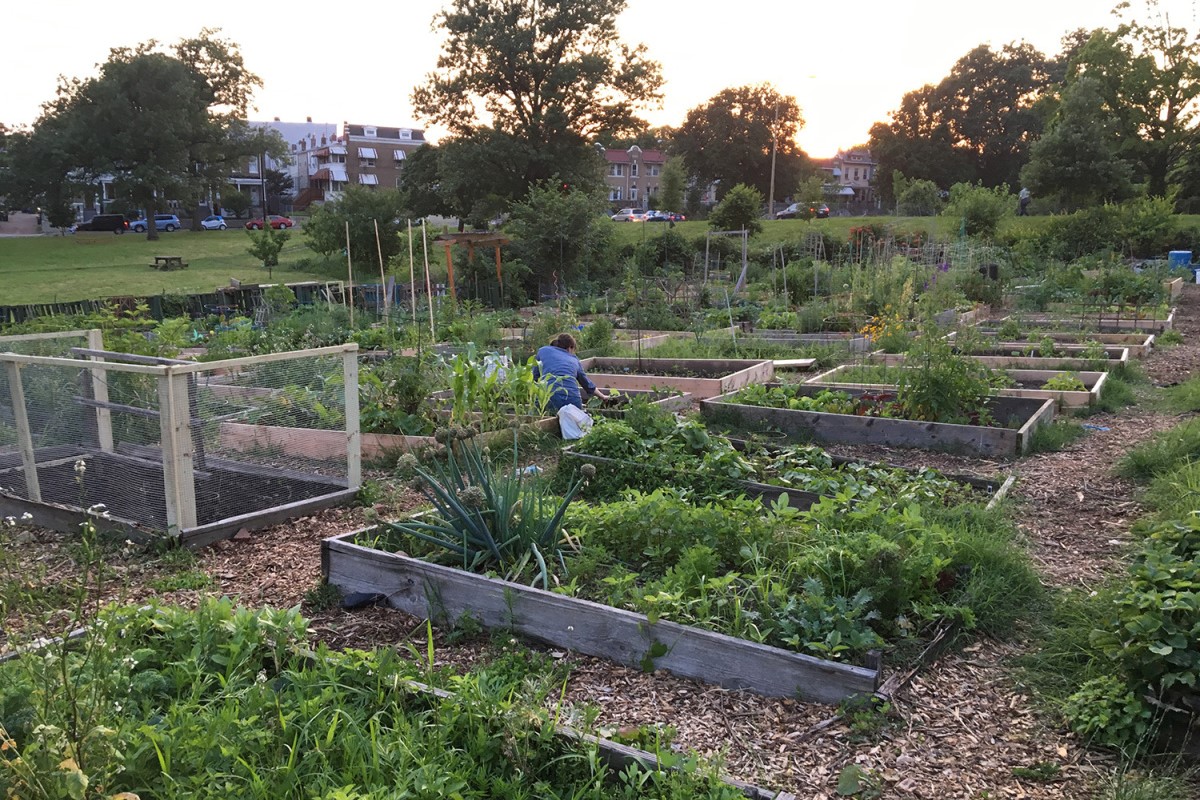
Image Source: seedmoney.org
The Vital Role of Worms in Your Garden
Worms, often called “earthworms,” are indispensable for thriving gardens. They act as natural tillers, breaking down plant debris and organic matter into nutrient-rich castings. These castings are a superb soil amendment, providing plants with essential nutrients in an easily absorbable form. Beyond just feeding your plants, worms significantly improve soil structure. Their tunnels allow for better aeration, which means more oxygen can reach plant roots, and water can penetrate the soil more effectively, reducing runoff. This also helps prevent soil compaction.
Creating a Worm-Friendly Habitat: The Foundation
To attract worms, you need to offer them the essentials: food, shelter, and the right environmental conditions. Think of it from a worm’s perspective – what would make your garden the most appealing place to live and reproduce?
Food Sources for Garden Worms
Worms are detritivores, meaning they eat decaying organic material. Providing a consistent and diverse food source is the most direct way to lure them in.
- Composting Powerhouses: Your compost bin is a worm buffet. As you create composting material, you are essentially preparing a smorgasbord for earthworms. Kitchen scraps (excluding meat, dairy, and oily foods) and yard waste are prime worm food.
- Kitchen Scraps: Small amounts of kitchen scraps like fruit and vegetable peels, coffee grounds, tea bags (without staples), and crushed eggshells are excellent attractants. Bury these scraps directly into the soil or add them to your compost pile.
- Leaf Litter: A natural and readily available food source is leaf litter. Fallen leaves, especially those from deciduous trees, decompose over time, offering a rich food source. Consider leaving a layer of leaves in your garden beds, especially in the fall.
- Grass Clippings: Freshly cut grass clippings can be added to compost piles or lightly incorporated into the soil. Ensure they are not applied too thickly, as they can become matted and anaerobic, which worms dislike.
Providing Shelter and Safe Havens
Worms need protection from predators and harsh weather.
- Mulch Layers: A thick layer of organic mulch, such as straw, shredded bark, or wood chips, provides a dark, moist, and protected environment for worms. It also helps retain soil moisture.
- Uncovered Soil: While mulch is great, worms also need access to the soil itself. Avoid completely paving over your garden beds.
- Avoid Chemical Overuse: Pesticides and harsh chemical fertilizers can be lethal to worms. Opting for organic gardening practices is crucial for their survival and proliferation.
Essential Environmental Conditions
Worms are sensitive creatures and thrive in specific conditions.
- Moisture is Key: Worms breathe through their skin, which must remain moist. Soil that is too dry will drive them away. Aim for soil that is consistently damp but not waterlogged. This is where proper watering and mulching become critical for maintaining moisture.
- Ideal pH Balance: Worms prefer slightly acidic to neutral soil, with a pH balance typically between 6.0 and 7.0. Highly acidic or alkaline soils can be detrimental. You can test your soil’s pH and amend it if necessary.
- Temperature Preferences: Most common earthworms, like the red wiggler (Eisenia fetida) often used in earthworm farming, prefer temperatures between 55°F and 77°F (13°C and 25°C). Extreme heat or cold will send them deeper into the soil or cause them to become dormant.
Simple Strategies to Attract Worms to Your Garden
Now that we know what worms need, let’s explore practical methods to bring them to your garden.
Strategy 1: Build a Worm Compost Bin
Earthworm farming, also known as vermicomposting, is a fantastic way to create a concentrated worm population and produce nutrient-rich worm castings.
- Choosing a Bin: You can buy a pre-made worm bin or construct your own from plastic containers, wooden boxes, or even old bathtubs. The key is that it must have good ventilation and drainage.
- Bedding Materials: Worms need a cozy bed. Shredded newspaper, cardboard, coconut coir, or aged leaves work well. Moisten the bedding until it’s like a wrung-out sponge.
- Adding Food: Start by adding a small amount of kitchen scraps and organic matter. Bury the food scraps under the bedding to prevent odors and fruit flies.
- Introducing Worms: Purchase specific composting worms, like red wigglers, from a reputable supplier. Avoid using earthworms from your garden, as they may not be suited for bin conditions.
- Maintenance: Keep the bedding moist, add food regularly, and harvest the castings every few months.
Strategy 2: Enhance Your Garden Soil with Organic Matter
Simply adding more organic matter to your existing garden beds will naturally attract worms.
- Top Dressing with Compost: Spread a layer of finished compost over your garden beds. This provides food and improves soil structure.
- Incorporating Manure: Well-rotted manure (from herbivores like cows, horses, or chickens) is highly attractive to worms. Ensure it is aged properly to avoid burning plant roots.
- Planting Cover Crops: Cover crops like clover, vetch, or rye can be grown and then tilled into the soil. This adds significant organic material and improves soil health, making it more appealing to earthworms.
Strategy 3: Practice No-Till Gardening
No-till gardening methods are incredibly beneficial for earthworm populations.
- Benefits of Reduced Tilling: Tilling disrupts worm burrows and can directly harm worms. By reducing or eliminating tilling, you allow worm populations to establish and thrive undisturbed.
- Layering Organic Matter: Instead of tilling, layer compost, leaf litter, and other organic materials on top of the soil. Worms will migrate upwards to consume this food source.
Strategy 4: Manage Soil Moisture Effectively
Consistent moisture is paramount for attracting and retaining worms.
- Watering Wisely: Water your garden deeply and less frequently, rather than shallowly and often. This encourages worms to move deeper into the soil where moisture is more consistent.
- Mulching for Moisture Retention: As mentioned earlier, mulching is one of the best ways to keep the soil surface consistently moist.
Strategy 5: Encourage Beneficial Insects and Biodiversity
While this might seem counterintuitive, fostering a healthy ecosystem can also benefit worms.
- Worm Predators: Some beneficial insects and other creatures are natural predators of worms. However, a balanced ecosystem generally supports a healthy worm population. By attracting beneficial insects that prey on pests, you create a healthier environment overall.
- Biodiversity: A garden rich in diverse plant life and organic matter supports a wider range of soil organisms, including beneficial microbes and fungi, which work in tandem with worms to break down organic material.
What Worms Eat: A Closer Look
Understanding the dietary preferences of earthworms can help you tailor your garden’s offerings.
| Food Type | Benefits for Worms | How to Add to Garden | Notes |
|---|---|---|---|
| Kitchen Scraps | Excellent source of nutrients and moisture. | Bury in garden beds, add to compost bins. | Avoid meat, dairy, oily foods, citrus in large quantities, spicy foods. |
| Leaf Litter | Decomposes slowly, providing a sustained food source. | Leave a layer in garden beds, especially in fall. | Oak leaves are excellent; avoid black walnut leaves (juglone is toxic). |
| Grass Clippings | Good source of nitrogen. | Add in thin layers to compost bins or lightly incorporate into the soil. | Avoid thick layers which can mat and go anaerobic. |
| Coffee Grounds | Rich in nitrogen and minerals. | Add to compost bins or directly to soil. | Worms love them; can be added in moderation. |
| Eggshells | Provide calcium; help buffer soil pH. | Rinse, crush, and add to compost bins or soil. | Essential for worm reproduction. |
| Aged Manure | Highly nutritious and attractive to worms. | Mix into compost or incorporate into soil after aging for at least 6 months. | Fresh manure can burn roots and is too strong for worms. |
| Cardboard/Paper | Provides carbon and bulk for bedding and food. | Shred and moisten for bedding, or add to compost bins. | Use plain, unprinted paper or plain brown cardboard. Avoid glossy or colored. |
The Power of Composting for Worm Attraction
Composting is perhaps the single most effective way to create a worm-friendly zone in your garden. A well-maintained compost pile or bin acts as a beacon for earthworms.
- Building a Compost Pile: Start with a base layer of coarser material like twigs for aeration. Then, alternate layers of “greens” (nitrogen-rich materials like kitchen scraps and grass clippings) and “browns” (carbon-rich materials like dry leaves and shredded paper).
- Moisture and Aeration in Compost: Your compost pile needs to be kept consistently moist, like a damp sponge, and should be turned regularly to allow for air circulation. These conditions are ideal for both the decomposition process and for supporting a healthy worm population within the pile.
- Worm Castings from Compost: As your compost breaks down, it becomes prime food for worms, and they will readily colonize the pile. The resulting material, rich in worm castings, is an exceptional soil amendment for your garden.
Beyond the Basics: Advanced Worm Attraction Techniques
Once you’ve established a good foundation, consider these additional tips.
Aeration with Worms in Mind
- Core Aeration: If you have compacted soil, consider core aeration. The small plugs of soil removed create pockets that worms can easily enter and inhabit, while also improving air and water penetration. Leave these plugs on the surface to break down and provide food.
Moisture Management for Worms
- Rainwater Harvesting: Consider setting up a rain barrel. Using collected rainwater, which is often slightly acidic and free of chlorine, can be gentler on worm populations than treated tap water.
- Swales and Berms: In larger gardens, creating swales (shallow ditches on contour) and berms (raised mounds) can help capture and retain rainwater, creating consistently moist microclimates that worms will appreciate.
pH Balance Considerations
- Soil Testing: Regularly test your soil’s pH balance. If it’s too acidic, you can add lime. If it’s too alkaline, you can add sulfur or peat moss. Worms are most active in a pH range of 6.0 to 7.0.
Working with Beneficial Insects
- Integrated Pest Management (IPM): By adopting IPM, you reduce reliance on harmful chemicals that can decimate worm populations. This might involve introducing predatory insects that target garden pests, thus creating a healthier overall ecosystem.
Leaf Litter Management
- Designated Leaf Piles: Create a designated area in your garden for leaf litter. This provides a concentrated food source and shelter for worms and other beneficial soil organisms. You can then periodically spread small amounts of this composted leaf matter into your garden beds.
Kitchen Scraps – Smartly Applied
- Burying in Garden Beds: Instead of just tossing kitchen scraps on the surface, dig shallow trenches (about 6-8 inches deep) in different parts of your garden beds and bury the scraps. This protects them from predators and allows worms to find them easily. Rotate where you bury scraps to distribute their benefits.
Earthworm Farming as a Garden Booster
Earthworm farming is not just about producing compost for your own garden; it’s about cultivating a living workforce.
- Creating Worm Colonies: A thriving worm farm can be a source of worms to “seed” new garden areas or compost piles. When your farm becomes overcrowded, you can carefully transfer some of the inhabitants to other parts of your garden, directly introducing a ready-made worm population.
Troubleshooting Common Worm Attraction Issues
Sometimes, despite your best efforts, you might not see as many worms as you’d like.
- Problem: Soil is too dry.
- Solution: Increase watering frequency or depth. Add a thicker layer of mulch.
- Problem: Soil is compacted.
- Solution: Practice no-till gardening. Add plenty of organic matter and compost. Consider core aeration.
- Problem: Soil is too acidic or alkaline.
- Solution: Test soil pH and amend as needed to reach the 6.0-7.0 range.
- Problem: Presence of chemicals.
- Solution: Cease using synthetic pesticides and fertilizers. Transition to organic methods.
Conclusion: A Thriving Garden, Thanks to Worms
Attracting worms to your garden is a rewarding endeavor that significantly enhances soil health and plant vitality. By providing consistent food sources through composting and organic matter, maintaining optimal moisture levels, ensuring a suitable pH balance, and practicing gentle gardening techniques that promote aeration, you create an inviting habitat. Consider the benefits of leaf litter, smart application of kitchen scraps, and the overall ecosystem support for beneficial insects. For those seeking a more concentrated approach, earthworm farming offers a direct way to boost your garden’s worm population. With these strategies, your garden will soon be teeming with these industrious, soil-enriching allies, leading to healthier plants and a more vibrant ecosystem.
Frequently Asked Questions (FAQ)
-
Q1: How quickly can I expect to see worms after making changes to my garden?
A1: Worms are naturally present in most soils, but attracting more can take time. You might start noticing a difference within a few weeks to a couple of months, especially if you consistently provide food and ideal conditions. Building up a significant population takes longer, often several months to a year. -
Q2: Can I just dig up worms from another area and put them in my garden?
A2: While you can transfer worms, it’s best to use composting worms (like red wigglers) for earthworm farming or if you want to introduce a new population. Garden worms are adapted to specific conditions, and worms from untreated areas might carry soil diseases or might not be the most efficient composters. Always introduce worms gradually and ensure your garden provides suitable habitat. -
Q3: What are the best types of worms to attract?
A3: The most common and beneficial worms for gardens are epigeic (surface-dwelling) and anecic (deep-burrowing) earthworms. Red wigglers (Eisenia fetida) are excellent for composting and are often sold for this purpose. Nightcrawlers (Lumbricus terrestris) are deep burrowers that are great for aeration and soil structure. Native earthworm species are also ideal if present in your region. -
Q4: Will adding too much compost harm my garden or the worms?
A4: Generally, adding compost is very beneficial. However, if you add an exceptionally thick layer of fresh, uncomposted material, it can initially create anaerobic conditions or heat up, which might deter worms temporarily. Finished compost is ideal. For worm bins, overfeeding can lead to anaerobic conditions, so it’s better to feed in moderation. -
Q5: How do I know if my garden has enough worms?
A5: You can check by digging a small hole in your garden, especially in a moist area, and sifting through the soil. If you see earthworms or their castings (small, dark, granular pellets), you have a healthy population. The presence of rich, dark, crumbly soil that holds moisture well is also a good indicator of worm activity. -
Q6: Can worms survive in raised beds?
A6: Yes, worms can absolutely thrive in raised beds, provided the conditions are right. Ensure the soil in your raised bed is rich in organic matter and that the moisture levels are consistently maintained. The soil depth in raised beds can sometimes dry out faster, so diligent mulching and watering are key.