
Can you apply peat moss to your lawn? Yes, you absolutely can! Applying peat moss to your lawn is a fantastic way to improve your soil and promote a healthier, greener turf. It’s a time-tested soil amendment that offers numerous benefits for lawn care. This comprehensive guide will walk you through the process step-by-step, ensuring you get the most out of this natural product.
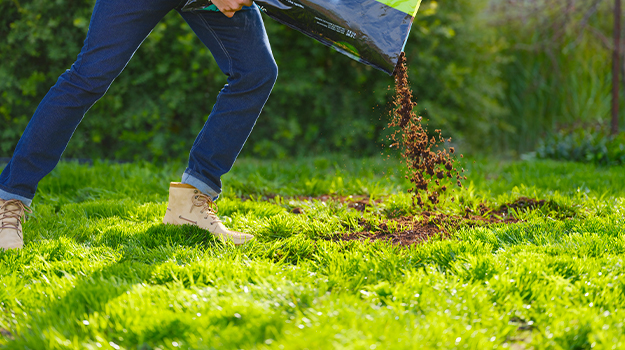
Image Source: www.promixgardening.com
Why Use Peat Moss?
Peat moss, derived from sphagnum moss bogs, is renowned for its unique properties that make it an excellent soil conditioner. It’s a valuable source of organic matter, which is crucial for healthy soil structure and plant growth.
Key Benefits of Peat Moss for Your Lawn:
- Improves Soil Structure: Peat moss helps to loosen compacted soils, allowing better air and water penetration. For clay soils, this means preventing waterlogging. For sandy soils, it helps bind particles together.
- Enhances Moisture Retention: One of peat moss’s most celebrated qualities is its ability to hold a significant amount of water. This means your lawn will need less frequent watering, especially during hot, dry periods. It acts like a sponge, slowly releasing moisture to the grass roots.
- Increases Aeration: By improving soil structure, peat moss allows more oxygen to reach the grass roots. This is vital for root health and overall plant vigor. Aeration is a key component of good lawn care, and peat moss contributes significantly to this.
- Provides Nutrients (Slowly): While not a primary fertilizer, peat moss does contain trace amounts of nutrients that are released slowly over time, contributing to the overall health of your soil.
- Helps with Seed Germination: When overseeding or starting a new lawn, a layer of peat moss over grass seed can create an ideal environment for germination. It keeps the seeds moist and protected.
- Regulates Soil pH: Peat moss is naturally acidic. While this can be beneficial for some plants, it’s important to consider your existing soil pH. Most turfgrass varieties prefer a slightly acidic to neutral pH (around 6.0-7.0). Peat moss can help lower pH in alkaline soils, but if your soil is already acidic, excessive use might not be ideal.
When is the Best Time to Apply Peat Moss?
The ideal time to apply peat moss depends on your primary goal.
Timing Considerations:
- For General Soil Improvement: Spring or early fall are excellent times. These periods allow the peat moss to integrate into the soil before the extreme heat of summer or the dormancy of winter.
- For Overseeding: Apply peat moss immediately after spreading grass seed in the fall or early spring. This helps keep the seeds moist and improves germination rates.
- To Amend Planting Beds: You can incorporate peat moss into garden beds when preparing them for planting in spring or fall.
How to Prepare for Peat Moss Application
Before you start spreading, some preparation will make the job much easier and more effective.
Gathering Your Supplies:
- Peat Moss: Choose high-quality, 100% sphagnum peat moss. Look for bales or bags at your local garden center or hardware store.
- Shovel or Spade: For turning or incorporating the peat moss into the soil.
- Garden Fork or Aerator: Essential if your lawn is compacted.
- Wheelbarrow: To transport the peat moss.
- Rake: A sturdy garden rake is necessary for spreading and leveling.
- Watering Can or Hose: For watering after application.
- Gloves and Mask: Peat moss can be dusty, so protection is recommended.
Assessing Your Lawn’s Needs:
Take a moment to look at your lawn. Is it patchy? Compacted? Does it seem to dry out quickly? This will help you decide how heavily to apply the peat moss.
- Compacted Soil: If your soil is hard and compacted, aeration should be your first step. This will create holes for the peat moss to penetrate.
- Sandy Soil: This type of soil benefits greatly from peat moss’s moisture retention capabilities.
- Clay Soil: Peat moss will help break up the heavy clay, improving drainage and aeration.
Step-by-Step Guide to Applying Peat Moss
Applying peat moss can be done in a couple of primary ways, depending on your lawn’s condition and your goals.
Method 1: Topdressing with Peat Moss (For Seeding or Light Improvement)
This method is ideal for lightly improving the top layer of soil, adding organic matter, and preparing the ground for grass seed or overseeding.
Step 1: Prepare the Lawn
- Mow the Lawn: Mow your grass to a shorter height than usual. This makes it easier to work with the soil and prevents the peat moss from smothering existing grass.
- Rake and Clean: Rake the lawn to remove any dead grass, debris, and thatch. This ensures good contact between the peat moss and the soil.
Step 2: Apply the Peat Moss
- Spread Evenly: Open the peat moss bag or bale and spread it thinly over the lawn surface. A layer of about 1/4 to 1/2 inch is generally sufficient. You can do this by hand or using a spreader if you have a large area.
- Use a Wheelbarrow: For easier application, place peat moss in a wheelbarrow and then scoop it out onto the lawn.
Step 3: Incorporate the Peat Moss
- Rake Gently: Use a garden rake to gently work the peat moss into the top layer of the soil and over the existing grass. You want to ensure some of the peat moss makes contact with the soil beneath the grass blades.
- Avoid Thick Layers: Do not apply a thick layer of peat moss, as this can suffocate the grass and prevent sunlight from reaching it. The goal is to mix it into the top inch or so of soil.
Step 4: Add Grass Seed (If Overseeding)
- Spread Seed: If you are overseeding your lawn, spread your chosen grass seed evenly over the peat moss.
- Gently Rake Seed: Lightly rake the grass seed into the peat moss to ensure good seed-to-soil contact.
Step 5: Water Thoroughly
- Moisten the Area: Water the entire area gently but thoroughly. This helps settle the peat moss and grass seed into the soil and provides the necessary moisture for germination.
- Keep Moist: For the next few weeks, keep the newly seeded area consistently moist until the grass is established.
Method 2: Incorporating Peat Moss into Soil (For Significant Soil Improvement)
This method is more intensive and best suited for lawns with severely compacted or poor-quality soil. It’s often done in conjunction with aeration.
Step 1: Aerate the Lawn
- Core Aeration Recommended: For best results, use a core aerator, which pulls out plugs of soil. This creates much larger openings for the peat moss to penetrate deeply. Renting a core aerator is a common practice for this type of lawn care.
- Spike Aeration: If a core aerator isn’t available, spike aeration can still help, but the peat moss won’t penetrate as deeply.
Step 2: Apply the Peat Moss
- Spread Generously: After aeration, spread a thicker layer of peat moss over the lawn. For significant soil improvement, you might apply a layer of 1 to 2 inches.
- Use a Wheelbarrow: Distribute the peat moss using a wheelbarrow.
Step 3: Incorporate Deeply
- Rake and Blend: Use a stiff garden rake to work the peat moss into the aeration holes.
- Tilling (Optional for New Lawns/Beds): If you’re preparing a new lawn area or a garden bed, you can till the peat moss into the soil to a depth of 4-6 inches. For an established lawn, this is generally not recommended as it can damage existing grass roots.
Step 4: Add Grass Seed (If Necessary)
- Overseeding: If your lawn is thin, this is an excellent time to overseed. Spread grass seed over the area.
- Rake Seed In: Use a rake to lightly work the seed into the peat moss and soil mixture.
Step 5: Water Well
- Settle the Mixture: Water the entire area thoroughly to help the peat moss and soil integrate.
- Maintain Moisture: Keep the soil consistently moist until new grass is established.
How Much Peat Moss Should You Use?
The amount of peat moss you need depends on the size of your lawn and the condition of your soil.
Estimating Peat Moss Needs:
- For Topdressing: A general guideline is to apply a layer of 1/4 to 1/2 inch of peat moss. For a 1,000 square foot lawn, this would require approximately 1 to 2 cubic feet of peat moss (compressed). Remember, peat moss expands significantly when moistened.
- For Incorporating: If you’re incorporating a thicker layer (1-2 inches) after aeration, you’ll need considerably more, perhaps 4 to 8 cubic feet per 1,000 square feet.
It’s always better to start with a lighter application and observe the results, adding more if needed in subsequent seasons.
Considerations for Using Peat Moss
While peat moss is highly beneficial, there are a few things to keep in mind.
Peat Moss and Soil pH:
- Natural Acidity: Peat moss is naturally acidic, with a pH typically ranging from 3.5 to 4.5.
- Impact on pH: Applying large quantities of peat moss to already acidic soil can lower the pH further, potentially making it unsuitable for some turfgrass species.
- Testing Your Soil: It’s wise to perform a soil test before major applications, especially if you have concerns about your soil’s pH. This will guide your soil improvement strategy. If your soil is alkaline, peat moss can be quite beneficial.
Peat Moss and Dryness:
- Hydrophobic Tendencies: When dry, peat moss can become hydrophobic, meaning it repels water. This is why it’s crucial to ensure the peat moss is well-moistened after application and kept consistently moist during establishment if you’ve seeded.
- Mixing with Other Materials: Some people find mixing peat moss with compost or other organic matter helps prevent it from becoming too hydrophobic and also adds a broader spectrum of nutrients.
Alternatives to Peat Moss:
While peat moss is excellent, it’s worth noting its environmental impact, as the harvesting of peat bogs is a non-renewable process.
Sustainable Alternatives:
- Compost: Well-rotted compost is a fantastic soil amendment that adds nutrients and improves soil structure.
- Coconut Coir (Coco Coir): This is a byproduct of the coconut industry and offers similar moisture retention and aeration benefits to peat moss, with a more sustainable profile.
- Leaf Mold: Decomposed leaves are another excellent source of organic matter.
Many gardeners and lawn care professionals are increasingly opting for these alternatives to reduce reliance on peat moss.
Maintaining Your Peat Moss Treated Lawn
Once you’ve applied peat moss, continue with good lawn care practices.
Ongoing Care:
- Watering: Continue to water your lawn regularly, especially during dry spells. The peat moss will help retain moisture, but it doesn’t eliminate the need for watering.
- Mowing: Mow at the appropriate height for your grass type.
- Fertilizing: Consider lawn fertilization based on your soil test results and the needs of your grass. Peat moss provides some slow-release nutrients, but a balanced fertilizer may still be necessary.
- Weeding: Keep weeds under control.
- Further Aeration: Periodic aeration, especially for compacted soils, will continue to benefit your lawn.
Summary Table: Peat Moss Application Methods
Here’s a quick comparison to help you choose the right method.
| Feature | Topdressing Method | Incorporation Method |
|---|---|---|
| Primary Goal | Light improvement, seeding, moisture retention | Major soil improvement, aeration, seed germination |
| Peat Moss Layer | 1/4 – 1/2 inch | 1 – 2 inches (or more for beds) |
| Soil Prep | Mow, rake, clean | Aerate (core aeration recommended) |
| Incorporation | Gentle raking into top layer | Raking into aeration holes, tilling (for new areas) |
| Seeding | Directly after peat moss application | After peat moss and incorporation |
| Best For | Existing lawns needing a boost, overseeding | Compacted soils, nutrient-poor soils, new lawns |
| Effort Level | Low to moderate | Moderate to high |
| Key Benefit | Enhances surface moisture, aids seed germination | Deeply improves soil structure, aeration, and drainage |
Frequently Asked Questions (FAQ)
Can I apply peat moss to my lawn in the summer?
While it’s not the ideal time due to heat stress, you can apply peat moss during the summer, especially if you’re using it to improve moisture retention for a stressed lawn. Ensure you water it in very thoroughly and keep the area moist to prevent it from drying out. Fall and spring are generally preferred.
How often should I apply peat moss?
For general soil improvement and moisture retention, applying peat moss once a year or once every two years is usually sufficient. If you’re primarily using it for overseeding, you’ll apply it each time you seed.
Will peat moss kill my grass?
No, peat moss itself will not kill your grass if applied correctly. However, applying it too thickly, especially without proper incorporation or aeration, can smother the grass and block sunlight, leading to decline. Aim for thin, even layers or incorporate it well into the soil.
Is peat moss a fertilizer?
Peat moss is not a fertilizer. It’s primarily a soil amendment that improves soil structure, aeration, and moisture retention. While it contains small amounts of nutrients, these are released very slowly and are not sufficient to meet the needs of a healthy lawn. You will still need to consider lawn fertilization.
How do I know if my soil needs peat moss?
Signs that your soil could benefit from peat moss include:
* Your lawn dries out very quickly.
* Your soil is hard and compacted, making it difficult for water to penetrate.
* Your lawn struggles to retain moisture.
* Your lawn is patchy, and grass seed germination is poor.
* Your soil has a heavy clay or very sandy composition.
A simple test is to try digging a small hole. If the soil is hard to dig or doesn’t crumble easily, it indicates compaction. Observing how quickly your lawn dries out after watering is also a good indicator of moisture retention issues.
Can I mix peat moss with fertilizer?
Yes, you can mix peat moss with granular fertilizers when preparing your soil for overseeding or lawn fertilization. This can help distribute the fertilizer more evenly and provide the benefits of peat moss simultaneously. However, avoid mixing finely powdered fertilizers directly with dry peat moss, as it can create a concentrated, potentially harmful mix. It’s generally best to apply fertilizer separately or mix well-composted organic matter with peat moss and then apply.
How much does peat moss cost?
The cost of peat moss can vary depending on the brand, bag size, and location. A typical 2-3 cubic foot bale can range from $8 to $20. Buying in larger quantities or during sales can help reduce the cost. Consider the coverage you need when estimating your budget.
By following these steps and considerations, you can effectively apply peat moss to your lawn, transforming your soil and encouraging a lush, healthy green carpet of grass.