
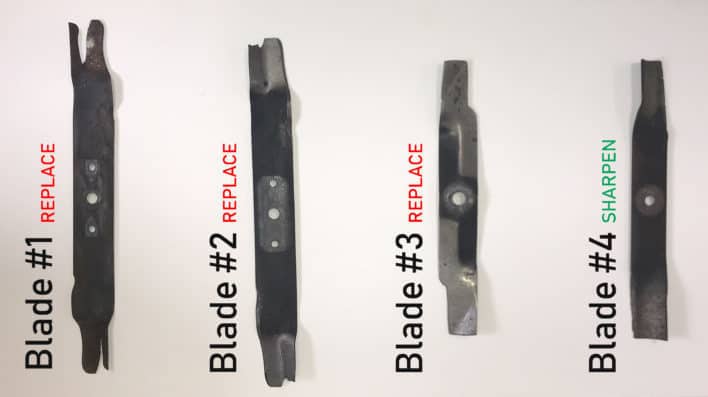
Image Source: minnesotaequipment.com
How Often Should You Change Lawn Mower Blades? Expert Tips
Do you need to change your lawn mower blades often? Generally, you should aim to sharpen your lawn mower blades at least once a year, or more frequently if you mow large areas, rocky terrain, or notice a decline in cutting performance. Regular inspection and maintenance are key to keeping your mower in top shape.
Maintaining a healthy and attractive lawn is a goal for many homeowners. A crucial, yet often overlooked, aspect of lawn care is the condition of your lawn mower blades. The sharpness and integrity of these blades directly impact the health of your grass, the efficiency of your mowing, and even the longevity of your mower. This guide will delve into the specifics of lawn mower blade sharpness, lawn mower blade replacement frequency, and how to establish a reliable mower blade maintenance schedule.
The Critical Role of Sharp Blades
Sharp mower blades are not just about aesthetics; they are fundamental to the well-being of your lawn. When blades are sharp, they make a clean cut through the grass blades. This clean cut allows the grass to heal quickly, minimizing the risk of disease and pest infestation. Think of it like a surgeon’s scalpel versus a dull kitchen knife – the precision makes all the difference.
Conversely, dull blades tear the grass. This tearing action leaves ragged edges that are more susceptible to drying out, turning brown, and becoming entry points for diseases. Over time, a lawn mowed with dull blades can look stressed, uneven, and generally unhealthy, even with proper watering and fertilization. This is a clear indicator of the impact of dull mower blades.
When to Sharpen Mower Blades: Recognizing the Signs
Determining when to sharpen mower blades involves a combination of understanding your mowing habits and observing your lawn’s response. There are several tell-tale signs that your blades are losing their edge and require attention.
Signs of Dull Mower Blades
Here are the most common signs of dull mower blades:
- Ragged or Torn Grass Tips: This is the most visible indicator. After mowing, examine the tips of the grass blades. If they appear frayed, torn, or have a brownish, chewed-up look, your blades are likely dull. Healthy, cleanly cut grass will have a crisp, even appearance at the tip.
- Yellowing or Browning of the Lawn: If your lawn starts to develop a yellow or brown cast shortly after mowing, it’s a strong sign of stress caused by dull blades tearing rather than cutting the grass. This can also make your lawn more vulnerable to drought and disease.
- Uneven Cutting: A lawn mowed with sharp blades should have a uniform height and appearance. If you notice that certain patches are cut shorter than others, or if there are visible “streaks” of uncut grass, your blades may be unevenly dulled or damaged.
- Increased Mowing Time and Effort: Dull blades require more force to cut the grass. You might find yourself pushing your mower harder, or if you have a riding mower, you might notice it struggling, especially in thicker grass. The engine might also sound like it’s working harder.
- Grass Clogging the Mower Deck: Dull blades can struggle to discharge grass clippings effectively. If you find that grass is frequently clumping and clogging the mower deck, it’s often a sign that the blades aren’t cutting and ejecting the clippings cleanly.
How Often to Replace Mower Blades: Establishing a Schedule
While sharpening is essential, there comes a point when blades are too worn or damaged to be effectively sharpened. This is where understanding lawn mower blade replacement frequency becomes important.
Factors Influencing Replacement Frequency
Several factors influence how often you might need to replace your mower blades:
- Usage: The more you mow, the faster your blades will dull. Homeowners with larger properties or who mow frequently will need to replace blades more often than those with smaller yards.
- Terrain: Mowing over rocky, sandy, or debris-strewn areas will significantly accelerate blade wear. Small stones and hard objects can nick and damage the cutting edge, even if they don’t cause immediate breakage.
- Grass Type and Density: Cutting dense, tough grass varieties puts more stress on blades than softer, thinner grasses.
- Blade Quality and Material: Higher-quality steel blades generally retain their sharpness longer and can withstand more sharpening cycles before needing replacement.
- Maintenance Habits: Regular cleaning of your mower deck and blades can help prevent abrasive materials from causing premature wear.
General Guidelines for Lawn Mower Blade Replacement Frequency
As a general rule of thumb:
- Residential Mowers: For most homeowners who mow a typical suburban lawn, replacing blades every 1 to 2 years is a good starting point.
- Heavy Usage or Challenging Conditions: If you have a large property, mow frequently, or encounter rocky terrain, you might need to replace blades annually or even more often.
- Commercial Mowers: Professional landscapers who use their mowers daily often replace blades every 6 months or after a certain number of hours of operation, as recommended by the manufacturer.
It’s always best to consult your mower’s owner’s manual for specific recommendations regarding blade replacement.
Mower Blade Maintenance Schedule: A Proactive Approach
A consistent mower blade maintenance schedule is the most effective way to ensure optimal performance and longevity for both your blades and your mower.
How Often to Sharpen Mower Blades
- At Least Annually: This is the minimum for most homeowners. The best time to do this is typically in the spring before the mowing season begins, or in the fall after the last mow.
- Every 25-30 Hours of Mowing: If you have a larger property or mow frequently, consider sharpening every 25-30 hours of operation.
- After Hitting an Object: If you accidentally strike a rock, root, or other hard object, inspect your blades immediately. Even if there’s no visible damage, a slight bend or nick can affect performance and should be addressed by sharpening or replacement.
How Often to Replace Mower Blades
- When Sharpening is No Longer Effective: If your blades become so worn or damaged that they can no longer hold a sharp edge, or if significant material needs to be removed to achieve sharpness, it’s time for replacement.
- When Blades are Bent or Cracked: Any visible bending or cracking in a blade is a safety hazard and necessitates immediate replacement. A bent or cracked blade can cause vibrations that damage your mower or even break off during operation.
- Every 1-2 Years (General Guideline): As mentioned earlier, this is a good general interval for most residential users.
Best Time to Change Mower Blades
The best time to change mower blades is when they are no longer performing optimally. This could be before the peak mowing season starts in spring, or during a period of lower grass growth if you notice a decline in cutting quality. Many people prefer to do it in the fall after the final mow, so they start the next season with fresh, sharp blades.
Inspecting and Sharpening Mower Blades: DIY vs. Professional
Knowing how to tell if mower blades are dull is the first step. The next is deciding whether to tackle the task yourself or have it done professionally.
How to Tell if Mower Blades are Dull (Recap and Detail)
Beyond the visual cues on the grass, you can directly inspect the blades:
- The “Fingernail Test”: Carefully run your fingernail across the cutting edge of the blade. If your fingernail catches and scrapes along the edge, it’s reasonably sharp. If your fingernail glides smoothly over the edge, it’s dull. Always disconnect the spark plug before performing any blade inspection or maintenance.
- Visual Inspection for Nicks and Gouges: Look for any chips, nicks, or gouges along the cutting edge. These imperfections disrupt the clean cut and indicate the need for sharpening or replacement.
- Blade Curvature: Over time, blades can lose their intended curvature. While subtle, a significant change can affect airflow and grass lifting, leading to a less effective cut.
Sharpening Your Mower Blades
DIY Sharpening:
This is a feasible option for many homeowners with the right tools.
Tools Needed:
- Wrench or Socket Set: To remove the blade.
- Gloves: For protection from sharp edges.
- Safety Glasses: Essential eye protection.
- Metal File or Grinding Wheel/Bench Grinder: For sharpening.
- Drill with Wire Brush Attachment (Optional): For cleaning.
- Balancing Tool or Nail: To check blade balance after sharpening.
Steps:
- Safety First: Disconnect the spark plug wire to prevent accidental starting. Tilt the mower on its side with the carburetor facing up to prevent oil or fuel leaks.
- Remove the Blade: Use the appropriate wrench or socket to loosen and remove the blade. Note the blade’s orientation.
- Clean the Blade: Use a wire brush to remove grass, dirt, and rust.
- Sharpen:
- Using a File: Hold the file at the original angle of the blade’s cutting edge (usually around 30-45 degrees). File in one direction, away from the edge, to create a sharp bevel. Aim to remove only a small amount of metal.
- Using a Grinding Wheel/Bench Grinder: This is faster but requires more care. Use a light touch and keep the blade moving to avoid overheating and weakening the metal. Maintain the original bevel angle.
- Check for Balance: After sharpening, the blade must be balanced. Use a blade balancing tool or place the blade on a nail through its center hole. If one side consistently dips, it’s heavier. Grind a small amount of metal from the heavier side until the blade balances evenly. An unbalanced blade will cause excessive vibration, potentially damaging your mower.
- Reinstall the Blade: Reattach the blade securely, ensuring it’s in the correct orientation. Tighten the mounting bolts to the manufacturer’s recommended torque.
Professional Sharpening:
Many local hardware stores, mower repair shops, or even some garden centers offer blade sharpening services. This is a convenient option if you don’t have the tools or time for DIY sharpening. They have specialized equipment to ensure a consistent and balanced sharpening.
Replacing Mower Blades
Replacing blades is a more straightforward process than sharpening.
Steps:
- Safety First: Disconnect the spark plug wire. Tilt the mower on its side with the carburetor facing up.
- Remove Old Blade: Unscrew the mounting bolt and carefully remove the old blade.
- Install New Blade: Ensure the new blade is the correct model for your mower. Install it in the same orientation as the old one, with the “grass side” facing down.
- Secure the Blade: Tighten the mounting bolt firmly to the manufacturer’s specified torque.
Mowing Tips Sharp Blades Make Easier
Using sharp blades not only benefits your lawn but also makes your mowing experience more pleasant and efficient.
Benefits of Mowing with Sharp Blades:
- Cleaner Cut: As discussed, this leads to healthier grass.
- Reduced Mowing Time: Sharp blades cut efficiently, allowing you to mow faster.
- Less Strain on Mower: The engine and drive system work less, extending their lifespan.
- Better Mulching/Bagging: Grass clippings are cut into finer pieces, which are easier to mulch back into the lawn or bag for removal.
- Improved Fuel Efficiency: A mower working efficiently uses less fuel.
Best Practices for Mowing:
- Mow at the Right Height: Avoid cutting more than one-third of the grass blade at a time. This reduces stress on the grass.
- Mow Regularly: Consistent mowing prevents grass from getting too long, which is easier on both your mower and the grass.
- Avoid Wet Grass: Wet grass clumps and can clog the mower, and it also tends to tear rather than cut cleanly, even with sharp blades.
- Vary Mowing Patterns: This prevents ruts from forming and helps the grass grow evenly.
Common Blade Issues and Solutions
- Bent Blades: Usually caused by hitting a hard object. Must be replaced. Do not attempt to straighten them, as this weakens the metal.
- Cracked Blades: A serious safety hazard. Always replace immediately.
- Worn Edges: If the cutting edge is rounded and cannot be sharpened to a fine edge, it’s time for replacement.
- Uneven Sharpening: If you sharpen one side more than the other, or if the balance is off, it will cause vibration. Always balance your blades after sharpening.
Impact of Dull Mower Blades on Your Lawn and Mower
The impact of dull mower blades extends beyond just a messy appearance.
On Your Lawn:
- Increased Disease Susceptibility: Torn grass blades are open wounds, inviting fungal infections and other diseases.
- Weed Proliferation: Stressed grass is less able to compete with weeds, leading to a weedier lawn.
- Poor Root Development: Constant tearing can stress the grass plant, potentially hindering root growth and overall vigor.
- Uneven Growth: Patches of stressed grass may not grow as uniformly as healthy grass.
On Your Mower:
- Increased Engine Strain: The engine has to work harder to turn the dull blades, leading to premature wear and overheating.
- Reduced Lifespan: Constant strain can shorten the life of your mower’s engine, drive belt, and other components.
- Vibration Damage: Unbalanced or very dull blades can cause excessive vibration, which can loosen bolts, damage the mower deck, and even affect the engine mounting.
- Clogging and Overheating: As mentioned, grass can clog the deck more easily, and the engine may overheat due to the increased workload.
Conclusion: The Value of Sharp Blades
Investing a small amount of time and effort into maintaining sharp lawn mower blades yields significant rewards. A clean cut promotes a healthier, more resilient lawn, while also extending the life of your mower and making your mowing tasks more efficient. By following a regular mower blade maintenance schedule, paying attention to the signs of dullness, and knowing when to replace your blades, you ensure your lawn looks its best and your equipment performs at its peak.
Frequently Asked Questions (FAQ)
- Q1: How often should I sharpen my lawn mower blades?
A: For most homeowners, sharpening blades at least once a year is recommended. If you have a large yard or mow frequently, consider sharpening every 25-30 hours of use. - Q2: How can I tell if my mower blades are dull?
A: Signs include ragged or torn grass tips, yellowing or browning of the lawn after mowing, uneven cutting, and the mower engine sounding strained. A direct inspection can also reveal a rounded cutting edge. - Q3: Is it better to replace or sharpen mower blades?
A: It’s generally more cost-effective to sharpen blades as long as they are in good condition. However, if blades are severely worn, bent, or cracked, replacement is necessary. - Q4: What happens if I don’t change or sharpen my mower blades?
A: Dull blades will tear your grass, making it susceptible to disease and pests, resulting in a less healthy and attractive lawn. They also put extra strain on your mower’s engine, reducing its lifespan. - Q5: Can I sharpen mower blades myself?
A: Yes, many homeowners can sharpen their own blades with basic tools like a metal file or grinder. Ensuring the blade is properly balanced afterward is crucial. - Q6: What is blade balance?
A: Blade balance refers to the even distribution of weight across the entire blade. An unbalanced blade will cause excessive vibration during mowing, which can damage your mower. - Q7: When is the best time to change mower blades?
A: The best time is when you notice a decline in cutting performance, or proactively in the spring before the mowing season starts or in the fall after the last mow.