
What is the right amount of lime for my lawn? The amount of lime needed for your lawn depends on its current soil pH and the type of lime you use. Generally, you’ll apply between 3 to 5 pounds of lime per 100 square feet to raise the pH by one full point.
A lush, green lawn is the envy of the neighborhood. But achieving that perfect turf isn’t just about regular mowing and watering. The secret often lies beneath the surface, in the very soil that nourishes your grass. Soil pH lawn is a critical factor that dictates how well your grass can absorb essential nutrients. When your soil is too acidic, it can lock up vital elements, leaving your grass hungry and weak, no matter how much fertilizer you apply. This is where lime comes in.
Lime acts as a soil amendment, primarily to raise the pH of acidic soils, making them more hospitable for grass growth. Many homeowners wonder, “How much lime per 1000 sq ft should I use?” This guide will delve into the world of lime lawn and provide you with the ultimate pH balance lawn guide to achieving vibrant, healthy grass.
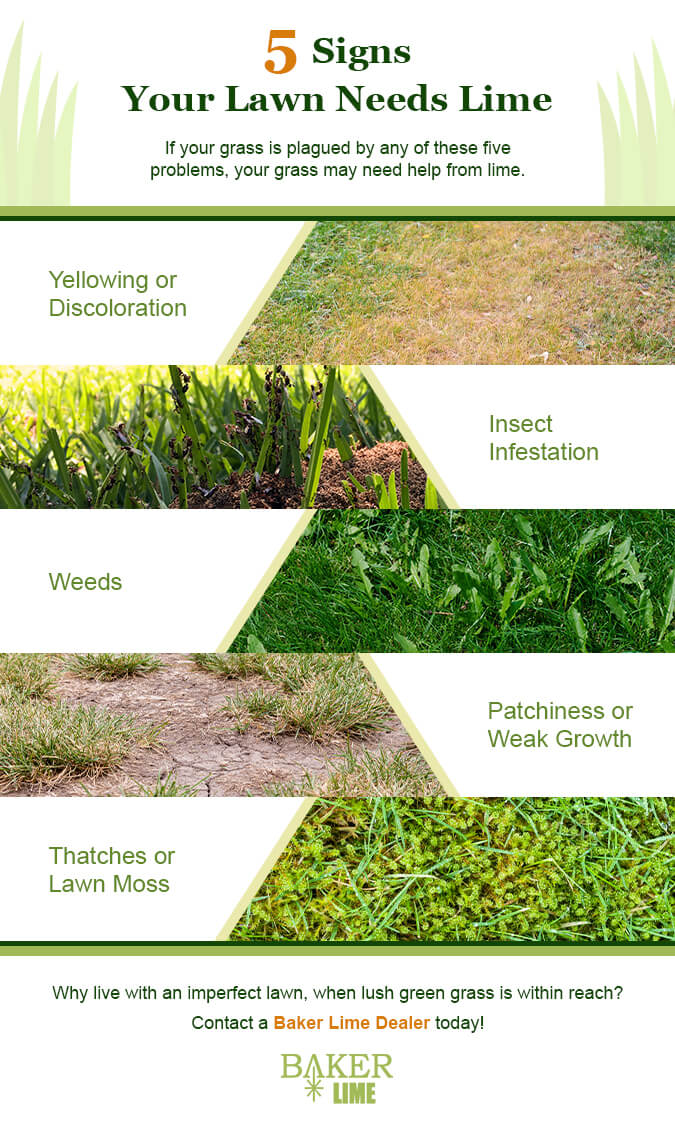
Image Source: www.bakerlime.com
Why Your Lawn Needs the Right pH Balance
Think of soil pH as a scale from 0 to 14, with 7 being neutral. Anything below 7 is acidic, and anything above 7 is alkaline. Most turfgrasses thrive in a slightly acidic to neutral range, typically between pH 6.0 and 7.0.
When your soil pH is too low (too acidic), several problems can arise:
- Nutrient Lock-up: Essential nutrients like nitrogen, phosphorus, and potassium become less available to grass roots. Even if you’re fertilizing, your grass can’t utilize them effectively.
- Aluminum Toxicity: In highly acidic soils, aluminum can dissolve and become toxic to grass, damaging root systems and hindering growth.
- Reduced Beneficial Microorganism Activity: Soil bacteria and fungi that help break down organic matter and make nutrients available are less active in acidic conditions.
- Increased Weed and Disease Susceptibility: Weakened grass is more vulnerable to pests, diseases, and the encroachment of weeds that often prefer acidic environments.
The Benefits of Liming Your Lawn
Applying lime to your lawn, a process known as lawn liming schedule, offers a multitude of advantages for grass health. The primary goal is to correct soil acidity and bring your soil ph lawn into the optimal range.
Here are some key lime lawn benefits:
- Improved Nutrient Availability: By raising the pH, lime releases nutrients that were previously bound up in the soil, making them readily accessible for grass uptake.
- Enhanced Soil Structure: Lime can help improve soil aggregation, leading to better aeration and water penetration, which are crucial for healthy root development.
- Stimulated Microbial Activity: A more neutral pH environment encourages the growth of beneficial soil microorganisms, which are vital for nutrient cycling and soil health.
- Reduced Aluminum Toxicity: Neutralizing acidity prevents aluminum from dissolving and harming grass roots.
- Stronger, More Resilient Turf: Healthier soil leads to healthier, more robust grass that can better withstand stress from drought, heat, and foot traffic.
- Better Fertilizer Efficiency: When nutrients are available, the fertilizers you apply work more effectively, saving you money and promoting better growth.
Fathoming Soil pH: How to Test Your Lawn’s Acidity
Before you reach for the lime spreader, the most crucial step is to determine your lawn’s current soil pH lawn. You can’t effectively correct a problem without knowing its extent.
There are two primary ways to test your soil pH:
-
DIY Soil Test Kits: These kits are readily available at garden centers and online. They typically involve taking a soil sample, mixing it with a reagent, and comparing the resulting color to a chart. While convenient, they can sometimes be less precise than professional tests.
-
Professional Soil Testing: This is the most accurate method. You can send soil samples to your local university extension office or a private soil testing laboratory. These labs provide detailed reports that not only indicate your pH but also identify any nutrient deficiencies or excesses, offering tailored recommendations. They are invaluable for developing an effective lawn liming schedule.
What to Look for in a Soil Test Report:
A good soil test report will provide:
- Soil pH: This is the most critical piece of information for liming.
- Nutrient Levels: Recommendations for phosphorus, potassium, and micronutrients.
- Organic Matter Content: An indicator of soil health.
- Recommendations for Amendments: Specific advice on what to add, including lime, and how much.
Deciphering Lime: Types of Lawn Lime
Not all lime is created equal. Different forms of lime have varying rates of reaction and application methods. Knowing the types of lawn lime available will help you choose the best option for your needs.
Here are the most common types of lime for acidic soil:
1. Pulverized (Ground) Limestone:
- Description: This is the most traditional and widely available form of lime. It’s essentially limestone that has been finely ground.
- Pros: It’s generally the most economical option and begins to work relatively quickly because of its fine particle size, offering a faster pH adjustment.
- Cons: It can be dusty and more challenging to spread evenly, potentially leading to uneven application if not careful. It can also compact if applied too thickly, hindering water penetration.
- Best for: Most lawn situations where a moderate and steady pH adjustment is desired.
2. Granular Lime Lawn:
- Description: This type of lime is processed and formed into small pellets or granules. The grinding process is often more refined, and then a binder is added to create the granules.
- Pros: It is much easier to spread evenly using a standard broadcast or drop spreader, significantly reducing dust. The granules break down more slowly, providing a sustained release of calcium and magnesium, and are less likely to compact the soil.
- Cons: It can be slightly more expensive than pulverized lime. Because it’s granular, it may take a bit longer to start affecting the soil pH compared to very finely ground lime, as it needs to break down.
- Best for: Homeowners who want the easiest application and a more controlled, long-term pH adjustment. It’s a popular choice for many due to its ease of use.
3. Dolomitic Lime:
- Description: This type of lime contains both calcium carbonate and magnesium carbonate. If your soil test also indicates a magnesium deficiency, dolomitic lime is an excellent choice as it provides both essential nutrients.
- Pros: Supplies both calcium and magnesium, correcting deficiencies in both.
- Cons: Magnesium is a slower-acting nutrient. If your soil has sufficient magnesium, using dolomitic lime might not be necessary and could potentially lead to an imbalance.
- Best for: Lawns with documented magnesium deficiencies in addition to acidic soil.
4. Calcitic Lime:
- Description: This form of lime is primarily calcium carbonate. It’s suitable for lawns that have adequate magnesium levels but are still acidic.
- Pros: Primarily raises pH and provides calcium.
- Cons: Does not provide magnesium.
- Best for: Lawns that are acidic and have sufficient magnesium levels.
Calculating “How Much Lime Per 1000 Sq Ft”
The amount of lime you need is determined by your soil test results and the target pH you want to achieve. Soil test reports will typically provide a lime recommendation based on the soil pH lawn and soil type.
As a general guideline, it takes approximately 3 to 5 pounds of granular lime per 100 square feet to raise the soil pH by one full point (e.g., from 5.5 to 6.5). However, this can vary slightly depending on the specific product and your soil’s buffering capacity.
Important Considerations for Application Rates:
- Follow Soil Test Recommendations: Always prioritize the recommendations from your professional soil test.
- Never Over-Apply: Applying too much lime at once can shock your grass and cause more harm than good. It’s better to make incremental adjustments over time.
- Particle Size Matters: Finer grinds of lime work faster but can be dusty. Granular lime is easier to apply and releases nutrients more slowly.
- Soil Type: Clay soils have a higher buffering capacity and may require more lime than sandy soils to achieve the same pH change.
Example Calculation:
Let’s say your soil test indicates a pH of 5.5 and recommends raising it to 6.5. You want to achieve a 1.0 pH increase.
If you are using granular lime, and the general guideline is 4 pounds per 100 sq ft for a 1-point increase:
- For 100 sq ft: You would need 4 pounds of lime.
- For 1000 sq ft: You would need 4 pounds/100 sq ft * 10 (since 1000 sq ft is 10 times 100 sq ft) = 40 pounds of granular lime.
Target pH Adjustment Table (General Guide – Consult Soil Test!)
| Current pH | Target pH | Recommended Lime (lbs per 100 sq ft) |
|---|---|---|
| 5.0 | 6.0 | 4-5 |
| 5.5 | 6.5 | 3-4 |
| 6.0 | 6.5 | 1-2 |
Note: This table is a simplified illustration. Actual amounts can vary. Always refer to your specific soil test results.
The Best Time to Lime Lawn: Timing Your Application
Knowing when to apply lime is as important as knowing how much. The best time to lime lawn depends on several factors, including your climate and grass type.
Generally, the most advantageous times for lime lawn application are:
- Fall: This is often considered the ideal time. The soil is typically moist, and temperatures are cooler, allowing the lime to begin reacting with the soil before the growing season. Winter precipitation will help it move into the soil profile. Applying in the fall gives the lime ample time to work before spring growth begins.
- Early Spring: If you miss the fall window, early spring is the next best option. Apply lime a few weeks before the grass starts its active growth phase. This allows it to adjust the pH before the intense demands of summer.
- Avoid Peak Growing Season: While you can apply lime during the summer, it’s less ideal. The dry, hot conditions can stress the grass, and the lime may not integrate into the soil as effectively. Avoid applying during periods of active growth when the grass is already under stress.
- Never Apply on Frozen Ground: Lime needs to interact with the soil. Applying it when the ground is frozen prevents it from being incorporated and negating its benefits for the season.
Important Application Tips:
- Moist Soil: Lime works best when applied to moist soil. If the soil is very dry, water it lightly a day or two before application.
- Avoid Wet Grass: Do not apply lime when the grass is wet, as this can cause the granules to stick to the blades and potentially burn the grass, although lime itself is not a fertilizer and typically won’t burn lawns.
- Spread Evenly: Use a calibrated spreader (drop or broadcast) to ensure uniform coverage. Overlapping passes slightly is better than missing spots.
- Light Watering After Application: A light watering after application can help wash any lingering granules off the grass blades and begin the process of incorporating the lime into the soil.
Developing Your Lawn Liming Schedule
A lawn liming schedule is crucial for maintaining optimal soil pH. Because lime doesn’t work instantly, and soil pH can fluctuate, regular applications are often necessary.
- Frequency: Typically, lawns require liming every 1 to 3 years, depending on the initial soil pH, the rate of correction needed, and the soil type. Your soil test report should provide guidance on how often to retest and reapply.
- Incremental Adjustments: It’s generally recommended not to raise the pH by more than one full point (e.g., from 5.5 to 6.5) in a single application. If your soil is very acidic, you might need multiple applications over several years to reach your target pH. This is where a consistent lawn liming schedule is vital.
- Monitor and Retest: After applying lime, it’s essential to monitor your lawn’s health and retest the soil pH after about 6 to 12 months to see how the application has affected the balance. Adjust your lawn liming schedule based on these results.
Applying Lime: Step-by-Step
Applying lime correctly ensures that you get the maximum benefit for your lawn without causing damage.
Here’s a straightforward guide for lime lawn application:
-
Gather Your Supplies:
- Lime (pulverized or granular)
- Soil test results
- Spreader (drop spreader for granular lime is recommended for even coverage)
- Gloves and a dust mask (especially for pulverized lime)
- Measuring tape or wheel for calculating square footage.
-
Calculate Your Lawn’s Square Footage:
- Measure the length and width of your lawn areas.
- Multiply length by width to get the square footage (L x W = Sq Ft).
- For irregularly shaped areas, break them down into smaller, manageable shapes (rectangles, triangles) and add their areas together.
-
Determine the Amount of Lime Needed:
- Consult your soil test report for specific recommendations.
- If using a general guideline, calculate the total amount based on your lawn’s square footage and the recommended rate per 100 or 1000 sq ft.
-
Calibrate Your Spreader:
- Most lime packaging will have spreader settings for various brands and models.
- It’s a good practice to do a test run over a small, designated area (like a driveway) to ensure the spreader is dispensing at the correct rate. You can weigh out the required amount for 100 sq ft and spread it on that area to check.
-
Apply the Lime:
- For Granular Lime: Load your spreader and set it to the calibrated setting. Walk at a steady pace, pushing the spreader. For drop spreaders, ensure the pattern is consistent. For broadcast spreaders, slightly overlap your passes to ensure complete coverage and avoid missed strips.
- For Pulverized Lime: Be mindful of dust. Consider a dust mask. Apply in a calm wind. It’s often best applied with a broadcast spreader, but care must be taken to avoid clumping.
-
Water Lightly:
- After applying the lime, lightly water your lawn. This helps move the lime off the grass blades and into the soil, initiating the pH adjustment process.
-
Clean Up:
- Clean your spreader thoroughly after use to prevent corrosion and clumping.
Common Questions About Liming Your Lawn
Q1: Can I lime my lawn in the summer?
While it’s not the ideal time, you can apply lime in the summer. However, it’s best to do so when the grass is not stressed from heat and drought. Water the lawn lightly before and after application if possible. Avoid applying during extreme heat waves.
Q2: How often should I retest my soil pH?
It’s recommended to retest your soil pH every 1 to 3 years. If you’ve made significant pH adjustments, or if your lawn is showing signs of nutrient deficiency or poor growth, retesting sooner might be beneficial.
Q3: Will lime burn my grass?
Lime itself is generally not a fertilizer and does not burn grass in the way that some nitrogen fertilizers can if applied incorrectly. However, if you apply very fine pulverized lime too thickly and don’t water it in, it can form a crust that impedes water and air penetration, potentially stressing the grass. Evenly applied granular lime is very safe.
Q4: What is the difference between lime and fertilizer?
Lime is a soil amendment that primarily adjusts soil pH and provides calcium and magnesium. Fertilizer is a nutrient source designed to provide essential elements like nitrogen, phosphorus, and potassium for plant growth. They serve different, but often complementary, purposes in lawn care.
Q5: How long does it take for lime to work?
The speed at which lime works depends on the type of lime, its particle size, soil moisture, and soil temperature. Finely ground lime begins to work within a few weeks, while granular lime may take several months to show its full effect. Significant pH changes can take 6 to 12 months.
Q6: My soil test says I need to lower my pH. Should I use lime?
No. Lime is used to raise pH in acidic soils. If your soil is too alkaline (high pH), you would use elemental sulfur or an acidifying fertilizer like ammonium sulfate to lower the pH.
Conclusion: The Foundation of a Healthy Lawn
Achieving a beautiful, healthy lawn starts with a strong foundation – its soil. By accurately testing your soil pH lawn and making informed decisions about lime lawn application, you can unlock the full potential of your turf. Remember that a consistent lawn liming schedule is key to long-term success. Whether you choose granular lime lawn for ease of use or pulverized lime for its cost-effectiveness, understanding the lime lawn benefits and following the correct application rates will set you on the path to vibrant, resilient grass. Invest in your soil, and your lawn will thank you for it.