
The amount of lime needed for your lawn depends on your soil’s pH, the type of grass you have, and the specific lime product you use. Generally, applying 5 to 10 pounds of granular lime per 1000 square feet is a common starting point, but a soil test is the best way to determine your exact needs.
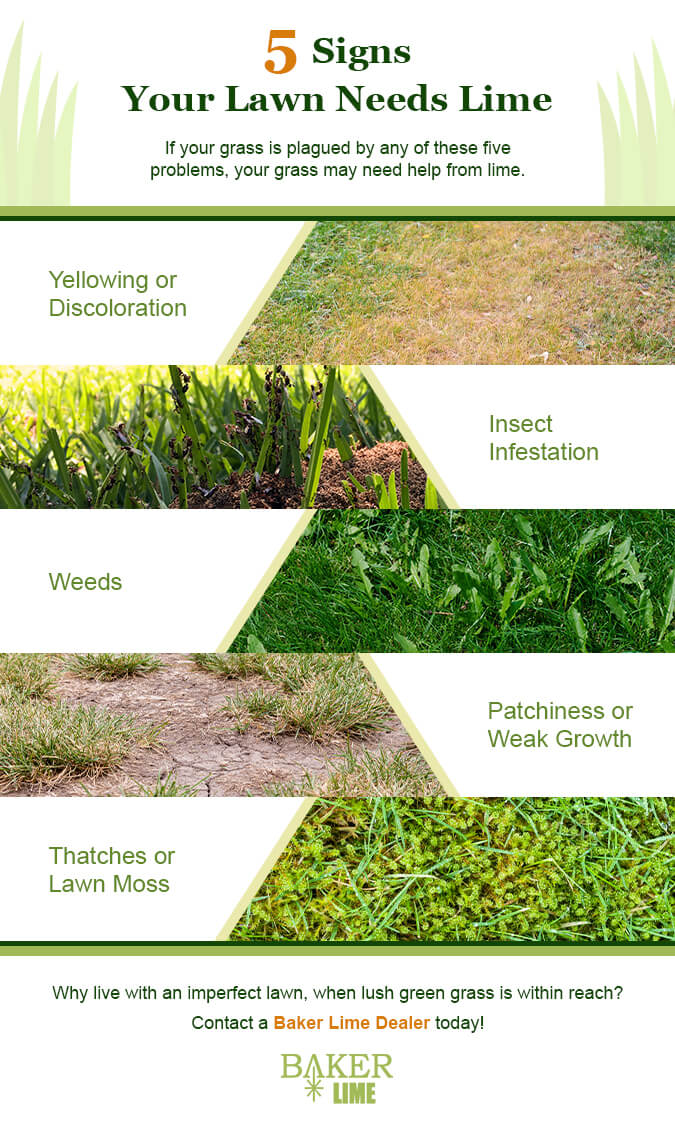
Image Source: www.bakerlime.com
Why Your Lawn Needs Lime
Is your lawn looking a bit sad, even with regular watering and feeding? The culprit might be your soil’s pH. Soil pH is a measure of how acidic or alkaline your soil is. Most common lawn grasses thrive in a slightly acidic to neutral range, typically between 6.0 and 7.0. When soil pH falls outside this ideal range, your grass struggles to absorb the essential nutrients it needs to grow healthy and strong, even if those nutrients are present in the soil. This is where liming a lawn comes in.
Lime is a soil amendment that works to raise the pH of acidic soil, making it more hospitable for your grass. Think of it like adjusting the thermostat for your lawn – you want the temperature (pH) just right for optimal growth.
Fathoming Your Lawn Soil pH
To figure out how much lime for lawn care you need, the first crucial step is to know your lawn soil pH. Without this information, any application is just a guess. Soil pH testing kits are readily available at garden centers and online. You can also send a soil sample to your local cooperative extension office for a more detailed analysis, which often includes recommendations for nutrient applications as well.
A soil test will tell you if your soil is too acidic (low pH), too alkaline (high pH), or within the ideal range. Most of the United States has naturally acidic soils, meaning many homeowners will find their soil pH is below 6.0.
What Influences Lawn Soil pH?
Several factors can influence your lawn soil’s pH:
- Natural Soil Composition: The underlying bedrock and minerals in your area play a significant role.
- Rainfall: Areas with high rainfall tend to have more acidic soils because rainwater is naturally slightly acidic and leaches alkaline compounds from the soil.
- Fertilizer Use: Certain fertilizers, particularly those containing ammonium sulfate, can lower soil pH over time. The ammonium sulfate effect on soil pH is a gradual acidification. If you frequently use ammonium-based fertilizers, your soil may become more acidic.
- Organic Matter Decomposition: As organic matter decomposes, it can release acids, contributing to soil acidity.
Why is the Right pH So Important?
When your soil pH is in the correct range, nutrient availability is maximized. This means:
- Nutrient Uptake: Grass roots can easily absorb essential nutrients like nitrogen, phosphorus, and potassium.
- Microbial Activity: Beneficial soil microbes, crucial for nutrient cycling, flourish in a balanced pH environment.
- Reduced Weed and Disease Pressure: Healthy, vigorous grass is better equipped to outcompete weeds and resist diseases.
Determining How Much Lime Per 1000 Sq Ft
Once you know your soil’s pH, you can start calculating how much lime per 1000 sq ft you need. This is where the lime application rate comes into play. The amount of lime required to adjust soil pH is not a one-size-fits-all answer. It depends on several factors:
- Current Soil pH: The lower your pH, the more lime you’ll need.
- Target Soil pH: Most grasses prefer a pH between 6.0 and 7.0.
- Soil Type: Clay soils have a higher buffering capacity, meaning they resist pH changes more than sandy soils. Therefore, clay soils often require more lime to achieve the same pH adjustment.
- Type of Lime Used: As we’ll discuss, different types of lime have varying calcium carbonate equivalents (CCE), which affects their neutralizing power.
Using a Lawn Lime Calculator
A lawn lime calculator is an invaluable tool for homeowners. These online calculators typically ask for:
- Your soil test results (current pH and desired pH).
- Your soil type (e.g., sandy, loam, clay).
- The type of lime you plan to use.
Based on this information, the calculator will provide a recommended lime application rate in pounds per 1000 square feet. It’s crucial to follow these recommendations closely.
Important Note: Never try to drastically change your soil pH in a single application. It’s better to make gradual adjustments over time to avoid shocking your lawn.
Types of Lime: Dolomitic vs. Calcitic Lime
When you go to buy lime, you’ll likely encounter two main types: Dolomitic lime vs. Calcitic lime. Both are effective at raising soil pH, but they have key differences:
Calcitic Lime (Calcium Lime)
- Composition: Primarily calcium carbonate (CaCO3).
- Nutrient Content: Provides calcium, an essential nutrient for plant cell structure and function.
- Buffering Capacity: Generally has a slightly lower calcium carbonate equivalent (CCE) than dolomitic lime, meaning you might need slightly more to achieve the same pH change.
- Best For: Soils that are deficient in calcium or have a high magnesium content.
Dolomitic Lime (Magnesium Lime)
- Composition: Contains both calcium carbonate (CaCO3) and magnesium carbonate (MgCO3).
- Nutrient Content: Provides both calcium and magnesium. Magnesium is vital for chlorophyll production.
- Buffering Capacity: Typically has a higher CCE than calcitic lime, meaning it’s a bit more potent in raising pH.
- Best For: Soils that are deficient in magnesium or have a neutral to alkaline pH and need a calcium boost. It’s also a good general-purpose lime for most lawns.
How to Choose Between Them:
- Soil Test Results: If your soil test indicates a deficiency in magnesium, dolomitic lime is the preferred choice. If magnesium levels are adequate, calcitic lime is suitable.
- Availability and Cost: Both are usually readily available and similarly priced.
- General Recommendation: For most homeowners, dolomitic lime is a safe bet as it addresses potential calcium and magnesium needs simultaneously.
When to Lime a Lawn: Timing is Key
Knowing when to lime a lawn is as important as knowing how much to apply. The best time to apply lime to your lawn is typically in the fall or early spring.
Fall Application: The Ideal Time
- Benefits: Fall is often considered the best time to apply lime because:
- The soil is still warm enough for the lime to begin reacting and breaking down.
- Winter weather (freeze-thaw cycles) helps to work the lime into the soil.
- It gives the lime ample time to start adjusting the soil pH before the spring growing season.
- It’s a less busy time for many homeowners.
Early Spring Application
- Benefits: Applying lime in early spring can also be beneficial, especially if you didn’t get to it in the fall.
- It allows the lime to start working before the peak summer heat stresses your lawn.
- However, it may not have as much time to fully integrate into the soil as a fall application.
Other Considerations for Timing
- Avoid Application with Fertilizers: Do not apply lime and fertilizer at the same time. Wait at least a week or two between applications. Some fertilizers, like those containing urea, can react with lime.
- Avoid Application During Drought: Applying lime to very dry soil can be less effective, as moisture is needed for the chemical reactions to occur.
- Avoid Application on Wet Grass: While not as critical as avoiding fertilizer, try to apply lime when the grass blades are dry to prevent the lime from sticking to the blades and potentially causing a temporary yellowing.
How to Apply Lime to Your Lawn
Once you have your lime and know the correct amount, proper application is crucial for effectiveness and to avoid damaging your lawn.
Granular Lime vs. Powdered Lime
Lime is typically available in two forms:
- Granular Lime: This is the most common and easiest form for homeowners to apply. The lime is pressed into small granules, making it easy to spread evenly with a broadcast spreader or drop spreader. It releases its neutralizing compounds more slowly than powdered lime.
- Powdered Lime: This is finely ground limestone. It reacts more quickly with the soil than granular lime but is also more difficult to spread evenly and can be dusty. It’s generally not recommended for homeowner lawn applications due to application difficulties.
Application Methods
- Broadcast Spreader: This is the most efficient tool for applying granular lime over larger lawn areas. Adjust the spreader settings according to the lime manufacturer’s recommendations. Overlap your passes slightly to ensure even coverage.
- Drop Spreader: This spreader drops the lime directly below the machine. It offers more precise application, which can be helpful for smaller lawns or if you need to be particularly careful about coverage.
- Hand Spreading: For very small areas, you can use a hand-held spreader or even carefully broadcast it by hand, but achieving even coverage is challenging.
Application Steps
- Measure Your Lawn: Accurately determine the square footage of your lawn. This is critical for calculating the correct amount of lime.
- Calibrate Your Spreader: Before applying, calibrate your spreader according to the manufacturer’s instructions to ensure you are applying the correct rate.
- Apply Evenly: Spread the lime as evenly as possible across the entire lawn surface. Avoid dumping large piles in one spot.
- Water Thoroughly: After application, water your lawn thoroughly. This helps wash the lime off the grass blades and into the soil, where it can start to work.
Understanding the Grass Type and Lime Needs
While soil pH is the primary driver for liming, grass type and lime needs can play a secondary role. Different grass species have slightly different pH preferences.
- Cool-Season Grasses: Such as Kentucky bluegrass, perennial ryegrass, and fescues, generally prefer a pH between 6.0 and 7.0.
- Warm-Season Grasses: Such as Bermudagrass, zoysiagrass, and centipedegrass, can tolerate a slightly wider range, often thriving between 5.5 and 7.0. Centipedegrass, in particular, can tolerate more acidic conditions than many other grasses and may not require liming unless its pH drops significantly below 5.5.
However, it’s important to remember that even if your grass type prefers a slightly lower pH, extremely acidic conditions (below 5.0) will still hinder nutrient uptake and overall lawn health. A soil test remains the most reliable guide.
How Often Should You Apply Lime?
The frequency of lime application depends on several factors:
- Initial Soil pH: If your soil is very acidic, you may need to apply lime more frequently until the desired pH is reached.
- Soil Type: Sandy soils may require more frequent liming than clay soils because they leach alkaline materials faster.
- Grass Type: Some grasses are more sensitive to pH changes than others.
- Fertilizer Use: As mentioned, fertilizers containing ammonium sulfate can acidify soil, potentially requiring more frequent liming.
As a general guideline, if your soil test indicates a need for liming, you might apply it every 1 to 2 years. After your soil pH is corrected, periodic retesting (every 2-3 years) will tell you if further liming is necessary.
Crucial Point: Never apply more than the recommended amount of lime at one time. Over-liming can raise the soil pH too high, leading to nutrient deficiencies and other problems.
Common Mistakes to Avoid When Liming
Even with good intentions, homeowners can make mistakes when applying lime. Being aware of these pitfalls can save your lawn.
Mistake 1: Not Testing Your Soil
Applying lime without a soil test is like taking medicine without knowing what’s wrong. You might be applying lime when it’s not needed, or applying the wrong amount.
Mistake 2: Applying Too Much Lime at Once
This is a common error. Drastic pH changes can harm your lawn. Always follow the recommended lime application rate from your soil test or a reputable lawn lime calculator.
Mistake 3: Applying Lime at the Wrong Time
Applying lime in the heat of summer or during a severe drought can be less effective and potentially stressful for your grass.
Mistake 4: Uneven Application
Using a faulty spreader or not overlapping passes can lead to patches of your lawn receiving too much or too little lime, resulting in uneven growth and color.
Mistake 5: Mixing Lime with Fertilizer
This can reduce the effectiveness of both products and potentially damage your lawn.
Frequently Asked Questions (FAQ)
Q1: Can I see results immediately after liming my lawn?
No, lime works slowly. It needs time to dissolve and react with the soil. You might see some subtle improvements in grass health over several weeks or months, but it’s not an instant fix.
Q2: What happens if I don’t lime my lawn when it’s too acidic?
If your soil is too acidic, your grass will struggle to absorb nutrients. This can lead to stunted growth, thinning turf, poor color, and increased susceptibility to weeds, diseases, and insect pests.
Q3: Is there a maximum amount of lime I can apply per year?
Yes, it’s generally recommended not to apply more than 50 pounds of agricultural lime per 1000 square feet in a single year. Always refer to your soil test for specific recommendations.
Q4: Can I apply lime when it’s raining?
It’s best to avoid applying lime when it’s actively raining heavily, as it can cause the lime to clump and wash away before it can effectively integrate with the soil. However, light rain or watering after application is beneficial.
Q5: Does lime kill weeds?
Lime does not directly kill weeds. However, by improving soil health and promoting vigorous grass growth, it helps your lawn outcompete weeds.
Q6: How long does it take for lime to change soil pH?
It can take several months for lime to significantly alter soil pH. Full effects might not be seen for up to a year. This is why gradual, repeated applications are often recommended over a single heavy application.
By following these guidelines and paying attention to your soil’s needs, you can effectively use lime to create a healthier, more vibrant lawn. Remember, a soil test is your most valuable tool in determining precisely how much lime for lawn care is needed.