
Curious about the cost of a yard of compost? Generally, you can expect to pay anywhere from $20 to $100 for a cubic yard of compost, depending on various factors. This price range reflects differences in quality, source, and how you purchase it. This article will delve into the factors that influence compost price per cubic yard, help you understand compost pricing structures, and offer tips for buying smart to get the best value for your gardening needs.
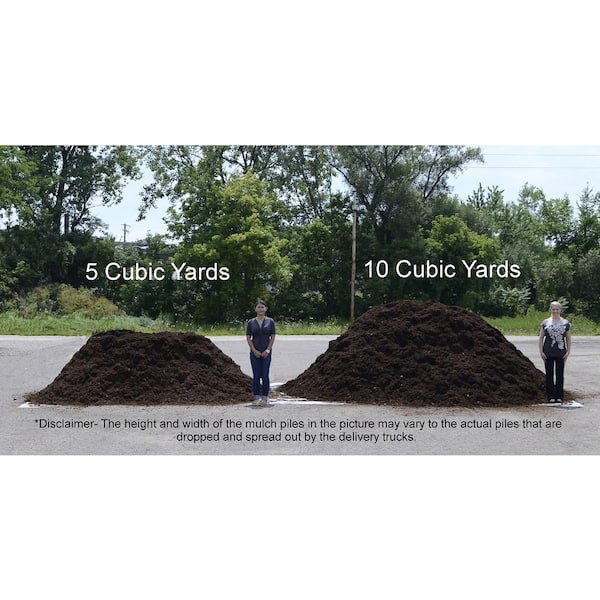
Image Source: images.thdstatic.com
Deciphering Compost Costs: What Influences the Price?
The price of a yard of compost isn’t static. Several elements contribute to its final cost, from the raw materials used to the effort involved in its production and delivery. Grasping these factors will empower you to make informed decisions and avoid unexpected expenses.
Material Quality and Composition
The type of organic matter used to create compost significantly impacts its price. High-quality compost, often made from a carefully balanced mix of ingredients, generally costs more.
Key Ingredient Influences:
- Food Scraps: While readily available, composting large volumes of food scraps requires meticulous management to prevent odors and pests. Compost primarily from well-processed food waste can be very nutritious but might be priced higher due to the sorting and processing involved.
- Yard Waste: Leaves, grass clippings, and other garden debris are common compost ingredients. The cost here is often related to collection and initial processing.
- Manure: Composted animal manure (cow, horse, chicken) is rich in nutrients. The source, age, and treatment of the manure affect its price. Well-aged, pathogen-free manure compost is typically more expensive.
- Agricultural By-products: Materials like mushroom compost, spent brewery grains, or coffee grounds can influence pricing. The availability and processing costs of these specialized materials play a role.
- Premium Blends: Some companies offer “gourmet” or specialized compost blends. These might include specific amendments like worm castings, kelp meal, or mycorrhizal fungi, which naturally increase the garden compost price.
Source and Production Methods
Where your compost comes from and how it’s made also affect the compost pricing.
Production Avenues:
- Municipal Composting Facilities: These often produce large volumes of compost from green waste. Their pricing can sometimes be lower due to scale and subsidies, though transportation costs can factor in.
- Commercial Compost Producers: These businesses specialize in creating high-quality compost for sale. They invest in proper turning, aeration, and quality control, which can lead to higher prices reflecting the expertise and consistent product.
- Local Farms and Garden Centers: Many smaller operations or garden centers source compost or produce it themselves. Prices here can vary widely based on their operating costs and target market.
- Home Composting: While the initial cost is your time and effort, if you were to quantify the value of your materials and time, it would be a different calculation. However, for purchasing, this isn’t a direct factor.
Bagged vs. Bulk Compost
The way you buy compost is one of the most significant determinants of its cost.
Bagged Compost:
Buying compost in bags from a garden center or big-box store is convenient for small projects. However, this convenience comes at a premium.
- Cost per Bag: A typical bag of compost (around 1-2 cubic feet) might cost $5 to $20.
- Calculating Cubic Yards: To figure out the compost price per cubic yard for bagged compost, you’d need to do some math. A cubic yard is 27 cubic feet. So, if a 2 cubic foot bag costs $10, you’d need about 13.5 bags to make a cubic yard. That’s $135! This illustrates why bulk is often cheaper for larger quantities.
- Why the Markup? Bagged compost includes costs for packaging, marketing, retail markup, and the labor of bagging and handling.
Bulk Compost:
Purchasing compost in bulk, usually by the cubic yard, is the most economical option for larger landscaping or gardening projects.
- Bulk Pricing: As mentioned, bulk compost cost can range from $20 to $100 per cubic yard. This price typically includes the compost itself and sometimes a base delivery fee.
- Savings: For significant amounts, buying in bulk can save you 50% or more compared to bagged options.
Delivery Costs
If you’re buying bulk compost, the compost delivery cost can be a substantial addition to the base price.
Factors Affecting Delivery Fees:
- Distance: The further you are from the supplier, the higher the delivery charge.
- Volume: Some suppliers might offer tiered delivery fees based on the quantity you order.
- Delivery Truck Type: The type of truck needed (e.g., dump truck, smaller delivery vehicle) can influence cost.
- Access: If your delivery location is difficult to access (narrow driveways, steep inclines), there might be additional fees.
- Minimum Orders: Some suppliers may have minimum order quantities for delivery.
Geographic Location
Like many goods, the compost price per cubic yard can vary based on your region.
- Local Availability: Areas with abundant sources of organic materials or many composting facilities might have lower prices due to competition and supply.
- Transportation Costs: In areas further from production sources, transportation costs will naturally drive up the price.
- Demand: High-demand areas, particularly those with a strong gardening culture, might see slightly higher prices.
Topsoil vs. Compost Cost
It’s important to distinguish between topsoil and compost, as their functions and prices differ.
- Topsoil: Primarily consists of the uppermost layer of earth, providing structure and a base for plant growth. Its cost is mainly related to extraction, screening, and transportation.
- Compost: A decomposed organic material that enhances soil structure, fertility, and water retention. The process of creating quality compost adds value and often increases its price.
- Price Comparison: Generally, topsoil vs compost cost shows compost to be more expensive per cubic yard. While basic topsoil might be $10-$30 per cubic yard, good quality compost typically starts at $20 and goes up from there.
Mulch vs. Compost Price
Mulch and compost serve different purposes in the garden, and this is reflected in their pricing.
- Mulch: Primarily used to retain soil moisture, suppress weeds, and regulate soil temperature. It’s often made from wood chips, bark, or shredded organic materials.
- Compost: Acts as a soil amendment, adding nutrients and improving soil structure.
- Price Comparison: Mulch vs compost price generally favors mulch as being less expensive. Wood chip mulch might be $15-$40 per cubic yard, whereas compost will usually be higher.
Where to Buy Compost Smartly
Knowing where to purchase compost can lead to significant savings and ensure you get a quality product.
Retail Garden Centers and Nurseries
These are the most accessible places to buy compost, especially in smaller quantities.
- Pros: Convenient, wide variety of bagged products, knowledgeable staff.
- Cons: Higher prices, especially for bagged compost. Bulk options may be limited.
Big-Box Home Improvement Stores
Stores like Home Depot or Lowe’s offer a range of compost options.
- Pros: Competitive pricing on bagged compost, often good sales.
- Cons: Quality can vary, less specialized knowledge available.
Municipal or County Recycling/Composting Facilities
Many local governments operate composting facilities that sell compost to the public.
- Pros: Often the most affordable option for bulk compost, supports local initiatives.
- Cons: May require self-pickup, hours can be limited, quality can vary.
Local Farms and Landscaping Suppliers
Smaller, local operations can be a goldmine for quality compost.
- Pros: Potentially higher quality compost, direct from producer, competitive bulk pricing, supporting local businesses.
- Cons: May require more research to find, delivery options might be more limited or expensive.
Online Retailers
While less common for bulk, some online stores sell bagged compost or specialized blends.
- Pros: Convenience, niche products.
- Cons: Shipping costs can be very high for heavy items like compost, making it less economical.
Calculating Your Compost Needs: How Much Do You Really Need?
Before you buy, it’s crucial to estimate how much compost you’ll need. Over-purchasing can lead to waste, while under-buying means extra trips or a less effective application.
Common Application Rates:
- Amending Existing Garden Beds: A common recommendation is to apply a 2-4 inch layer of compost.
- New Lawns: For seeding a new lawn, a 3-4 inch layer is often applied.
- Around Trees and Shrubs: A 2-3 inch layer spread out to the drip line is typical.
- Potting Mix: Compost can be a component of potting mixes, but usually not the sole ingredient.
Simple Calculation Method:
- Measure Your Area: Determine the length and width of the area you want to cover in feet.
- Calculate Square Footage: Length (ft) x Width (ft) = Square Footage.
- Determine Depth: Decide on the depth of compost you want to apply (e.g., 3 inches). Convert this to feet by dividing by 12 (e.g., 3 inches / 12 inches/foot = 0.25 feet).
- Calculate Volume in Cubic Feet: Square Footage x Depth (ft) = Cubic Feet.
- Convert to Cubic Yards: Cubic Feet / 27 = Cubic Yards.
Example: You want to cover a garden bed that is 10 feet long and 5 feet wide with 3 inches of compost.
- Square Footage = 10 ft x 5 ft = 50 sq ft
- Depth in Feet = 3 inches / 12 inches/ft = 0.25 ft
- Cubic Feet = 50 sq ft x 0.25 ft = 12.5 cubic feet
- Cubic Yards = 12.5 cubic feet / 27 cubic feet/yard ≈ 0.46 cubic yards.
For practical purposes, if you need less than half a yard, you might consider bagged compost. If you need more, bulk is definitely the way to go. Always round up slightly to account for settling and uneven application.
Maximizing Your Compost Purchase: Tips for Buying Smart
Getting the best value for your money involves more than just comparing prices.
Research and Compare Prices
- Call Around: Contact local garden centers, landscaping supply companies, and municipal facilities to get quotes for bulk compost, including delivery.
- Check Quality: Ask about the ingredients and production methods. Is it screened? What is the C:N ratio? (Though this level of detail might be more for advanced gardeners).
Consider the Timing of Your Purchase
- Off-Season Deals: Sometimes you can find better prices on compost in the fall or early spring before the main gardening season kicks into high gear.
- Bulk Orders with Neighbors: If you and your neighbors need compost, pooling your orders can potentially reduce delivery costs per person.
Look for High-Quality Compost
- Appearance: Good compost is dark brown and crumbly, with an earthy smell. Avoid compost that smells sour, ammonia-like, or is still in large, recognizable pieces of undecomposed material.
- Screening: Finely screened compost will be more uniform in texture and easier to spread. Unscreened compost might contain larger debris.
Factor in Delivery vs. Pickup
- Self-Pickup: If you have a suitable vehicle (truck or trailer), picking up the compost yourself can save on delivery fees. Ensure you know the weight per cubic yard to avoid overloading your vehicle. A cubic yard of compost can weigh anywhere from 800 to 1,500 pounds.
- Delivery Service: If you need delivery, factor in the cost and compare it to the savings of buying in bulk.
Frequently Asked Questions About Compost Pricing
Q1: What is the average cost of a yard of compost?
A1: The cost of a yard of compost typically ranges from $20 to $100 per cubic yard, depending on quality, source, and whether you buy it in bulk or bagged.
Q2: Is bagged compost more expensive than bulk compost?
A2: Yes, bagged compost is significantly more expensive per cubic yard than bulk compost due to packaging, handling, and retail markups.
Q3: What factors influence compost price per cubic yard?
A3: Key factors include the quality of raw materials, production methods, source of the compost, whether it’s sold bagged or in bulk, delivery costs, and geographic location.
Q4: Where is the best place to buy compost for a large garden?
A4: For large gardens, buying bulk compost cost from local landscaping suppliers, municipal composting facilities, or farms is usually the most economical choice.
Q5: How much does compost delivery cost?
A5: Compost delivery cost varies greatly based on distance, quantity, and the supplier’s pricing structure, but it can add anywhere from $25 to $100 or more to your order.
Q6: What’s the difference in price between topsoil and compost?
A6: Generally, topsoil vs compost cost shows compost to be more expensive because it’s a processed amendment rich in organic matter, whereas topsoil is primarily earth.
Q7: Is mulch cheaper than compost?
A7: Yes, typically mulch vs compost price shows mulch as being less expensive. Mulch serves a different purpose, focusing on moisture retention and weed suppression, often made from less processed materials like wood chips.
Q8: Can I get a discount for ordering a large volume of compost?
A8: Many suppliers offer tiered pricing or discounts for larger bulk orders, so it’s always worth asking about potential savings.
By carefully considering these cost factors and employing smart buying strategies, you can ensure your garden thrives without breaking the bank. Happy gardening!