
So, how much is a cubic yard of compost? The answer varies, but generally, you can expect to pay between $20 and $70 per cubic yard for quality compost. This price can fluctuate based on type, quality, location, and whether you buy bagged or bulk.
This guide will help you navigate the world of compost pricing, ensuring you make a smart purchase for your garden or landscaping project. We’ll break down the factors influencing the compost price per yard, explore compost bulk pricing, and compare bagged compost vs bulk to help you decide what’s best for your needs and budget.
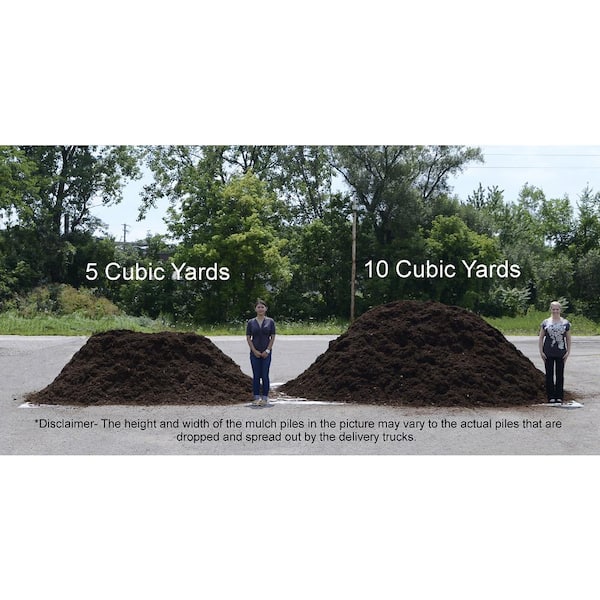
Image Source: images.thdstatic.com
Why Compost? The Foundation of a Thriving Garden
Before we dive into the cost, let’s quickly touch on why compost is so vital. Compost is often called “black gold” for good reason. It’s a rich, organic material that improves soil structure, water retention, and nutrient content, leading to healthier plants and a more vibrant garden. Whether you’re a seasoned gardener or just starting out, adding compost is one of the best investments you can make.
What Determines the Cubic Yard of Compost Cost?
Several key elements influence the final cubic yard of compost cost:
1. Type of Compost
Different materials go into compost, and their availability and processing complexity affect the price.
- Yard Waste Compost: Typically made from grass clippings, leaves, and small branches. It’s often the most affordable option.
- Kitchen Scraps Compost: Includes fruit and vegetable peels, coffee grounds, and eggshells. While beneficial, the cost can be slightly higher if it’s processed by a commercial facility.
- Mushroom Compost: Spent mushroom substrate, which is nutrient-rich. This can sometimes be more expensive due to its specific production process.
- Manure-Based Compost: Compost made with animal manure (like cow, chicken, or horse manure) is excellent for nutrients but might cost more. Ensure it’s well-composted to avoid burning plants.
- Specialty Composts: This includes blends designed for specific purposes, such as gardening compost cost for vegetable gardens or specialized mixes for acid-loving plants. These are often the priciest.
2. Quality and Source
The quality of the compost is paramount. High-quality compost is:
- Well-Matured: This means it has gone through the full decomposition process, is free of weed seeds and pathogens, and has a pleasant, earthy smell.
- Nutrient-Rich: Good compost is packed with essential nutrients that plants need to thrive.
- Uniform in Texture: Free from large, uncomposted chunks.
The source also plays a role. Local municipal composting facilities might offer lower prices than private suppliers. However, always check the quality regardless of the source.
3. Bagged Compost vs Bulk
This is a major differentiator in price and convenience.
Bagged Compost
- What it is: Compost sold in bags, typically ranging from 0.75 cubic feet to 3 cubic feet.
- Pros:
- Convenient for small projects.
- Easy to transport in a car.
- Protects compost from drying out or becoming waterlogged during transport.
- Often sold at garden centers and big-box stores.
- Cons:
- Significantly more expensive per cubic yard. You pay for the packaging, branding, and smaller quantities.
- Generates plastic waste.
- Requires more effort to move many bags.
Cost of Bagged Compost: While you buy it in cubic feet, converting to cubic yards helps in comparison. A typical 2 cubic foot bag might cost between $5 and $10.
To calculate:
There are 27 cubic feet in 1 cubic yard.
If a bag is 2 cubic feet and costs $7, then 1 cubic yard would be 27 cubic feet / 2 cubic feet/bag = 13.5 bags.
13.5 bags * $7/bag = $94.50 per cubic yard.
As you can see, bagged compost is considerably pricier.
Bulk Compost
- What it is: Compost sold by the cubic yard or half-cubic yard, delivered directly to your home or available for pickup.
- Pros:
- Much more cost-effective per cubic yard.
- Ideal for larger gardening or landscaping projects.
- Less packaging waste.
- Cons:
- Requires a truck or trailer for pickup.
- Delivery fees can add to the overall cost.
- You need a place to store it if you don’t use it all at once.
- May require a bit more effort to spread if it’s not screened to a fine consistency.
Cost of Bulk Compost: This is where you’ll find the best compost bulk pricing. As mentioned, expect $20-$70 per cubic yard, before delivery.
4. Location and Delivery
Geographic location significantly impacts pricing due to differences in labor costs, transportation expenses, and local supply and demand. Compost delivery prices can range from $25 to $100 or more, depending on the distance from the supplier and the quantity ordered. Some suppliers offer free delivery for larger orders or within a certain radius.
5. Processing and Screening
Compost that has been finely screened to remove larger particles will generally cost more than un-screened compost. Screening results in a more uniform, desirable texture for many gardeners and landscapers.
Navigating Compost Pricing: Bagged vs. Bulk in Detail
Let’s delve deeper into the comparison to help you make the most informed decision.
Bagged Compost: When Convenience Trumps Cost
- Ideal For: Small containers, a few raised beds, or topping up existing garden areas. If you have a small balcony garden or only need a few cubic feet, buying bagged compost is often the most practical solution.
- Key Considerations:
- Portability: Easy to fit in your car trunk.
- Storage: Minimal storage needed.
- Quantity: You buy only what you need, avoiding waste for small jobs.
- Examples of Costs:
- Small bag (0.75 cu ft): $4 – $8
- Medium bag (1.5 cu ft): $6 – $12
- Large bag (2 – 3 cu ft): $8 – $15
When you factor in the cost of a yard of compost from bags, it can easily reach upwards of $100, making it a less economical choice for larger projects.
Bulk Compost: The Smart Buy for Larger Needs
- Ideal For: Larger garden beds, entire lawns, landscaping projects, amending large areas of soil, or filling raised beds. If you need more than 5-10 bags, bulk is almost always the better financial choice.
- Key Considerations:
- Quantity Calculation: You need to know how much compost you need. This is where a compost volume calculator becomes invaluable.
- Transport/Delivery: Do you have a truck or trailer, or will you need delivery? Factor in delivery fees.
- Storage: You’ll need a space to store the compost until you’re ready to use it. A tarp can protect it from the elements.
How to Calculate How Much Compost You Need
You can use a simple formula or an online compost volume calculator.
Formula: Length (ft) x Width (ft) x Depth (ft) = Cubic Feet.
Then, divide by 27 to get cubic yards.
Example:
You want to add 4 inches of compost to a garden bed that is 10 feet long and 5 feet wide.
- Convert inches to feet: 4 inches / 12 inches/foot = 0.33 feet
- Calculate volume in cubic feet: 10 ft x 5 ft x 0.33 ft = 16.5 cubic feet
- Convert cubic feet to cubic yards: 16.5 cubic feet / 27 cubic feet/yard = 0.61 cubic yards
So, for this example, you would likely order 0.5 or 1 cubic yard of bulk compost, depending on supplier minimums.
Understanding Bulk Pricing Tiers
Suppliers often offer tiered pricing for bulk compost. The more you buy, the lower the price per cubic yard.
| Quantity (Cubic Yards) | Price Per Cubic Yard (Estimate) |
|---|---|
| 0.5 – 1 | $40 – $70 |
| 2 – 4 | $30 – $50 |
| 5 – 10 | $25 – $40 |
| 10+ | $20 – $35 |
Note: These are estimates and can vary significantly by region and supplier.
The Hidden Costs of Delivery
When ordering in bulk, always inquire about delivery fees.
* Distance: Most suppliers charge more for deliveries outside a specific radius (e.g., 10-20 miles).
* Quantity: Some may waive or reduce delivery fees for larger orders.
* Access: Ensure the delivery vehicle can easily access your property. Difficult access might incur extra charges.
Getting the Best Compost Bulk Pricing
- Shop Around: Get quotes from multiple local suppliers, including landscaping companies, garden centers, and municipal waste facilities.
- Buy During Off-Peak Seasons: If possible, purchasing compost in the late fall or early spring might yield better prices.
- Consider Pickup: If you have a suitable vehicle, picking up the compost yourself can save on delivery fees.
- Team Up with Neighbors: If you and your neighbors need compost, pooling your orders can help you reach bulk pricing tiers and potentially split delivery costs.
Types of Compost for Specific Needs and Their Costs
Let’s look at the gardening compost cost and landscaping compost pricing for different types.
Gardening Compost Costs
- General Garden Mix: This is a blend of organic materials suitable for most garden applications. Prices typically range from $30-$60 per cubic yard in bulk.
- Vegetable Garden Compost: Often richer in nutrients and may include well-rotted manure. Expect this to be at the higher end, $40-$70 per cubic yard.
- Seed Starting Mix: While not typically sold by the cubic yard for home use, if you were to calculate it, it would be very expensive due to its fine texture and specialized ingredients.
Landscaping Compost Pricing
- Turf-Type Compost: This is usually a finer screened compost, ideal for top-dressing lawns or mixing into new sod/seed areas. Its screening process can increase the cost of a yard of compost, often falling between $35-$65 per cubic yard.
- Coarser Blends: For mulching around trees and shrubs or for general soil amendment in large landscaping projects, coarser blends are suitable and may be more affordable, around $25-$50 per cubic yard.
When Bagged Compost Makes Sense
Despite the higher per-yard cost, buying bagged compost can be the most practical and economical choice in certain situations:
- Very Small Projects: If you’re potting a few plants or amending a single small flower bed, the effort and cost of ordering bulk delivery might outweigh the convenience of bags.
- Limited Storage Space: If you don’t have a yard or a place to store a large pile of bulk compost, bags are the only viable option.
- Transportation Limitations: If you don’t have a truck or trailer and delivery fees are exorbitant, you might have to rely on bagged compost.
- Precise Measurement: For very specific, small-scale needs, bagged compost allows you to buy exact amounts without minimum order requirements.
How to Evaluate Compost Quality
Regardless of whether you buy bagged or bulk, inspecting the compost is crucial:
- Smell: Good compost smells earthy and pleasant, like a forest floor. It should not smell sour, ammonia-like, or rotten.
- Texture: It should be crumbly and consistent, with no large, recognizable pieces of original material (unless it’s a specialty mulch-like compost). Small twigs or bits of leaves are okay, but large plastic or un-composted material is not.
- Appearance: It should be dark brown or black, not white, grey, or greenish. White or grey mold can indicate it’s not finished or has too much moisture.
- Temperature: If you’re buying it fresh from a processing facility, it might still be warm from the composting process. This is a good sign it’s active. However, for bagged or delivered compost, ambient temperature is expected.
- Absence of Weed Seeds/Pathogens: Properly finished compost should have killed off most weed seeds and harmful pathogens through the heat of the composting process. This is harder to gauge visually but is a hallmark of quality.
The Ultimate Guide to a Smart Buy
Making a smart purchase for your compost involves weighing cost, quantity, quality, and convenience.
Step 1: Assess Your Needs
- Project Size: Are you amending a small garden, filling raised beds, or landscaping an entire yard? Use a compost volume calculator to determine the precise amount.
- Type of Use: Are you planting vegetables, starting seeds, top-dressing a lawn, or mulching around trees? Different uses may benefit from different compost types.
Step 2: Compare Bagged vs. Bulk
- For Small Projects (less than 1 cubic yard needed): Bagged compost is likely your best bet for convenience.
- For Larger Projects (1 cubic yard or more needed): Bulk compost will almost always be more economical.
Step 3: Research Local Suppliers
- Garden Centers & Nurseries: Often carry bagged compost and may offer bulk delivery from their own sources or partner facilities. Prices can be higher.
- Landscaping Supply Companies: These are excellent sources for bulk compost. They usually have good landscaping compost pricing and delivery options.
- Municipal Compost Facilities: Some cities or counties operate composting programs and sell finished compost directly to residents, often at very competitive prices.
- Online Retailers: Be cautious. While convenient, shipping costs can make bagged compost very expensive. Bulk options online might be available but check local sourcing.
Step 4: Get Quotes and Compare
- Bulk: Call several suppliers. Ask for their compost price per yard, inquire about delivery fees, and ask about any minimum order quantities.
- Bagged: Compare prices per cubic foot at different stores. Look for sales or loyalty programs. Remember to do the math to get the equivalent price per cubic yard for a fair comparison.
Step 5: Consider Quality and Additional Services
- Screening: If you prefer a fine texture, ask about screened compost and if it affects the price.
- Delivery Access: Ensure the delivery truck can reach your desired dumping spot.
- Customer Reviews: Check online reviews for reliability and product quality.
Frequently Asked Questions (FAQ)
Q1: What is the average cost of a cubic yard of compost?
A1: The average cost of a yard of compost typically ranges from $20 to $70 per cubic yard for bulk purchases, excluding delivery. Bagged compost equivalent can be $70-$150+ per cubic yard.
Q2: How much does compost cost for a small garden?
A2: For a small garden, you might only need a few cubic feet. This would typically mean buying bagged compost, costing roughly $5-$15 per bag.
Q3: Is it cheaper to buy compost in bulk or in bags?
A3: Yes, it is significantly cheaper to buy compost in bulk when you need a cubic yard or more. The compost bulk pricing offers substantial savings over bagged options.
Q4: What are typical compost delivery prices?
A4: Compost delivery prices vary widely by location and distance, often ranging from $25 to $100 or more per delivery.
Q5: How do I calculate how much compost I need?
A5: Use a compost volume calculator or the formula: Length (ft) x Width (ft) x Depth (ft) = Cubic Feet. Then divide cubic feet by 27 to get cubic yards.
Q6: What is the best type of compost for vegetable gardens?
A6: For vegetable gardens, a nutrient-rich compost, often a blend that includes well-rotted manure or kitchen scraps, is ideal. The gardening compost cost for these specialized blends may be slightly higher.
Q7: Can I get free compost?
A7: Sometimes. Municipal composting facilities or local government programs may offer free compost to residents, though you might need to pick it up yourself. Some garden centers also have loyalty programs that can lead to discounts.
By carefully considering these factors, you can confidently determine how much is a cubic yard of compost for your specific needs and ensure you’re making a smart, cost-effective purchase for a healthier, more vibrant garden.