
So, how much is 1 yard of sand? The price for one cubic yard of sand typically ranges from $20 to $70, but this can vary significantly based on the type of sand, where you buy it, and whether delivery is included. This guide will break down the costs you can expect when purchasing sand for your projects.
Whether you’re building a patio, creating a play area for kids, or working on a construction project, sand is a fundamental material. But when you head to the store or start researching online, you’ll quickly realize there isn’t just one kind of sand. Each type serves a specific purpose, and their prices reflect that. Let’s dive into the details to help you make informed purchasing decisions.
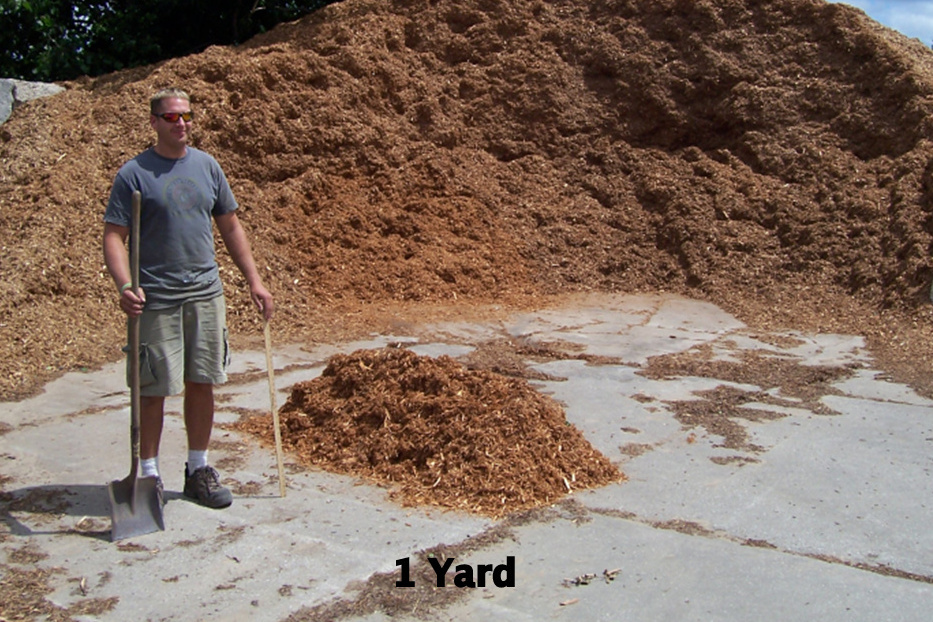
Image Source: klsupplies.com
Deciphering the Cost of a Cubic Yard of Sand
The sand price per yard is influenced by several factors. Think of it like buying apples – the price can change based on the variety, where you get them, and if they are organic. Sand is no different.
- Type of Sand: This is the biggest driver of cost.
- Source: Buying directly from a quarry versus a big box store.
- Quantity: Buying in bulk often lowers the per-yard price.
- Delivery: Will you pick it up yourself, or do you need it brought to your home?
- Location: Prices can vary by region and local market conditions.
What Exactly is a Cubic Yard of Sand?
Before we talk about price, let’s clarify what a cubic yard actually is. It’s a measure of volume, representing a cube that is 3 feet long, 3 feet wide, and 3 feet deep. This equates to 27 cubic feet. When you order a yard of sand, you’re ordering enough sand to fill this specific volume.
How Much Does a Yard of Sand Weigh?
This is a crucial question because the weight affects how you transport it and how much you can fit in a truck or trailer. Generally, how much does a yard of sand weigh? A cubic yard of sand typically weighs between 2,700 and 3,000 pounds (about 1.35 to 1.5 tons). However, this can vary based on the moisture content and the type of sand. Dry, fine sand will weigh less than wet, coarse sand.
Common Types of Sand and Their Prices
The world of sand isn’t monolithic. Different projects call for different grains and compositions. Here’s a look at common types and their associated costs.
Landscaping Sand Cost
For garden beds, top dressing lawns, or improving soil drainage, landscaping sand is a popular choice. Its texture is usually finer than construction sand.
- Typical Price Range: $30 – $60 per cubic yard.
- Uses: Mixing with soil to improve aeration, creating attractive pathways, top dressing for lawns, filling in between pavers.
- Considerations: Some landscaping sands are specifically blended for soil improvement.
Playground Sand Cost
Safety and softness are paramount for playground sand. This sand is usually very fine-grained, washed, and screened to remove any sharp particles or debris.
- Typical Price Range: $40 – $70 per cubic yard.
- Uses: Sandboxes for children, creating a soft landing area under playground equipment.
- Considerations: Look for “washed play sand” or “children’s play sand” to ensure it’s safe and comfortable.
Paver Sand Price
Paver sand, also known as polymeric sand or jointing sand, is used to fill the gaps between interlocking pavers. It hardens when wet, locking the pavers in place and preventing weed growth.
- Typical Price Range: $5 – $15 per 50lb bag (which is usually much less than a cubic yard). To get the paver sand price per cubic yard, you’d need to multiply the bag price by roughly 18-20 bags, putting the per-yard cost between $90-$300+. This higher cost is due to the specialized polymers.
- Uses: Filling joints between pavers, stabilizing patios and walkways.
- Considerations: Ensure you buy polymeric sand specifically designed for pavers, not just regular sand.
Concrete Sand Price
This is a coarser, angular sand often used as an aggregate in concrete mixes. Its angularity helps it bind with cement and gravel for strong structures.
- Typical Price Range: $25 – $50 per cubic yard.
- Uses: Mixing with cement and gravel to create concrete, base material for patios and driveways, drainage around foundations.
- Considerations: Often referred to as “ASR” (Alkali-Silica Reaction) compliant sand.
All-Purpose Sand (Mason Sand)
This is a fine-grained, soft sand often used for general purposes, including mixing mortar for bricklaying and general leveling.
- Typical Price Range: $20 – $45 per cubic yard.
- Uses: Mixing with cement for mortar, general leveling, filling gaps.
- Considerations: Softer than concrete sand, making it easier to work with for mortar.
River Sand / Washed Sand
River sand is naturally smooth and rounded, often used for decorative purposes, children’s play areas, or when a smoother finish is desired. “Washed sand” generally means it has been cleaned of silt and clay.
- Typical Price Range: $35 – $65 per cubic yard.
- Uses: Decorative landscaping, play areas, sometimes in concrete mixes where a smoother finish is acceptable.
- Considerations: The smooth texture might make it less ideal for structural concrete compared to angular concrete sand.
Bulk Sand Prices: Buying More, Saving More
When you need a significant amount of sand, buying in bulk can lead to substantial savings. Bulk sand prices usually kick in when you order a cubic yard or more, often with steep discounts for multiple yards.
- Why Buy in Bulk?
- Cost Savings: The per-yard price drops considerably.
- Convenience: Fewer bags to deal with, one delivery.
- Consistency: Ensures you have the same type and quality of sand throughout your project.
When you buy sand in bulk, you’re often dealing directly with quarries, landscape supply yards, or companies that specialize in aggregate materials. This is where you’ll find the most competitive pricing for larger quantities.
Sand and Gravel Prices: The Complete Picture
Often, projects require both sand and gravel. When you’re researching sand and gravel prices, you’ll find that they are often sold by the cubic yard or by the ton.
- Gravel: Generally falls into similar price ranges as sand, depending on the type (crushed, pea gravel, decorative rock).
- Combined Purchases: Some suppliers offer package deals if you buy both sand and gravel together, which can be a good way to manage costs for large projects like driveway construction or significant landscaping overhauls.
Factors Influencing Sand Costs: A Deeper Dive
Let’s break down the elements that contribute to the final price you pay for sand.
The Price of Sand Delivery
This is often a significant, sometimes overlooked, cost. If you don’t have a truck capable of hauling a cubic yard of sand (which, remember, weighs about 3,000 lbs!), you’ll need delivery. The cost of sand delivery can range from $50 to $150 or more, depending on:
- Distance: How far the supplier is from your location.
- Delivery Truck Type: Smaller trucks might be cheaper but have lower payload limits. Larger dump trucks might have a higher base fee but can carry more.
- Site Accessibility: If the delivery location is difficult to access (e.g., narrow driveways, tight turns), there might be an additional fee.
- Delivery Volume: Some companies offer free or reduced delivery fees for larger orders.
Pro Tip: If you only need a small amount of sand (like a few bags), picking it up yourself from a home improvement store is usually the most cost-effective option. However, for bulk purchases, delivery is almost always necessary and needs to be factored into your budget.
Supplier Type
- Home Improvement Stores (e.g., Home Depot, Lowe’s): Offer convenience and smaller quantities (often in 50lb or 80lb bags). The per-pound price is higher than bulk options, but they’re great for small DIY projects. You can often buy several bags and calculate the rough cubic yard equivalent.
- Landscape Supply Yards / Quarries: These are your best bet for bulk purchases. They typically sell sand by the cubic yard and offer delivery. Prices are generally lower per unit when buying in larger quantities.
- Online Retailers: Some online platforms aggregate landscape material suppliers, allowing you to compare prices and delivery options in your area.
Moisture Content
As mentioned earlier, wet sand is heavier than dry sand. While you pay by volume (cubic yard), the actual weight can influence delivery costs if a supplier charges by weight for transport, or it can affect how much fits into a vehicle if you’re transporting it yourself. Sand from a quarry might have a slightly higher moisture content than sand that has been dried.
Geographic Location
Prices for construction materials, including sand, can fluctuate based on regional demand, availability, and transportation costs. Sand might be cheaper in areas with abundant local quarries and more expensive in areas far from natural sources or with high construction activity driving up demand.
Calculating Your Sand Needs
Before you order, it’s essential to figure out how much sand you actually need. Ordering too little means extra trips and delivery fees. Ordering too much means wasted material and money.
How to Calculate:
- Determine the Area: Measure the length and width of the area you need to fill with sand.
- Determine the Depth: Decide how deep you want the sand layer to be. Common depths include:
- Paver Base: 4-6 inches
- Landscaping/Garden Beds: 2-4 inches
- Playgrounds: 6-12 inches
- Concrete Mix: Varies by recipe, often a significant portion.
- Convert to Cubic Feet:
- Multiply Length (feet) x Width (feet) x Depth (feet) = Cubic Feet.
- Important: Convert your depth measurement to feet. For example, 4 inches = 4/12 = 0.33 feet.
- Convert Cubic Feet to Cubic Yards:
- Divide your total Cubic Feet by 27 (since there are 27 cubic feet in a cubic yard).
Example Calculation:
Let’s say you need to fill a sandbox that is 6 feet long, 4 feet wide, and 1 foot deep (12 inches).
- Area = 6 ft x 4 ft = 24 sq ft
- Depth = 1 ft
- Cubic Feet = 24 sq ft x 1 ft = 24 cubic feet
- Cubic Yards = 24 cubic feet / 27 cubic feet/yard ≈ 0.89 cubic yards
For this sandbox, you would likely round up to 1 cubic yard to be safe and account for settling.
If you needed a 4-inch base for a patio (0.33 ft deep) that is 10 feet by 12 feet:
- Area = 10 ft x 12 ft = 120 sq ft
- Depth = 0.33 ft
- Cubic Feet = 120 sq ft x 0.33 ft = 39.6 cubic feet
- Cubic Yards = 39.6 cubic feet / 27 cubic feet/yard ≈ 1.47 cubic yards
In this case, you’d likely order 1.5 to 2 cubic yards to ensure you have enough.
Pricing Summary Table
To give you a quick reference, here’s a general overview of price ranges. Remember these are estimates and can change.
| Sand Type | Typical Price Per Cubic Yard | Common Uses |
|---|---|---|
| Concrete Sand | $25 – $50 | Concrete mixes, structural bases |
| Landscaping Sand | $30 – $60 | Soil improvement, pathways, general landscaping |
| Playground Sand | $40 – $70 | Sandboxes, play areas |
| Mason Sand | $20 – $45 | Mortar mixes, general filling, leveling |
| River/Washed Sand | $35 – $65 | Decorative, play areas, smooth finishes |
| Paver Sand (Poly.) | $90 – $300+ (per cubic yard) | Jointing between pavers (sold in bags, price varies) |
Note: These prices do not include delivery fees.
Frequently Asked Questions (FAQ)
Q1: Can I buy just a half-yard of sand?
A1: Yes, most landscape supply yards will sell sand in half-yard increments, though the per-yard price might be slightly higher than a full cubic yard. Home improvement stores sell sand in bags, so you can buy exactly the amount you need, though it’s usually more expensive per pound.
Q2: What’s the difference between play sand and regular sand?
A2: Play sand is specifically processed to be fine, soft, and free of sharp particles or contaminants, making it safe and comfortable for children. Regular sand, especially construction sand, can be coarser and may contain impurities.
Q3: How do I know if I need sand or gravel?
A3: Sand is generally used for fine filling, creating mortar or concrete mixes, and for fine leveling. Gravel is typically used for drainage, as a base material for driveways or patios (often under sand or pavers), and for landscaping decoration. Many projects use both.
Q4: Is it cheaper to buy sand by the yard or by the bag?
A4: For larger quantities (half cubic yard or more), buying by the cubic yard from a landscape supplier is almost always cheaper. For very small projects, buying bags from a home improvement store is more convenient and cost-effective.
Q5: How much sand can fit in a standard pickup truck?
A5: A standard half-ton pickup truck bed can typically hold around 0.5 to 0.75 cubic yards of sand, depending on the truck’s capacity and whether the sand is piled high. Remember that a cubic yard of sand weighs roughly 2,700-3,000 lbs, so you must be mindful of your truck’s payload capacity.
Conclusion
How much is 1 yard of sand? As we’ve explored, the answer is nuanced, with prices fluctuating based on type, source, and delivery needs. By understanding the different types of sand available, calculating your project requirements accurately, and considering factors like bulk pricing and delivery costs, you can make an informed decision and budget effectively for your next project. Whether you’re aiming for a sturdy concrete foundation or a safe, soft sandbox, the right sand at the right price will ensure your project’s success.