
So, how much for a cubic yard of sand? The price of a cubic yard of sand can range from $20 to $70, but this is just a starting point. The final cost of sand per yard depends on many factors, including the type of sand, where you buy it, and if you need delivery. This guide will help you navigate the world of sand pricing, from basic fill sand to specialized decorative varieties.
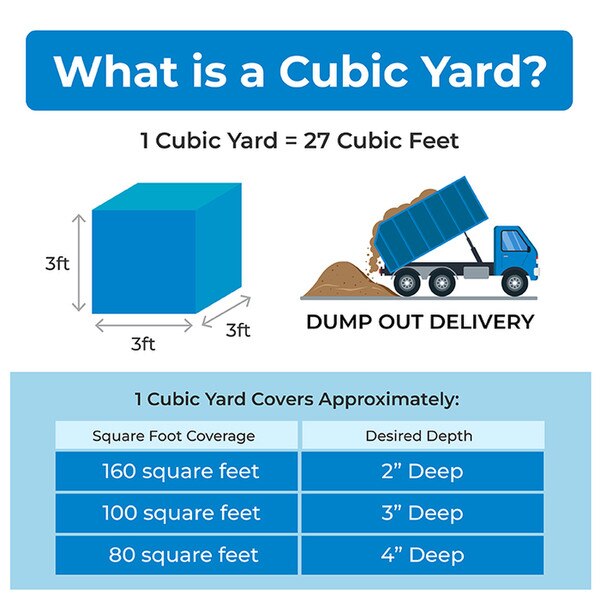
Image Source: www.cumminlandscapesupply.com
What is a Cubic Yard of Sand?
A cubic yard of sand is a unit of volume. It measures one yard in length, one yard in width, and one yard in height. To visualize this, imagine a cube roughly the size of a large washing machine. This volume holds a substantial amount of sand, often weighing between 2,000 and 3,000 pounds, depending on the sand’s moisture content and density. Knowing this helps you understand the quantity you’re purchasing.
Deciphering Sand Prices: Key Factors Influencing Cost
Several elements contribute to the final sand prices. When you’re looking to buy sand, keep these points in mind to get an accurate estimate for your project.
Type of Sand Matters
The most significant factor influencing sand prices is the type of sand you need. Different sands have different properties and are used for various purposes, which directly impacts their cost.
Construction Sand (All-Purpose Sand)
Construction sand, often called all-purpose sand or builder’s sand, is a coarse, gritty sand typically used in concrete mixes, mortar, and as a base layer for pavers and patios. Its versatility makes it a common choice for many DIY and professional projects.
- Characteristics: Coarser grain size, angular particles.
- Common Uses: Concrete, mortar, bricklaying, paver base, asphalt mixes, general fill.
- Estimated Cost: $20 – $45 per cubic yard.
- Why it’s priced this way: It’s readily available from most quarries and is generally processed with less refinement than other types.
Landscaping Sand
Landscaping sand price can vary, but it’s generally a bit more refined than basic construction sand. It’s used for improving soil drainage, creating pathways, and as a top dressing for lawns.
- Characteristics: Can be finer than construction sand, sometimes with rounded particles. Often washed to remove fine dust and debris.
- Common Uses: Improving soil drainage, filling gaps between pavers, creating garden paths, top dressing lawns, decorative accents in gardens.
- Estimated Cost: $30 – $55 per cubic yard.
- Why it’s priced this way: The washing and screening process adds to the cost. Its aesthetic appeal for visible landscaping also commands a slightly higher price.
Playground Sand
This is a specific type of sand designed for safety and play. It’s typically a fine, clean, and washed silica sand that is free from sharp edges, large particles, or contaminants.
- Characteristics: Very fine grain, smooth texture, usually pure silica, washed to remove impurities.
- Common Uses: Children’s sandboxes, playground surfaces, sand volleyball courts.
- Estimated Cost: $40 – $70 per cubic yard.
- Why it’s priced this way: The stringent washing and screening processes to ensure safety and purity significantly increase its cost. It must be free from potentially harmful materials.
Decorative Sand
Decorative sands are prized for their appearance. They come in a wide array of colors, textures, and grain sizes, often used for aesthetic purposes in gardens, planters, aquariums, and craft projects.
- Characteristics: Varies widely depending on the type; can be fine or coarse, natural colors (white, tan, red, black), or dyed.
- Common Uses: Garden borders, planters, rock gardens, water features, aquariums, craft projects, top dressing for potted plants.
- Estimated Cost: $50 – $100+ per cubic yard (specialty or dyed sands can be much higher).
- Why it’s priced this way: Often sourced from specific locations, undergoes more rigorous processing for color and uniformity, and is marketed for its visual appeal.
Paver Sand (Polymeric Sand)
While not purely “sand” in the traditional sense, polymeric sand is crucial for paver installations. It contains polymers that harden when wet, locking pavers together and preventing weed growth and erosion.
- Characteristics: Fine sand mixed with polymer binders.
- Common Uses: Filling the gaps between interlocking pavers, bricks, and stones.
- Estimated Cost: $15 – $30 per 50 lb bag (approximately 0.5 cubic feet). This translates to a much higher cost per cubic yard than bulk sand.
- Why it’s priced this way: The added polymers and specialized formulation contribute to its higher cost compared to basic sand. It’s typically sold in bags rather than bulk.
Bulk vs. Bagged Sand
When purchasing sand, you’ll often have the option to buy it in bulk or in bags. This distinction significantly impacts the sand prices.
Bulk Sand
Buying sand in bulk means purchasing it by the cubic yard or ton directly from a quarry, landscape supply yard, or contractor. This is the most cost-effective option for larger projects.
- Advantages: Significantly lower per-unit cost, ideal for large quantities.
- Disadvantages: Requires a truck or trailer for pickup, or you’ll need to factor in sand delivery cost.
- Bulk Sand Cost: The bulk sand cost is where you’ll find the most favorable sand prices per cubic yard. For example, bulk construction sand might be $20-$30 per cubic yard.
Bagged Sand
Sand sold in bags is typically found at big-box home improvement stores. Bags usually contain 50-80 pounds of sand.
- Advantages: Convenient for small projects, easy to transport in a car.
- Disadvantages: Much higher cost per unit volume, less variety in sand types.
- Bagged Sand Cost: A 50 lb bag of all-purpose sand might cost $5-$8. To fill a cubic yard, you would need approximately 40-50 such bags, making the cost of sand per yard much higher than buying in bulk, potentially $200-$400 per cubic yard.
Location and Supplier
Where you buy your sand and who you buy it from also plays a role in the final price.
- Quarries and Landscape Supply Yards: These are often the cheapest sources, especially for bulk purchases. They have direct access to raw materials and processing equipment.
- Big Box Home Improvement Stores: While convenient for small quantities, prices per unit are significantly higher.
- Contractors: Can be a good source if you’re already hiring them for a project, but they may mark up the price.
- Proximity: Prices can vary based on regional availability and transportation costs from the source to your location. If you’re far from a quarry, the sand delivery cost will be higher.
Delivery Costs
If you’re not picking up the sand yourself, the sand delivery cost is a crucial factor. This cost is usually calculated based on the distance from the supplier to your delivery address and the volume of sand being delivered.
- Factors Affecting Delivery Cost:
- Distance: The further you are from the supplier, the higher the delivery fee.
- Volume: Many suppliers have a minimum delivery fee, but larger orders might have a slightly reduced per-yard delivery rate.
- Access: Difficult-to-access locations (narrow driveways, steep inclines) might incur additional charges.
- Timing: Rush deliveries might cost more.
- Typical Delivery Fees: Expect to pay anywhere from $50 to $150 or more for a single delivery, regardless of whether you’re getting one or ten cubic yards. It’s often more cost-effective to get a full truckload if possible.
Gravel vs. Sand Cost: A Comparative Look
It’s common to consider both sand and gravel for various projects, from landscaping to construction. How do their sand prices compare to gravel vs sand cost?
Generally, sand is more affordable than gravel, especially when comparing basic fill sand to decorative or washed gravel.
- Sand: As discussed, basic construction sand can start around $20 per cubic yard in bulk.
- Gravel:
- Crushed Stone/Gravel (Construction Grade): Can range from $25 – $50 per cubic yard in bulk. It’s often more expensive due to the crushing and screening processes.
- Decorative Gravel: Can range from $40 – $100+ per cubic yard, depending on the type, color, and size.
Why the Difference?
- Processing: Gravel often requires more intensive crushing and screening to achieve specific sizes and shapes, which adds to the labor and energy costs.
- Sourcing: While both are mined, certain types of decorative gravel are sourced from specific quarries or regions, increasing transport and rarity costs.
- Density: Gravel is typically denser than sand, meaning a cubic yard of gravel might weigh more than a cubic yard of sand, and sometimes pricing can be influenced by weight.
However, the cost comparison isn’t always straightforward. For instance, if you need a very fine, clean, washed gravel for a specific application, its gravel vs sand cost might be closer to that of clean, washed landscaping sand.
How to Calculate How Much Sand You Need
Accurately estimating the amount of sand you need is crucial to avoid over- or under-buying.
Basic Volume Calculation
The most straightforward method is to calculate the volume of the area you need to fill.
-
For Rectangular or Square Areas:
- Length (in feet) × Width (in feet) × Depth (in inches) / 12 (to convert inches to feet) = Cubic Feet
- Then, Cubic Feet / 27 (since there are 27 cubic feet in a cubic yard) = Cubic Yards
-
Example: You need to fill a sandbox that is 8 feet long and 6 feet wide, and you want the sand to be 1 foot deep.
- 8 ft × 6 ft × 1 ft = 48 cubic feet
- 48 cubic feet / 27 = 1.78 cubic yards.
- It’s always wise to round up to the nearest whole or half cubic yard, so you’d likely order 2 cubic yards.
For Circular Areas:
- Radius (in feet) × Radius (in feet) × π (approximately 3.14) × Depth (in feet) = Cubic Feet
-
Then, Cubic Feet / 27 = Cubic Yards
-
Example: You have a circular planter bed with a radius of 3 feet, and you want to add 4 inches (0.33 feet) of sand.
- 3 ft × 3 ft × 3.14 × 0.33 ft = 8.82 cubic feet
- 8.82 cubic feet / 27 = 0.33 cubic yards.
- You’d probably round up to 0.5 cubic yards.
Factors to Consider for Ordering:
- Settling: Sand, especially when wet, can settle over time. It’s often recommended to order about 10% more than your calculation to account for this.
- Compaction: If the sand will be compacted (like for a paver base), you might need to account for that, though calculations are usually based on loose volume.
- Waste: Account for any potential spillage during loading, unloading, or spreading.
Where to Buy Sand
Knowing where to find the best sand prices is key to sticking to your budget.
Local Landscape Supply Yards
These are often the best bet for bulk purchases. They typically have a wide variety of sand types and aggregates and offer delivery services.
Quarries
If you live close to a quarry, this can be the most direct and often cheapest source for bulk construction sand.
Home Improvement Stores
Good for small projects where you only need a few bags. Variety might be limited, and prices per unit are higher.
Online Retailers
Some online suppliers offer sand for delivery, but be sure to factor in shipping costs, which can be substantial for heavy materials.
Specialty Garden Centers
These might carry more unique or decorative sand options, but expect premium pricing.
Popular Sand Applications and Their Cost Implications
Let’s break down the cost considerations for common uses of sand:
Sand for Patios and Paver Bases
For a stable patio or pathway, a compacted base of coarse sand or crushed stone is essential.
- Sand Type: Typically construction sand or paver base sand.
- Quantity: Depends on the size of your patio and the desired base depth (usually 4-6 inches).
- Cost Focus: Bulk purchase of construction sand is most economical. You’ll also need to consider the cost of the pavers themselves and potentially polymeric sand for the joints.
- Estimated Cost per Cubic Yard: $20 – $45 for the sand itself.
Sand for Playgrounds and Sandboxes
Safety and cleanliness are paramount here.
- Sand Type: Playground sand (washed silica sand).
- Quantity: A typical sandbox (e.g., 4 ft x 4 ft x 1 ft deep) requires about 0.6 cubic yards.
- Cost Focus: The higher playground sand cost reflects its specialized processing. Bagged sand is common for smaller jobs.
- Estimated Cost per Cubic Yard: $40 – $70.
Sand for Landscaping and Gardening
Improving soil drainage or adding decorative elements.
- Sand Type: Landscaping sand, coarse sand, or even decorative sand.
- Quantity: Varies greatly from a thin layer for soil amendment to several inches for pathways.
- Cost Focus: Landscaping sand price can vary, with finer, washed sands costing more. Decorative sands can significantly increase the budget.
- Estimated Cost per Cubic Yard: $30 – $55 for landscaping sand; $50 – $100+ for decorative sand.
Sand for Concrete and Mortar
Essential building materials.
- Sand Type: Construction sand (often specified by the concrete mix design).
- Quantity: Calculated based on the volume of concrete or mortar needed.
- Cost Focus: Construction sand price is crucial for DIY concrete projects. Professional contractors often get better bulk rates.
- Estimated Cost per Cubic Yard: $20 – $45 for bulk construction sand.
Comparing Sand Prices: A Quick Reference Table
Here’s a general overview of sand prices per cubic yard, keeping in mind these are estimates and can fluctuate.
| Sand Type | Typical Price Range (per Cubic Yard) | Primary Use | Notes |
|---|---|---|---|
| Construction Sand | $20 – $45 | Concrete, mortar, general fill, paver base | Coarse, angular grains, widely available. |
| Landscaping Sand | $30 – $55 | Soil amendment, pathways, garden features | Finer, often washed, better aesthetic appeal. |
| Playground Sand | $40 – $70 | Sandboxes, playgrounds | Fine, clean, washed silica, safe for children. |
| Decorative Sand | $50 – $100+ | Garden borders, crafts, aquariums, visual appeal | Various colors, textures; can be dyed or specialized. |
| Polymeric Sand (bag) | $15 – $30 (per 50 lb bag) | Paver joint stabilization | Not sold by the cubic yard, higher per-volume cost. |
| Bulk Sand Cost | $20 – $70+ | All types (when bought in large quantities) | Most economical for large projects. |
| Sand Delivery Cost | $50 – $150+ (per delivery) | All types (when not self-hauling) | Varies by distance and supplier. |
Frequently Asked Questions About Sand Costs
Q1: What is the cheapest type of sand?
The cheapest type of sand is generally bulk construction sand. Its low cost is due to its widespread availability and less intensive processing compared to specialized sands.
Q2: Can I get sand delivered for free?
Free sand delivery is rare, but sometimes landscape supply yards offer free or reduced delivery fees for very large orders or during promotional periods. It’s best to inquire directly with local suppliers.
Q3: How much does a ton of sand cost?
While sand is often sold by the cubic yard, it can also be sold by the ton. A ton of sand typically weighs between 2,000 and 3,000 pounds (1 to 1.5 tons). The price per ton will vary by sand type but expect it to be roughly equivalent to or slightly more than the per-cubic-yard price due to density. For example, if sand is $30 per cubic yard and a cubic yard weighs 2,500 lbs, then a ton (2,000 lbs) would cost around $24.
Q4: Is it cheaper to buy sand by the bag or by the yard?
It is almost always cheaper to buy sand by the cubic yard (in bulk) than by the bag. The convenience of bagged sand comes at a significantly higher per-unit cost.
Q5: What is the difference between fill sand and construction sand?
Fill sand is a very general term for sand used to fill holes or level ground. It’s often less processed and may contain more impurities. Construction sand is typically screened to remove larger debris and rocks, making it more suitable for mixing into concrete or mortar. The cost of sand per yard for fill sand might be lower than for construction sand.
Q6: How many cubic yards of sand do I need for a standard driveway base?
For a typical driveway base, you might need 4-6 inches of compacted sand. For a driveway that’s 20 feet long and 10 feet wide, with a 6-inch (0.5 ft) base:
* 20 ft × 10 ft × 0.5 ft = 100 cubic feet
* 100 cubic feet / 27 = 3.7 cubic yards.
Always round up and consider a small buffer for settling.
Q7: Does sand price increase in the summer?
Demand for landscaping materials often peaks in spring and summer. While suppliers might have seasonal sales, the general sand prices can remain relatively stable, though increased demand might occasionally influence availability or local pricing.
Conclusion
The question of “how much for a cubic yard of sand?” doesn’t have a single answer. By carefully considering the type of sand you need, whether you’ll buy in bulk or bags, your location, and any potential sand delivery cost, you can accurately budget for your project. Whether it’s for a foundation, a sandbox, or a beautiful garden path, knowing these factors will ensure you get the right sand at the best possible price. Always get quotes from local suppliers to confirm current sand prices in your area.