
The cost of a cubic yard of gravel can range from $20 to $70, depending on the type of gravel, where you are located, the quantity you purchase, and delivery fees. This blog post will delve into the various aspects that influence the gravel per cubic yard price, helping you to make an informed decision for your project. Whether you’re planning a new driveway, a decorative garden path, or a simple backyard improvement, knowing the gravel price is crucial for budgeting.
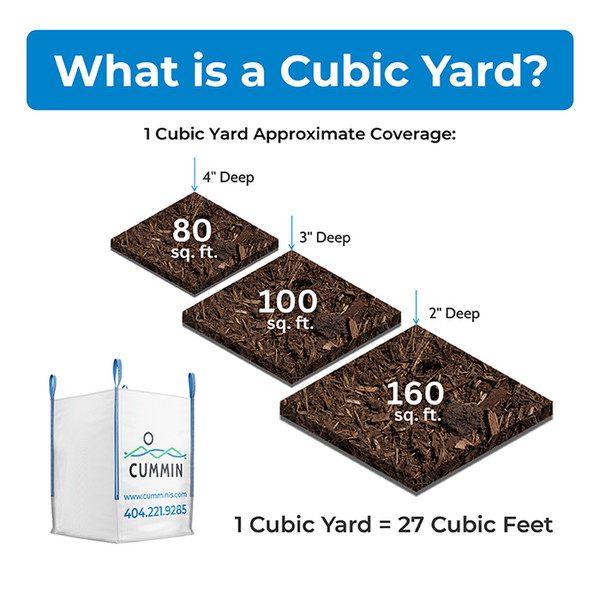
Image Source: www.cumminlandscapesupply.com
Deciphering Gravel Costs: The Raw Price Per Cubic Yard
The base price of gravel is the starting point for your gravel calculation. This is the cost of the material itself, before any additional factors are considered. This raw price is typically quoted by suppliers when you inquire about purchasing gravel. It’s important to note that this number can fluctuate significantly.
Common Gravel Types and Their Base Prices
Different types of gravel are used for various purposes, and their availability and processing can affect their price. Here’s a look at some common types:
- Crushed Stone/Aggregate: This is a very common and versatile type of gravel, often used for driveways, pathways, and as a base layer for construction. Its price is generally lower due to its widespread availability and simpler processing.
- Pea Gravel: This is characterized by its small, rounded stones. It’s often used for decorative purposes, such as in garden beds, around pools, or as a top dressing for paths. Its rounded nature can sometimes make it slightly more expensive due to processing.
- River Rock: Similar to pea gravel but often larger and more varied in color and shape, river rock is popular for landscaping and water features. The natural sourcing and collection process can influence its cost.
- Decomposed Granite (DG): This is a fine, gravel-like material that compacts well, making it ideal for walking paths and patios. Its unique properties can sometimes command a higher price.
- Decorative Gravels: These can include colored stones, polished pebbles, or specialty rock types. These are usually the most expensive due to their aesthetic appeal and specialized sourcing.
Table 1: Approximate Base Price Ranges for Gravel Types (per Cubic Yard)
| Gravel Type | Approximate Base Price (USD) | Primary Uses |
|---|---|---|
| Crushed Stone/Aggregate | $20 – $40 | Driveways, pathways, base layers, drainage |
| Pea Gravel | $30 – $50 | Landscaping, garden beds, walkways, decorative accents |
| River Rock | $40 – $60 | Landscaping, water features, decorative pathways |
| Decomposed Granite | $35 – $55 | Walking paths, patios, playgrounds |
| Decorative Gravels | $50 – $70+ | Garden accents, mulching, unique landscaping features |
Note: These are approximate ranges and can vary significantly by region and supplier.
Factors Influencing the Cost of Gravel
Several key factors contribute to the final cost of gravel. It’s not just about the material itself; logistical and market forces play a significant role.
1. Type of Gravel
As seen in the table above, the specific type of gravel you choose is a primary driver of cost. The geological origin, processing required to achieve a particular size or shape, and aesthetic qualities all contribute to its price point. Rarer or more aesthetically pleasing gravels will naturally cost more.
2. Location and Proximity to Source
The geographic location of your project is a major factor in the gravel price. If you live close to a gravel quarry or pit, you’ll likely pay less for the material itself and for delivery. Conversely, if you’re in an area where gravel needs to be transported long distances, the transportation costs will be factored into the gravel per cubic yard price. Local availability and competition among suppliers also play a role.
3. Quantity Purchased (Bulk vs. Small Orders)
Purchasing bulk gravel usually comes with a lower price per cubic yard compared to buying smaller quantities. Suppliers often offer discounts for larger orders, as it is more efficient for them to deliver and process larger volumes. If you only need a small amount, you might end up paying a premium or might not be able to purchase in exact cubic yard increments.
4. Delivery Fees
This is often one of the most significant additional costs associated with buying gravel. Delivery fees are influenced by:
- Distance: The further the gravel needs to be transported from the supplier to your location, the higher the delivery cost.
- Delivery Vehicle Size: Larger trucks that can carry more gravel may have higher per-trip costs, but can be more economical for large projects.
- Site Accessibility: If your delivery location is difficult to access (e.g., narrow driveways, steep inclines, tight turns), the delivery company may charge an additional fee for the extra time and effort required.
- Delivery Time: While less common, some suppliers might charge more for urgent or weekend deliveries.
When requesting a gravel estimate, always inquire about delivery fees upfront to get a true picture of the total expense.
5. Supplier Markup and Overhead
Like any business, gravel suppliers have overhead costs such as equipment maintenance, labor, insurance, and administrative expenses. They also add a markup to the wholesale price of the gravel to ensure profitability. Different suppliers may have different pricing structures and profit margins.
6. Seasonal Demand and Availability
Gravel is often in higher demand during warmer months when landscaping and construction projects are most prevalent. This increased demand can sometimes lead to slightly higher prices, especially if there are also supply chain issues or weather-related disruptions affecting quarry operations.
How to Calculate How Much Gravel You Need
A crucial part of getting a gravel estimate is accurately determining how much gravel you need. Incorrect calculations can lead to overspending or insufficient material, requiring additional purchases and deliveries.
The Cubic Yard Formula
A cubic yard is a unit of volume. To calculate the volume of gravel needed, you’ll need to measure the length, width, and depth of the area you intend to cover.
Formula: Volume (in cubic yards) = (Length × Width × Depth) / 27
- Length and Width: Measure these in feet.
- Depth: This is the thickness of the gravel layer you want. It’s crucial to convert this depth into feet. For example, 4 inches of depth is 4/12 = 0.33 feet.
- Divide by 27: There are 27 cubic feet in 1 cubic yard (3 feet × 3 feet × 3 feet = 27 cubic feet).
Example Gravel Calculation:
Let’s say you need to cover a driveway that is 50 feet long and 10 feet wide with a gravel layer that is 4 inches deep.
- Convert depth to feet: 4 inches / 12 inches/foot = 0.33 feet
- Calculate volume in cubic feet: 50 feet (Length) × 10 feet (Width) × 0.33 feet (Depth) = 165 cubic feet
- Convert to cubic yards: 165 cubic feet / 27 cubic feet/cubic yard = 6.11 cubic yards
For this project, you would need approximately 6.11 cubic yards of gravel. It’s often wise to round up to the nearest whole or half cubic yard to account for settling and potential errors in measurement. So, ordering 6.5 or 7 cubic yards would be a good idea.
Factors Affecting Gravel Depth
The required depth of gravel depends on its intended use:
- Decorative pathways: 2-4 inches is usually sufficient.
- Walking paths: 3-6 inches is recommended for stability.
- Driveways: Typically requires a deeper base layer, often 6-12 inches or more, depending on the type of subgrade and expected traffic.
- Base layers for patios or structures: May require significant depth for proper load-bearing.
Always consult with your local building codes or landscape professionals if you’re unsure about the appropriate depth for your specific application.
Getting Your Gravel Estimate: Tips for Success
To ensure you get an accurate gravel estimate and the best possible gravel price, follow these tips:
1. Be Precise with Your Measurements
Double-check your measurements for length, width, and desired depth. Use a reliable measuring tape and convert all measurements to the same unit (feet) before calculating.
2. Know the Intended Use
When you contact suppliers, clearly state the purpose of the gravel. This helps them recommend the most suitable type and advise on the correct depth. For instance, driveway gravel price might be different from landscaping gravel cost even for the same basic material due to recommended compaction and grading.
3. Specify the Gravel Type
If you have a specific type of gravel in mind (e.g., pea gravel for a garden path, crushed stone for a base), mention it. If you’re unsure, describe the look and function you need.
4. Inquire About All Costs
When requesting an gravel estimate, make sure to ask about:
- Price per cubic yard of the gravel itself.
- Delivery fees (and if they are per trip or per cubic yard).
- Any potential surcharges for difficult delivery.
- Minimum order quantities.
5. Compare Prices from Multiple Suppliers
Don’t settle for the first quote you receive. Contact several local gravel suppliers to compare prices, delivery options, and the quality of their materials. This is especially important when looking for bulk gravel cost savings.
6. Consider the Delivery Location
Be clear about where the gravel needs to be delivered. If you have specific instructions or limitations (e.g., “dump in the driveway,” “cannot access front yard”), communicate them upfront.
Specialized Gravel Costs: Driveways and Landscaping
The cost of gravel can vary depending on whether it’s for a driveway or landscaping purposes.
Driveway Gravel Price
Driveways require a durable and load-bearing gravel that can withstand vehicle traffic and weather. This often means opting for crushed stone or aggregate with angular pieces that lock together well for stability.
- Material: Typically crushed stone or a blend of crushed stone and sand.
- Depth: Usually requires a significant depth (6-12 inches or more) for a solid base.
- Cost Impact: The need for a deeper layer and potentially a specific type of interlocking aggregate can increase the overall cost of gravel for a driveway. The price per cubic yard might be in the mid-to-higher range of aggregate options, but the sheer volume needed for a driveway often makes it the largest single expense.
Landscaping Gravel Cost
Landscaping gravels are chosen for their aesthetic appeal as much as their function. This can include pea gravel, river rock, decomposed granite, or decorative colored stones.
- Material: Wide variety of types, from smooth pebbles to sharp-edged decorative stones.
- Depth: Generally shallower than driveways, often 2-4 inches.
- Cost Impact: While the gravel per cubic yard might be higher for decorative types, the smaller quantities needed for many landscaping projects can keep the total cost lower compared to a full driveway. The landscaping gravel cost is heavily influenced by the visual appeal and uniqueness of the stone.
Frequently Asked Questions About Gravel Costs
Here are some common questions people have when trying to determine how much gravel to buy and what to expect for the cubic yard cost.
Q1: What is the average cost of gravel per cubic yard?
The average cost of gravel per cubic yard typically ranges from $20 to $70. However, this is a broad estimate, and the actual price can be higher or lower based on the factors discussed in this article.
Q2: Can I buy gravel in smaller quantities than a cubic yard?
Some suppliers may sell gravel by the bag, which is a smaller unit. However, if you need gravel for a larger project, buying in bulk by the cubic yard is almost always more cost-effective. Many suppliers have a minimum order quantity, often half a cubic yard or one cubic yard.
Q3: How much does gravel delivery cost?
Delivery fees can vary widely, but a common range is $50 to $200 per load, depending on the distance and the size of the truck. It’s essential to get a precise quote from your supplier.
Q4: How do I calculate the amount of gravel needed for a project?
You can calculate the gravel calculation by multiplying the length (in feet) by the width (in feet) by the desired depth (in feet), and then dividing the result by 27 to convert cubic feet into cubic yards. Remember to convert inches of depth into feet by dividing by 12.
Q5: Is it cheaper to buy gravel in bulk?
Yes, generally, buying bulk gravel cost is significantly cheaper per cubic yard than purchasing smaller quantities. Suppliers offer better pricing for larger orders due to efficiency.
Q6: What factors most affect the gravel price?
The most significant factors influencing the gravel price are the type of gravel, the distance to your location (impacting delivery costs), and the quantity you purchase.
Q7: How deep should gravel be for a driveway?
For a basic driveway, a depth of 6 to 10 inches is generally recommended. This is often achieved in layers, with a base layer of coarser aggregate and a top layer of finer gravel. This ensures durability and proper drainage.
Q8: Can I use any type of gravel for landscaping?
While you can use many types of gravel for landscaping, the best choice depends on the specific application. Pea gravel is good for pathways and decorative areas, while decomposed granite is excellent for compactable walking paths. For areas needing drainage, crushed stone is often preferred.
Conclusion
Determining how much gravel you need and the associated gravel price involves several considerations beyond just the material cost. By carefully measuring your project area, selecting the right type of gravel, comparing quotes from multiple suppliers, and factoring in delivery fees, you can accurately budget and achieve the desired outcome for your landscaping or construction project. Always aim for clear communication with your chosen supplier to ensure you receive the best value and the right materials for your needs.