
So, how much does a yard of rock weigh? On average, a cubic yard of rock weighs between 2,000 and 3,000 pounds. This weight can vary quite a bit depending on the type of rock and its density. Whether you’re planning a landscaping project, a construction build, or just curious about bulk materials, knowing the rock weight per cubic yard is crucial for accurate ordering and efficient handling. This guide will dive deep into deciphering the gravel density, exploring different rock types, and how to estimate bulk rock weight for your needs.
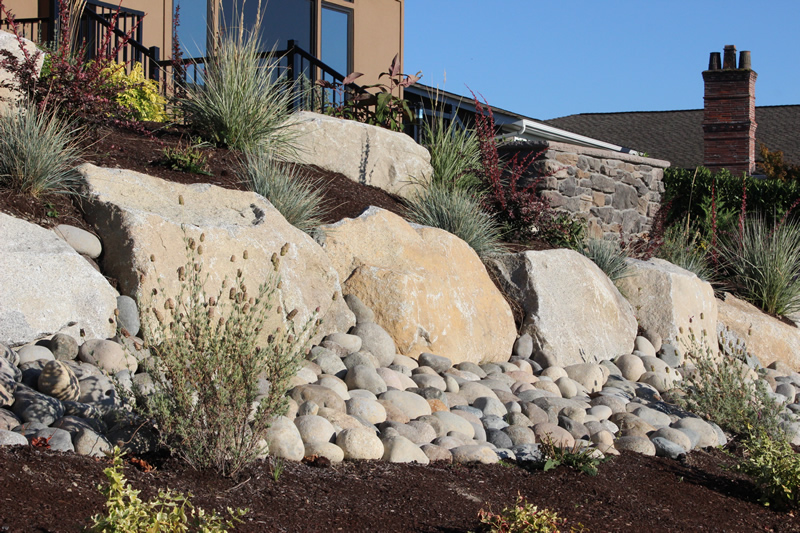
Image Source: www.earthhaulers.com
Fathoming Rock Density: The Key to Weight Estimation
The weight of a cubic yard of rock isn’t a one-size-fits-all answer. The primary factor influencing this is the gravel density or, more broadly, the density of the specific stone you’re working with. Density is a measure of how much mass is contained in a given volume. For rocks, this means how tightly packed the mineral particles are.
What Influences Rock Density?
Several elements contribute to a rock’s density:
- Mineral Composition: Different minerals have different atomic structures and weights. For instance, rocks rich in heavy minerals like iron or metallic elements will be denser than those composed primarily of lighter elements.
- Porosity: Rocks with more pores (small holes) or voids will be less dense because there’s more empty space within the material.
- Compaction: How tightly the rock particles are packed together also plays a significant role.
- Moisture Content: Water is heavy! The amount of moisture absorbed by the rock can significantly increase its weight.
Deciphering Common Rock Types and Their Weights
When we talk about “rock,” it often refers to various aggregates used in construction and landscaping. Understanding the natural stone weight and crushed stone weight for common types will equip you with the knowledge to estimate your project needs.
Crushed Stone and Gravel Varieties
Crushed stone and gravel are among the most common materials ordered by the cubic yard for projects like driveways, pathways, and backfill.
- Crushed Granite: Granite is a hard, igneous rock. Its density contributes to a substantial weight. A cubic yard of crushed granite typically weighs between 2,500 and 2,800 pounds. This makes it a durable choice for high-traffic areas. The granite weight per yard can vary slightly based on the fineness of the crush.
- Crushed Limestone: Limestone is a sedimentary rock. Its density can be a bit lower than granite, especially if it’s more porous. A cubic yard of crushed limestone usually weighs between 2,000 and 2,500 pounds. Limestone density is a key factor here.
- Gravel (Washed Gravel): Washed gravel, often rounded river stones, can have a slightly different density profile due to the rounding process and potential for more void space between the stones. A cubic yard of gravel typically weighs around 2,300 to 2,600 pounds.
- River Rock: Similar to washed gravel, river rock’s weight can be in the 2,300 to 2,700 pounds per cubic yard range. The rounded shape can influence how tightly they pack.
- Pea Gravel: This is a smaller-sized gravel. While the individual stones might be lighter than larger rocks, the density of the material in bulk will still be influenced by the void space. Expect a cubic yard of pea gravel to weigh roughly 2,400 to 2,700 pounds.
Landscape Rock and Decorative Stone
For aesthetic purposes, landscape rock weight and decorative rock weight are just as important to consider for handling and placement.
- Decorative Gravel: This category can include a wide range of colors and sizes. Generally, their density falls within the range of standard gravel, around 2,300 to 2,600 pounds per cubic yard.
- Flagstone: Flagstone is a broad, flat stone often used for patios and walkways. When sold by the cubic yard (often for smaller chips or broken pieces), its weight will depend heavily on the type of stone used, but it can be on the heavier side due to its often dense mineral composition. Expect weights similar to crushed limestone or granite.
- Boulders: Large boulders are typically sold by piece or by weight, not by the cubic yard in the same way as aggregate. However, if you were to calculate the approximate weight of a yard of smaller, rounded stones that form a boulder-like appearance, you’d be looking at similar densities to river rock.
Calculating Your Rock Needs: The Role of a Stone Weight Calculator
Estimating how much rock you need is often the first step. This is where a stone weight calculator or simple conversion charts come in handy. You’ll typically order rock by the cubic yard, but you might need to know the weight for transportation or structural considerations.
How to Use a Stone Weight Calculator
Most online stone weight calculator tools work by asking for:
- The type of rock: This allows the calculator to pull up the average density for that material.
- The desired volume: Usually in cubic yards.
- Optional: Moisture content: Some advanced calculators might allow you to adjust for saturation.
The calculator then uses the formula:
Weight = Volume × Density
For example, if you need 3 cubic yards of crushed granite and the average density is 2,700 pounds per cubic yard:
Weight = 3 cubic yards × 2,700 lbs/cubic yard = 8,100 pounds
Converting Cubic Yards to Tons
Since many suppliers and transport vehicles work in tons, knowing the conversion is useful.
- 1 ton = 2,000 pounds
So, 8,100 pounds of crushed granite is:
8,100 pounds / 2,000 pounds/ton = 4.05 tons
Practical Considerations for Bulk Rock Weight
Beyond the sheer numbers, there are practical aspects to consider when dealing with bulk rock weight.
Transportation and Delivery
- Vehicle Capacity: Pickup trucks, dump trucks, and trailers all have weight limits. Knowing the rock weight per cubic yard is essential to avoid overloading your vehicle. A standard half-ton pickup truck might only be able to haul 0.5 to 1 cubic yard of dense rock at a time. Larger trucks can haul significantly more.
- Delivery Costs: Delivery fees are often based on the number of trips or the total tonnage. Accurate estimates can help you budget for delivery.
- Loading and Unloading: Heavier materials require more effort and appropriate equipment (like wheelbarrows, shovels, or even small machinery) for manual loading and unloading.
Project Planning
- Foundation and Support: For projects like retaining walls or structural fills, the weight of the rock is a critical factor in foundation design and ensuring the stability of the structure.
- Landscape Design: For aesthetic landscaping, knowing the weight helps you visualize the volume and how much material will be needed to achieve the desired look and depth. For instance, a 4-inch layer of decorative rock over a 100-square-foot area would require approximately 3.3 cubic yards (100 sq ft * 0.33 ft depth = 33.3 cubic ft; 33.3 cubic ft / 27 cubic ft per yard = 3.3 cubic yards).
Factors Affecting the Final Weight
While we’ve provided average weights, several factors can cause actual bulk rock weight to deviate:
Moisture Content
This is a big one! Dry rock is significantly lighter than saturated rock. When it rains or the material has been exposed to moisture, the weight can increase by as much as 10-20%. Always consider if your rock will be delivered wet or dry, and if it will be exposed to the elements.
Particle Size and Shape
- Smaller particles generally have more void space between them compared to larger, angular pieces that can interlock more effectively. This can, paradoxically, sometimes lead to lower bulk density if the voids are significant.
- Angular crushed stone often packs more tightly than rounded gravel, potentially leading to a higher bulk density and therefore a heavier cubic yard.
Compaction
If the rock is vibrated or compacted during measurement or after placement, the rock weight per cubic yard can increase as the void spaces are reduced. This is especially relevant in construction applications where compaction is a standard procedure.
Average Rock Weight Per Cubic Yard Summary Table
To provide a quick reference, here’s a table summarizing the approximate rock weight per cubic yard for common materials. Remember these are averages, and actual weights can vary.
| Rock Type | Average Weight (lbs/cubic yard) | Approximate Density (lbs/cubic foot) | Common Uses |
|---|---|---|---|
| Crushed Granite | 2,500 – 2,800 | 90 – 105 | Driveways, paths, drainage, backfill |
| Crushed Limestone | 2,000 – 2,500 | 75 – 95 | Base for roads, driveways, landscaping |
| Gravel (Washed) | 2,300 – 2,600 | 85 – 95 | Drainage, landscaping, decorative |
| River Rock | 2,300 – 2,700 | 85 – 100 | Landscaping, decorative, drainage |
| Pea Gravel | 2,400 – 2,700 | 90 – 100 | Pathways, decorative, drainage, playgrounds |
| Decorative Rock | 2,300 – 2,600 | 85 – 95 | Landscaping, garden beds, decorative features |
| Crushed Concrete | 2,200 – 2,600 | 80 – 95 | Road base, fill material |
| Sandstone (crushed) | 2,300 – 2,600 | 85 – 95 | Landscaping, pathways |
| Lava Rock (pumice) | 1,200 – 1,600 | 45 – 60 | Landscaping, drainage, lightweight fill |
Note: The density values are approximate and represent bulk density.
Frequently Asked Questions (FAQ)
Q1: How can I get the most accurate weight for my rock order?
A1: The best way is to ask your supplier for the specific gravel density or natural stone weight data they use for their materials. They often have this information readily available.
Q2: Does the size of the crushed stone affect its weight per cubic yard?
A2: Yes, the size and shape of crushed stone can influence how tightly it packs. Smaller, angular pieces often interlock better, potentially leading to a slightly higher bulk density than larger, more rounded pieces, but void space also plays a significant role.
Q3: How much does a yard of sand weigh?
A3: A cubic yard of sand typically weighs between 2,500 and 3,000 pounds, depending on the type of sand (e.g., coarse vs. fine) and its moisture content.
Q4: Can I use the weight of one type of rock to estimate the weight of another?
A4: It’s best to use specific density data for each rock type. While there’s an average range, using the wrong estimate can lead to significant errors in your calculations.
Q5: What’s the difference between density and weight per cubic yard?
A5: Density is a property of the material itself (mass per unit volume), often expressed in pounds per cubic foot. Weight per cubic yard is the total weight of one cubic yard of that material, which is derived from its density and the volume.
Conclusion
Knowing how much a yard of rock weighs is more than just a number; it’s essential for smart planning, budgeting, and safe handling of materials. By considering the type of stone, its density, and factors like moisture content, you can accurately estimate bulk rock weight for any project. Whether you’re ordering landscape rock weight, crushed stone weight, or specifically granite weight per yard, armed with this knowledge, you can confidently tackle your next project. Always consult with your supplier for the most precise figures to ensure your project goes smoothly from estimation to completion.