
So, how much does a garden room cost? The cost of a garden room can range from around £8,000 for a basic, small unit to over £40,000 for a large, bespoke, high-specification design. This wide spectrum of garden room prices is influenced by size, materials, features, and the complexity of installation.
Adding a garden room to your property is an exciting prospect, offering a versatile extension to your home without the upheaval of a traditional house extension. Whether you dream of a tranquil garden office, a creative studio, a home gym, or simply an extra space for relaxation and entertaining, a garden room can fulfill these needs. However, when embarking on such a project, the most pressing question is often about the investment required. This guide aims to demystify the cost of garden room projects, providing a comprehensive overview to help you budget effectively.
We’ll explore the factors that drive prices up or down, delve into different types of garden rooms available, and offer insights into potential additional costs you might encounter. Our goal is to equip you with the knowledge to make informed decisions and secure the garden room that best suits your lifestyle and budget.
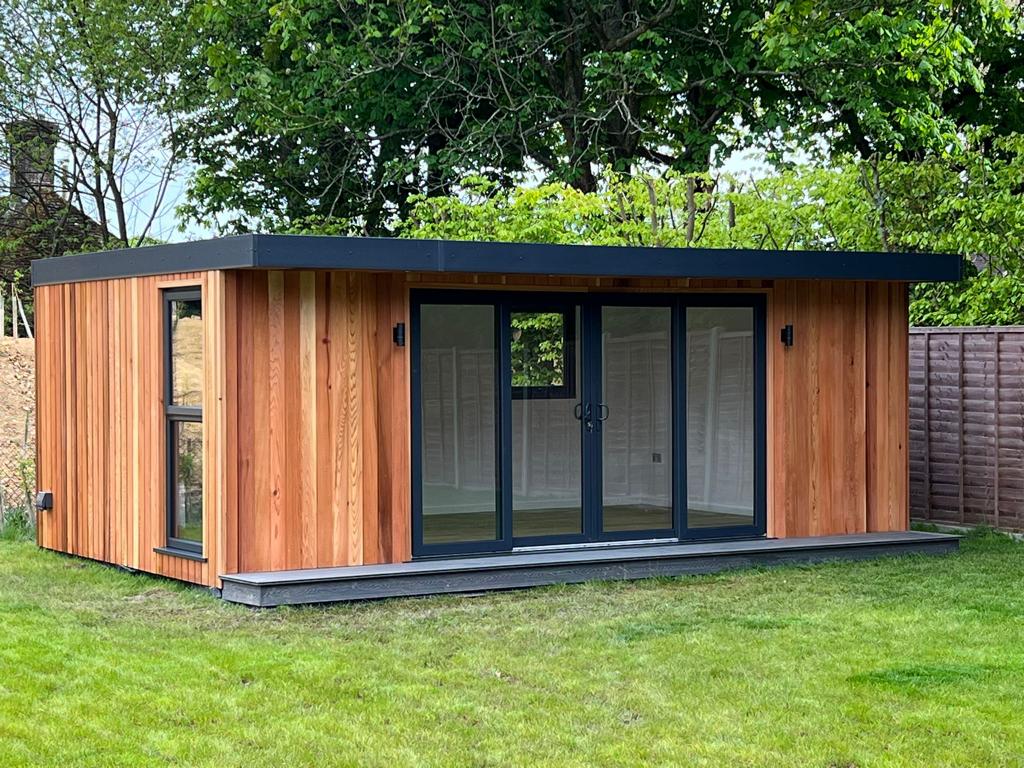
Image Source: myretreatgardenrooms.co.uk
Factors Shaping Garden Room Prices
Several key elements contribute to the overall cost of garden room construction. Being aware of these will help you understand why certain options are more expensive than others and where you might be able to make savings.
Size and Dimensions
The most obvious factor influencing cost is the size of the garden room. A larger footprint naturally requires more materials, more labour, and potentially a more substantial foundation.
- Small Garden Rooms (e.g., 2.5m x 3m): These are often the most affordable, ideal for a simple home office or a small hobby space.
- Medium Garden Rooms (e.g., 3m x 4m or 4m x 3m): Offer more versatility, suitable for larger offices, studios, or guest rooms.
- Large Garden Rooms (e.g., 4m x 5m or larger): Provide ample space for multiple uses or significant entertaining areas. These will naturally command higher prices.
Materials and Construction Quality
The choice of materials significantly impacts both the initial garden room installation cost and the long-term durability and insulation of your space.
- Timber Cladding: This is a popular and often cost-effective choice. Different types of timber will vary in price and longevity.
- Softwoods (e.g., Pine, Spruce): Generally more affordable but may require more frequent maintenance and treatment against rot and insects.
- Hardwoods (e.g., Cedar, Larch): More expensive initially but offer superior durability, natural resistance to decay, and a premium aesthetic.
- Composite Cladding: Made from recycled plastic and wood fibres, this offers excellent durability, low maintenance, and resistance to weathering. It is typically more expensive than most timber options.
- Metal Cladding: Modern metal finishes can provide a sleek, contemporary look and are very durable, but they can also be a pricier option.
- Insulation: High-quality insulation is crucial for year-round comfort and energy efficiency. The type and thickness of insulation (e.g., PIR boards, mineral wool) will affect the cost of garden room and its running costs. Well-insulated rooms are more comfortable and cheaper to heat or cool.
- Roofing Materials: Options range from traditional felt roofing to EPDM (ethylene propylene diene terpolymer) rubber roofing, metal sheeting, or even living Sedum roofs. EPDM is often a good balance of cost and durability.
- Windows and Doors: The number, size, style (uPVC, aluminium, timber), and glazing specifications (double or triple glazing) will all influence the price. Bi-fold doors or large sliding doors will add significantly to the garden office cost or cost of garden studio.
Foundation Type
The base on which your garden room sits is critical for stability and longevity. The cost of the foundation depends on the ground conditions and the chosen method.
- Concrete Slab: A robust and common option. The cost depends on the thickness, reinforcement, and complexity of the pour.
- Concrete Piers or Posts: Often used for uneven ground or when minimal ground disturbance is desired. This can be a more cost-effective solution.
- Screw Piles: A modern, eco-friendly option that minimizes ground impact and is suitable for various terrains.
- Paving Slab Base: The most basic and cheapest option, typically suitable only for very lightweight structures and level ground.
Design and Customisation
The more bespoke your garden room, the higher the cost. Off-the-shelf kits are generally cheaper than custom-designed structures.
- Standard Designs: Pre-designed models from manufacturers are usually more cost-effective.
- Bespoke Garden Room Cost: Tailoring dimensions, layouts, window placements, and specific finishes to your exact requirements will increase the price. This allows for maximum creativity and functionality but requires a larger budget.
- Architectural Features: Unique rooflines, extensive glazing, or complex shapes will add to the design and construction costs.
Site Accessibility and Ground Conditions
The ease with which your garden room can be built on your site plays a significant role in the garden room installation cost.
- Access: If the site is difficult to access with materials and machinery (e.g., narrow gates, steep slopes, distant parking), labour costs can increase.
- Groundworks: If the ground is uneven, rocky, or requires significant preparation (e.g., leveling, drainage improvements, soil removal), this will add to the overall cost.
Internal Finishes and Utilities
The cost doesn’t stop at the external shell. The interior fit-out and any necessary utility connections will add to the final bill.
- Plastering and Painting: Basic internal finishes are standard.
- Flooring: Options range from laminate and vinyl to engineered wood or tiles, each with different price points.
- Electricals: Installing lighting, sockets, and potentially heating or cooling systems will require an electrician.
- Plumbing: If you require a sink, toilet, or shower, you’ll need plumbing connections, which significantly increases costs.
- Heating and Cooling: Electric heaters, underfloor heating, or air conditioning units will add to the initial investment and running costs.
Types of Garden Rooms and Their Price Brackets
The term “garden room” is broad, encompassing various types of structures. Each category comes with its own typical garden room prices.
1. Pre-fabricated Garden Room Kits
These are often the most straightforward and quickest to install, offering a good balance of cost and quality. They are manufactured off-site and delivered as flat-pack components.
- What to expect: Typically made from timber with pre-insulated panels. Basic kits come with standard windows and doors.
- Price Range: £8,000 – £20,000 (for a mid-sized unit, excluding installation and significant upgrades).
- Pros: Relatively quick to assemble, consistent quality, easier to budget.
- Cons: Less scope for customization, may require some DIY assembly skills or professional installation.
2. Modular Garden Rooms
Similar to kits but often with more sophisticated pre-assembly. Some modules might be partially constructed off-site, reducing on-site build time.
- What to expect: Higher quality finishes, more robust construction, and a wider range of customization options than basic kits.
- Price Range: £15,000 – £30,000.
- Pros: Higher quality, faster installation than traditional builds, good insulation.
- Cons: Can be more expensive than kits, limited by modular design.
3. Bespoke Garden Rooms
These are custom-built to your exact specifications, offering the ultimate in design freedom and personalization.
- What to expect: Tailored dimensions, unique layouts, specific material choices, and high-end finishes. This is where you’ll get your dream backyard room tailored precisely.
- Price Range: £20,000 – £40,000+, depending on size, complexity, and finishes. A truly bespoke garden room cost reflects the individual design and craftsmanship.
- Pros: Perfectly suited to your needs, high aesthetic appeal, maximum functionality.
- Cons: Most expensive option, longer design and build process, requires careful planning.
4. Garden Pods
Often smaller and more compact than traditional garden rooms, pods are typically used for specific purposes like a home office, meditation space, or small studio.
- What to expect: Sleek, modern designs, often circular or curved. They focus on a compact, functional space. A garden pod cost can be surprisingly competitive for smaller units.
- Price Range: £7,000 – £18,000 (for smaller, simpler pods).
- Pros: Stylish, space-saving, quick to install, often require less planning permission.
- Cons: Limited in size and layout options, may not be suitable for all uses.
5. DIY Garden Rooms
If you have the skills and time, building your own garden room can be the most budget-friendly option.
- What to expect: You source all materials and manage the construction yourself. The cheapest garden room option often involves a DIY approach.
- Price Range: £5,000 – £15,000 (highly variable based on material choices and size).
- Pros: Potential for significant cost savings, complete control over the build.
- Cons: Requires significant time, skills, and knowledge, potential for errors that can be costly to fix, may lack professional finishes.
Comparing Garden Room Costs: A Table Overview
To give you a clearer picture, here’s a comparative table outlining typical price ranges for different types of garden rooms, assuming a standard mid-range size (e.g., 3m x 4m) and specification. Prices are indicative and can vary significantly.
| Garden Room Type | Typical Price Range (Excluding Site Prep & Utilities) | Key Features & Considerations |
|---|---|---|
| Basic Kit | £8,000 – £15,000 | Simple timber construction, standard insulation, basic windows/doors. |
| Mid-Range Kit | £12,000 – £20,000 | Better insulation, higher quality timber, improved windows, wider design options. |
| Modular Garden Room | £15,000 – £30,000 | Higher-quality construction, more customization, faster installation. |
| Garden Office Cost | £10,000 – £25,000 | Typically includes good insulation, power, lighting, often integrated desk/storage. |
| Cost of Garden Studio | £12,000 – £28,000 | Focus on natural light, good ventilation, potentially soundproofing, ample space. |
| Backyard Room Cost | £9,000 – £22,000 | General term, often referring to more traditional timber-framed structures. |
| Garden Pod Cost | £7,000 – £18,000 (for smaller units) | Compact, modern designs, often for specific uses like offices or relaxation spaces. |
| Bespoke Garden Room | £20,000 – £40,000+ | Custom design, premium materials, specific architectural features, highest flexibility. |
| Cheapest Garden Room | £5,000 – £10,000 (DIY / Very basic kit) | Basic materials, minimal insulation, smaller size, requires significant DIY input. |
Beyond the Base Price: Additional Costs to Factor In
The quoted price for a garden room often covers the structure itself. However, a realistic budget must account for several other potential expenses that contribute to the total cost of garden room projects.
1. Site Preparation and Groundworks
Before construction can even begin, your site might need preparation.
- Landscaping: Removing existing sheds, patios, or overgrown vegetation.
- Leveling: Ensuring the ground is flat and stable for the foundation.
- Drainage: Addressing any waterlogging issues in the garden.
- Foundation: As mentioned, the cost of the chosen foundation type.
-
Access Improvement: Creating a temporary path or widening an entrance if access is difficult.
-
Estimated Cost: £500 – £3,000+
2. Garden Room Installation Cost
While some kits can be assembled by competent DIYers, most people opt for professional installation. This is a significant component of the overall garden room installation cost.
- Assembly: Skilled labour to erect the structure, fit windows, doors, and roofing.
- Foundation Laying: If not included in the kit price, this will be a separate charge.
-
Site Clearance: Tidying up the site post-installation.
-
Estimated Cost: £1,500 – £5,000+ (depending on complexity and size)
3. Utility Connections
Bringing power and potentially water to your garden room is essential for most uses.
- Electrical Work: Hiring a qualified electrician to run power cables from your house, install sockets, lighting, and any internal power distribution. This is crucial for a functional garden office cost.
- Plumbing: If you need water or drainage, this involves trenching, laying pipes, and connecting to your mains supply, which can be costly.
-
Data/Internet: Running network cables for a reliable internet connection.
-
Estimated Cost:
- Electrical: £500 – £2,000+
- Plumbing: £1,000 – £3,000+
4. Internal Finishes
The interior can be as simple or as elaborate as your budget allows.
- Flooring: Laminate, vinyl, carpet, engineered wood, or tiles.
- Wall Finishes: Plastering, painting, wallpapering, or leaving the timber exposed.
- Heating/Cooling: Electric radiators, underfloor heating, or air conditioning units.
- Lighting: Feature lighting, spotlights, task lighting.
-
Built-in Furniture: Bespoke shelving, desks, or storage.
-
Estimated Cost: £500 – £5,000+ (highly variable)
5. Planning Permission and Building Regulations
While many garden rooms under a certain size and height don’t require planning permission, it’s always best to check with your local council. Larger or more complex structures, or those intended for sleeping accommodation, may fall under building regulations.
- Permits: Fees for applications if required.
-
Surveys: Structural engineer reports if necessary.
-
Estimated Cost: £0 – £1,000+
6. Landscaping and Exterior Finishes
Consider how the garden room will integrate with your existing garden.
- Patios or Decking: To create an outdoor seating area.
- Paths: To connect the house to the garden room.
- Exterior Lighting: For security and ambiance.
-
Planting: To soften the structure’s appearance.
-
Estimated Cost: £300 – £2,000+
Deciphering the Cheapest Garden Room Options
If budget is your primary concern, focusing on the most cost-effective routes will be key.
- Smaller Size: The smaller the footprint, the less material and labour involved. A 2.5m x 3m structure will always be cheaper than a 4m x 6m one.
- Standard Designs: Opting for a manufacturer’s standard design rather than a bespoke garden room cost will significantly reduce expenses.
- DIY Approach: If you are a confident DIYer, sourcing materials and building it yourself can offer substantial savings.
- Simple Materials: Choosing more affordable timber like pine for cladding and basic insulation will lower the initial price.
- Minimal Utilities: A garden room without electricity or plumbing will naturally be cheaper. You can always add these later.
- Focus on Essentials: Prioritize a solid foundation, good insulation, and a weatherproof shell. Internal finishes can be upgraded over time.
Maximizing Value: Tips for Budgeting and Saving
To get the best value for your investment in a garden room, consider these tips:
1. Get Multiple Quotes
Don’t settle for the first quote you receive. Contact several reputable garden room suppliers and installers. Ensure each quote clearly details what is included, the materials used, and the timeline. Compare like-for-like specifications.
2. Consider Off-Season Purchases
Manufacturers may offer discounts or promotions during quieter periods, typically in late autumn or winter.
3. Explore Kit Options with DIY Installation
If you’re handy, a high-quality kit you assemble yourself can save money on installation labour, a significant portion of the garden room installation cost. Ensure you assess your skills honestly before committing.
4. Invest in Quality Insulation
While it might seem like an upfront cost saving to opt for less insulation, it will cost you more in the long run through higher heating and cooling bills. Good insulation makes a garden room comfortable year-round and reduces energy consumption.
5. Plan Your Utilities Carefully
Decide early on what utilities you need. Adding them retrospectively can be more expensive. If you only need power, running a single cable might be sufficient and cost-effective for a basic garden office cost.
6. Think Long-Term Durability
A cheaper initial build using lower-quality materials might require more maintenance and replacement sooner. Investing in durable materials like treated timber or composite cladding can save money over the lifespan of the garden room.
7. Factor in All Additional Costs
As highlighted, it’s crucial to add up all the potential extras such as site preparation, landscaping, and utility connections to get a true picture of the total cost of garden room.
Frequently Asked Questions (FAQ)
Q1: What is the average cost of a garden room?
A1: The average cost of a garden room typically falls between £12,000 and £25,000 for a mid-sized, good-quality structure. However, prices can range from around £8,000 for a basic, small unit to over £40,000 for a large, bespoke design.
Q2: Can I get planning permission for a garden room?
A2: Many garden rooms do not require planning permission if they meet certain criteria, such as being under 2.5m in height (if within 2m of a boundary) or under 4m in total height, and not occupying more than 50% of your garden. It is always best to check with your local council planning department before you build.
Q3: What is included in the typical cost of a garden room?
A3: A typical price usually includes the structure itself (walls, roof, floor), insulation, windows, doors, and basic exterior cladding. Site preparation, utility connections, internal finishes, and landscaping are often additional costs.
Q4: Is a garden room a good investment?
A4: Yes, a garden room can be a very good investment. It adds valuable living or working space to your home, increasing its functionality and potentially its resale value. It is often a more cost-effective and less disruptive way to gain extra space compared to a traditional extension.
Q5: How long does a garden room last?
A5: A well-built and maintained garden room can last for 25 years or more. The longevity depends on the quality of materials used, the foundation, the construction methods, and the level of ongoing maintenance.
Q6: What is the cheapest way to get a garden room?
A6: The cheapest way to get a garden room is typically through a DIY approach using basic materials and a simpler design, or by purchasing a small, pre-fabricated kit. Prioritizing essential features over luxury finishes will also help reduce the cost.
Q7: Are garden office costs significantly higher than standard garden rooms?
A7: The garden office cost can sometimes be slightly higher due to the emphasis on good insulation, adequate power supply for equipment, and sometimes specific features like built-in desks or enhanced lighting for a productive workspace. However, the core construction costs are similar to other garden rooms of the same size and specification.
Q8: What factors affect the garden room installation cost?
A8: The garden room installation cost is affected by the size and complexity of the garden room, the accessibility of the site, the type of foundation required, and whether any site preparation or utility connections are needed as part of the installation service.
Q9: How much does a garden pod cost compared to a traditional garden room?
A9: Generally, a garden pod cost for a smaller, more compact unit can be similar to or slightly less than a basic, small traditional garden room. However, for larger or more uniquely designed pods, the price can escalate significantly, potentially matching or exceeding the cost of a standard garden room.
Q10: Is a bespoke garden room cost worth the extra expense?
A10: A bespoke garden room cost is worth it if you have very specific needs or design preferences that standard options cannot meet. It allows for perfect integration into your garden and lifestyle, offering maximum flexibility and a unique finish. If a standard design meets your requirements, it will likely be more budget-friendly.
By carefully considering these factors and obtaining detailed quotes, you can confidently plan your garden room project and ensure your investment provides a valuable and enjoyable space for years to come.