
A cubic yard of mulch can weigh anywhere from 400 pounds to over 1,000 pounds. This weight difference depends greatly on the type of mulch, its moisture content, and its density.
When planning your landscaping projects, especially those involving bulk delivery, knowing the mulch weight per cubic yard is crucial. This knowledge helps you accurately estimate how much material you need, how much your delivery truck can handle, and even how much you might pay for delivery if charged by weight. This article will dive deep into the factors affecting mulch weight and provide you with reliable figures for common landscaping materials.
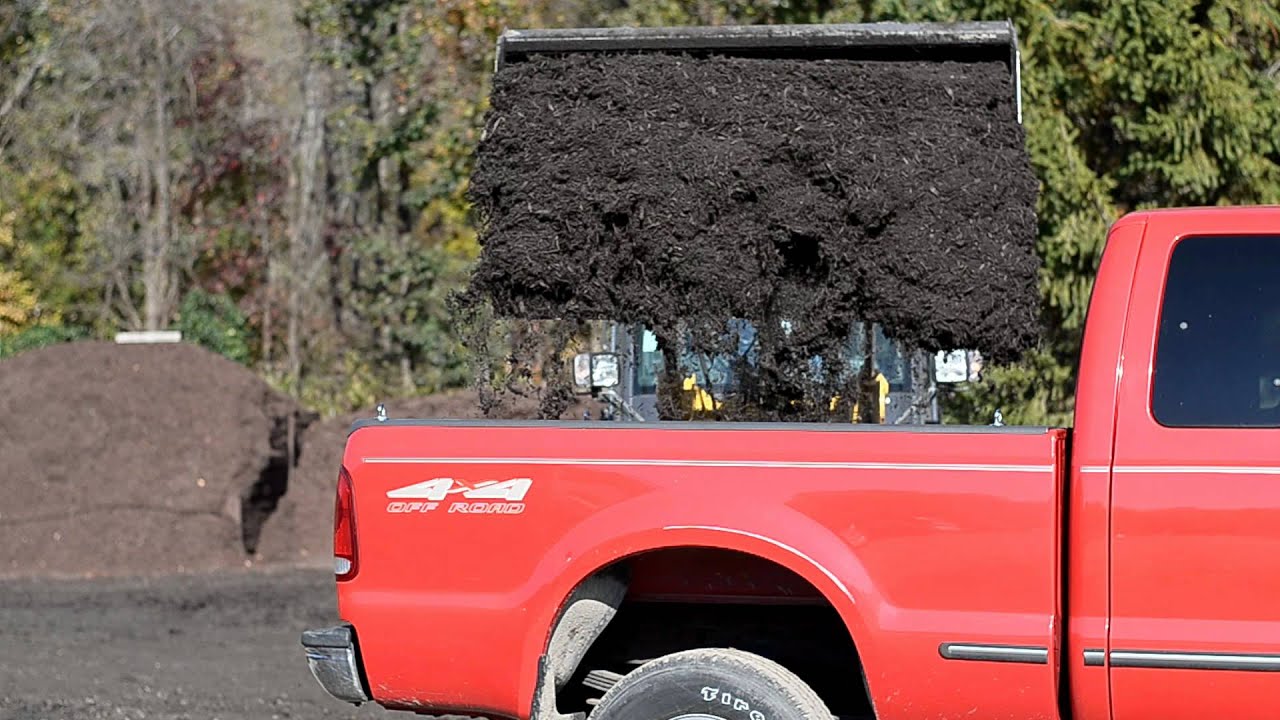
Image Source: i.ytimg.com
Deciphering Mulch Density and Its Impact
Mulch density is a key factor in determining its weight. Density refers to how much mass is packed into a given volume. Think of a fluffy pillow versus a dense brick – they occupy the same space but weigh very differently. The same principle applies to mulch.
Factors influencing mulch density include:
- Type of Wood: Different trees have different wood densities. Hardwoods are generally denser than softwoods.
- Particle Size: Smaller, finer mulch tends to pack more tightly than larger, chunkier pieces, increasing its density.
- Moisture Content: This is perhaps the most significant variable. Wet mulch is substantially heavier than dry mulch.
When you buy mulch, especially in bulk, it’s often sold by volume (cubic yards), but understanding its weight is essential for practical logistics.
How Much Does A Cubic Yard Of Mulch Weigh? A General Overview
To provide a clear answer to “How much does a cubic yard of mulch weigh?”, we need to consider the variables. However, a general range for dry, common mulches falls between 500 to 700 pounds per cubic yard. Once the mulch becomes wet, this weight can easily double.
This variability is why it’s important to research the specific type of mulch you intend to use.
Estimating Mulch Weight For Your Project
Estimating mulch weight is more than just a casual guess. It’s about precision for budgeting, delivery, and application. If you’re ordering a large quantity, knowing the weight can help you:
- Confirm Delivery Capacity: Ensure your truck or trailer can legally and safely transport the load.
- Budget Accurately: While often sold by volume, some suppliers might have weight-based delivery fees or minimums.
- Plan for Application: Heavier mulch might be harder to spread evenly.
Factors Influencing Mulch Weight
Let’s break down the primary elements that contribute to the weight of a cubic yard of mulch.
Moisture Content: The Heavy Hitter
Water is heavy. When mulch absorbs moisture from rain, dew, or even the natural humidity of the air, its weight increases significantly.
- Dry Mulch: This is typically mulch that has been processed and stored in dry conditions. It’s lighter and easier to handle.
- Wet Mulch: Mulch that has been exposed to rain or is freshly harvested can hold a substantial amount of water. This can add hundreds of pounds to a cubic yard.
Fathoming the Impact of Water: A cubic yard is a significant volume. Imagine filling a large wheelbarrow with dry mulch, then filling it again with the same mulch after it has been soaked. The difference in effort to push the wheelbarrow would be immediately noticeable.
Wood Type and Density
Different types of wood have inherent differences in their mulch density. This density is determined by the cellular structure and composition of the wood.
- Hardwoods: Woods from deciduous trees like oak or maple tend to be denser and thus heavier.
- Softwoods: Woods from coniferous trees like pine or cedar are generally less dense and lighter.
Particle Size and Processing
How mulch is processed also plays a role.
- Fine Mulch: Smaller, ground-up particles can pack more tightly, increasing density and weight.
- Coarse Mulch: Larger, shredded pieces of wood leave more air pockets, making the mulch less dense and lighter.
Specific Mulch Weight Comparisons
Different types of mulch have distinct weight characteristics. Knowing these can help you make informed choices for your garden.
Pine Bark Mulch Weight
Pine bark mulch weight is generally on the lighter side because pine is a softwood.
- Dry Pine Bark Mulch: A cubic yard of dry pine bark mulch typically weighs between 400 to 600 pounds.
- Wet Pine Bark Mulch: When saturated, this weight can climb to 700 to 900 pounds or more.
Pine bark is popular for its aesthetic appeal and its ability to retain moisture without becoming waterlogged. Its lighter weight makes it easier to spread.
Cedar Mulch Weight
Cedar mulch weight is also relatively light, similar to pine. Cedarwood is naturally resistant to decay and insects, making it a durable choice for landscaping.
- Dry Cedar Mulch: Expect a cubic yard of dry cedar mulch to weigh around 400 to 600 pounds.
- Wet Cedar Mulch: As with other mulches, moisture significantly increases the weight, potentially reaching 700 to 900 pounds per cubic yard when wet.
Cedar mulch has a distinctive aroma and its oils can deter pests. Its lighter weight is a significant advantage during application.
Other Common Mulch Types
- Hardwood Mulch: Made from various hardwoods, this mulch tends to be denser and heavier than pine or cedar. A cubic yard of dry hardwood mulch can weigh between 600 to 800 pounds. When wet, it can easily exceed 1,000 pounds.
- Cypress Mulch: Similar to cedar, cypress is a durable and lighter option. Its weight will be comparable to cedar and pine.
The Weight of Compost
While not strictly “mulch” in the wood-chip sense, compost is often used as a soil amendment and can be applied similarly. Understanding compost weight per cubic yard is also valuable for gardeners.
- Dry Compost: The weight can vary wildly depending on the organic materials used. However, dry, finished compost generally weighs between 600 to 900 pounds per cubic yard.
- Wet Compost: Wet compost can be extremely heavy, potentially reaching 1,200 pounds or more per cubic yard. This is because compost often contains finer particles and a greater capacity to absorb and retain water than wood-based mulches.
Soil Weight Per Cubic Yard
For comparison, let’s consider soil weight per cubic yard. This provides context for how heavy different landscaping materials are.
- Dry Topsoil: Approximately 1,200 to 1,600 pounds per cubic yard.
- Wet Topsoil: Can reach 1,800 to 2,200 pounds per cubic yard.
As you can see, even dry soil is significantly heavier than most dry mulches. This highlights the lightweight advantage of wood-based mulches for ease of handling.
Bulk Mulch Weight Versus Bagged Mulch Weight
The way mulch is sold directly impacts how we perceive its weight.
Bulk Mulch Weight
Purchasing mulch in bulk, typically by the cubic yard, is common for larger projects.
- Delivery Considerations: Suppliers often deliver bulk mulch in large trucks. They will have an idea of the weight capacity of their trucks and can often advise on how much a cubic yard of their specific mulch weighs.
- On-Site Measurement: If you are picking up bulk mulch, you might be able to have it weighed at a local landscape supply yard or even a truck scale if you’re dealing with very large quantities.
Mulch Bag Weight
Mulch sold in bags is usually measured in cubic feet, and the mulch bag weight can vary significantly. A common bag size is 2 cubic feet.
- Estimating Bag Weight: A 2 cubic foot bag of dry mulch might weigh between 15 to 30 pounds. If the mulch is wet, this could easily be 30 to 60 pounds per bag.
- Calculating Total Weight: If you need to cover an area and calculate the total weight of bagged mulch, you’ll need to:
- Calculate the total cubic feet needed (area x depth).
- Divide by the cubic feet per bag to find the number of bags.
- Multiply the number of bags by the estimated weight per bag.
This is where estimating mulch weight from bagged products can be less precise due to the wide variation in bag weights.
Practical Applications of Mulch Weight Knowledge
Why is knowing mulch weight so important? Let’s look at practical scenarios.
Landscape Design and Planning
When designing garden beds, knowing the weight helps with:
- Material Calculation: Ensuring you order enough mulch without excessive overage.
- Aesthetic Choices: Some heavier mulches compact more, changing their appearance over time.
- Budgeting Delivery: If delivery is per ton or has weight surcharges.
Delivery and Transportation
- Vehicle Capacity: If you’re loading mulch yourself, understanding the weight is critical for safety and avoiding damage to your vehicle.
- Trailer Load Limits: Exceeding trailer weight limits can lead to accidents and fines. A cubic yard of wet hardwood mulch could easily put a significant strain on a standard utility trailer.
Application and Spreading
- Ease of Handling: Lighter mulches are much easier to shovel, wheelbarrow, and spread by hand, especially for DIYers.
- Compaction: Heavy, wet mulch can compact more easily, potentially hindering water and air penetration to the soil beneath.
How to Measure Mulch Volume Accurately
To get accurate weight estimates, you first need accurate volume measurements.
Calculating Cubic Yards Needed
The formula for calculating the volume of mulch needed is:
Volume (cubic yards) = (Length of area x Width of area x Depth of mulch) / 27
- Length and Width: Measure in feet.
- Depth of Mulch: This is usually measured in inches. To convert inches to feet, divide by 12.
- Divide by 27: Because there are 27 cubic feet in 1 cubic yard (3 ft x 3 ft x 3 ft).
Example: You want to mulch a flower bed that is 10 feet long and 5 feet wide, with a desired mulch depth of 3 inches.
- Convert depth to feet: 3 inches / 12 inches/foot = 0.25 feet.
- Calculate volume in cubic feet: 10 ft x 5 ft x 0.25 ft = 12.5 cubic feet.
- Convert to cubic yards: 12.5 cubic feet / 27 cubic feet/cubic yard = 0.46 cubic yards.
For a project like this, you’d likely round up to 0.5 cubic yards or even 1 cubic yard if ordering bulk.
Estimating Weight from Volume
Once you have your cubic yardage, you can use average weight per cubic yard figures.
- For 0.5 cubic yards of dry pine bark mulch (average 500 lbs/yd³): 0.5 yd³ * 500 lbs/yd³ = 250 lbs.
- For 1 cubic yard of wet hardwood mulch (average 1000 lbs/yd³): 1 yd³ * 1000 lbs/yd³ = 1000 lbs.
Sourcing Reliable Mulch Weight Data
Where can you find reliable numbers for mulch weight per cubic yard?
- Local Landscape Suppliers: The best source is often your local landscape supply company. They deal with specific types of mulch daily and can provide accurate weight estimates for their products.
- Online Resources: Many university extension offices and horticultural websites offer data on soil and mulch properties.
- Product Packaging: While less common for bulk mulch, some bagged products might list approximate weights.
Considerations for Using Mulch Weight Data
When using these figures, remember they are averages.
Seasonal Variations
Mulch weight can fluctuate seasonally. Freshly chipped wood might have higher moisture content than wood that has been seasoned or stored under cover for a period.
Processing Methods
Different mulch producers use different drying or storage methods, which can influence the final moisture content and density of their products.
Can I Apply Mulch Based on Weight?
While mulch is typically sold and applied by volume, there are niche situations where weight might be considered. For instance, if you’re using specialized mulch that’s sold by weight or if your application method is highly controlled and requires precise material distribution. However, for most homeowners, volume is the practical unit of measure.
Who Can Benefit from Knowing Mulch Weight?
- DIY Gardeners: For planning and transporting smaller quantities.
- Professional Landscapers: For accurate project quoting, efficient material management, and safe transport.
- Municipalities and Public Works: For large-scale landscaping projects.
- Delivery Drivers and Suppliers: To manage loads and ensure safety.
Frequently Asked Questions (FAQ)
Here are some common questions related to mulch weight:
Q1: Does the color of mulch affect its weight?
A1: No, the color of the mulch itself (achieved through dyes) does not significantly affect its weight. The weight is determined by the wood type, particle size, and moisture content.
Q2: How much does a cubic foot of mulch weigh?
A2: A cubic foot of dry mulch generally weighs between 15 to 30 pounds. This will increase substantially if the mulch is wet.
Q3: Is it better to buy mulch by the bag or in bulk?
A3: For larger areas, buying in bulk is usually more cost-effective and environmentally friendly (less packaging). For very small projects, bags can be more convenient. Bulk mulch weight is a key factor for delivery planning.
Q4: My mulch looks dry, but it feels heavy. Why?
A4: Even “dry” mulch can retain some moisture. Also, denser types of mulch (like hardwood) will naturally weigh more than lighter types (like pine) even when both are equally dry.
Q5: How do I convert cubic feet of mulch to cubic yards?
A5: There are 27 cubic feet in 1 cubic yard. To convert cubic feet to cubic yards, divide the cubic footage by 27.
Q6: How much does a load of mulch weigh if I order a truckload?
A6: This depends entirely on the size of the truck and the type/moisture of the mulch. A typical landscape delivery truck might carry anywhere from 5 to 15 cubic yards. A 10-cubic yard load of average dry mulch could weigh 5,000 to 7,000 pounds, and a load of wet hardwood mulch could easily weigh 10,000 pounds or more. Always confirm with your supplier.
By carefully considering the mulch weight, the type of material, and the conditions, you can approach your landscaping projects with greater confidence and efficiency. Whether you’re dealing with pine bark mulch weight, cedar mulch weight, or the substantial compost weight per cubic yard, this knowledge is an invaluable tool for any gardener or landscaper.