
How many worms per square foot of garden is ideal? For most gardens, a healthy worm population ranges from 50 to 200 earthworms per square foot. This number can vary based on soil type, available food, and environmental conditions.
Earthworms are the unsung heroes of our gardens. They are nature’s tiny tillers, constantly working to improve soil structure, nutrient availability, and overall plant health. But how many of these valuable creatures should you have working your soil? This guide will delve into the fascinating world of worm population density and help you determine the right number for your garden.
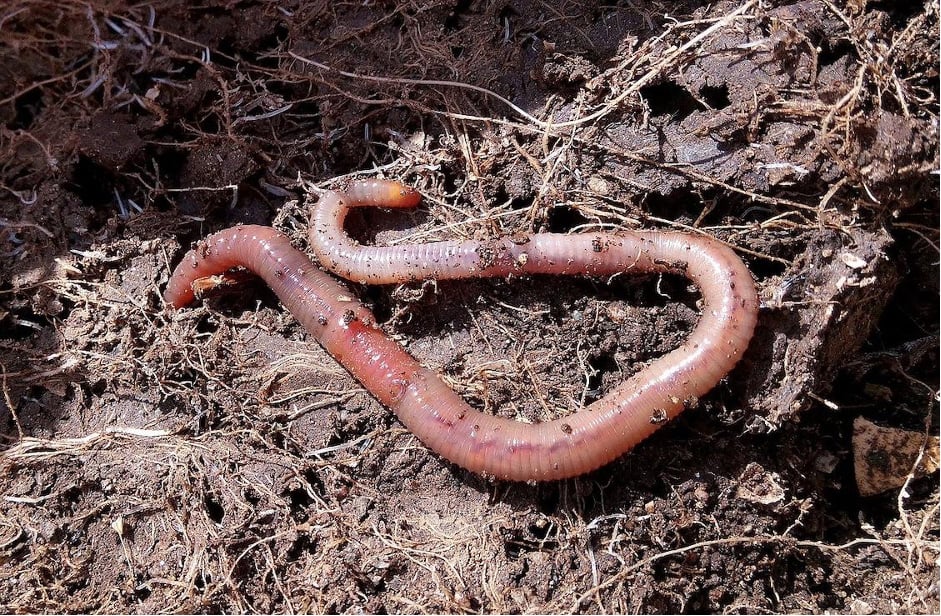
Image Source: unclejimswormfarm.com
Why Worms Matter for Your Garden
Earthworms do more than just tunnel through the soil. Their tireless work brings a wealth of benefits that directly impact the success of your gardening efforts.
Soil Aeration and Drainage
As earthworms move through the soil, they create channels and pores. These pathways allow air and water to penetrate deeper into the soil profile. This improved aeration is crucial for root growth, preventing compaction, and reducing the risk of waterlogging. Better drainage means less chance of root rot and a healthier environment for beneficial soil microbes.
Nutrient Cycling and Fertilization
The castings (worm poop) are a goldmine of nutrients. Worm castings are rich in nitrogen, phosphorus, potassium, and micronutrients that plants readily absorb. They are also packed with beneficial microbes that further enhance nutrient availability. As worms consume organic matter, they break it down into a form that plants can easily use, acting as a natural fertilizer.
Organic Matter Breakdown
Earthworms are essential decomposers. They consume fallen leaves, dead plant material, and other organic debris, breaking it down into smaller pieces. This process speeds up decomposition, returning vital nutrients to the soil and preventing the accumulation of excessive undecomposed organic matter.
Soil Structure Improvement
The constant movement and excretion of worm castings help to bind soil particles together. This creates a crumbly soil structure, often referred to as “granular aggregation.” This structure is ideal for plant roots, offering good anchorage and access to air and water.
Deciphering Worm Population Density: What’s the Goal?
When we talk about worm population density, we’re referring to the number of earthworms present in a specific area of soil, usually measured per square foot or square meter. A healthy and productive garden typically supports a good number of these beneficial invertebrates.
The Ideal Worm Count for Soil
While a specific number can fluctuate, an ideal worm count for soil generally falls within the range of 50 to 200 earthworms per square foot. This density indicates a thriving ecosystem where sufficient organic matter is available to support a robust worm population, and in turn, the worms are effectively contributing to soil improvement.
- Low Density (Below 50 worms/sq ft): This might suggest a lack of food sources, poor soil conditions (e.g., overly compacted, acidic, or lacking organic matter), or the presence of environmental stressors like pesticides.
- Moderate Density (50-100 worms/sq ft): This is a good sign of a developing or healthy soil ecosystem.
- High Density (100-200 worms/sq ft): This indicates a very healthy, rich soil environment with ample food and suitable conditions for earthworm reproduction and survival.
- Very High Density (Above 200 worms/sq ft): While seemingly great, extremely high numbers might sometimes indicate an imbalance or an overwhelming influx of organic matter that the worms are rapidly processing.
Factors Affecting Worm Population
Several elements influence the number of worms you’ll find in your garden. These factors affecting worm population are interconnected and create a delicate balance.
- Food Availability: Earthworms feed on decaying organic matter – leaves, grass clippings, food scraps, and manure. The more readily available and nutritious this organic matter, the more worms your soil can support.
- Soil Moisture: Worms need moist soil to breathe and move. They can suffocate in waterlogged soil or dry out in arid conditions.
- Soil Temperature: Earthworms are cold-blooded and are most active within a specific temperature range, typically between 50°F and 80°F (10°C and 27°C). Extreme temperatures can drive them deeper into the soil or into a dormant state.
- Soil pH: Most earthworms prefer a slightly acidic to neutral pH (around 6.0 to 7.0). Highly acidic or alkaline soils can be detrimental to their survival.
- Soil Structure and Aeration: Worms thrive in loose, well-aerated soil. Compacted or dense soils make it difficult for them to move, breathe, and burrow.
- Presence of Toxins: Pesticides, herbicides, and heavy metals can harm or kill earthworms. A garden treated with these chemicals will likely have a reduced worm population.
- Predators: Birds, moles, shrews, and some insects prey on earthworms, which can influence local populations.
- Type of Worms: Different species of earthworms have different habitat preferences and population densities. For example, composting worms per sq ft in a well-managed vermicompost bin can be significantly higher than in a typical garden bed.
How to Estimate Garden Worms: Your Practical Guide
How to estimate garden worms isn’t an exact science, but you can get a good idea of your garden’s worm population with a simple test.
The Simple Worm Count Method
- Choose a Representative Spot: Select an area in your garden that seems typical of the overall conditions – not too dry, not too wet, and with some visible organic matter.
- Prepare Your Tools: You’ll need a shovel, a tarp or plastic sheet (about 2-3 feet square), and a way to measure.
- Excavate a Test Pit: Carefully dig a cubic foot of soil. This means digging down about 12 inches (30 cm) and creating a pit that is approximately 1 foot by 1 foot (30 cm x 30 cm). Try to be as thorough as possible.
- Sift and Count: Place the excavated soil onto your tarp or plastic sheet. Gently break apart the soil clumps and look for earthworms. Count every worm you find.
- Record Your Findings: Note the number of worms you found in that cubic foot.
- Repeat (Optional but Recommended): For a more accurate average, repeat this process in two or three other representative spots in your garden and average the results.
Example: If you dig one cubic foot and find 75 worms, that’s a good starting point. If you test another spot and find 90 worms, and a third spot yields 85 worms, your average is (75 + 90 + 85) / 3 = 83 worms per cubic foot, or 83 worms per square foot (assuming your digging was roughly a square foot).
Interpreting Your Worm Density Results
Once you have your estimated worm population density, you can gauge the health of your soil.
- Low Count: If you find fewer than 50 worms per square foot, it’s a sign that your soil might need some improvement. Focus on adding organic matter, improving drainage, and avoiding harmful chemicals.
- Good Count: Finding between 50 and 200 worms per square foot indicates a healthy, balanced soil ecosystem. Continue with practices that support earthworm life.
- High Count: If you’re consistently finding over 200 worms per square foot, your soil is likely very rich and biologically active. This is excellent for plant growth!
Worm Population in Raised Beds: A Different Ecosystem
Worm population in raised beds can often be higher than in traditional in-ground gardens. Raised beds offer several advantages that foster a thriving worm community.
Why Raised Beds Foster Worms
- Controlled Environment: You have more control over the soil composition in a raised bed. You can mix in ample compost and organic matter from the start, providing an immediate food source.
- Better Drainage: Raised beds generally drain better, preventing the soil from becoming waterlogged, which can be harmful to worms.
- Warmer Soil: Soil in raised beds tends to warm up faster in the spring, extending the active season for earthworms.
- Reduced Compaction: You’re less likely to walk on and compact the soil in a raised bed, maintaining the loose structure worms prefer.
Estimating Worms in Raised Beds
The same how to estimate garden worms method applies to raised beds. However, be mindful of the specific soil mix you used. If you’ve heavily amended your raised bed with compost and manure, you might naturally expect a higher worm population density than in less-amended ground soil.
A target of 100-300 worms per square foot could be considered excellent for a well-managed raised bed, especially if it’s a few years old and has been regularly fed with organic materials.
Composting Worms Per Sq Ft: A Vermicomposting Perspective
While we’ve been discussing earthworms in garden soil, it’s worth noting the distinction with composting worms per sq ft. Composting worms, like Red Wigglers (Eisenia fetida), are specifically adapted for breaking down organic waste in a contained environment, such as a worm bin.
In a well-managed worm bin, the worm population density can be incredibly high, often exceeding thousands of worms per cubic foot. This is because the environment is optimized for them: a constant supply of food, ideal moisture, and temperature control.
- Starting Out: When you first start a worm bin, you might add a pound of worms, which could be thousands of individuals.
- Reproduction: Composting worms reproduce rapidly under ideal conditions. A single worm can lay several egg cocoons per week, and each cocoon can hatch multiple baby worms.
- Bin Capacity: A worm bin’s capacity is determined by how quickly the worms can process the organic material you provide. Overcrowding can lead to a slowdown in processing and potential issues.
While you won’t typically aim for such extreme densities in your garden beds, the principles of providing food, moisture, and good conditions learned from vermicomposting are directly applicable to encouraging a healthy worm population in your soil.
Cultivating a Thriving Worm Population: Practical Steps
Knowing your garden worm density guide is the first step. The next is actively promoting a healthy worm population.
Feeding Your Worms: The Key to a Higher Population
The most effective way to increase your worm population density is to provide a consistent and diverse food source.
- Add Compost: Regularly top-dress your garden beds with finished compost. This is a prime food source for earthworms.
- Incorporate Organic Matter: Till in shredded leaves, grass clippings (in moderation), straw, and aged manure into the top few inches of your soil.
- Avoid Disturbing Their Habitat: Minimize deep tilling or excessive digging, which can disrupt worm burrows and habitats. A no-till or minimal-till approach is often beneficial.
- Cover Cropping: Planting cover crops like clover, vetch, or rye and then lightly incorporating them into the soil before planting your main crops provides excellent food for worms.
Optimizing Soil Conditions for Worms
- Maintain Moisture: Keep your soil consistently moist but not waterlogged. Mulching helps retain soil moisture.
- Balance pH: Test your soil’s pH and amend it if necessary. Adding lime can help if your soil is too acidic.
- Improve Aeration: If your soil is compacted, consider adding compost, using broadforks, or planting cover crops to break up the density.
What to Avoid
- Chemical Pesticides and Herbicides: These are toxic to earthworms. Opt for organic pest control methods whenever possible.
- Excessive Salt: Salty conditions can dehydrate and kill worms.
- Heavy Metals: Contaminated soil can be toxic.
The Role of Worms in Soil Health
The soil health worm population is a strong indicator of how well your soil is functioning. A robust worm population signifies a soil that is:
- Rich in Organic Matter: Worms are drawn to and thrive in soils with ample decaying plant and animal material.
- Well-Aerated and Drained: The tunnels created by worms improve air and water movement.
- Nutrient-Rich: Worm castings are a potent natural fertilizer.
- Structured: Worm activity contributes to the formation of healthy soil aggregates.
Observing Worm Activity in Garden
Beyond counting, you can observe signs of worm activity in garden beds:
- Castings: Look for small piles of dark, granular soil – these are worm castings, a sure sign of their presence and work.
- Burrows: You might see small holes or tunnels near the soil surface, especially after a rain.
- Worms Visible: Occasionally, especially after rain or when you turn the soil, you might see worms on the surface.
Frequently Asked Questions (FAQ)
Q1: Can I add earthworms to my garden?
A1: Yes, you can introduce earthworms, especially if your garden soil is currently lacking a significant population. Native earthworms are best, but hardy species like Red Wigglers can also survive and reproduce in suitable garden conditions if introduced carefully.
Q2: How do I know if my garden has enough worms?
A2: A simple way to gauge this is by performing a basic worm count in a cubic foot of soil. Aim for a range of 50-200 worms per square foot as a healthy indicator.
Q3: What should I do if I find very few worms?
A3: If you find very few worms, it suggests your soil needs improvement. Focus on adding organic matter like compost, ensuring adequate moisture, improving soil aeration, and avoiding chemical pesticides.
Q4: Are earthworms harmful to my plants?
A4: No, earthworms are incredibly beneficial to plants. They improve soil structure, aeration, drainage, and nutrient availability through their castings. They do not eat live plant roots.
Q5: What is the difference between garden earthworms and composting worms?
A5: Garden earthworms are typically larger and live deeper in the soil, while composting worms (like Red Wigglers) are smaller, live closer to the surface, and are specialized for breaking down organic matter in a controlled environment like a worm bin. Both contribute to soil health, but in different ways and densities.
Q6: How does mulching affect worm population density?
A6: Mulching is beneficial for worms. It helps maintain consistent soil moisture, moderates soil temperature, and provides a layer of organic matter (the mulch itself) that worms can consume as it breaks down, thus supporting a higher worm population density.
Q7: Can worms survive in clay soil?
A7: Worms can survive in clay soil, but they prefer well-aerated soil. If clay soil is compacted and lacks organic matter, worm populations will likely be low. Improving clay soil with compost will make it more hospitable for earthworms.
By paying attention to your soil’s inhabitants, you gain invaluable insights into its overall health. A thriving worm population is a testament to good gardening practices and a fertile foundation for your plants. Continue to nurture your soil, and your tiny, tireless workers will reward you with bountiful harvests.