
A yard of fabric yields four fat quarters. This straightforward conversion is a cornerstone of fabric purchasing for quilting, providing a consistent and manageable unit for projects.
For quilters, the question of how many fat quarters are in a yard of fabric is fundamental. It impacts everything from initial fabric purchasing for quilting to planning complex designs. Knowing this conversion rate ensures you buy the right amount of material without overspending or running short. Let’s dive deep into the world of quilting fabric yardage and the versatile fat quarter.
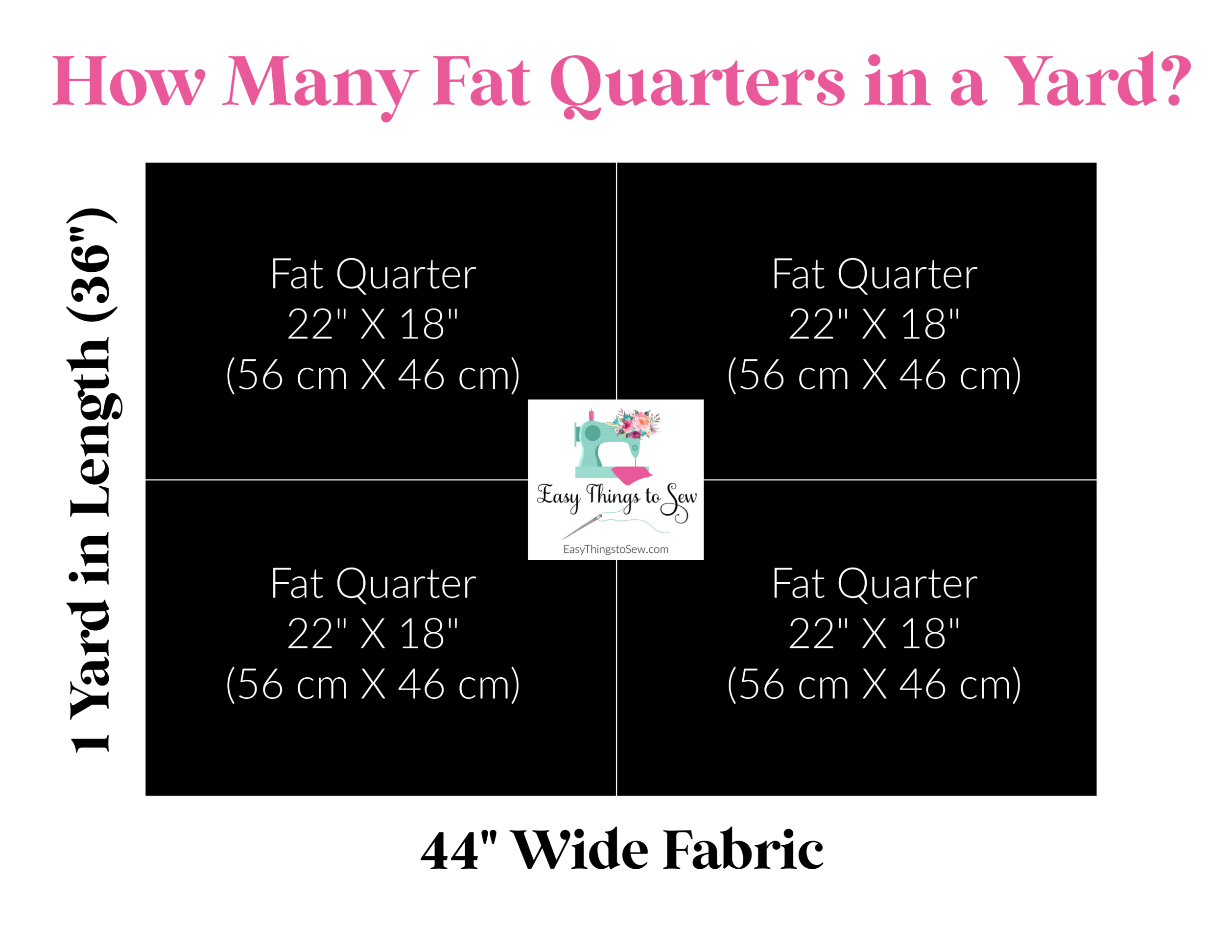
Image Source: easythingstosew.com
Deciphering the Fat Quarter
The term “fat quarter” refers to a specific cut of fabric, distinct from the traditional “long quarter.” This difference in how the fabric is sliced significantly affects its usability, particularly for quilters who often work with smaller, precise pieces.
Standard Fat Quarter Dimensions
A standard fat quarter is cut from a yard of fabric (which is 36 inches long) in a way that creates a piece with a wider width than a traditional long quarter.
- Traditional Long Quarter: A long quarter is cut by taking a yard of fabric (typically 42-45 inches wide) and cutting it in half lengthwise. This results in a piece that is 36 inches long by approximately 21-22.5 inches wide.
- Fat Quarter: A fat quarter is created by taking a yard of fabric (again, usually 42-45 inches wide) and cutting it in half widthwise first, and then cutting that half piece in half lengthwise. This results in a piece that is approximately 18 inches long by 22-24 inches wide (depending on the original bolt width).
The key difference is the width: a fat quarter offers a wider, more usable piece of fabric compared to the long, narrow strip of a traditional long quarter. This makes fat quarters ideal for projects that require larger pieces or more intricate cutting.
The Math Behind the Yard to Fat Quarter Conversion
Let’s break down how a yard of fabric translates into fat quarters.
-
Start with a Yard: A yard of fabric is 36 inches long. The width of the fabric varies depending on the manufacturer and type of fabric, but for quilting cotton, it’s typically between 42 and 45 inches. We’ll use 42 inches for our primary calculation, as it’s a common minimum width.
-
First Cut (Widthwise): You cut the yard of fabric in half across its width.
- If the fabric is 42 inches wide, this cut creates two pieces, each 36 inches long and 21 inches wide.
-
Second Cut (Lengthwise): You then take each of these 36-inch by 21-inch pieces and cut them in half lengthwise.
- Cutting the 36-inch length in half creates two pieces, each 18 inches long.
- The width remains 21 inches.
-
The Result: This process yields four pieces, each measuring approximately 18 inches by 21 inches. These are your four fat quarters from one yard of fabric.
Table: Yard to Fat Quarter Conversion
| Starting Unit | Calculation Steps | Resulting Pieces | Quantity |
|---|---|---|---|
| 1 Yard of Fabric | 36 inches long x 42 inches wide | ||
| Cut in half widthwise (42″ / 2 = 21″) | Two pieces: 36″ x 21″ | ||
| Cut each piece in half lengthwise (36″ / 2 = 18″) | Four pieces: 18″ x 21″ | 4 |
Note: Fabric widths can vary. If your fabric is 45 inches wide, your fat quarters will be approximately 18 inches by 22.5 inches.
Why Fat Quarters are So Popular in Quilting
The popularity of fat quarters stems from their versatility and ease of use, especially when fabric purchasing for quilting. They provide a consistent size that makes planning and cutting much simpler.
Benefits of Using Fat Quarters
- Wider Pieces: Compared to a traditional long quarter, the wider cut of a fat quarter offers more flexibility for cutting various shapes and sizes needed in quilting patterns. You can often get larger blocks or more pieces from a single fat quarter.
- Ease of Collection: Fat quarters are often sold in pre-cut bundles by fabric manufacturers. These “fat quarter bundles” are a fantastic way for quilters to collect a wide range of fabrics and colors without having to buy a full yard of each. They are perfect for scrappy quilts or when a pattern calls for many different prints.
- Reduced Waste: For many projects, cutting a fat quarter is more efficient than cutting from a larger piece of fabric, leading to less waste. You use exactly what you need for smaller blocks or sashing.
- Stash Building: They are an economical way to build a fabric stash. Buying individual fat quarters is less of an investment than buying full yards of many different prints.
When to Choose Fat Quarters Over Yardage
- Small Projects: For items like baby quilts, placemats, coasters, or zippered pouches, fat quarters are often sufficient.
- Scrappy Quilts: If your design plan involves a multitude of small, distinct prints, fat quarters are the ideal choice for fabric purchasing for quilting.
- Sampler Quilts: When each block requires a different fabric, fat quarters allow you to curate a diverse collection.
- Testing Designs: If you’re trying out a new pattern or color combination, buying fat quarters is a lower-risk way to experiment.
How to Cut Fat Quarters Yourself
While buying pre-cut fat quarters is convenient, knowing how to cut them yourself from a yard of fabric is a valuable skill. This is especially useful if you have yardage you love and want to convert it into fat quarters for your stash or a specific project.
Step-by-Step Guide
- Prepare Your Fabric: Ensure your fabric is pressed and free of major wrinkles. Lay it flat on a cutting mat.
- Measure and Mark: Measure 36 inches along the selvedge edge (the finished edge of the fabric that comes off the bolt). Make a cut perpendicular to the selvedge at this 36-inch mark. You now have one yard of fabric.
- The First Cut: Lay the one-yard piece flat. Fold the fabric in half lengthwise, bringing the two selvedge edges together. Ensure the fold is crisp and the fabric lies flat.
- The Second Cut: Measure across the folded fabric. If your fabric is 42 inches wide, the folded width will be 21 inches. Cut the fabric precisely in half down the folded edge, from one selvedge to the other.
- Result: You will now have four pieces of fabric, each measuring approximately 18 inches by 21 inches (or 18 inches by 22.5 inches if your fabric was 45 inches wide). These are your fat quarters.
Pro Tip: When cutting, always use a rotary cutter, a self-healing cutting mat, and a quilting ruler for accuracy. These tools are essential for precise quilting fabric calculations.
Fabric Purchasing for Quilting: Beyond the Yard
When you’re planning your quilting fabric needs, it’s not just about the total yardage. The way the fabric is cut and sold plays a significant role.
Understanding Quilting Fabric Yardage
Quilting fabric is typically sold by the yard off a bolt. This means you can buy any length you need, usually in increments of a quarter yard (9 inches).
- 1 Yard = 36 inches
- 1/2 Yard = 18 inches
- 1/4 Yard = 9 inches
When you buy a “long quarter,” you are buying a piece that is 9 inches from the end of the bolt along the length, meaning it’s 9 inches by the full width of the bolt (e.g., 9″ x 42″).
Fat Quarter Bundles: A Quilter’s Delight
Fat quarter bundles are a popular way to acquire a curated selection of fabrics. They typically contain anywhere from 18 to 40+ fat quarters, all pre-cut and often coordinated by a fabric designer or manufacturer.
- Convenience: They save you the time and effort of cutting your own fat quarters.
- Variety: They offer a quick way to get a diverse palette of fabrics for a project.
- Inspiration: Bundles can often inspire new quilt designs based on the color and print combinations included.
If a pattern calls for, say, 10 different fat quarters, and you have a bundle with 20, you can simply select the 10 you like best.
Fabric Conversion Chart for Quilters
To help with your fabric purchasing for quilting, a quick reference chart is invaluable. This chart helps translate common project needs into yardage or fat quarter requirements.
Table: Common Fabric Conversions
| Unit | Dimensions (Approximate) | How it’s Cut from Yardage | Notes for Quilting |
|---|---|---|---|
| Yard | 36″ x Width | Full length | Standard unit for bulk purchase. |
| Half Yard | 18″ x Width | Lengthwise cut in half | Useful for larger pieces or projects needing longer strips. |
| Quarter Yard | 9″ x Width | Lengthwise cut in quarters | Often called a “long quarter.” Good for smaller pieces or binding. |
| Fat Quarter | 18″ x Half Width | Widthwise, then lengthwise | More versatile than a long quarter for blocks and varied shapes. |
| Fat Eighth | 9″ x Half Width | Cut from a fat quarter | Smaller, good for very small pieces, applique, or detailed work. |
Quilting Fabric Calculations Made Easy
Let’s look at some common quilting fabric calculations:
- How many fat quarters in 2 yards?
- 2 yards = 2 x 4 fat quarters = 8 fat quarters.
- How many fat quarters in 1.5 yards?
- 1.5 yards = 1 yard + 0.5 yards
- 1 yard = 4 fat quarters
- 0.5 yards (half yard) = 2 fat quarters (a half yard is 18″ x width, which is equivalent to two fat quarters side-by-side along the width)
- So, 1.5 yards = 4 + 2 = 6 fat quarters.
- How much yardage do I need for 20 fat quarters?
- 20 fat quarters / 4 fat quarters per yard = 5 yards.
A useful visual for the half yard conversion: A half yard is 18 inches long. If you cut this in half widthwise, you get two pieces that are 18 inches by half the fabric width. These are effectively two fat quarters.
Maximizing Your Fabric Use
Efficient fabric purchasing for quilting and smart cutting are key to a successful sewing experience.
Tips for Efficient Cutting
- Read Your Pattern: Always check the fabric requirements in your pattern. It will specify yardage or sometimes even fat quarter amounts.
- Pre-Wash Your Fabric: Washing and drying fabric before cutting can prevent shrinkage and color bleeding later. This also helps you get a more accurate measurement of your fabric’s final dimensions.
- Use a Starch Alternative: For crispness and easier handling, consider using a fabric starch alternative before cutting.
- Chain Piecing: For small units, chain piecing (sewing multiple pieces together without cutting the threads in between) can save time and fabric.
- Strategic Cutting: Plan your cuts from your fat quarters or yardage to minimize waste. For instance, if you need multiple smaller squares, cut them from the same section of the fabric if possible.
When Yardage is Better Than Fat Quarters
While fat quarters are wonderful, there are times when buying by the yard is more economical or practical:
- Binding: Binding typically requires long strips of fabric. A full yard of fabric will give you more consistent strips for binding a quilt than trying to piece together binding from many different fat quarters.
- Large Blocks: If your quilt blocks are very large, or if a pattern calls for a single large piece of fabric for a background or border, you’ll need to buy yardage.
- Continuous Bias Binding: For curved edges or specific design elements, bias tape is needed. Buying yardage and cutting on the bias is often necessary.
- Fabric Width: Some fabrics, like wide backings, are sold in wider widths (90″ or 108″). These are specifically for quilt backs and are not cut into fat quarters.
Frequently Asked Questions (FAQ)
Q: Can I get four fat quarters from any yard of fabric?
A: Yes, as long as you cut it correctly from a standard yard (36 inches) of fabric. The width of the resulting fat quarters will vary slightly depending on the original bolt width (e.g., 42″ vs. 45″).
Q: What is the difference between a fat quarter and a long quarter?
A: A fat quarter is approximately 18 inches by the half-width of the fabric (e.g., 18″ x 21″ or 18″ x 22.5″). A long quarter is 9 inches by the full width of the fabric (e.g., 9″ x 42″ or 9″ x 45″). Fat quarters are wider and generally more versatile for cutting quilt pieces.
Q: If I buy a half yard of fabric, how many fat quarters does that make?
A: A half yard (18 inches long) can be cut into two fat quarters if you cut it in half widthwise.
Q: What are quilting fabric calculations?
A: These are the methods used to determine how much fabric you need for a project, often involving converting between different units like yards, fat quarters, and specific cut sizes for blocks or pieces.
Q: Is it cheaper to buy fat quarters or yardage?
A: Generally, buying fabric by the yard is more economical per square inch than buying pre-cut fat quarters. However, fat quarters are convenient for variety and small projects, and sometimes bundles offer better value for collecting many prints.
Q: How do I cut fabric for quilting efficiently?
A: Use sharp rotary cutters, self-healing mats, and quilting rulers. Plan your cuts to minimize waste, and consider pre-washing and starching your fabric for easier handling.
In conclusion, the simple fact that a yard of fabric yields four fat quarters is a fundamental piece of knowledge for anyone venturing into quilting. It empowers quilters to make informed decisions about fabric purchasing for quilting, build beautiful stashes with fat quarter bundles, and efficiently manage their materials for countless creative projects.