
How long should you water a new lawn? For newly seeded lawns, aim for short, frequent watering sessions multiple times a day, keeping the top inch of soil consistently moist. For sod, water until the soil beneath is damp, usually for about 20-30 minutes.
Establishing a new lawn is an exciting project, but proper watering is crucial for success. Whether you’ve sown grass seed or laid down sod, giving your new turf the right hydration from day one sets the stage for a healthy, vibrant carpet of green. Many homeowners wonder about the specifics: how often to water seed, the best time to water new grass, and how long to water newly planted grass to ensure good root development. This guide will walk you through the watering essentials for new lawn success, covering everything from initial moisture levels to transitioning to a more mature watering schedule.
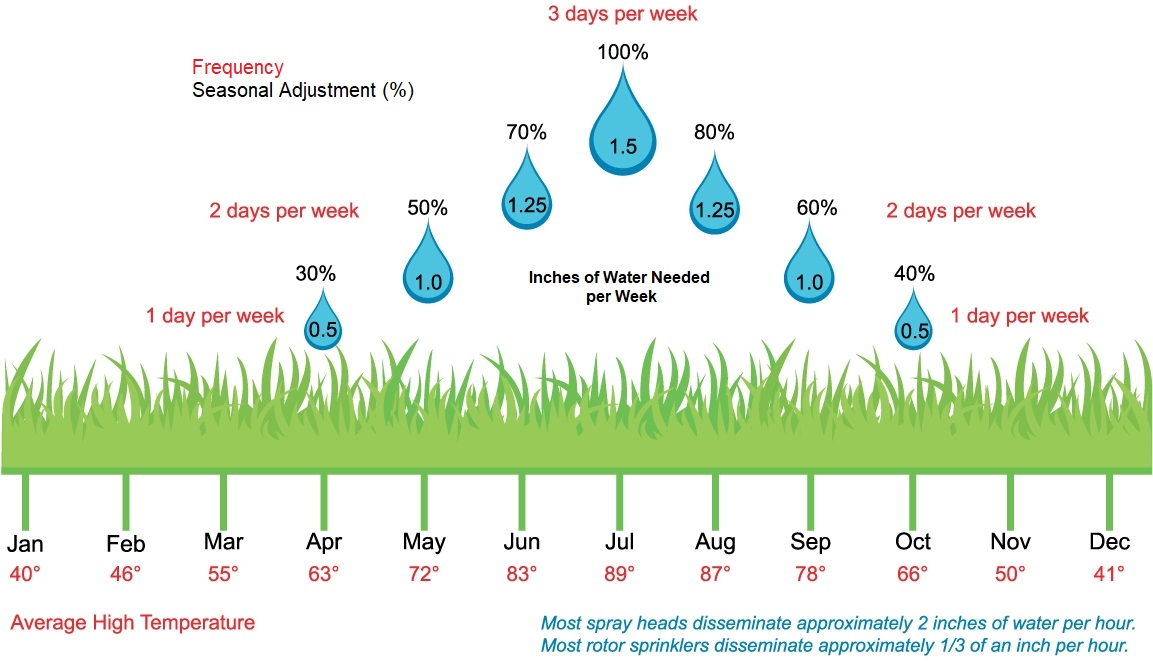
Image Source: greeleygov.com
Fathoming the Needs of Young Grass
Your new lawn, whether from seed or sod, is vulnerable. Its root system is shallow and not yet established, making it highly dependent on consistent moisture. Unlike mature grass that can draw water from deeper in the soil, young grass needs the water to be readily available near the surface. This is why a different approach to watering is necessary during the establishment phase.
Grass Seed Germination Time: What to Expect
Before we dive into watering, it’s helpful to know what to expect with grass seed germination time. This varies greatly depending on the type of grass seed you’ve used. Some cool-season grasses, like ryegrass, can germinate in as little as 5-7 days. Others, such as certain fescues or bluegrasses, might take 14-21 days or even longer. Warm-season grasses typically germinate more slowly, often taking 10-20 days. Throughout this period, the soil must remain consistently moist for the seeds to sprout and begin growing.
Watering Schedule for Sod: Immediate Hydration
When you lay sod, you’re essentially transplanting mature grass. The goal with watering schedule for sod is to help those roots establish quickly and prevent the sod from drying out.
Initial Watering of New Sod
Immediately after laying sod, it’s vital to water it thoroughly. The objective is to moisten the soil underneath the sod, not just the sod itself.
- Duration: For most sod types, water for about 20-30 minutes. You want to see water penetrating the existing soil beneath the sod, typically to a depth of 4-6 inches.
- Observation: Lift a corner of the sod to check moisture levels. If the soil beneath is dry, continue watering.
- Frequency: For the first 1-2 weeks, water daily or even twice a day, especially in hot or windy weather. The sod should feel moist to the touch, and the soil beneath should be damp.
Establishing a New Lawn with Sod
Once the roots begin to anchor into the underlying soil, you can gradually adjust your watering.
- Week 2-3: Reduce watering to once a day, but increase the duration slightly if needed, continuing to check for soil moisture.
- Week 4 onwards: Begin to taper off watering frequency, allowing the soil surface to dry slightly between watering. This encourages deeper root growth. Aim for 2-3 times per week, watering deeply.
How Often to Water Seed: The Delicate Balance
Watering newly seeded areas requires a different approach than sod. The primary goal is to keep the seedbed consistently moist, preventing the tiny seeds from drying out before they can sprout. This often means very frequent, light watering.
The First Few Days After Seeding
The immediate period after sowing seed is critical for germination.
- Goal: Keep the top 1/2 inch of soil constantly moist. Think of it like a damp sponge.
- Frequency: You will likely need to water 2-3 times a day, or even more in very hot or windy conditions.
- Duration: Each watering session should be short, just enough to dampen the surface without causing runoff or washing the seed away. A fine mist is ideal.
Maintaining Moisture for Germination
As grass seed germination time approaches and seeds begin to sprout, the need for consistent moisture intensifies.
- Observation: Look for tiny green sprouts emerging. This is when the grass is most vulnerable to drying out.
- Continued Frequency: Continue with frequent, light watering. You don’t want to drown the seedlings, but they absolutely cannot be allowed to dry out.
Transitioning from Seed to Seedling
Once your grass has emerged and is a couple of inches tall, you can start to adjust your watering.
- Reduced Frequency: Begin reducing the watering frequency to once or twice a day, but still keep the watering sessions relatively short and focused on surface moisture.
- Gradual Deepening: As the grass grows taller, you can slowly increase the duration of your watering sessions and decrease the frequency. This encourages roots to grow deeper in search of moisture.
The Best Time to Water New Grass: Maximizing Absorption
The time of day you water your new lawn can significantly impact its health and your watering efficiency.
Morning Watering: The Ideal Choice
The best time to water new grass is typically in the early morning, between 4 AM and 10 AM.
- Why Morning is Best:
- Reduced Evaporation: Temperatures are cooler, and there’s less wind, meaning more water actually reaches the soil and roots.
- Fungal Disease Prevention: Grass has the entire day to dry off, reducing the risk of fungal diseases that thrive in prolonged dampness.
- Root Stimulation: The cool moisture encourages roots to grow downwards in anticipation of the day’s heat.
Avoiding Midday and Evening Watering
- Midday: Watering in the heat of the day leads to significant water loss through evaporation. Much of the water may not even reach the soil.
- Evening: Watering too late in the evening leaves the grass blades wet overnight. This creates a perfect environment for fungal diseases to take hold, which can damage or kill your new grass.
Deep Watering New Lawn: Encouraging Strong Roots
While new lawns need frequent watering initially, the ultimate goal is to develop a deep, robust root system. This is achieved through deep watering new lawn practices as the grass matures.
The Principle of Deep Watering
Deep watering involves applying enough water to penetrate the soil to a significant depth. For established lawns, this is typically 4-6 inches. For new lawns, you’re working towards this goal.
- How it Works: When you water deeply and less frequently, the grass roots are encouraged to grow downwards, seeking out the moisture. If you only water lightly and often, the roots will stay shallow, making the grass more susceptible to drought stress.
- Transitioning: As your new grass grows and establishes, gradually increase watering times and decrease frequency. Aim to water until the soil is moist to a depth of 4 inches.
Signs Your Grass Needs Deeper Watering
- Wilting: If the grass blades start to look dull or bluish-gray, it’s a sign of thirst.
- Footprints: If footprints remain visible in the grass long after you’ve walked on it, the blades are losing their springiness due to lack of moisture.
Frequency of Watering New Lawn: Adapting to Conditions
The frequency of watering new lawn is not a fixed rule. It depends heavily on several environmental factors and the type of grass you have.
Key Factors Influencing Watering Frequency
- Temperature: Higher temperatures mean faster evaporation and a greater need for watering.
- Wind: Windy conditions also increase evaporation rates, requiring more frequent watering.
- Soil Type: Sandy soils drain quickly and need more frequent watering than clay soils, which retain moisture longer.
- Sun Exposure: Areas that receive full sun will dry out faster than shaded areas.
- Type of Grass: Some grass varieties are more drought-tolerant than others.
General Guidelines for Frequency
- Seeded Areas (First 1-3 Weeks): 2-3 times per day, light misting.
- Sod (First 1-2 Weeks): 1-2 times per day, deeper watering.
- Emerging Seedlings (Weeks 3-5): Once a day, gradually increasing duration and decreasing frequency.
- Established Young Lawn (After 5-6 Weeks): 2-3 times per week, watering deeply.
Watering Essentials for New Lawn: What You Need
Having the right tools and a good plan is key to successful watering essentials for new lawn care.
Irrigation Methods
- Sprinklers:
- Oscillating Sprinklers: Good for covering rectangular areas. Ensure even coverage by overlapping their spray patterns.
- Rotary Sprinklers: Better for larger areas, as they spray water further. Adjust them to avoid watering sidewalks or driveways.
- Soaker Hoses: Excellent for newly seeded areas, as they deliver water directly to the soil surface with minimal runoff and evaporation. They are ideal for smaller, irregular shapes.
- Hose and Wand: For very small areas or touch-ups, a hose with a watering wand can be sufficient.
Tools for Monitoring
- Rain Gauge: Helps you track how much water your lawn is actually receiving from rain.
- Soil Moisture Meter: An invaluable tool to check how deep the moisture is penetrating. This takes the guesswork out of watering.
Lawn Establishment Watering: A Phased Approach
Lawn establishment watering is a process that evolves over several weeks. It’s a phased approach, moving from constant surface moisture to encouraging deeper root growth.
Phase 1: Germination and Initial Growth (Weeks 1-3)
- Focus: Keep the top 1/2 inch of soil consistently moist for seeds. For sod, ensure the soil beneath is damp.
- Method: Frequent, light watering (2-3 times daily for seed; 1-2 times daily for sod).
- Goal: Enable seeds to sprout and roots to begin anchoring.
Phase 2: Root Development (Weeks 4-6)
- Focus: Encourage roots to grow deeper by allowing the surface to dry slightly between watering.
- Method: Reduce watering to once a day for seeded areas, and every other day for sod. Gradually increase watering duration so that the soil is moist 2-3 inches deep.
- Goal: Develop a more substantial root system.
Phase 3: Maturation (Weeks 7 onwards)
- Focus: Transition to watering established lawns.
- Method: Water 2-3 times per week, ensuring water penetrates 4-6 inches deep.
- Goal: Maintain a healthy lawn with strong, deep roots.
Troubleshooting Common Watering Issues
Even with the best intentions, you might encounter problems.
Issue: Seed is washing away.
- Cause: Watering too heavily or with too much force.
- Solution: Use a fine mist setting or a soaker hose. Water more frequently with shorter durations.
Issue: Patchy germination or brown spots in sod.
- Cause: Uneven watering or dry spots.
- Solution: Adjust sprinkler heads for better coverage. Ensure you’re watering long enough for the water to reach the necessary depth.
Issue: Fungal diseases (e.g., brown patch, dollar spot).
- Cause: Overwatering, especially in the evening, or poor air circulation.
- Solution: Water in the morning. Allow the soil surface to dry out slightly between watering sessions once the lawn is established. Improve air circulation if possible.
Final Thoughts on Watering Your New Lawn
Nurturing a new lawn is a rewarding experience. By paying close attention to its watering needs, you’re investing in its long-term health and beauty. Remember, consistency and observation are your best allies. Watch your grass, feel the soil, and adjust your watering accordingly. Soon, you’ll have a lush, green lawn you can be proud of.
Frequently Asked Questions (FAQ)
Q1: How long should I water newly seeded grass?
A: For newly seeded grass, you need to keep the top 1/2 inch of soil consistently moist. This usually means watering lightly 2-3 times a day for the first 1-3 weeks, depending on weather conditions.
Q2: How often should I water sod?
A: Newly laid sod should be watered daily, sometimes twice a day, for the first 1-2 weeks. Water until the soil beneath the sod is damp, typically for about 20-30 minutes. After that, you can gradually reduce the frequency.
Q3: When is the best time to water my new lawn?
A: The best time to water new grass is in the early morning, between 4 AM and 10 AM. This minimizes evaporation and reduces the risk of fungal diseases.
Q4: How do I know if I’m watering deeply enough for my new lawn?
A: You should water until the soil beneath the grass is moist. For sod, aim for 4-6 inches of depth. For seeded areas, focus on keeping the top layer consistently damp initially, then gradually encourage deeper root growth by watering longer but less often as the grass grows. A soil moisture meter can help you check the depth.
Q5: Can I water my new lawn with a sprinkler, or should I use a hose?
A: Sprinklers are generally best for covering larger areas, but ensure they have adjustable heads for light misting and even coverage. Soaker hoses are excellent for seeded areas as they deliver water directly to the soil with minimal waste. A hose with a watering wand is suitable for small areas.
Q6: What happens if I don’t water my new lawn enough?
A: If you don’t water enough, the grass seeds will not germinate, or they will die shortly after sprouting. For sod, the roots will dry out, and the sod will turn brown and die. This can lead to bare patches and a failed lawn establishment.
Q7: How long does it take for grass seed to germinate?
A: Grass seed germination time varies greatly by grass type. Some fast-growing grasses like ryegrass can germinate in 5-7 days, while others like bluegrass might take 14-21 days or longer. Always check the specific information for your seed blend.