
In Florida, the ideal lawn watering time varies, but generally, watering for 20-30 minutes per zone, two to three times a week, is a good starting point, ensuring you adjust based on grass type, soil, and weather. This guide will help you navigate the specifics of Florida lawn watering schedule to keep your grass lush and healthy.
Florida’s unique climate presents distinct challenges for homeowners aiming for a vibrant lawn. With its sandy soils, intense sunshine, and occasional torrential downpours, figuring out exactly how long to water lawn in Florida can feel like a constant puzzle. Overwatering can lead to disease and shallow root systems, while underwatering can stress your grass, making it susceptible to pests and drought. This comprehensive guide will equip you with the knowledge to water your lawn effectively, ensuring its health and resilience throughout the year.
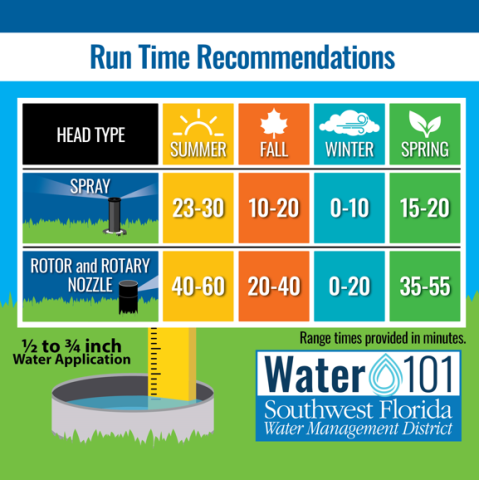
Image Source: www.swfwmd.state.fl.us
Deciphering Your Lawn’s Thirst: Factors Affecting Watering Needs
Several elements influence how much water your lawn needs. Paying attention to these factors affecting lawn watering needs Florida will lead to a more efficient and effective watering routine.
Grass Type Matters
Different grass species have varying water requirements.
- St. Augustine Grass: This is a popular choice in Florida for its shade tolerance and lush appearance. For watering duration for St. Augustine grass, aim for about 1 to 1.5 inches of water per week. This can be delivered in one or two watering sessions, depending on your soil and rainfall.
- Bermuda Grass: Known for its heat and drought tolerance, Bermuda grass generally requires less frequent watering once established.
- Zoysia Grass: This grass type is also quite drought-tolerant and prefers deep, infrequent watering.
- Centipede Grass: Centipede grass thrives in the Florida climate and has moderate water needs.
Soil Type’s Role in Florida Lawn Watering
Florida soils are often sandy, which means water can drain through quickly. This necessitates a different approach compared to areas with heavier clay soils.
- Sandy Soils: These soils don’t hold moisture well. You’ll likely need to water more frequently but for shorter durations to prevent runoff and ensure water penetrates the root zone. This relates to the concept of deep watering vs shallow watering Florida; with sandy soils, you still want deep watering, but you might achieve it over multiple shorter sessions.
- Clay Soils (less common in many Florida areas): If you have areas with clay content, your soil will retain moisture longer. You’ll need to water less frequently but ensure the water has ample time to soak in.
Weather Patterns and Seasons
Florida’s weather is a primary driver of watering needs.
- Summer: High temperatures and increased sunlight mean your lawn will likely need more water. Increased humidity can sometimes offset some of this, but the heat stress on the grass is significant.
- Winter: Cooler temperatures and lower evaporation rates mean you’ll need to water much less frequently, if at all. Dormant grass also requires minimal water.
- Rainfall: Always account for natural rainfall. If you receive an inch of rain, you can skip a watering session.
The Importance of Established vs. New Lawns
Watering needs differ significantly between new sod and an established lawn.
- Watering Established Lawns Florida: Established lawns have deeper root systems and can tolerate slightly longer intervals between watering. The goal is to encourage these deep roots.
- How often to water sod in Florida: New sod needs consistent moisture to establish its roots. For the first week or two, you might need to water daily or even multiple times a day, especially during hot weather, to keep the sod and the soil beneath it moist. Gradually reduce the frequency as roots begin to take hold.
Drought-Tolerant Grass Watering Florida
If you’ve opted for drought-tolerant grass watering Florida is more forgiving. These grasses are designed to survive with less water once established. However, even drought-tolerant grasses need adequate water during prolonged dry spells to survive and maintain color.
The Art of Watering: Deep vs. Shallow
Choosing between deep and shallow watering is crucial for a healthy lawn.
Deep Watering vs Shallow Watering Florida
- Deep Watering: This involves applying enough water to moisten the soil 4-6 inches deep. This encourages grass roots to grow deeper, making the lawn more resilient to drought, heat, and foot traffic. It’s generally the preferred method for established lawns.
- Shallow Watering: This means applying only a small amount of water that penetrates the top inch or two of soil. This can lead to shallow root systems, making the grass more vulnerable to stress and disease. It’s typically only recommended for new sod or during specific, short-term emergency situations.
For watering duration for St. Augustine grass and other common Florida grasses, aim for deep watering sessions.
Crafting Your Florida Lawn Watering Schedule
Creating a Florida lawn watering schedule involves timing and frequency.
Best Time to Water Lawns in Florida
The best time to water lawns in Florida is early in the morning, typically between 4 AM and 10 AM.
- Why Morning Watering?
- Reduced Evaporation: Cooler temperatures mean less water is lost to evaporation.
- Disease Prevention: Watering in the morning allows the grass blades to dry off throughout the day. Watering in the evening can leave the grass wet overnight, creating a prime environment for fungal diseases.
- Water Absorption: Grass can absorb water more efficiently when it’s not stressed by intense heat.
Avoid watering in the middle of the day when the sun is hottest, as a significant amount of water will evaporate before it can reach the roots.
How Long to Water? The Duration Dilemma
The exact duration depends on your sprinkler system’s output and your soil type.
Estimating Your Sprinkler System’s Output
- Tuna Can Test: Place several empty tuna cans (or similar straight-sided containers) around your lawn in different zones. Run your sprinklers for a set amount of time (e.g., 15 minutes). Measure the depth of water in each can. Average the depths to determine how much water your system delivers in that time. For example, if you get half an inch of water in 15 minutes, you’ll need to run your sprinklers for 30 minutes to deliver one inch.
General Watering Durations (per zone)
These are general guidelines and may need adjustment based on the factors discussed earlier.
| Grass Type | Recommended Watering Duration (per session) | Frequency (per week) |
|---|---|---|
| St. Augustine | 20-30 minutes | 2-3 times |
| Bermuda | 25-35 minutes | 1-2 times |
| Zoysia | 25-35 minutes | 1-2 times |
| Centipede | 15-25 minutes | 2-3 times |
| Newly Laid Sod | Frequent light watering (see below) | Daily/multiple |
How Often to Water Sod in Florida
For new sod, the goal is to keep the soil consistently moist.
- First 1-3 Days: Water thoroughly 2-3 times a day, especially during warm weather. The goal is to keep the sod and the soil beneath it damp, not soggy.
- Next 4-10 Days: Reduce watering to once a day, continuing to check for moisture.
- After 10-14 Days: Begin to gradually transition to a deeper, less frequent watering schedule, similar to established lawns, as roots begin to establish. You can check by gently lifting a corner of the sod to see if roots have started to grow into the soil.
Navigating Water Restrictions for Lawns in Florida
Many Florida municipalities have water restrictions for lawns Florida. These are put in place to conserve water, especially during dry periods.
Typical Water Restriction Guidelines
- Oasis Days: Watering is often restricted to specific days of the week, usually based on your property’s address (odd/even days).
- Time Restrictions: Watering is typically limited to early morning hours (e.g., before 10 AM) or sometimes early evening (though morning is preferred for lawn health).
- Duration Limits: Some areas may impose limits on how long you can water each zone.
It is crucial to check with your local water authority or municipality for the most current and specific water restrictions for lawns Florida. Failure to comply can result in fines.
Troubleshooting Common Lawn Watering Issues
Even with a plan, you might encounter problems.
Signs of Overwatering
- Yellowing Grass: While underwatering can cause yellowing, overwatering can also lead to it due to root rot and nutrient deficiencies.
- Mushy or Soggy Soil: If your lawn feels perpetually wet, you’re likely overwatering.
- Fungal Diseases: Lush, wet conditions encourage the growth of fungi, leading to brown patches, ring spots, or mildew.
- Increased Weed Growth: Some weeds thrive in overly wet conditions.
Signs of Underwatering
- Wilting or Curling Grass Blades: This is the most obvious sign that the grass needs water.
- Dull, Bluish-Gray Color: The grass loses its vibrant green hue.
- Footprints Remain: If you walk on the lawn and the grass blades don’t spring back up, it’s a sign of drought stress.
- Dry, Cracking Soil: The soil may pull away from the edges of the lawn.
Optimizing Your Watering System
Ensuring your sprinklers are working efficiently is key.
Sprinkler System Maintenance
- Check for Leaks: Regularly inspect your sprinkler heads and pipes for any leaks.
- Adjust Sprinkler Heads: Ensure they are directed towards the lawn and not sidewalks, driveways, or buildings. Overlapping spray patterns can lead to uneven watering.
- Consider Smart Controllers: Modern smart irrigation controllers can adjust watering based on weather data, soil moisture sensors, and plant needs, leading to significant water savings.
Frequently Asked Questions (FAQ)
Q1: Can I water my lawn in Florida during a drought?
Yes, you generally can, but you must adhere to any water restrictions for lawns Florida that are in effect. These restrictions are often put in place precisely because of drought conditions. It’s important to water efficiently during these times, focusing on deep, infrequent watering to encourage strong root systems.
Q2: How do I know if I’m watering my lawn too much or too little?
Look for signs in your grass and soil. Yellowing, mushy soil, and fungal spots often indicate overwatering. Wilting, a dull color, and footprints that remain point to underwatering. A simple soil moisture meter can also help you gauge the moisture level several inches down.
Q3: Is it okay to water my lawn when it’s raining in Florida?
No, it’s wasteful and unnecessary to water your lawn when it’s raining. Most irrigation systems have rain sensors, but if yours doesn’t, it’s best to manually turn off the system during and after rainfall. Your lawn will get all the water it needs from the rain.
Q4: What is the difference between watering established lawns Florida and new sod?
Established lawns have developed extensive root systems and can tolerate longer periods between watering, benefiting from deep, infrequent watering to encourage deeper root growth. New sod, on the other hand, needs consistent moisture to establish its roots into the soil, requiring more frequent, though initially shallower, watering.
Q5: How long should I water St. Augustine grass in Florida?
For watering duration for St. Augustine grass, aim for about 1 to 1.5 inches of water per week. This typically translates to watering for 20-30 minutes per zone, two to three times a week, depending on rainfall and soil conditions. The key is to water deeply to encourage root growth.
Q6: What are the best times to water lawns in Florida?
The best time to water lawns in Florida is in the early morning, between 4 AM and 10 AM. This minimizes water loss through evaporation and allows the grass to dry out during the day, reducing the risk of fungal diseases.
By following these guidelines and paying close attention to your lawn’s specific needs, you can maintain a beautiful and healthy landscape while conserving water in the Sunshine State. Remember to always check local regulations for the most accurate Florida lawn watering schedule.