
After seeding your lawn, the most important question is: How long should you stay off it? Generally, you should avoid foot traffic restrictions for at least 3 to 4 weeks, and ideally longer, until the grass is well-established. This crucial seedling establishment period is vital for grass protection and ensuring your new lawn care efforts pay off.
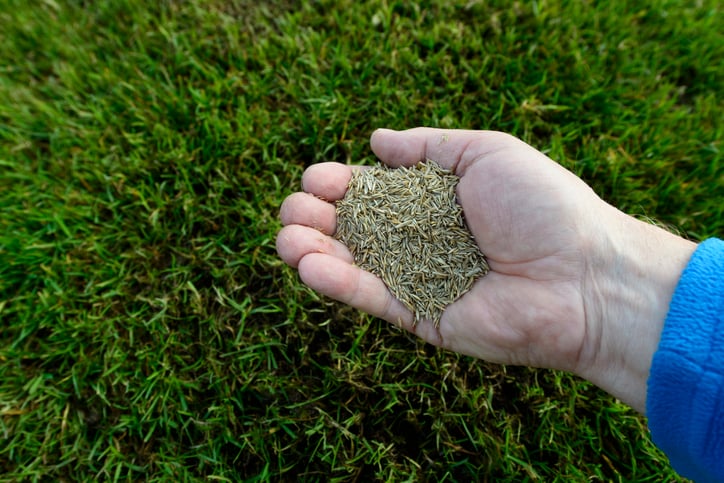
Image Source: blog.lushlawn.com
The Crucial Seedling Establishment Period
Starting a new lawn from seed is an exciting endeavor, but it requires patience and careful management. The time between sowing seeds and having a resilient, mature lawn is a critical phase known as the seedling establishment period. During this period, young grass plants are incredibly vulnerable. Their root systems are shallow, and their blades are thin. Any undue pressure can easily damage or even kill these delicate seedlings, setting back your lawn renovation timeline significantly.
Germination Time: The First Sign of Life
Before you can even think about walking on your new lawn, the seeds need to germinate. This is the process where the seed sprouts and a tiny root and shoot emerge. Germination time varies greatly depending on the type of grass seed you’ve used, as well as environmental conditions like temperature and moisture.
- Cool-season grasses (like fescue, ryegrass, and bluegrass) typically germinate within 7 to 21 days.
- Warm-season grasses (like Bermuda, Zoysia, and Centipede) can take longer, sometimes 14 to 30 days or even more.
You’ll know germination is happening when you see tiny green shoots pushing through the soil. This is an exciting milestone, but it’s just the beginning.
Early Growth Stages: Fragile Beginnings
Once the seedlings have emerged, they are still very weak. Their root systems are not yet deep enough to anchor them firmly or absorb sufficient water and nutrients. At this stage, even light pressure can:
- Uproot young plants: The delicate roots can be easily pulled from the soil.
- Flatten new blades: This can hinder photosynthesis and growth.
- Compact the soil: Compacted soil makes it harder for roots to penetrate and access air and water.
Seed to Mow Time: Patience is Key
The phrase “seed to mow time” refers to the period from when you sow the seeds until the grass is healthy and strong enough to be mowed for the first time. This is an excellent indicator of when your lawn is beginning to establish. However, mowing itself is a form of stress on the grass.
You should wait until the grass reaches approximately one-third taller than your desired mowing height before the first cut. For most lawn types, this means waiting until the grass is around 3-4 inches tall. Even then, the first mowing should be done carefully, removing only the top third of the blade.
Sod Establishment vs. Seed Establishment
It’s worth noting that the principles of sod establishment differ slightly. Sod, which is essentially mature grass held together by its root system, establishes much faster than seed. However, even with sod, it’s important to allow the roots to grow into the underlying soil before subjecting it to heavy traffic. While sod establishment might require less waiting time to walk on, a seedling establishment period is significantly longer and more delicate.
Why Foot Traffic Restrictions Are Crucial
The primary reason for foot traffic restrictions is to protect the nascent grass plants. Imagine a baby learning to walk; they are unsteady and easily knocked over. New grass seedlings are much the same. They need a protected environment to grow strong roots and develop a dense canopy.
Preventing Damage: The Role of Protection
Grass protection during the early stages is paramount. Here’s a breakdown of why avoiding traffic is so important:
- Root Development: Shallow roots are easily damaged by foot traffic. Walking on the lawn can compact the soil around the delicate root hairs, making it harder for them to grow deeper.
- Blade Integrity: Young grass blades are still forming and are easily bent, broken, or even completely torn off. This reduces the plant’s ability to photosynthesize and gather energy.
- Soil Compaction: Even light foot traffic can compact the soil. Compacted soil has less air space, which is essential for healthy root growth. It also makes it harder for water to penetrate the soil.
- Uneven Growth: If you repeatedly walk over the same areas, you can create bare patches or uneven growth patterns that are difficult to correct later.
What Constitutes “Traffic”?
When we talk about traffic, it encompasses more than just people walking. Consider these other forms of potential damage:
- Children playing: Running, jumping, and playing games will put significant stress on young grass.
- Pets: Dogs, in particular, can cause damage with their digging, running, and urine, which can burn the grass.
- Mowers and equipment: Even lighter lawn equipment can damage young seedlings if used improperly or too early.
- Toys and furniture: Leaving items on the lawn can smother the grass and create indentations.
Factors Influencing How Long to Stay Off
The ideal timeframe for staying off your newly seeded lawn isn’t a one-size-fits-all answer. Several factors influence how long you need to implement foot traffic restrictions.
Type of Grass Seed
As mentioned earlier, different grass species have varying germination time and growth rates.
| Grass Type | Typical Germination Time | Initial Growth Rate | Recommended Traffic-Free Period |
|---|---|---|---|
| Perennial Ryegrass | 7-10 days | Fast | 3-4 weeks |
| Annual Ryegrass | 4-7 days | Very Fast | 2-3 weeks (but short-lived) |
| Fine Fescue | 10-20 days | Moderate | 4-5 weeks |
| Tall Fescue | 7-14 days | Moderate to Fast | 3-4 weeks |
| Kentucky Bluegrass | 14-28 days | Slow | 4-6 weeks |
| Creeping Bentgrass | 7-14 days | Moderate | 4-5 weeks |
| Bermudagrass | 14-30 days | Slow | 4-6 weeks |
| Zoysiagrass | 21-30 days | Slow | 6-8 weeks |
| Centipedegrass | 14-21 days | Slow | 4-6 weeks |
Note: These are general estimates. Always check the specific seed blend you are using.
Environmental Conditions
Weather plays a significant role in how quickly your new lawn establishes.
- Temperature: Grass grows best within a specific temperature range. Seeds will germinate faster and seedlings will grow stronger in optimal temperatures.
- Moisture: Consistent moisture is critical for germination and root development. Drought stress can severely weaken young plants.
- Sunlight: Adequate sunlight is necessary for photosynthesis. Shady conditions can slow growth.
Maintenance Practices
Your approach to new lawn care directly impacts the establishment speed.
- Watering Schedule: Proper and consistent watering is arguably the most critical factor.
- Fertilization: Applying the right starter fertilizer can provide essential nutrients for early growth.
- Soil Health: Healthy, well-draining soil promotes strong root systems.
Practical Advice for New Lawns
Adhering to a few key practices will ensure your new lawn thrives and is ready for normal use sooner rather than later.
Watering Schedule: The Lifeline of Young Grass
A consistent watering schedule is non-negotiable for new lawns.
- Initial Stage (Germination to First Growth): Keep the top inch of soil consistently moist. This often means light, frequent watering – several times a day for short durations. Avoid letting the soil dry out completely, as this will kill germinating seeds and young seedlings.
- Developing Stage (Seed to Mow): As the grass grows, you can gradually reduce the frequency of watering but increase the duration. Aim for about 1 inch of water per week, delivered in one or two deep watering sessions. This encourages roots to grow deeper in search of moisture.
- Avoid Overhead Sprinklers for Extended Periods: Once the grass is taller, be mindful of how long your sprinklers run. Overwatering can lead to disease.
First Mowing: A Gentle Introduction
The first mow is a significant milestone, but it should be approached with caution.
- Height: Wait until the grass is at least 3-4 inches tall.
- Blade Sharpness: Ensure your mower blades are sharp. Dull blades tear the grass, making it susceptible to disease.
- Cutting Height: Never cut more than one-third of the grass blade at a time. For the first mow, it’s often advisable to set your mower to its highest setting.
- Avoid Mowing Wet Grass: This can cause clumping and damage.
Fertilization: Fueling Growth
Using a starter fertilizer when seeding is highly recommended. These fertilizers are formulated to provide phosphorus, which is essential for root development. Follow the recommended application rates carefully. Over-fertilization can burn young grass.
Weed Control: A Delicate Balance
New lawn care often involves managing weeds. However, many herbicides are designed for established lawns and can kill young seedlings.
- Hand-pulling: For small infestations, hand-pulling weeds is the safest option.
- Selective Herbicides: If you must use a herbicide, choose one specifically labeled as safe for new grass and follow the instructions meticulously. Apply only when the grass is healthy and established enough, and always after the initial seedling establishment period.
When Can You Gradually Reintroduce Traffic?
The general rule of thumb is to avoid traffic for 3 to 4 weeks after seeding, but this is a minimum. The real test is the health and density of your new grass.
Signs Your Lawn is Ready for Limited Traffic
- Dense Growth: The grass should be thick and have a uniform appearance.
- Root Depth: You should be able to tug gently on a few grass blades without them easily pulling out. This indicates that the roots have anchored themselves reasonably well.
- Recovery from Light Pressure: If you gently press down on the grass with your hand, it should spring back quickly. If it stays matted down, it’s not ready.
Gradual Reintroduction
Once you’ve reached the minimum traffic-free period and observe the signs of establishment, you can begin to reintroduce light traffic gradually.
- Occasional Walking: Start with occasional walks across the lawn.
- Short Periods: Limit the time spent on the lawn initially.
- Observe Recovery: Monitor how the grass responds. If you notice any signs of stress or damage, scale back immediately.
- Increase Gradually: Slowly increase the duration and frequency of use over the next few weeks.
The Ideal Scenario: A Full 6-8 Weeks
For the most robust and resilient lawn, aiming for 6 to 8 weeks of minimal traffic is ideal. This allows the root system to become much deeper and stronger, making the grass far more tolerant of foot traffic, play, and other stresses. This extended period is particularly important for slower-growing grasses like Kentucky Bluegrass or Zoysia.
Addressing Specific Scenarios
What if you have unavoidable situations that require access to your new lawn?
Accidental Foot Traffic
If someone accidentally walks on the lawn, don’t panic. Assess the damage:
- Light Tread: If it was just a light step, the grass may recover.
- Heavy Pressure or Running: If there was significant pressure, try to gently brush the flattened grass upright. Avoid making it worse.
Pets on the New Lawn
Pets are a major concern for new lawns.
- Supervision: Keep pets off the lawn entirely if possible, especially during the first few months.
- Designated Areas: If absolutely necessary, establish a very small, designated area for pets and keep them confined to it.
- Clean Up Promptly: Always clean up pet waste immediately, as it can burn the grass.
Lawn Mower Access
You’ll need to mow your lawn, but when and how?
- First Mow: As discussed, wait until the grass is tall enough (3-4 inches).
- Mower Weight: Use a lightweight mower if possible for the first few mows. Avoid heavy riding mowers on a very young lawn, as they can cause significant soil compaction.
- Sharp Blades: Always use sharp blades.
Common Mistakes to Avoid in New Lawn Care
Many homeowners make mistakes when caring for newly seeded lawns, which can lead to failure or a subpar result.
Mistake 1: Too Much Traffic Too Soon
This is the most common error. Impatience leads to damaged seedlings, bare spots, and a need to reseed. Remember the seed to mow time is a guide, but the actual readiness depends on grass density and root strength.
Mistake 2: Incorrect Watering
- Underwatering: Leads to drought stress and death of seedlings.
- Overwatering: Can lead to fungal diseases and shallow root growth, making the grass less resilient.
Mistake 3: Mowing Too Short
Cutting the grass too short in the early stages weakens the plant and reduces its ability to photosynthesize. Always follow the one-third rule.
Mistake 4: Neglecting Weeds
While you need to be cautious with herbicides, ignoring weeds allows them to compete for sunlight, water, and nutrients, hindering your new lawn’s growth.
The Lawn Renovation Timeline: A Broader Perspective
Understanding how long to stay off your lawn is part of a larger lawn renovation timeline. If you’re renovating an existing lawn, the process might look something like this:
- Preparation (Weeks 1-2): Soil testing, amending soil, removing debris.
- Seeding (Day 1): Applying seed and starter fertilizer.
- Germination (Weeks 1-3): Careful watering.
- Seedling Establishment (Weeks 3-8): Implementing traffic restrictions, light watering, first mow.
- Early Growth & Maturation (Months 1-3): Gradual increase in traffic, regular watering, mowing, and potentially weed control.
- Full Establishment (Month 3 onwards): Lawn is ready for normal use and standard maintenance practices.
This timeline highlights that patience throughout the seedling establishment period is key to a successful lawn renovation timeline.
Frequently Asked Questions (FAQ)
Q1: Can I let my dog walk on the new lawn briefly?
While it’s best to keep pets off entirely, if it’s absolutely unavoidable, let them out for very short periods, supervise them closely, and clean up immediately. The shorter the time, the better.
Q2: What if I see some weeds popping up in my new lawn?
It’s common. For a few weeds, hand-pulling is the safest option. If you have many, consider a selective herbicide specifically labeled for new grass, but wait until the grass is at least a few inches tall and well-established.
Q3: My neighbor said they walked on their new lawn after a week. Should I?
Every lawn and every set of conditions is different. Your neighbor might have used a different seed type, had perfect weather, or simply been lucky. It’s best to follow best practices for your specific seed and conditions to ensure the best long-term results.
Q4: How do I know if my lawn is truly established?
Signs include dense, even growth, grass that springs back when pressed, and blades that don’t pull out easily when tugged gently. A seed to mow time of 3-4 weeks is a minimum, but true establishment takes longer.
Q5: What’s the difference between sod establishment and seed establishment in terms of traffic?
Sod is mature grass and roots, so it establishes much faster. You might be able to walk on sod within 1-2 weeks, whereas seeded lawns require a much longer seedling establishment period of 3-4 weeks minimum, ideally longer.
By respecting the seedling establishment period and adhering to foot traffic restrictions, you are investing in the long-term health and resilience of your new lawn. Patience and diligent new lawn care will reward you with a lush, green space for years to come.