
So, you’ve just spread fertilizer on your lawn and are eagerly anticipating that lush, green transformation. The big question on your mind is likely: how long for lawn fertilizer to work? Generally, you can expect to see initial changes in your grass’s color and vigor within 3 to 7 days after applying fertilizer, with more significant improvements appearing within 1 to 2 weeks.
Applying fertilizer is like giving your lawn a nutrient-rich meal. But just like with any meal, how long it takes to digest and show its effects can vary. Several factors influence the lawn fertilizer activation time and how quickly you’ll witness fertilizer visible results. Understanding these elements is key to achieving that coveted emerald carpet faster and more efficiently.
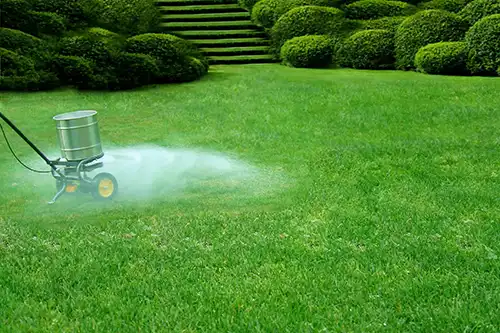
Image Source: www.flapest.com
The Waiting Game: When Does Fertilizer Start Showing Results?
The journey from applying fertilizer to seeing a greener lawn isn’t instantaneous. It’s a process that involves several stages, from the fertilizer dissolving to the grass actually absorbing the nutrients.
Factors Influencing Fertilizer Response Time
Several key players affect how quickly your lawn responds to fertilization:
- Type of Fertilizer: Not all fertilizers are created equal. Their composition and the form of nutrients play a significant role.
- Weather Conditions: Rain and temperature are crucial elements for activating fertilizer.
- Soil Type and Condition: The soil itself can impact nutrient availability and uptake.
- Grass Type: Different grass varieties have varying growth rates and nutrient needs.
- Application Method: How you apply the fertilizer matters.
Let’s delve deeper into each of these to paint a clearer picture of the fertilizer effect timeline.
Different Paths to Green: Types of Lawn Fertilizer Effectiveness
The market is flooded with various lawn fertilizers, each with its own unique characteristics. These differences directly impact how long for grass to green up after fertilizing.
Quick-Release Fertilizers
- What they are: These fertilizers contain nutrients in a readily available form that the grass can absorb almost immediately. They are often granular and dissolve quickly when watered.
- Pros: They provide a rapid, noticeable boost in greenness. You’ll typically see fertilizer visible results within a few days.
- Cons: The greening effect is often short-lived, requiring more frequent applications. There’s also a higher risk of burning your lawn if applied too heavily.
- Fertilizer response time: Very fast, often within 24-72 hours for initial color changes.
Slow-Release Fertilizers
- What they are: These fertilizers release nutrients gradually over an extended period. This can be achieved through coated granules or organic compounds that break down slowly.
- Pros: They provide a steady supply of nutrients, leading to consistent growth and a deeper, longer-lasting green. They are less likely to cause lawn burn and reduce the frequency of applications.
- Cons: The initial greening might be less dramatic compared to quick-release types, taking a bit longer to see significant fertilizer visible results.
- Fertilizer response time: Slower initially, with noticeable results typically appearing within 7-14 days.
Organic Fertilizers
- What they are: Derived from natural sources like compost, manure, and plant matter. They work by feeding the soil microbes, which in turn release nutrients to the grass.
- Pros: They improve soil health over time, promote beneficial microbial activity, and are very gentle on the lawn. They offer a more sustainable approach to lawn care.
- Cons: The nutrient release is generally slower and can be less predictable than synthetic fertilizers, meaning how long for grass to green up after fertilizing might be extended. They can also have an odor.
- Fertilizer response time: The slowest of the bunch, with gradual improvements over several weeks as soil microbes work their magic.
Synthetic Fertilizers
- What they are: Man-made fertilizers containing specific N-P-K ratios (Nitrogen, Phosphorus, Potassium) in concentrated forms.
- Pros: Offer precise nutrient delivery and can produce rapid greening, especially those with a high nitrogen content.
- Cons: Can be harsh if over-applied and do not improve soil structure.
- Fertilizer response time: Varies greatly depending on the formulation (quick vs. slow-release components).
Table 1: Fertilizer Type and Expected Response Time
| Fertilizer Type | Initial Greening (Days) | Peak Greening (Weeks) | Duration of Effect |
|---|---|---|---|
| Quick-Release | 1-3 | 1-2 | 4-6 weeks |
| Slow-Release | 5-7 | 2-3 | 8-12 weeks |
| Organic | 7-14 | 3-6 | 3-6 months |
| Synthetic (Quick-N) | 2-4 | 1-2 | 4-8 weeks |
The Crucial Role of Water: Lawn Fertilizer Activation Time
Water is the catalyst that sets the lawn fertilizer activation time in motion. Without adequate moisture, even the best fertilizer won’t work effectively.
How Water Activates Fertilizer
- Dissolving Granules: Most granular fertilizers, especially quick-release types, need to dissolve in water to become available for the grass roots.
- Nutrient Transport: Once dissolved, water acts as a medium to carry the nutrients from the fertilizer granules into the soil and towards the grass’s root system.
- Enzymatic Activity: For organic fertilizers, moisture is essential for the soil microbes to break down organic matter and release nutrients.
The Impact of Rain and Irrigation
- Ideal Scenario: A gentle rain shower shortly after application is the best-case scenario. It evenly distributes the fertilizer and begins the activation process without washing it away.
- Artificial Irrigation: If rain isn’t in the forecast, watering your lawn thoroughly (about 0.5 to 1 inch of water) within 24-48 hours of application is crucial for activation.
- Overwatering: Be cautious not to overwater immediately after application, as this can lead to nutrient runoff and potential pollution of waterways.
- Drought Conditions: If your lawn is already suffering from drought, applying fertilizer can exacerbate the stress. It’s best to water your lawn thoroughly and let it recover before fertilizing.
Fertilizer Application Timing: When is the Best Time to Water?
The timing of your watering relative to fertilization is critical for optimal fertilizer response time.
- Post-Application Watering: As mentioned, watering within 24-48 hours after applying most types of granular or liquid fertilizer is generally recommended.
- Pre-Application Watering: Some experts suggest lightly watering the lawn before fertilizing, especially if the soil is dry. This moistens the soil and can help protect grass blades from potential burn. However, avoid making the lawn saturated, as this can dilute the fertilizer.
- Timing of Day: Watering in the early morning is ideal. This allows the grass to dry off during the day, reducing the risk of fungal diseases. Watering in the evening can leave the grass wet overnight, creating a favorable environment for disease.
The Engine of Growth: Nutrient Uptake by Grass
Once activated, the nutrients embark on a journey to fuel your lawn’s growth and color. This is the core of how long for grass to green up after fertilizing.
The Role of Nitrogen
Nitrogen (N) is the most critical nutrient for greening your lawn. It’s a primary component of chlorophyll, the pigment that gives grass its vibrant green color and is essential for photosynthesis.
- How it Works: When nitrogen is absorbed by the grass roots, it’s transported to the leaves, where it stimulates chlorophyll production. This leads to a lusher, greener appearance.
- Signs of Nitrogen Deficiency: Yellowing grass, slow growth, and thin turf are all indicators of insufficient nitrogen.
Other Essential Nutrients
While nitrogen gets the most attention for greening, other nutrients also play vital roles:
- Phosphorus (P): Important for root development and seedling growth. While not directly responsible for greening, healthy roots support overall plant vigor.
- Potassium (K): Enhances overall plant health, disease resistance, and drought tolerance. It contributes to the plant’s ability to withstand stress, which indirectly supports a good appearance.
How Grass Absorbs Nutrients
- Root Absorption: The primary method of nutrient uptake is through the grass’s root system. Dissolved nutrients in the soil water are absorbed by the fine root hairs.
- Foliar Absorption: Some nutrients, particularly nitrogen, can be absorbed directly through the grass blades (foliar absorption), especially with liquid fertilizers. This can lead to faster visible results.
Table 2: Key Nutrients and Their Impact on Lawn Health
| Nutrient | Primary Role in Grass | Impact on Greening |
|---|---|---|
| Nitrogen (N) | Chlorophyll production, leaf growth | High |
| Phosphorus (P) | Root development, energy transfer | Indirect |
| Potassium (K) | Stress tolerance, disease resistance | Indirect |
Beyond Greening: What Else to Expect from Fertilizer
While the immediate goal is often a greener lawn, fertilizer also influences growth and overall health.
Stimulating Growth
Nitrogen, in particular, promotes leaf growth, leading to a thicker, more dense lawn. This means you might find yourself mowing more frequently after fertilizing.
Improving Root Development
Fertilizers containing phosphorus are crucial for establishing strong root systems, especially in new lawns or after periods of stress.
Enhancing Disease Resistance
Potassium and other micronutrients help strengthen the grass plant, making it more resilient to diseases, pests, and environmental stresses like heat and drought.
Weather Wisdom: How Weather Affects Fertilizer Effectiveness
The weather is a major wildcard when it comes to how long for lawn fertilizer to work.
Temperature’s Influence
- Ideal Temperatures: Most cool-season grasses (like fescue and ryegrass) thrive and absorb nutrients best when soil temperatures are between 50°F and 70°F (10°C and 21°C). Warm-season grasses (like Bermuda and Zoysia) prefer warmer soil temperatures, typically above 60°F (15°C).
- Cold Weather: If you fertilize during cool weather when grass growth is slow, the nutrients will be stored in the plant and used later when conditions improve, delaying visible results.
- Hot Weather: Fertilizing during extreme heat can stress the lawn, especially if the fertilizer is quick-release. It’s often best to fertilize in the cooler parts of spring or fall.
The Importance of Moisture (Again!)
As discussed, moisture is paramount. Dry conditions will significantly slow down nutrient uptake and delay fertilizer visible results. Consistent, moderate moisture is ideal for optimal fertilizer performance.
Soil Conditions: The Foundation for Fertilizer Success
Your soil’s composition and health are fundamental to how well your fertilizer works.
Soil Type Matters
- Sandy Soils: Tend to drain quickly and can leach nutrients, especially nitrogen, if not managed carefully. Fertilizers might need more frequent, lighter applications.
- Clay Soils: Hold nutrients and moisture better but can sometimes be compacted, hindering root growth and nutrient uptake. Aeration can be beneficial.
Soil pH Levels
- Ideal pH: Most lawn grasses prefer a slightly acidic to neutral soil pH, typically between 6.0 and 7.0.
- Impact of pH: If your soil is too acidic or too alkaline, it can “lock up” certain nutrients, making them unavailable to the grass, even if they are present in the fertilizer. This affects nutrient uptake by grass. A soil test can reveal your pH and guide you on whether amendments like lime (to raise pH) or sulfur (to lower pH) are needed.
Grass Type and Fertilizer Response
Different grass species have varying metabolic rates and nutrient requirements, influencing the fertilizer effect timeline.
- Cool-Season Grasses: Generally grow most actively in spring and fall. Fertilizers applied during their active growth periods will show results more quickly.
- Warm-Season Grasses: Grow most actively in the summer heat. Fertilizing during their peak growing season will yield the fastest and most pronounced greening.
Practical Tips for Faster Greening
Want to expedite the process of getting a greener lawn? Here are some actionable tips:
Choose the Right Fertilizer
- For rapid greening, a fertilizer with a higher percentage of quick-release nitrogen (e.g., the first number in the N-P-K ratio) can be effective, but use it cautiously.
- Consider a liquid fertilizer or a water-soluble granular product for potentially faster foliar absorption.
Ensure Proper Application
- Follow the instructions on the fertilizer packaging precisely. Over-application can harm your lawn and is wasteful.
- Use a spreader for even application. Uneven application leads to patchy results.
Water Wisely
- Water thoroughly after application, as discussed, to activate the fertilizer.
- Maintain consistent soil moisture in the days and weeks following fertilization.
Consider the Season
- Fertilize during your lawn’s peak growing season. For cool-season grasses, this is spring and fall. For warm-season grasses, it’s summer.
Don’t Forget Soil Health
- Get a soil test to ensure your pH is correct and to identify any nutrient deficiencies that might be hindering fertilizer effectiveness.
- Incorporate organic matter into your soil through topdressing or compost application to improve its structure and nutrient-holding capacity.
Frequently Asked Questions (FAQ)
Q1: Can I fertilize my lawn when it’s dormant?
A1: Fertilizing a dormant lawn (especially cool-season grasses in winter) is generally not recommended. The grass cannot effectively absorb nutrients, and the fertilizer may simply wash away or be absorbed by weeds. It’s best to fertilize during active growth periods.
Q2: Will fertilizing make my grass grow faster?
A2: Yes, fertilizers, particularly those high in nitrogen, stimulate grass growth. This means you’ll likely need to mow more often after fertilizing.
Q3: Is it possible to over-fertilize my lawn?
A3: Absolutely. Over-fertilizing can “burn” the grass, causing browning and damage. It can also lead to excessive, weak growth that is more susceptible to disease and pests. Always follow application rates carefully.
Q4: How often should I fertilize my lawn?
A4: The frequency depends on your grass type, climate, the type of fertilizer used, and your desired lawn quality. Generally, cool-season grasses may benefit from 2-4 applications per year (spring, fall, and sometimes early summer), while warm-season grasses may need 3-5 applications during their active growing season. Slow-release fertilizers allow for less frequent applications.
Q5: What should I do if my lawn doesn’t green up after fertilizing?
A5: First, check if you’ve watered adequately to activate the fertilizer. If not, water thoroughly. If you have watered, consider these possibilities:
* The fertilizer type might be slow-acting (e.g., organic).
* Temperatures might be too cool for active growth.
* There could be an underlying issue like poor soil pH, disease, or insect infestation that is preventing nutrient uptake. A soil test or professional assessment might be needed.
By understanding the science behind lawn fertilizer activation time, the different types of lawn fertilizer effectiveness, and the crucial interplay of fertilizer application timing, water, and soil conditions, you can significantly improve your chances of achieving a lush, green lawn faster. Patience is a virtue, but with the right approach, you can enjoy fertilizer visible results sooner rather than later!