
How long does it take to aerate a lawn? A general rule of thumb for aerating a typical residential lawn is 1 to 4 hours. This timeframe can vary significantly based on several factors.
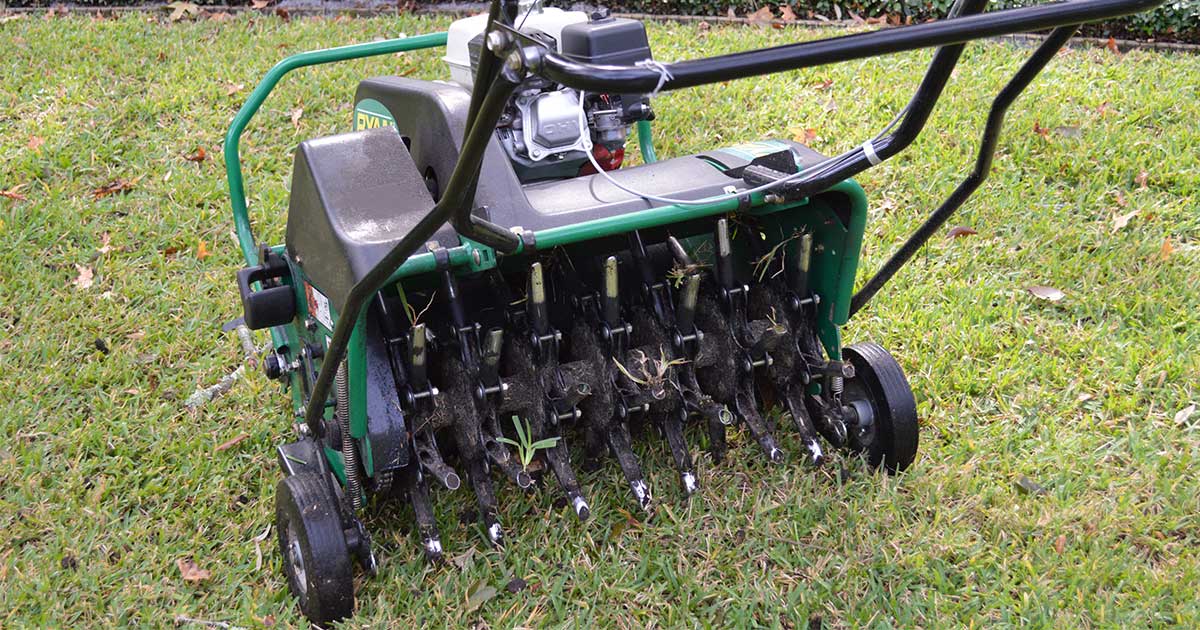
Image Source: www.pennington.com
Deciphering Lawn Aeration Time
Aerating your lawn is a vital step in keeping it healthy and vibrant. It helps combat soil compaction, which is a common problem that prevents water, air, and nutrients from reaching your grass roots. But how long does this process actually take, and what influences the lawn aeration time? Let’s dive in.
Factors Influencing Aeration Duration
Several elements play a role in how long it will take to aerate your lawn:
- Lawn Size: This is the most obvious factor. A larger lawn will naturally take more time to aerate than a smaller one.
- Type of Aerator Used:
- Spike Aerators (Manual or Powered): These are generally faster but less effective than core aerators. They work by pushing spikes into the ground.
- Core Aerators (Powered Walk-Behind or Tractor-Mounted): These machines pull out small plugs of soil, leaving behind small holes. They are more effective at relieving compaction but can be slower to operate.
- Aerator Condition and Power: A well-maintained and powerful aerator will work more efficiently.
- Terrain and Obstacles: Slopes, uneven ground, trees, flower beds, and other obstacles can slow down the process. You’ll need to navigate around these carefully.
- Soil Type and Condition: Very hard, dry soil can make it harder for the aerator to penetrate, increasing the time. Conversely, overly wet soil might not yield clean cores.
- Operator’s Experience: An experienced operator will work more efficiently and systematically.
- Passes Needed: Sometimes, a second pass in certain areas might be required for thorough aeration.
Estimating Aeration Time for Different Lawn Sizes
To give you a clearer picture, here’s a rough estimate:
| Lawn Size (Square Feet) | Estimated Aeration Time (Hours) |
|---|---|
| 1,000 – 2,500 | 1 – 2 |
| 2,500 – 5,000 | 2 – 3 |
| 5,000 – 10,000 | 3 – 4+ |
| 10,000+ | Varies significantly |
These are estimates and can change based on the factors mentioned above.
The Broader Lawn Care Schedule: Aeration’s Place
Aeration is not a standalone task; it fits into a larger lawn care schedule. Understanding where aeration fits can help you manage your time and effort effectively.
When to Aerate: The Best Time to Aerate
The best time to aerate your lawn depends on your grass type:
- Cool-Season Grasses (e.g., Kentucky Bluegrass, Fescue, Ryegrass):
- Spring: Early spring, after the grass has started to green up but before intense summer heat sets in.
- Fall: This is often considered the ideal time. Late summer to early fall allows the grass to recover before winter and take advantage of fall rains and cooler temperatures.
- Warm-Season Grasses (e.g., Bermuda, Zoysia, St. Augustine):
- Late Spring to Early Summer: When the grass is actively growing and has enough time to recover before cooler weather arrives.
Aeration Frequency: How Often Should You Aerate?
The aeration frequency depends on your soil and lawn usage:
- High-Traffic Lawns or Heavily Compacted Soil: Once a year, ideally in the fall for cool-season grasses or early summer for warm-season grasses.
- Moderate Traffic or Less Compacted Soil: Every 1 to 2 years.
- Lawns with Healthy, Uncompacted Soil: May only need aeration every 2 to 3 years.
Signs your lawn needs aeration include:
* Water pooling on the surface for extended periods.
* A spongy or excessively springy feel underfoot.
* Dull, off-color grass.
* Grasses that are thinning.
* Visible thatch layer buildup (more than 1/2 inch).
Aerator Rental Cost: Budgeting for the Task
If you’re planning to DIY, you’ll need to consider the aerator rental cost. This can vary by location and rental company.
- Walk-behind core aerator rental: Typically ranges from $75 to $150 per day.
- Larger, tractor-mounted aerators: Will cost more.
When renting, ensure you understand how to operate the machine safely.
Beyond Aeration: Related Lawn Care Tasks
Often, aeration is done in conjunction with other beneficial lawn care practices. Knowing the dethatching time, overseeding time, and fertilizing time relative to aeration will help you create an efficient and effective lawn care plan.
Dethatching Time: Tackling the Thatch Layer
Thatch is a layer of dead and living grass stems, roots, and debris that builds up between the soil surface and the green grass blades. A thin layer (less than 1/2 inch) is beneficial, but a thick layer can suffocate your lawn.
- When to Dethatch: Similar to aeration, dethatching is best done when the grass is actively growing. This means late spring or early summer for warm-season grasses and early fall or early spring for cool-season grasses.
- Dethatching Time: The time it takes to dethatch depends on the size of your lawn and the type of dethatching equipment used (power rake, dethatching blade on a mower, or manual rake). For a typical residential lawn, it can take 1 to 4 hours.
- Relationship to Aeration: Dethatching is often performed before aeration. Removing excess thatch allows the aerator to work more effectively and ensures the plugs pulled by a core aerator are soil, not thatch. It’s often recommended to dethatch and aerate in the same season.
Overseeding Time: Filling in Thin Spots
Overseeding is the process of planting grass seed over an existing lawn to fill in thin areas, improve density, and introduce improved grass varieties.
- When to Overseed: The ideal time for overseeding is when temperatures are moderate and there’s ample moisture.
- Cool-Season Grasses: Late summer to early fall is the prime time for overseeding cool-season lawns. This gives the new seedlings time to establish before winter.
- Warm-Season Grasses: Overseeding warm-season lawns is less common and typically done in late spring or early summer when they are actively growing.
- Overseeding Time: After aerating, your lawn is perfectly prepared for overseeding. The holes created by the aerator provide an excellent seed-to-soil contact, boosting germination rates. The time to overseed depends on the method (spreader vs. broadcast) and lawn size, but typically takes 30 minutes to 2 hours.
- Relationship to Aeration: Aerating before overseeding is highly recommended. It loosens the soil, allowing the seeds to penetrate and establish more easily.
Fertilizing Time: Nourishing Your Lawn
Fertilizing provides essential nutrients for grass growth, health, and color.
- When to Fertilize: Fertilizing timing is crucial and depends on grass type and the specific fertilizer formulation.
- Cool-Season Grasses: Fertilize in early spring, fall, and sometimes late fall.
- Warm-Season Grasses: Fertilize in late spring, summer, and early fall.
- Fertilizing Time: Applying fertilizer with a spreader typically takes 30 minutes to 1.5 hours for a standard residential lawn.
- Relationship to Aeration and Overseeding:
- Post-Aeration/Overseeding: It’s often beneficial to apply a starter fertilizer after aeration and overseeding. This helps the new seeds germinate and the existing grass recover.
- Pre-Aeration: Avoid fertilizing immediately before aeration, especially with synthetic fertilizers, as it can lead to excessive top growth that might be removed.
Lawn Recovery Time: Getting Back to Green
After aeration, you’ll want to know how long it takes for your lawn to recover and look its best. The lawn recovery time is influenced by several factors:
Factors Affecting Lawn Recovery
- Aeration Intensity: Deeper and more frequent aeration might require a slightly longer recovery period.
- Weather Conditions: Favorable weather (mild temperatures, adequate moisture) promotes faster recovery. Extreme heat or drought can slow it down.
- Post-Aeration Care: Proper watering and any subsequent fertilization play a significant role.
- Time of Year: Aerating during the grass’s active growing season will lead to faster recovery.
- Overall Lawn Health: A healthy lawn with good soil will recover more quickly than a stressed or weak one.
Typical Lawn Recovery Timeline
- Immediate Post-Aeration: You’ll see the soil cores (plugs) on the surface. They will start to break down naturally within a few days to a week, returning nutrients to the soil.
- 1-2 Weeks Post-Aeration: The small holes left by the aerator will begin to close. Grass growth should become more vigorous as air and water penetrate the soil more effectively.
- 3-4 Weeks Post-Aeration: Your lawn should show noticeable improvement in color and density, especially if overseeded or fertilized. The overall appearance should be healthier and more robust.
Comprehending Soil Compaction and Its Impact
Soil compaction is the enemy of a healthy lawn. When soil particles are pressed together too tightly, it reduces pore space. This has several detrimental effects:
- Reduced Air Circulation: Roots need oxygen to survive. Compacted soil limits air exchange.
- Poor Water Drainage: Water cannot penetrate effectively, leading to runoff and potential waterlogging, which can damage roots and promote disease.
- Limited Nutrient Uptake: Roots struggle to grow and absorb essential nutrients from the soil.
- Shallow Root Systems: Grass with shallow roots is more susceptible to drought, heat stress, and disease.
- Increased Thatch Buildup: Compacted soil can contribute to thatch accumulation.
Aeration directly addresses soil compaction by creating channels for air, water, and nutrients.
Equipment Options: Renting vs. Owning an Aerator
Deciding whether to rent or buy an aerator depends on your lawn size, frequency of use, and budget.
Renting an Aerator
- Pros:
- Cost-effective for infrequent use.
- No storage or maintenance concerns.
- Access to different types of aerators if needed.
- Cons:
- Requires transportation of the heavy equipment.
- Availability can be an issue during peak seasons.
- Time spent picking up and returning the machine.
Owning an Aerator
- Pros:
- Convenience to aerate whenever needed.
- No rental fees after initial purchase.
- Can aerate at the optimal time without time constraints.
- Cons:
- Significant upfront cost.
- Requires storage space.
- Ongoing maintenance and repair costs.
The aerator rental cost is a key factor in the DIY decision. For most homeowners with average-sized lawns, renting is usually the more practical choice unless they have a large property or a strong interest in extensive lawn care.
Frequently Asked Questions (FAQ)
Q1: Can I aerate my lawn when it’s wet?
It’s best to aerate when the soil is moist but not saturated. Slightly damp soil allows for better plug removal with core aerators and easier penetration with spike aerators. Aerating in very wet conditions can cause more damage and compaction.
Q2: How soon after aerating can I water my lawn?
You can water your lawn immediately after aerating. In fact, watering can help wash the soil cores back into the holes, returning nutrients. If you’ve overseeded, regular watering is crucial for seed germination.
Q3: What is the purpose of leaving the soil cores on the lawn after aeration?
The soil cores are full of nutrients and beneficial microorganisms. As they dry and break down, they return these valuable elements to the soil and help fill in the aeration holes, improving soil structure.
Q4: How long does it take to dethatch a lawn?
Similar to aeration, dethatching time varies, but it typically takes 1 to 4 hours for a standard residential lawn, depending on the size and method used.
Q5: When is the best time to fertilize after aerating and overseeding?
It’s often beneficial to apply a starter fertilizer about a week after aeration and overseeding. This provides the necessary nutrients to help the new seeds germinate and establish, and encourages the existing grass to recover. Always follow the fertilizer package instructions.
Q6: Can I aerate and dethatch on the same day?
Yes, it’s often recommended to dethatch before aerating. This removes excess thatch, allowing the aerator to work more effectively and directly on the soil.
Q7: How long does it take to overseed a lawn?
The overseeding time is usually quicker than aeration or dethatching, typically taking 30 minutes to 2 hours depending on the lawn size and the type of spreader used.
Q8: What is the ideal soil moisture for aeration?
The soil should be moist, like a wrung-out sponge. This allows the aerator to pull out clean cores of soil. If the soil is too dry, the aerator will struggle to penetrate. If it’s too wet, the holes may collapse, and you might cause more compaction.
Q9: How long should I wait to mow after aerating?
You can typically mow your lawn a day or two after aerating, once the soil cores have started to break down. Avoid mowing over loose soil cores if possible.
Q10: Is aeration necessary every year?
Not necessarily. Aeration frequency depends on your specific lawn conditions. Lawns with heavy foot traffic or significant soil compaction benefit from annual aeration. Less used lawns might only need it every 1-3 years. Observe your lawn for signs of compaction.
By carefully considering these factors and integrating aeration into your overall lawn care schedule, you can ensure your lawn receives the care it needs to thrive, remain healthy, and look its best year-round.